An Alaskan cruise offers one of the most thrilling wildlife experiences on Earth—especially when it comes to whale watching. From breaching humpbacks to playful orcas, Alaska’s coastal waters are teeming with marine giants. This guide reveals the top spots to see whales on an Alaskan cruise, so you can plan the adventure of a lifetime.
Key Takeaways
- Glacier Bay National Park is a prime whale-watching destination, especially for humpback whales that feed in nutrient-rich waters near glaciers.
- Icy Strait Point offers some of the highest whale sighting rates in Alaska, with frequent humpback and orca activity near Hoonah.
- Frederick Sound is a hotspot for large pods of humpback whales, often seen lunge-feeding in summer months.
- Stephens Passage provides calm waters ideal for spotting orcas and humpbacks, especially near Juneau and Douglas Island.
- Ketchikan’s Misty Fjords combine stunning scenery with chances to see humpbacks and transient orcas in protected inlets.
- Timing matters: Peak whale season runs from May to September, with July and August offering the best sightings.
- Choose the right cruise line: Smaller ships and expedition-style cruises often provide better access to remote whale hotspots.
📑 Table of Contents
Why Whale Watching on an Alaskan Cruise Is Unforgettable
Imagine standing on the deck of a cruise ship, the cool Pacific breeze brushing your face, as a massive humpback whale breaches just 50 yards away. Water explodes into the air, sunlight glints off its slick skin, and the deep, resonant sound of its breath echoes across the water. Moments like this are why an Alaskan cruise is more than just a vacation—it’s a front-row seat to one of nature’s greatest shows.
Alaska is home to some of the most abundant and diverse marine life in the world. Its cold, nutrient-rich waters support massive populations of krill, herring, and salmon—the favorite meals of whales. As a result, several species of whales migrate to Alaskan waters each summer to feed, mate, and raise their young. From the acrobatic humpbacks to the stealthy orcas and the rare minke whales, the opportunities to see these majestic creatures are unmatched.
What makes an Alaskan cruise so special for whale watching is the combination of accessibility and wilderness. Unlike land-based whale tours that require long drives or flights, a cruise brings you directly into the heart of prime whale habitat. You’ll glide through narrow fjords, past towering glaciers, and alongside lush coastal rainforests—all while keeping your eyes peeled for spouts, flukes, and breaches. Plus, many cruise ships have naturalists on board who share fascinating insights about whale behavior, migration patterns, and conservation efforts.
Top Whale-Watching Destinations on an Alaskan Cruise
Not all Alaskan cruise routes are created equal when it comes to whale sightings. Some ports and waterways are legendary for their consistent whale activity, while others offer more sporadic encounters. To maximize your chances of seeing whales, it helps to know where to look. Here are the best places to see whales on an Alaskan cruise, based on seasonal patterns, species diversity, and traveler reports.
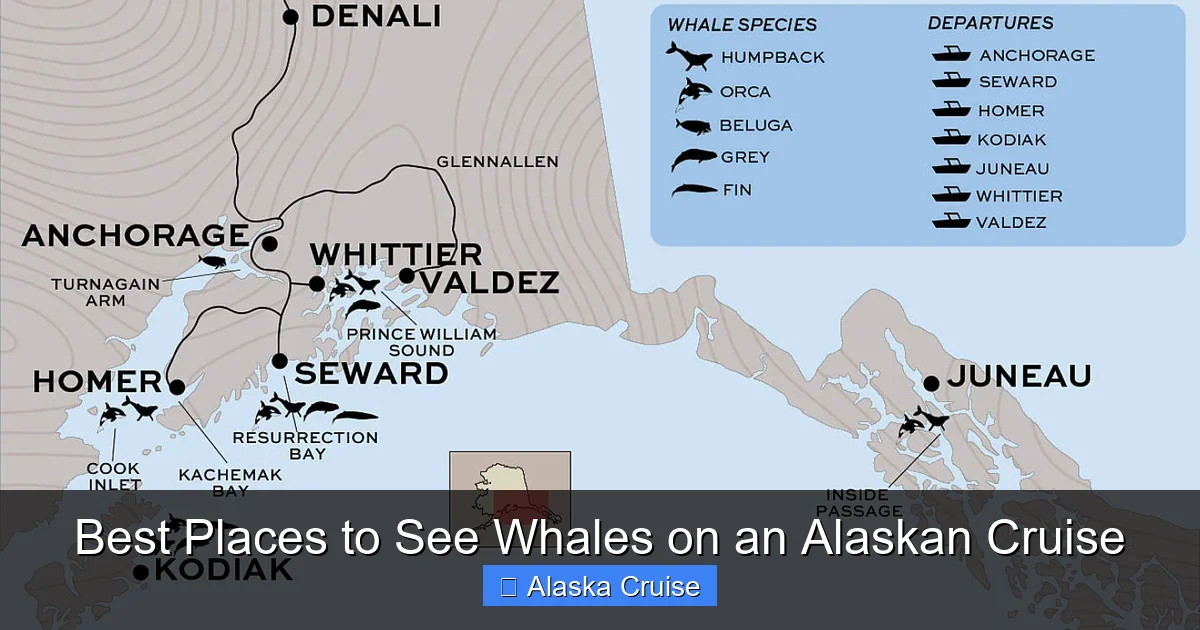
Visual guide about Best Places to See Whales on an Alaskan Cruise
Image source: uploads.alaska.org
Glacier Bay National Park: A UNESCO World Heritage Gem
Glacier Bay is one of the most iconic stops on any Alaskan cruise, and for good reason. This 3.3-million-acre national park is a UNESCO World Heritage Site and a designated Biosphere Reserve, offering pristine wilderness and incredible wildlife viewing. While the park is famous for its calving glaciers and towering ice walls, it’s also a prime feeding ground for humpback whales.
Each summer, hundreds of humpback whales migrate to Glacier Bay to feast on schools of capelin and sand lance. The whales are often seen lunge-feeding—swimming rapidly toward the surface with their mouths wide open to engulf massive amounts of water and prey. This behavior creates dramatic splashes and is a favorite among photographers and wildlife enthusiasts.
One of the best ways to experience Glacier Bay is on a small-ship cruise or a National Park Service ranger-led tour. These vessels can navigate closer to the glaciers and often slow down or stop when whales are spotted. Keep your camera ready—humpbacks in Glacier Bay are known for their frequent breaches and tail slaps. You might even spot a mother whale teaching her calf how to feed.
Icy Strait Point: The Whale Capital of Alaska
If you’re looking for the highest probability of seeing whales, Icy Strait Point near Hoonah is your best bet. This privately owned destination is located on Chichagof Island and is renowned for its consistent whale sightings—especially humpback whales. In fact, Icy Strait Point boasts a near 100% whale sighting rate during peak season, making it a must-visit for any whale lover.
The waters around Icy Strait Point are rich in herring, which attract large pods of humpbacks. These whales are often seen bubble-net feeding—a cooperative hunting technique where a group of whales swims in a circle, blowing bubbles to corral fish into a tight ball, then lunging upward with open mouths. It’s a mesmerizing display of intelligence and teamwork.
Many cruise ships offer shore excursions at Icy Strait Point, including guided whale-watching boat tours, kayaking, and zipline adventures through the rainforest. The local Tlingit community also shares their culture through storytelling and traditional dance, adding a rich cultural layer to your wildlife experience.
Frederick Sound: The Serengeti of the Sea
Often called the “Serengeti of the Sea,” Frederick Sound is a deep-water channel between Admiralty Island and the mainland that serves as a major migratory route for humpback whales. This area is particularly famous for its large aggregations of feeding whales, sometimes numbering in the dozens.
During the summer months, Frederick Sound becomes a bustling feeding ground. Humpbacks can be seen lunge-feeding, tail-lobbing, and even singing—yes, whales sing! These vocalizations, often heard through hydrophones on cruise ships, are complex and hauntingly beautiful. Scientists believe the songs play a role in mating and communication.
One of the most thrilling experiences in Frederick Sound is witnessing a “super pod”—a group of 20 or more humpbacks feeding together. These events are rare but unforgettable. Cruise ships that pass through this area often slow down or anchor to allow passengers to fully enjoy the spectacle. Be sure to bring binoculars and a zoom lens for the best views.
Stephens Passage: A Calm Corridor for Orcas and Humpbacks
Located between Juneau and Petersburg, Stephens Passage is a sheltered waterway known for its calm seas and frequent whale activity. This area is a favorite among orcas (also known as killer whales) and humpbacks, especially during the salmon runs in July and August.
Orcas in Stephens Passage are often seen in family groups called pods. These highly social animals travel together, hunting fish and seals with remarkable coordination. Transient orcas, which feed on marine mammals, are occasionally spotted here, while resident orcas prefer salmon. Both types are intelligent, vocal, and incredibly photogenic.
Humpbacks are also common in Stephens Passage, particularly near the entrance to Tracy Arm Fjord. They’re often seen feeding near the surface or resting just beneath the waves. The combination of smooth waters and high whale density makes this area ideal for photography and quiet observation.
Many cruise ships offer naturalist-led commentary as they pass through Stephens Passage, pointing out landmarks and explaining whale behavior. Some even have live hydrophone feeds so you can listen to whale calls in real time.
Ketchikan and the Misty Fjords: Beauty and Wildlife Combined
Ketchikan, known as the “Salmon Capital of the World,” is another hotspot for whale watching. The nearby Misty Fjords National Monument offers dramatic cliffs, waterfalls, and deep inlets that attract a variety of marine life. While humpbacks are the most commonly seen whales here, orcas and minke whales also make appearances.
The protected waters around Ketchikan provide a safe haven for whales to feed and socialize. Humpbacks are often spotted near the entrance to Behm Canal, where they hunt for herring and krill. Some cruise ships offer optional whale-watching excursions from Ketchikan, giving you a closer look at these gentle giants.
One unique aspect of Ketchikan is the opportunity to combine whale watching with cultural experiences. The local Tlingit and Haida communities offer tours that include traditional storytelling, totem pole carving, and visits to historic villages. It’s a great way to learn about the deep connection between Indigenous peoples and the marine environment.
Best Time to See Whales on an Alaskan Cruise
Timing is everything when it comes to whale watching in Alaska. While whales can be seen from late spring to early fall, the peak season runs from mid-June to early September. During these months, the waters are warmest, food is most abundant, and whale activity is at its highest.
May to Early June: The Start of the Season
In May, the first humpback whales begin arriving in Alaskan waters after their long migration from Hawaii and Mexico. Sightings are less frequent at this time, but you might spot early arrivals feeding in protected bays. This is also a great time to see other wildlife, such as sea lions, puffins, and bald eagles.
July and August: Peak Whale Season
July and August are the best months for whale watching. Humpbacks are everywhere, often seen in large groups. Orcas are also active, especially during salmon runs. This is also when you’re most likely to witness dramatic behaviors like breaching, spyhopping (when a whale lifts its head out of the water), and bubble-net feeding.
September: The Final Flurry
As summer winds down, whales begin preparing for their migration south. While sightings may be less frequent, September can still offer excellent opportunities, especially in areas like Icy Strait Point and Frederick Sound. You might also see younger whales practicing their feeding techniques before the long journey ahead.
Tips for Maximizing Your Whale-Watching Experience
Even in the best locations, whale sightings aren’t guaranteed. But with a little preparation, you can greatly increase your chances of a memorable encounter.
Choose the Right Cruise Line and Itinerary
Not all cruise ships are created equal. Larger ships may offer more amenities, but smaller expedition vessels can access remote areas and get closer to wildlife. Look for cruise lines that emphasize wildlife viewing and employ onboard naturalists. Companies like UnCruise Adventures, Lindblad Expeditions, and Princess Cruises are known for their excellent whale-watching programs.
Book Shore Excursions in Advance
Popular whale-watching tours often sell out quickly, especially at Icy Strait Point and Ketchikan. Book your excursions as soon as your cruise is confirmed to secure your spot. Many tours include hydrophones, binoculars, and expert guides.
Bring the Right Gear
A good pair of binoculars is essential for spotting whales from a distance. A camera with a telephoto lens will help you capture close-up shots, even from the deck of a moving ship. Dress in layers—Alaska’s weather can change quickly, and it’s often cooler on the water.
Be Patient and Respectful
Whale watching requires patience. Sometimes you’ll see whales right away; other times, you might wait an hour or more. Stay quiet and avoid sudden movements to avoid disturbing the animals. Remember, you’re a guest in their home.
Listen for Hydrophone Feeds
Many cruise ships offer live hydrophone feeds, allowing you to hear whale vocalizations in real time. These sounds—especially humpback songs—are hauntingly beautiful and add a whole new dimension to your experience.
Conservation and Responsible Whale Watching
While whale watching is a thrilling activity, it’s important to do it responsibly. Whales are protected under the Marine Mammal Protection Act, and it’s illegal to harass or disturb them. Always follow guidelines such as maintaining a safe distance (at least 100 yards), avoiding sudden changes in speed or direction, and never feeding or touching the animals.
Many cruise lines and tour operators are committed to sustainable tourism. They support research, fund conservation projects, and educate passengers about marine ecosystems. By choosing eco-friendly tours, you’re helping to protect Alaska’s whales for future generations.
Conclusion: A Journey You’ll Never Forget
An Alaskan cruise is more than just a scenic voyage—it’s a chance to witness some of the planet’s most magnificent creatures in their natural habitat. From the icy waters of Glacier Bay to the lively shores of Icy Strait Point, the best places to see whales on an Alaskan cruise offer unforgettable moments of wonder and connection.
Whether you’re watching a humpback breach in Frederick Sound or listening to orcas communicate in Stephens Passage, these experiences stay with you long after the trip ends. So pack your bags, bring your camera, and get ready for the adventure of a lifetime. The whales are waiting.
Frequently Asked Questions
What is the best time of year to see whales on an Alaskan cruise?
The best time to see whales on an Alaskan cruise is from mid-June to early September. During these months, humpback and orca activity peaks as they feed in Alaska’s nutrient-rich waters. July and August offer the highest sighting rates.
Which cruise ports have the most whale sightings?
Icy Strait Point near Hoonah has the highest whale sighting rates, followed by Glacier Bay, Frederick Sound, and Stephens Passage. Ketchikan and the Misty Fjords also offer regular whale encounters.
Can you see whales from the cruise ship deck?
Yes, many whales are visible from the ship’s deck, especially in areas like Frederick Sound and Stephens Passage. However, shore excursions on smaller boats often provide closer and more intimate views.
Are orcas commonly seen on Alaskan cruises?
Yes, orcas are frequently spotted, especially in Stephens Passage and near Ketchikan. They’re often seen in family pods and are most active during salmon runs in July and August.
Do cruise ships provide whale-watching guides?
Many cruise lines employ onboard naturalists who provide commentary and help passengers identify whales and other wildlife. Some ships also offer live hydrophone feeds to listen to whale calls.
Is it safe to get close to whales on a cruise?
Yes, as long as you follow responsible whale-watching guidelines. Ships maintain a safe distance (at least 100 yards) and avoid sudden movements to prevent disturbing the animals.