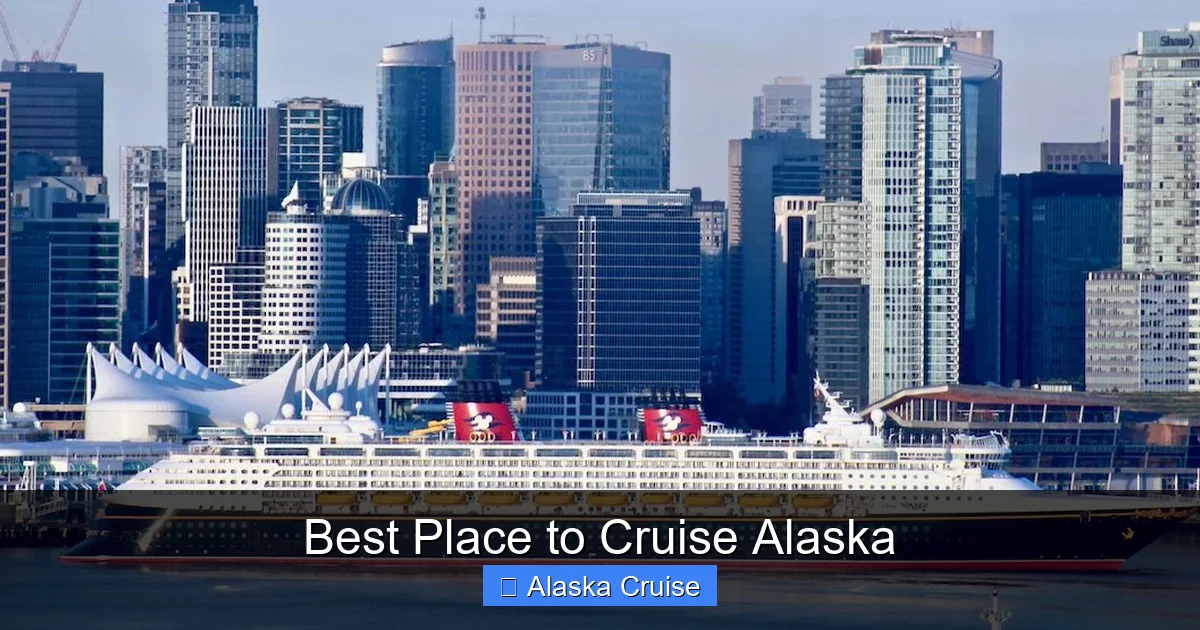
Alaska is one of the world’s most stunning cruise destinations, offering dramatic glaciers, abundant wildlife, and charming coastal towns. The best place to cruise Alaska depends on your interests, but the Inside Passage and Gulf of Alaska routes consistently deliver unforgettable experiences.
Key Takeaways
- Inside Passage is ideal for first-timers: This classic route features lush rainforests, fjords, and frequent wildlife sightings, making it perfect for travelers seeking scenic beauty and cultural stops.
- Gulf of Alaska offers glacier grandeur: Cruises extending into the Gulf provide access to massive tidewater glaciers like Hubbard and Glacier Bay, ideal for nature lovers and photographers.
- Juneau, Skagway, and Ketchikan are must-visit ports: These towns offer rich history, outdoor adventures, and authentic Alaskan culture, enhancing your cruise experience.
- Best time to cruise is May to September: Summer months offer mild weather, longer daylight hours, and peak wildlife activity, maximizing your chances to see bears, whales, and eagles.
- Choose your cruise line based on style: From luxury liners to small expedition ships, different cruise lines cater to various preferences, budgets, and activity levels.
- Pack layers and rain gear: Alaska’s weather is unpredictable, so dressing in layers and bringing waterproof clothing ensures comfort in any condition.
- Book excursions in advance: Popular activities like whale watching, dog sledding, and glacier hikes fill up quickly, so reserve early for the best experience.
📑 Table of Contents
- Why Alaska Should Be on Your Cruise Bucket List
- Understanding Alaska Cruise Routes: Inside Passage vs. Gulf of Alaska
- Top Ports of Call: Where to Go and What to Do
- Best Time to Cruise Alaska: Timing Your Adventure
- Choosing the Right Cruise Line and Ship
- Packing Tips and What to Expect Onboard
- Making the Most of Your Shore Excursions
- Conclusion: Why Alaska Is the Ultimate Cruise Destination
Why Alaska Should Be on Your Cruise Bucket List
Alaska isn’t just a destination—it’s a journey into the wild heart of North America. With its towering snow-capped peaks, icy blue glaciers, and dense coastal rainforests, this rugged frontier offers a cruise experience unlike any other. Whether you’re gazing at a breaching humpback whale, hiking through a misty temperate rainforest, or sipping coffee while a glacier calves into the sea, Alaska delivers moments that feel almost cinematic.
What makes Alaska truly special is its untouched natural beauty. Unlike many cruise destinations, Alaska isn’t about bustling cities or tropical beaches. Instead, it’s about raw, awe-inspiring landscapes and encounters with wildlife that remind you of the planet’s wild spirit. From the moment your ship glides into a fjord surrounded by 3,000-foot cliffs, you’ll understand why so many travelers call an Alaska cruise a once-in-a-lifetime adventure.
And the best part? You don’t need to be an outdoor expert to enjoy it. Modern cruise ships offer luxurious comfort while navigating some of the most remote and beautiful waters on Earth. Whether you’re lounging on your balcony with a blanket or joining a guided shore excursion, Alaska invites you to slow down, look up, and truly connect with nature.
Understanding Alaska Cruise Routes: Inside Passage vs. Gulf of Alaska
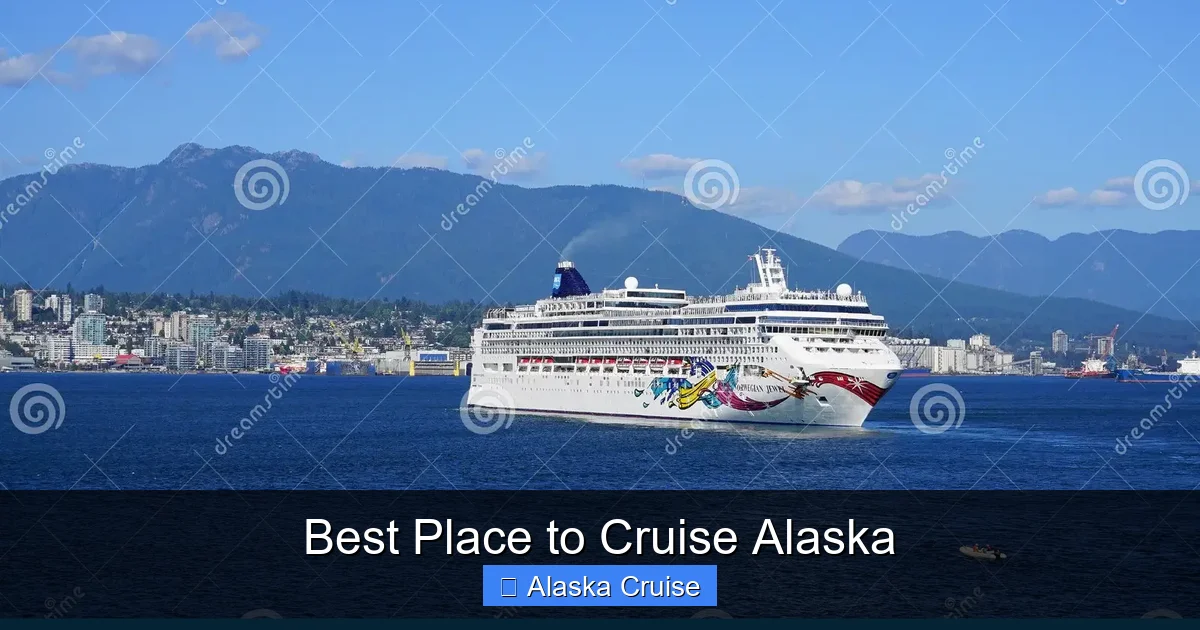
Visual guide about Best Place to Cruise Alaska
Image source: thumbs.dreamstime.com
When planning your Alaska cruise, one of the first decisions you’ll make is choosing your route. The two main options—Inside Passage and Gulf of Alaska—each offer unique experiences, and understanding the difference is key to finding the best place to cruise Alaska for your interests.
Inside Passage: The Classic Alaska Experience
The Inside Passage is the most popular route for first-time Alaska cruisers. Stretching from Seattle or Vancouver up through southeastern Alaska, this journey winds through a maze of narrow waterways, lush islands, and coastal towns. It’s known for its calm waters, frequent wildlife sightings, and access to charming ports like Ketchikan, Juneau, and Skagway.
One of the biggest draws of the Inside Passage is its accessibility. Ships can navigate close to shore, offering unobstructed views of towering evergreens, cascading waterfalls, and snow-dusted mountains. Wildlife is abundant here—you might spot bald eagles perched in tall trees, sea lions lounging on rocky outcrops, or even a black bear foraging along the shoreline.
Ports along this route are rich in history and culture. Ketchikan, known as the “Salmon Capital of the World,” offers boardwalk tours through the historic Creek Street district and opportunities to learn about Native Alaskan totem poles. Juneau, the state capital, sits nestled between mountains and sea, with easy access to Mendenhall Glacier and whale-watching tours. Skagway brings the Gold Rush era to life with wooden boardwalks, historic saloons, and the famous White Pass & Yukon Route railway.
Because the Inside Passage is well-traveled, it’s also the most family-friendly route. Ships often offer kid-friendly activities, and shore excursions range from gentle nature walks to more adventurous ziplining or kayaking. If you’re looking for a balanced mix of scenery, culture, and comfort, the Inside Passage is the best place to cruise Alaska for a relaxed, scenic journey.
Gulf of Alaska: Glaciers, Wilderness, and Grandeur
For travelers seeking a more dramatic and remote experience, the Gulf of Alaska route delivers. These cruises typically begin or end in Seward or Whittier (near Anchorage) and venture into the Gulf, offering access to some of Alaska’s most iconic natural wonders—like Glacier Bay National Park and Hubbard Glacier.
The Gulf route is longer and often includes a one-way itinerary, meaning you’ll fly into one port and out of another. This allows for a deeper exploration of Alaska’s wild interior. One of the highlights is cruising through Glacier Bay, a UNESCO World Heritage Site where massive glaciers calve icebergs into the bay. The silence of the fjord, broken only by the thunderous crack of ice falling into the water, is unforgettable.
Hubbard Glacier, one of the largest tidewater glaciers in North America, is another showstopper. At over 7 miles wide and 300 feet high, it’s a breathtaking sight. Some ships even get close enough for passengers to feel the chill of the ice and hear the glacier “sing” as it shifts and groans.
Ports on this route include Seward, where you can visit Kenai Fjords National Park and take a boat tour to see sea otters, puffins, and orcas. Whittier, though smaller, offers access to Prince William Sound, known for its pristine waters and abundant marine life. These destinations are less touristy than those on the Inside Passage, offering a more rugged, authentic Alaskan experience.
If you’re drawn to glaciers, remote landscapes, and a sense of adventure, the Gulf of Alaska is the best place to cruise Alaska for a truly epic journey.
Top Ports of Call: Where to Go and What to Do
No Alaska cruise is complete without exploring its vibrant ports. Each stop offers something unique, from historic gold rush towns to Indigenous cultural centers and wildlife-rich national parks. Here are the must-visit ports that define the best place to cruise Alaska.
Juneau: The Capital with a Wild Heart
Juneau is the only U.S. state capital that can’t be reached by road—making it a true Alaskan adventure. Accessible only by air or sea, this coastal city blends urban charm with untamed wilderness. Nestled between the Gastineau Channel and towering mountains, Juneau offers easy access to some of Alaska’s most famous natural attractions.
One of the top things to do in Juneau is visit the Mendenhall Glacier. Just 12 miles from downtown, this 13-mile-long glacier is one of the most accessible in Alaska. You can walk the trails around the visitor center, take a guided glacier hike, or even kayak near the ice. The nearby Nugget Falls adds to the scenic beauty, cascading down a rocky cliff beside the glacier.
Whale watching is another Juneau highlight. Humpback whales migrate through these waters from May to September, and boat tours often get close enough to hear them breathe and see them breach. Many tours also spot orcas, sea lions, and porpoises.
For culture lovers, the Alaska State Museum offers fascinating exhibits on Native Alaskan history, gold mining, and natural science. And if you’re feeling adventurous, consider a helicopter tour that lands on a glacier—complete with dog sledding on the ice!
Skagway: Step Back into the Gold Rush Era
Skagway looks like it’s been frozen in time since the late 1800s. This small town was once the gateway to the Klondike Gold Rush, and today, its wooden boardwalks, false-front buildings, and historic saloons transport visitors to a bygone era.
One of the most popular activities in Skagway is riding the White Pass & Yukon Route Railway. This narrow-gauge railroad climbs 2,865 feet in just 20 miles, offering breathtaking views of steep cliffs, waterfalls, and alpine valleys. The train ride is both scenic and historic, following the same route stampeders took over a century ago.
For outdoor enthusiasts, Skagway offers excellent hiking, ziplining, and river rafting. The Chilkoot Trail, a historic route used by gold seekers, is available for day hikes or multi-day treks. And if you’re visiting in summer, don’t miss the daily performance of “The Days of ’98 Show,” a humorous and entertaining play about Skagway’s wild past.
Ketchikan: Gateway to Native Culture and Rainforest
Known as the “Salmon Capital of the World,” Ketchikan is a vibrant port town built on stilts over the water. It’s famous for its colorful totem poles, thriving art scene, and lush rainforest surroundings.
One of the best ways to experience Ketchikan is by visiting Totem Bight State Historical Park. Here, you’ll find a collection of restored and re-carved totem poles that tell the stories of Native Alaskan clans. The park also features a traditional clan house and interpretive center.
For a taste of local life, stroll down Creek Street, a historic boardwalk that once housed brothels during the fishing boom. Today, it’s lined with art galleries, souvenir shops, and restaurants serving fresh seafood. Don’t miss trying a salmon burger or halibut tacos.
Nature lovers can take a guided rainforest walk, go kayaking in Tongass National Forest, or take a floatplane tour to view waterfalls and wildlife from above. Ketchikan is also a great spot for fishing charters—whether you’re after salmon, halibut, or trout.
Seward and Whittier: Portals to the Gulf’s Wonders
While not as touristy as the Inside Passage ports, Seward and Whittier are essential stops on Gulf of Alaska cruises. Both serve as gateways to some of the state’s most spectacular national parks and wildlife areas.
Seward is the gateway to Kenai Fjords National Park. From here, you can take a boat tour into the fjords to see calving glaciers, sea otters, puffins, and even orcas. The town itself has a laid-back vibe, with art galleries, seafood shacks, and a scenic harbor.
Whittier is a small, quirky town accessible through a tunnel that’s one of the few in the world that allows both cars and trains. It’s the gateway to Prince William Sound, a pristine marine wilderness filled with glaciers, waterfalls, and marine life. Many cruises offer day trips from Whittier to see Columbia Glacier or take a kayak tour among icebergs.
Best Time to Cruise Alaska: Timing Your Adventure
Choosing the right time to cruise Alaska can make a big difference in your experience. The official cruise season runs from May to September, but each month offers something unique.
May and June: Shoulder Season Advantages
May and early June are considered shoulder season—meaning fewer crowds and lower prices. The weather is cooler, but the landscapes are lush and green, and wildlife is very active. Bears are often seen foraging along the coast, and migratory birds are returning.
One of the biggest perks of cruising in May is the long daylight hours. You’ll have up to 18 hours of daylight, giving you more time to explore and enjoy the scenery. However, some shore excursions may be limited due to lingering snow or trail conditions.
July and August: Peak Season for Families
July and August are the most popular months to cruise Alaska. The weather is warmest, with daytime temperatures in the 60s and 70s Fahrenheit. This is also the best time for whale watching, as humpbacks are frequently spotted feeding in the nutrient-rich waters.
Families often choose this time because schools are out, and many cruise lines offer special kids’ programs. However, popular excursions—like helicopter glacier landings or dog sledding—book up quickly, so it’s wise to reserve in advance.
September: Fall Colors and Fewer Crowds
September is a hidden gem for Alaska cruisers. The summer crowds have thinned, but the weather is still mild, and the fall colors are stunning. The mountains turn golden and red, creating a breathtaking backdrop for your cruise.
Wildlife is still active in September, and you may have better chances of seeing bears preparing for hibernation. Some cruise lines also offer special fall-themed itineraries with cultural events and local festivals.
Choosing the Right Cruise Line and Ship
With so many cruise lines offering Alaska itineraries, picking the right one can feel overwhelming. The best place to cruise Alaska isn’t just about the route—it’s also about the experience on board.
Luxury and Small Ship Options
If you prefer a more intimate, immersive experience, consider a small ship or luxury cruise. Lines like Seabourn, Silversea, and UnCruise Adventures offer smaller vessels that can navigate narrow fjords and remote bays. These cruises often include expert naturalists, gourmet dining, and personalized service.
Small ships also allow for unique excursions, like kayaking among icebergs or hiking in restricted areas. While more expensive, these cruises offer a deeper connection to Alaska’s wilderness.
Mainstream and Family-Friendly Cruises
For families or first-time cruisers, mainstream lines like Holland America, Princess, and Norwegian Cruise Line offer excellent Alaska itineraries. These ships are larger and more stable, with a wide range of dining, entertainment, and kids’ activities.
Many of these lines also offer themed cruises—like culinary tours or photography workshops—that enhance the Alaska experience. They’re a great option if you want comfort, variety, and a mix of relaxation and adventure.
Expedition and Adventure Cruises
For the truly adventurous, expedition cruises with lines like Lindblad Expeditions or National Geographic offer a more rugged, educational experience. These ships focus on wildlife, geology, and conservation, with expert guides leading Zodiac tours and shore landings.
While less luxurious, these cruises get you closer to nature and often visit off-the-beaten-path locations. They’re ideal for travelers who want to learn and explore at a deeper level.
Packing Tips and What to Expect Onboard
Packing for an Alaska cruise requires a bit of strategy. The weather can change quickly, and you’ll want to be prepared for everything from sunny days to sudden rainstorms.
Layering Is Key
The golden rule for Alaska is to dress in layers. Mornings on deck can be chilly, especially when cruising near glaciers, but afternoons in port might be warm and sunny. Pack a base layer (like moisture-wicking thermal wear), a mid-layer (fleece or sweater), and a waterproof outer shell.
Don’t forget a warm hat, gloves, and a scarf—even in summer, it can get cold on the water. Waterproof boots with good grip are also essential for shore excursions.
Don’t Forget the Essentials
Bring binoculars for wildlife viewing, a reusable water bottle, and sunscreen—yes, even in Alaska, the sun can be strong, especially on snow and water. A small daypack is handy for carrying snacks, cameras, and extra layers during excursions.
Most cruise ships have laundry facilities, so you don’t need to overpack. And remember, many excursions provide gear—like rain jackets or hiking poles—so check what’s included before you go.
Onboard Experience: Dining, Entertainment, and Enrichment
Modern Alaska cruise ships offer a surprising level of comfort and entertainment. Expect multiple dining venues, from casual buffets to specialty restaurants serving fresh seafood. Many ships also offer cooking demonstrations featuring local ingredients like salmon and halibut.
Evening entertainment often includes lectures by naturalists, cultural performances, and live music. Some ships even have planetariums or glass-bottom observatories for stargazing.
Enrichment programs are a big part of the Alaska cruise experience. Look for talks on glaciers, wildlife, and Native Alaskan culture. These sessions help you understand what you’re seeing and deepen your appreciation for the region.
Making the Most of Your Shore Excursions
Shore excursions are one of the best ways to experience Alaska’s highlights. But with so many options, it’s important to choose wisely.
Book Early for Popular Activities
Excursions like whale watching, glacier hiking, and dog sledding are in high demand. Book as soon as your cruise line opens reservations—often 6 to 12 months in advance.
Match Activities to Your Interests and Fitness Level
Not all excursions are created equal. If you’re not an avid hiker, skip the strenuous glacier trek and opt for a scenic train ride or wildlife cruise instead. Many lines offer excursions labeled by activity level, so choose accordingly.
Consider Independent Tours
While cruise-line excursions are convenient, independent tours can sometimes offer better value and more personalized experiences. Just make sure they’re reputable and allow enough time to return to the ship.
Conclusion: Why Alaska Is the Ultimate Cruise Destination
Alaska isn’t just a place—it’s a feeling. It’s the crisp air as a glacier calves in front of you, the sight of a bear catching salmon in a rushing stream, the quiet awe of standing in a rainforest older than civilization. Whether you choose the scenic Inside Passage or the dramatic Gulf of Alaska, the best place to cruise Alaska is wherever your sense of wonder leads you.
With its mix of natural beauty, rich culture, and unforgettable adventures, an Alaska cruise offers something for everyone. From families to solo travelers, luxury seekers to outdoor enthusiasts, this is a destination that leaves a lasting impression. So pack your layers, bring your camera, and get ready to discover why Alaska remains one of the world’s most beloved cruise destinations.
Frequently Asked Questions
What is the best month to cruise Alaska?
The best time to cruise Alaska is from June to August, when the weather is warmest and wildlife is most active. However, May and September offer fewer crowds and lower prices, making them great alternatives.
Do I need a passport for an Alaska cruise?
If your cruise departs and returns to the same U.S. port (like Seattle or Vancouver), a passport is not required but highly recommended. For cruises that visit Canada or end in a different port, a passport is mandatory.
Can I see the Northern Lights on an Alaska cruise?
The Northern Lights are rarely visible during the summer cruise season due to nearly 24-hour daylight. For the best chance to see them, visit Alaska in late fall or winter, outside of the typical cruise season.
Are Alaska cruises suitable for families?
Yes, many cruise lines offer family-friendly Alaska itineraries with kids’ clubs, educational programs, and age-appropriate excursions. The Inside Passage route is especially popular with families.
What wildlife can I expect to see on an Alaska cruise?
Common sightings include humpback and orca whales, sea lions, bald eagles, black bears, and puffins. Wildlife varies by location and season, but guided tours increase your chances of spotting animals.
How much should I budget for an Alaska cruise?
Prices vary by cruise line, cabin type, and itinerary, but expect to pay $100–$300 per person per day. Add $50–$150 per day for excursions, drinks, and gratuities. Booking early can save money.