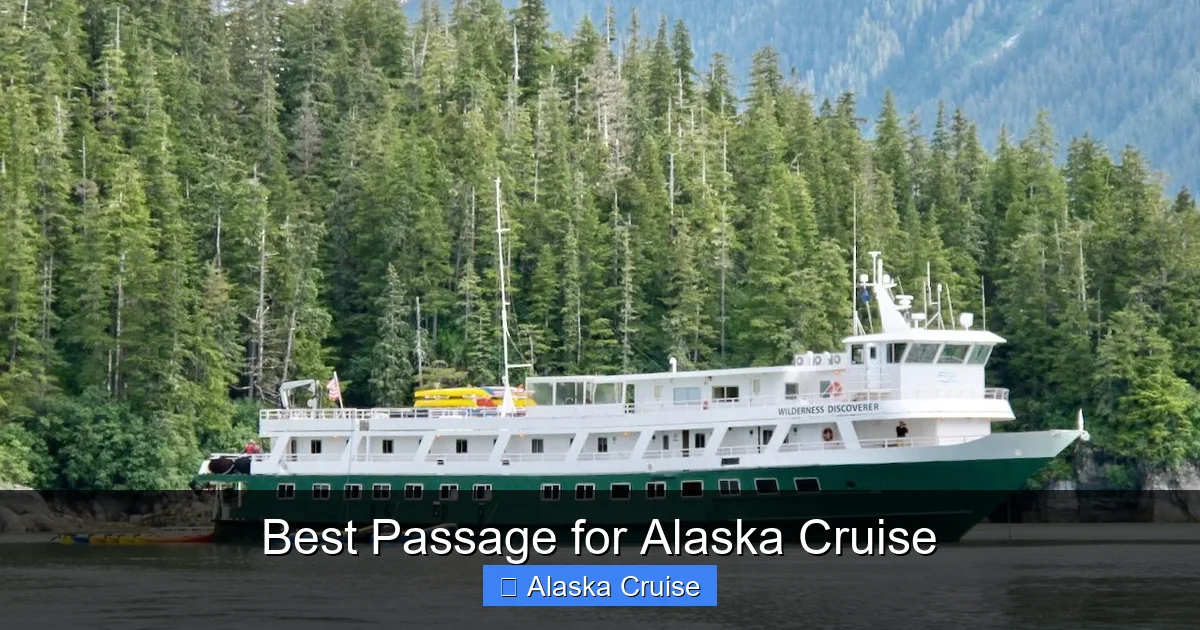
Choosing the best passage for Alaska cruise means balancing breathtaking scenery, wildlife sightings, and port experiences. Whether you sail the Inside Passage or venture into the Gulf of Alaska, each route offers unique wonders—glaciers, towns, and wild coastlines.
Dreaming of icy fjords, towering glaciers, and bald eagles soaring above misty forests? An Alaska cruise might just be the adventure of a lifetime. But with so many routes and itineraries to choose from, how do you pick the best passage for Alaska cruise? The answer depends on what you want to see, how much time you have, and your travel style.
Alaska’s coastline is over 6,000 miles long—longer than all other U.S. states combined—and its waters are teeming with natural wonders. From the lush greenery of the Inside Passage to the raw power of the Gulf of Alaska, each route tells a different story. Some cruises focus on cultural immersion in historic towns, while others prioritize wildlife and glacier viewing. The good news? No matter which path you take, you’re in for unforgettable moments—whether it’s watching a glacier calve into the sea or spotting a humpback whale breach just off the ship’s bow.
But before you start packing your parka and binoculars, it’s important to understand the differences between the main cruise passages. This guide will walk you through the top routes, highlight must-see stops, and help you decide which journey fits your ideal Alaska adventure.
Key Takeaways
- Inside Passage is ideal for first-timers: This classic route offers calm waters, lush rainforests, and charming ports like Juneau and Ketchikan.
- Gulf of Alaska cruises offer glacier grandeur: Longer voyages reach Hubbard Glacier and College Fjord, with dramatic ice calving and remote wilderness.
- Roundtrip vs. one-way itineraries matter: Roundtrip cruises from Seattle or Vancouver are convenient; one-way trips (e.g., Seattle to Seward) allow deeper exploration.
- Wildlife viewing peaks in summer: May to September offers the best chances to see whales, bears, and puffins.
- Small ships access hidden gems: Boutique vessels can dock in lesser-known ports like Haines or Sitka for a more intimate experience.
- Weather and sea conditions vary: Coastal routes are generally calmer, while open-water passages may be rougher—pack layers and motion sickness remedies.
- Book excursions early: Popular activities like glacier hikes or whale watching fill up fast, especially in peak season.
📑 Table of Contents
Understanding Alaska Cruise Routes
When planning your Alaska cruise, the first decision is choosing your route. The two primary passages are the Inside Passage and the Gulf of Alaska, each offering distinct experiences.
Inside Passage: The Classic Coastal Journey
The Inside Passage is the most popular route for Alaska cruises, especially for first-time visitors. This protected waterway hugs the coastline of British Columbia and southeastern Alaska, offering calm seas, stunning mountain backdrops, and easy access to charming ports.
Starting from cities like Seattle, Washington, or Vancouver, British Columbia, ships glide through narrow channels flanked by dense temperate rainforests. The journey typically includes stops in Ketchikan, Juneau, Skagway, and sometimes Haines or Sitka. These towns are rich in Native Alaskan culture, gold rush history, and outdoor adventure.
One of the biggest advantages of the Inside Passage is its accessibility. Most major cruise lines—including Carnival, Norwegian, and Princess—offer 7-day roundtrip itineraries from Seattle or Vancouver. These cruises are ideal for travelers who want a taste of Alaska without committing to a longer voyage.
Gulf of Alaska: The Open-Water Adventure
For those seeking a more immersive and dramatic experience, the Gulf of Alaska route is the way to go. These cruises often begin in Seattle or Vancouver and end in Seward or Whittier (near Anchorage), or vice versa. This one-way journey allows for deeper exploration and access to remote natural wonders.
The Gulf of Alaska passage ventures into open waters, where ships can encounter larger waves—so if you’re prone to seasickness, be prepared. But the payoff is immense. This route includes visits to Hubbard Glacier, one of the largest tidewater glaciers in North America, and College Fjord, home to dozens of towering glaciers named after Ivy League schools.
Ports like Seward and Whittier serve as gateways to Kenai Fjords National Park, where you can take a boat tour among icebergs and sea otters. Some itineraries also include a stop in Valdez, known as the “Switzerland of Alaska” for its dramatic mountain scenery.
Roundtrip vs. One-Way Itineraries
Another key factor in choosing your passage is whether to book a roundtrip or one-way cruise.
Roundtrip cruises are convenient and cost-effective. You depart and return from the same city—usually Seattle or Vancouver—making travel logistics simpler. These cruises typically follow the Inside Passage and are perfect for travelers with limited time.
One-way cruises, on the other hand, offer a more expansive journey. Flying into one city and out of another allows you to cover more ground and experience both coastal and inland Alaska. For example, a Seattle-to-Seward cruise might include a post-cruise land tour to Denali National Park, giving you the full Alaska experience.
Top Ports of Call on the Best Alaska Cruise Routes
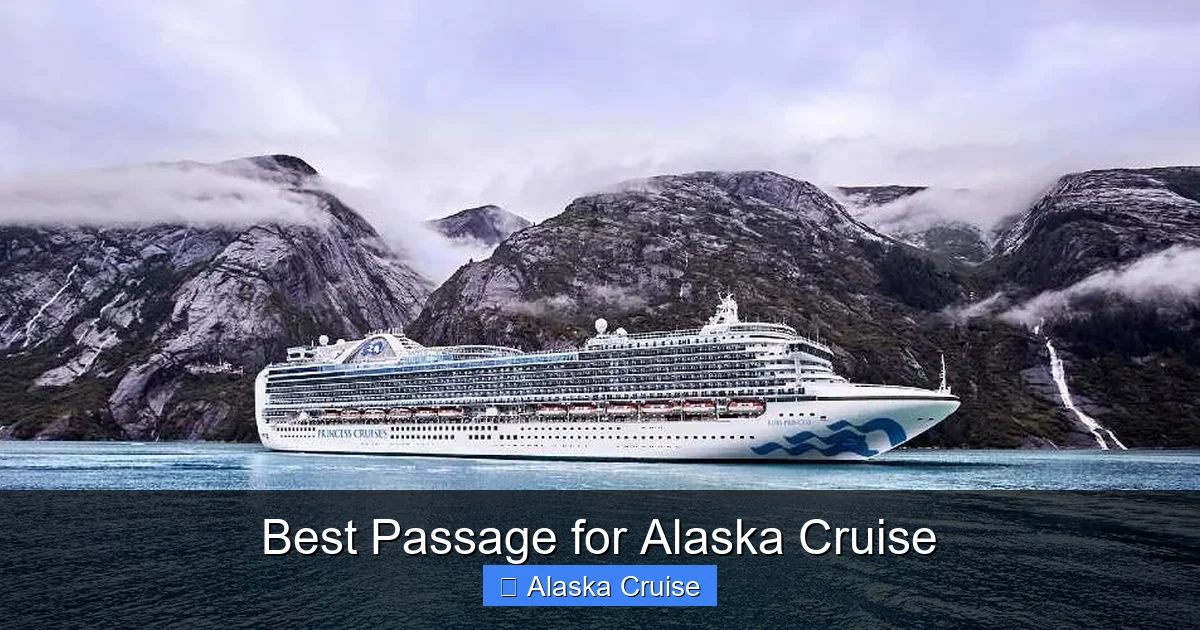
Visual guide about Best Passage for Alaska Cruise
Image source: cruiseagency.com.au
No matter which passage you choose, Alaska’s ports are where the real magic happens. Each stop offers unique activities, wildlife, and cultural experiences. Here are some of the most popular destinations and what makes them special.
Ketchikan: The Salmon Capital of the World
Ketchikan is often the first stop on Inside Passage cruises, and it’s easy to see why. Nestled on the edge of the Tongass National Forest—the largest national forest in the U.S.—this town is a gateway to pristine wilderness.
Visitors love Ketchikan for its vibrant Native Alaskan culture. The Totem Heritage Center and nearby Totem Bight State Historical Park showcase intricately carved totem poles that tell stories of clans and legends.
Outdoor enthusiasts can take a guided kayak tour through Misty Fjords National Monument, where waterfalls cascade down granite cliffs. Or, hop on a floatplane for a scenic flight over the fjords. And of course, no visit is complete without trying fresh salmon at a local eatery.
Juneau: Alaska’s Capital City
Juneau is the only state capital in the U.S. that’s not accessible by road—you can only reach it by boat or plane. This isolation has preserved its wild charm and natural beauty.
One of Juneau’s biggest draws is the Mendenhall Glacier, a 13-mile-long river of ice just 12 miles from downtown. Visitors can walk the trails around the glacier, spot black bears fishing for salmon, or take a guided ice trek across the frozen surface.
Whale watching is another Juneau highlight. Humpback whales are commonly seen in the waters around Auke Bay, and many cruise lines offer onboard naturalist talks to help you identify different species.
Skagway: Gateway to the Klondike
Step back in time in Skagway, a Gold Rush-era town that still feels like it’s stuck in the 1890s. Wooden boardwalks, historic saloons, and costumed interpreters bring the past to life.
The main attraction here is the White Pass & Yukon Route Railway, a narrow-gauge steam train that climbs 2,865 feet through the mountains. The journey offers jaw-dropping views of waterfalls, glaciers, and sheer cliffs.
For the adventurous, there are hiking trails, dog sledding experiences, and even opportunities to pan for gold. Skagway is also a popular starting point for excursions into the remote wilderness of the Yukon Territory.
Seward and Whittier: Portals to Kenai Fjords
These twin ports on the Gulf of Alaska route serve as gateways to Kenai Fjords National Park. Seward is the more developed of the two, with a charming downtown and easy access to Exit Glacier.
From either port, you can take a boat tour into the fjords, where you’ll glide past towering glaciers, sea lions, and puffins. Some tours even offer the chance to see orcas or humpback whales feeding in the nutrient-rich waters.
Whittier, meanwhile, is known for its unique tunnel—the Anton Anderson Memorial Tunnel—which is the only road access to the town and also serves freight trains. It’s a quirky but functional piece of Alaskan infrastructure.
Wildlife and Natural Wonders Along the Way
One of the biggest reasons people choose an Alaska cruise is the chance to see wildlife in its natural habitat. From the deck of your ship or during shore excursions, you’ll have countless opportunities to spot animals big and small.
Whales, Seals, and Sea Lions
Alaska’s coastal waters are a hotspot for marine mammals. Humpback whales are the stars of the show, often seen breaching or slapping their tails on the surface. Orcas, or killer whales, are also common, especially in the Inside Passage.
Steller sea lions and harbor seals bask on rocky outcrops, while sea otters float on their backs, using rocks to crack open shellfish. Keep your camera ready—these moments happen fast!
Bears, Eagles, and Land Wildlife
On land, black bears and brown bears are frequently spotted along riverbanks, especially during salmon runs. In places like Pack Creek on Admiralty Island, you can watch bears fish from a safe distance.
Bald eagles are everywhere in Alaska—perched on treetops, soaring overhead, or snatching fish from the water. The state has the largest population of bald eagles in the U.S., and they’re a common sight along the cruise route.
Other land animals include moose, mountain goats, and Sitka black-tailed deer. While you’re less likely to see them from the ship, guided hikes and wildlife tours increase your chances.
Glaciers and Icebergs
No Alaska cruise is complete without seeing a glacier up close. The Inside Passage features several notable glaciers, including the Sawyer Glaciers in Tracy Arm and the Margerie Glacier in Glacier Bay National Park.
The Gulf of Alaska route offers even more dramatic ice experiences. Hubbard Glacier, which calves massive icebergs into the sea, is a must-see. Some ships even position themselves for hours so passengers can watch the glacier’s slow, powerful movement.
When ice breaks off, it forms icebergs that float through the fjords. These frozen sculptures come in all shapes and sizes, often tinted blue from centuries of compressed snow.
Choosing the Right Cruise Line and Ship
With so many cruise lines offering Alaska itineraries, it’s important to pick one that matches your travel style.
Mainstream Cruise Lines
Lines like Carnival, Royal Caribbean, and Norwegian offer large ships with plenty of onboard amenities—pools, theaters, multiple dining options, and kids’ clubs. These cruises are great for families and first-time cruisers who want a mix of relaxation and activity.
However, larger ships may not be able to dock in smaller ports or get as close to glaciers due to their size.
Premium and Luxury Lines
For a more refined experience, consider Holland America, Princess, or Celebrity Cruises. These lines offer larger staterooms, enhanced dining, and more personalized service. Many also include naturalist lectures and cultural programs.
Luxury lines like Seabourn, Silversea, and Regent Seven Seas provide all-inclusive experiences with gourmet food, spacious suites, and expert guides. These cruises often feature smaller ships that can access remote areas.
Small Ship and Expedition Cruises
If you’re looking for an intimate, adventure-focused journey, small ship cruises are the way to go. Companies like UnCruise Adventures, Lindblad Expeditions, and Alaskan Dream Cruises operate vessels with fewer than 100 passengers.
These ships can navigate narrow channels, anchor in secluded coves, and offer hands-on activities like kayaking, hiking, and Zodiac tours. They’re ideal for nature lovers and photographers who want to get off the beaten path.
Packing Tips and Practical Advice
Alaska’s weather can be unpredictable, even in summer. To make the most of your cruise, pack smart.
Layering is Key
Temperatures can range from 40°F to 70°F (4°C to 21°C) during the day, with cooler evenings. Bring a waterproof jacket, fleece layers, and moisture-wicking base layers. A warm hat and gloves are also recommended for glacier days.
Footwear Matters
Comfortable, waterproof shoes are essential for shore excursions. Hiking boots or sturdy sneakers with good grip will serve you well on trails and wet docks.
Don’t Forget the Essentials
Binoculars are a must for wildlife viewing. A compact camera with a zoom lens will help you capture distant glaciers and animals. And don’t forget sunscreen—yes, even in Alaska! The sun reflects off the water and ice, increasing UV exposure.
Motion Sickness Precautions
While the Inside Passage is generally calm, open-water passages can be rougher. If you’re prone to seasickness, bring medication or consider acupressure bands. Choose a midship cabin on a lower deck for the smoothest ride.
Best Time to Cruise Alaska
The Alaska cruise season runs from May to September, with each month offering something unique.
May and June: Quiet and Green
Early season cruises are less crowded and often less expensive. The landscape is lush and green, and wildlife is active. However, some excursions may be limited due to lingering snow.
July and August: Peak Season
These are the most popular months, with warmest weather and longest daylight hours. All excursions are available, and wildlife is abundant. But expect larger crowds and higher prices.
September: Fall Colors and Fewer Crowds
Late-season cruises offer stunning fall foliage, fewer tourists, and lower fares. Wildlife is still active, and the weather is often mild. However, some ports may begin closing for the season.
Conclusion
Choosing the best passage for Alaska cruise comes down to your priorities. If you want a classic, family-friendly experience with easy access to charming towns, the Inside Passage is your best bet. For a more adventurous journey with dramatic glaciers and remote wilderness, the Gulf of Alaska route delivers unmatched grandeur.
No matter which path you take, an Alaska cruise is a chance to witness one of the world’s last great frontiers. From the whisper of ice calving into the sea to the call of a bald eagle overhead, the memories you make will last a lifetime. So pack your bags, bring your sense of wonder, and get ready to sail into the wild heart of Alaska.
Frequently Asked Questions
What is the best passage for Alaska cruise for first-time visitors?
The Inside Passage is ideal for first-timers. It offers calm waters, easy access to major ports like Juneau and Ketchikan, and a mix of culture, wildlife, and scenery—all on a convenient 7-day roundtrip itinerary.
Can you see glaciers on an Inside Passage cruise?
Yes! While the Gulf of Alaska offers larger glaciers like Hubbard, the Inside Passage features stunning ice formations such as the Margerie Glacier in Glacier Bay and the Sawyer Glaciers in Tracy Arm.
Is Alaska cruise weather cold?
Not necessarily. Summer temperatures range from 50°F to 70°F (10°C to 21°C), but it can feel cooler on the water or near glaciers. Layering clothing is the best way to stay comfortable.
Do I need to book excursions in advance?
Yes, especially for popular activities like whale watching, glacier hikes, and dog sledding. These tours fill up quickly, particularly during peak season in July and August.
Are small ship cruises worth the extra cost?
If you love adventure and intimacy, yes. Small ships access remote areas, offer personalized service, and include hands-on activities like kayaking and Zodiac tours—perfect for nature enthusiasts.
Can you see wildlife from the ship?
Absolutely. Whales, seals, sea lions, and eagles are often spotted from the deck. Naturalists on board help identify species and share insights about Alaska’s ecosystems.