

The best part of ship for Alaska cruise is the open-air observation deck, especially at the bow or stern, where unobstructed views and crisp mountain air create unforgettable moments. Whether you’re spotting whales, glaciers, or snow-capped peaks, being outside with 360-degree visibility makes all the difference on an Alaskan voyage.
Key Takeaways
- Observation Decks Are King: The open-air decks—especially forward or aft—offer the best views of glaciers, wildlife, and fjords with minimal obstruction.
- Bow vs. Stern: Know the Difference: The bow (front) gives you a first look at upcoming scenery, while the stern (back) lets you reflect on what you’ve just passed.
- Higher Decks = Better Views: Upper decks provide elevated perspectives, ideal for seeing distant mountains and cruise ship traffic in narrow channels.
- Indoor Lounges with Floor-to-Ceiling Windows: When weather turns chilly, glass-walled lounges like the Crow’s Nest or Explorer’s Lounge offer warmth without sacrificing views.
- Private Balconies Offer Intimate Moments: If your cabin has a balcony, it’s a quiet retreat to enjoy morning coffee while watching wildlife drift by.
- Timing Matters: Early mornings and late afternoons often deliver the best lighting and calmest waters for photography and wildlife sightings.
- Dress in Layers: Even in summer, Alaska’s coastal climate can be brisk—being prepared means you can stay outside longer and enjoy the best views.
📑 Table of Contents
- Why Location on the Ship Makes All the Difference in Alaska
- The Observation Deck: Your Front-Row Seat to Alaska’s Grandeur
- Indoor Lounges: Warmth Without Sacrificing the View
- Private Balconies: Your Personal Alaskan Sanctuary
- Timing and Weather: Maximizing Your Viewing Experience
- Wildlife and Scenic Hotspots: Where to Be and When
- Final Thoughts: Making the Most of Your Alaskan Cruise
Why Location on the Ship Makes All the Difference in Alaska
Alaska isn’t just a destination—it’s a sensory experience. From the thunderous crack of calving glaciers to the silent glide of a humpback whale beneath icy waters, every moment feels cinematic. But to truly soak it all in, you need to be in the right place on the ship. Unlike tropical cruises where the pool deck rules, an Alaskan voyage rewards those who seek out panoramic vistas and quiet corners with unobstructed views. The best part of ship for Alaska cruise isn’t about luxury lounges or fancy amenities—it’s about connection: to the wild, to the weather, and to the raw beauty of the Last Frontier.
Think of your cruise ship as a moving observation platform. While you sleep, it glides through narrow fjords, past towering cliffs, and alongside icebergs that glow blue in the morning light. But if you’re stuck in an interior cabin or huddled under an umbrella at the pool, you’ll miss the magic. Alaska demands presence. It rewards those who brave the cool breeze with a thermos of coffee and a camera in hand. And that’s why choosing your spot wisely—whether it’s a windswept deck at sunrise or a cozy window seat as a glacier calves—can transform a good trip into a lifelong memory.
The Observation Deck: Your Front-Row Seat to Alaska’s Grandeur
If there’s one area that consistently earns the title of “best part of ship for Alaska cruise,” it’s the open-air observation deck. Most modern cruise ships feature multiple outdoor decks, but the ones at the front (bow) or back (stern) of the ship are particularly prized. These spaces are designed for sightseeing, with minimal railings, wide-open sightlines, and often benches or loungers for comfort. Whether you’re cruising through Glacier Bay or navigating the Inside Passage, these decks put you right in the heart of the action.
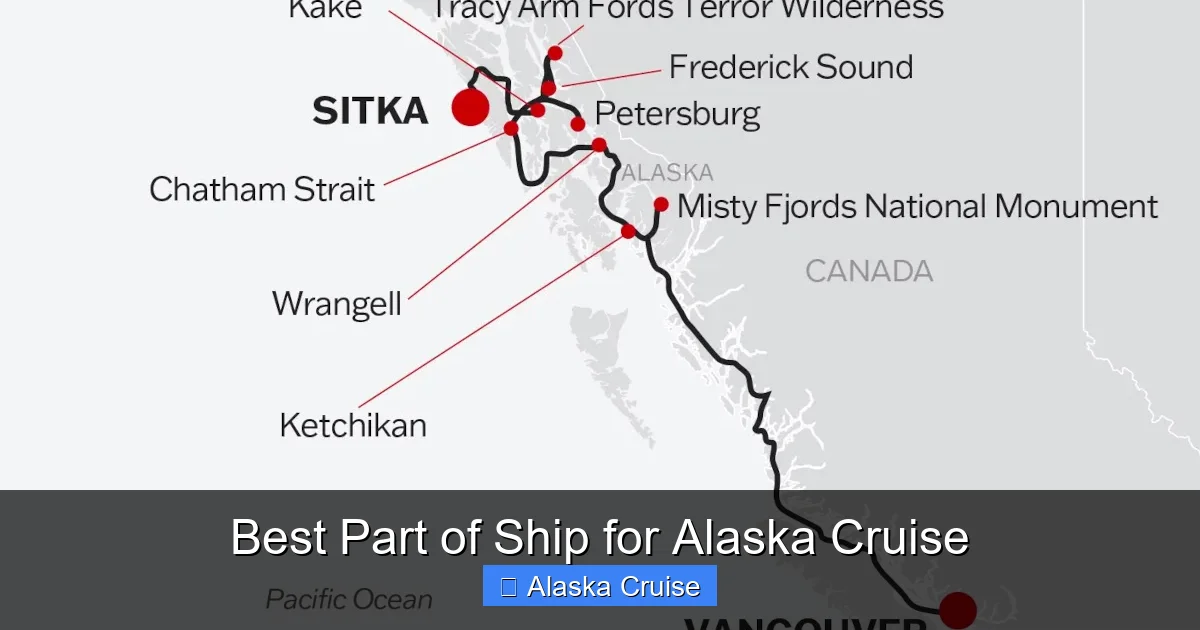
Visual guide about Best Part of Ship for Alaska Cruise
Image source: smallshipadventurecruises.com
Bow: The Pioneer’s View
The bow—the very front of the ship—is where you’ll get the first glimpse of what’s ahead. As the ship cuts through calm waters, you’re the first to see a pod of orcas surfacing, a bald eagle perched on a spruce tree, or the distant shimmer of a glacier. This spot is especially magical during scenic cruising days when the ship slows to a crawl. Imagine standing at the very tip, wind in your hair, as the ship approaches a towering wall of ice. It’s not just a view—it’s a moment of anticipation, of being on the edge of discovery.
Many travelers recommend arriving early to secure a spot at the bow, especially on days when the ship passes through iconic locations like Tracy Arm or Hubbard Glacier. Crew members often announce wildlife sightings over the ship’s speakers, and being at the front means you’ll hear them first and react quickly. Just remember: it can get windy up front, so bring a jacket even on sunny days.
Stern: The Reflective Perspective
While the bow offers forward momentum, the stern provides a sense of closure and reflection. Watching the ship’s wake ripple out behind you as you leave a fjord or glacier can be surprisingly meditative. It’s a way to process what you’ve just witnessed—the scale, the silence, the sheer power of nature. The stern is also a great spot for photography, especially during golden hour when the low sun casts long shadows across the water.
One advantage of the stern is that it’s often less crowded than the bow. While everyone rushes forward to see what’s coming, the aft deck remains a peaceful retreat. It’s also a prime location for spotting marine life. Whales often follow in the ship’s wake, curious about the giant vessel moving through their domain. If you’re lucky, you might see a tail fluke rise and fall just behind the ship—a perfect photo op from the stern.
Indoor Lounges: Warmth Without Sacrificing the View
Let’s be honest: Alaska isn’t always warm. Even in July, temperatures can hover in the 50s (°F), and wind chill near glaciers can make it feel much colder. That’s why indoor lounges with floor-to-ceiling windows are a close second to the outdoor decks. These spaces offer the best of both worlds: comfort and visibility. You can sip hot cocoa while watching icebergs float by, all without freezing your fingers off.
The Crow’s Nest: A Panoramic Perch
Found on ships like those operated by Holland America and Princess Cruises, the Crow’s Nest is an elevated lounge at the front of the ship, often on the top deck. With wraparound windows and a 180-degree view, it’s like being in a glass bubble above the sea. During scenic cruising, this is one of the most popular spots on board—and for good reason. You can see everything: the approaching shoreline, the distant mountains, and even the ship’s bow cutting through the water below.
The Crow’s Nest often features comfortable seating, a small bar, and sometimes even telescopes for closer inspection of wildlife. It’s a great place to meet fellow travelers, share stories, and compare photos. Just be prepared for crowds during peak viewing times. Arriving 30 minutes before a major sightseeing moment can make all the difference.
Explorer’s Lounge and Other Themed Spaces
Other cruise lines offer similar indoor viewing areas with unique themes. Norwegian Cruise Line’s ships often feature an “Observation Lounge” with plush seating and ambient lighting. Royal Caribbean’s “Sky Lounge” offers a more modern, minimalist vibe with panoramic views. These spaces are designed to enhance the Alaskan experience, often with local artwork, regional music, and even ranger-led talks during scenic cruising.
One tip: check the daily cruise newsletter for scheduled “Ranger Talks” or “Naturalist Presentations.” These are often held in indoor lounges and provide fascinating insights into the geology, wildlife, and history of the areas you’re passing through. It’s a great way to deepen your appreciation of what you’re seeing outside the window.
Private Balconies: Your Personal Alaskan Sanctuary
If you’re lucky enough to have a cabin with a private balcony, consider it your personal front-row seat to Alaska. Unlike shared decks, a balcony offers privacy, quiet, and the freedom to come and go as you please. Imagine waking up to the sound of waves lapping against the hull, stepping outside in your robe with a cup of coffee, and watching a sea otter float lazily past your window. That’s the magic of a balcony cabin on an Alaskan cruise.
Choosing the Right Balcony Cabin
Not all balconies are created equal. For the best experience, aim for a cabin on a higher deck (8 or above) and toward the front or back of the ship. These locations offer better views and less obstruction from lifeboats or other structures. Starboard (right) side cabins often provide better views when cruising northbound through the Inside Passage, while port (left) side cabins may be better on the return trip—though this can vary by itinerary.
Balcony cabins also tend to be quieter than interior or oceanview rooms, especially if you’re away from high-traffic areas like elevators or stairwells. The gentle rocking of the ship and the distant sound of waves can be incredibly soothing, making it easy to drift off to sleep with the sliding door slightly ajar.
Making the Most of Your Balcony
To truly enjoy your balcony, come prepared. Bring a small folding chair or cushion if the provided furniture is uncomfortable. A lightweight blanket can make early morning or evening sits more enjoyable. And don’t forget your camera—many of the best wildlife shots happen right outside your door.
One traveler shared how she watched a black bear amble along the shoreline from her balcony while sipping tea at 6 a.m. “It felt like a private show,” she said. “No crowds, no noise—just me, the bear, and the rising sun.” That’s the kind of moment a balcony can deliver.
Timing and Weather: Maximizing Your Viewing Experience
Even the best spot on the ship won’t matter if you’re there at the wrong time. Alaska’s beauty is fleeting—glaciers calve in seconds, whales breach and disappear, and fog can roll in without warning. To make the most of your cruise, timing is everything.
Early Mornings: The Quiet Hour
The early morning hours—especially between 6 and 8 a.m.—are often the most peaceful and visually stunning. The light is soft and golden, the water is calm, and wildlife is most active. Many animals, including whales and sea lions, feed at dawn, increasing your chances of a sighting. Plus, the decks are less crowded, giving you more space to enjoy the views.
Try setting your alarm for sunrise on scenic cruising days. Even if you’re not a morning person, the reward is worth it. Bring a thermos of coffee or tea, bundle up, and head to your favorite spot. You’ll likely have the deck to yourself—and the experience will be all the more memorable.
Late Afternoons and Evenings: Golden Hour Magic
As the day winds down, the light changes, casting long shadows and warming the landscape. This is prime time for photography, especially when the sun hits the glaciers or mountain peaks. The water often calms in the evening, creating mirror-like reflections that double the beauty of the scene.
Evenings are also when many ships host special events—like glacier-viewing parties or wildlife bingo—so check the schedule. These events often include hot drinks, blankets, and expert commentary, making the experience even more enjoyable.
Weather Preparedness: Dress for Success
Alaska’s weather can be unpredictable. One moment it’s sunny and calm; the next, a cold wind sweeps in off the water. To stay comfortable and make the most of your time outside, dress in layers. A base layer, insulating mid-layer (like a fleece), and a waterproof outer shell are ideal. Don’t forget a hat, gloves, and non-slip shoes—deck surfaces can be wet and slippery.
Many travelers recommend bringing a compact travel blanket or a lightweight down vest. These can be easily stowed in a tote bag and pulled out when needed. And if you’re prone to motion sickness, consider a spot near the middle of the ship, where movement is less pronounced.
Wildlife and Scenic Hotspots: Where to Be and When
Alaska’s cruise routes are carefully designed to showcase the region’s most dramatic landscapes and abundant wildlife. Knowing where to be—and when—can greatly enhance your experience.
Glacier Bay and Hubbard Glacier: The Ice Giants
These are the crown jewels of any Alaskan cruise. Glacier Bay National Park and Hubbard Glacier are must-see destinations, and the ship typically slows to a crawl as it approaches. This is when the observation decks fill up fast. Arrive early to secure a good spot, and keep your camera ready—calving events can happen at any moment.
At Hubbard Glacier, the ship often stops within a mile of the ice face, allowing passengers to hear the groans and cracks of the glacier as it shifts. The air grows colder, and the silence is profound. It’s a humbling reminder of nature’s power.
Inside Passage: A Tapestry of Fjords and Forests
The Inside Passage is a network of waterways that wind through lush rainforests, past towering cliffs, and alongside remote communities. This is prime whale-watching territory, especially for humpbacks and orcas. Keep your eyes peeled for spouts on the horizon—once you spot one, others often follow.
Bald eagles are common here, often seen perched on tall trees or soaring overhead. Sea lions bask on rocky outcrops, and porpoises sometimes play in the ship’s wake. The combination of wildlife and scenery makes the Inside Passage one of the most rewarding parts of the journey.
Tracy Arm and Endicott Arm: Narrow and Dramatic
These fjords are narrower and more intimate than Glacier Bay, with steep granite walls rising thousands of feet on either side. Icebergs—some as large as houses—float in the deep, turquoise water. The silence is broken only by the drip of melting ice and the occasional call of a raven.
Because the ship moves slowly through these channels, you have plenty of time to take it all in. The best views are from the bow or stern, where you can see the full scale of the cliffs and the way the light plays on the ice.
Final Thoughts: Making the Most of Your Alaskan Cruise
An Alaskan cruise isn’t just a vacation—it’s an immersion into one of the world’s last great wildernesses. And while the destinations are breathtaking, the journey itself is just as important. The best part of ship for Alaska cruise is wherever you feel most connected to the experience: whether that’s a windswept deck at dawn, a cozy lounge with a view, or a private balcony at sunset.
The key is to stay flexible, dress appropriately, and be present. Put down your phone, step outside, and let the landscape speak to you. Alaska doesn’t need commentary—it speaks for itself in the whisper of the wind, the crash of ice, and the quiet dignity of a whale passing by. Find your spot, stay awhile, and let the magic unfold.
Frequently Asked Questions
Where is the best place on the ship to see glaciers in Alaska?
The best place is the open-air observation deck at the bow (front) or stern (back) of the ship. These areas offer unobstructed views and are ideal for watching glaciers calve and icebergs float by.
Are indoor lounges worth it for viewing Alaska’s scenery?
Yes, especially on colder days. Lounges like the Crow’s Nest or Explorer’s Lounge have floor-to-ceiling windows, offering warmth and comfort without sacrificing the view.
Do I need a balcony cabin for the best Alaskan cruise experience?
Not necessarily, but a balcony provides privacy and convenience. Shared observation decks can be just as rewarding, especially if you arrive early to secure a good spot.
What time of day is best for wildlife spotting on an Alaskan cruise?
Early mornings and late afternoons are ideal. Wildlife is most active during these times, and the lighting is perfect for photography.
Should I bring special clothing for viewing Alaska from the ship?
Yes. Dress in layers with a waterproof outer shell, warm mid-layer, and non-slip shoes. Even in summer, it can be chilly near glaciers and on open decks.
Can I see whales from the ship in Alaska?
Absolutely. Humpback whales, orcas, and minke whales are commonly spotted, especially in the Inside Passage and near glacier bays. The bow and stern decks offer the best chances.