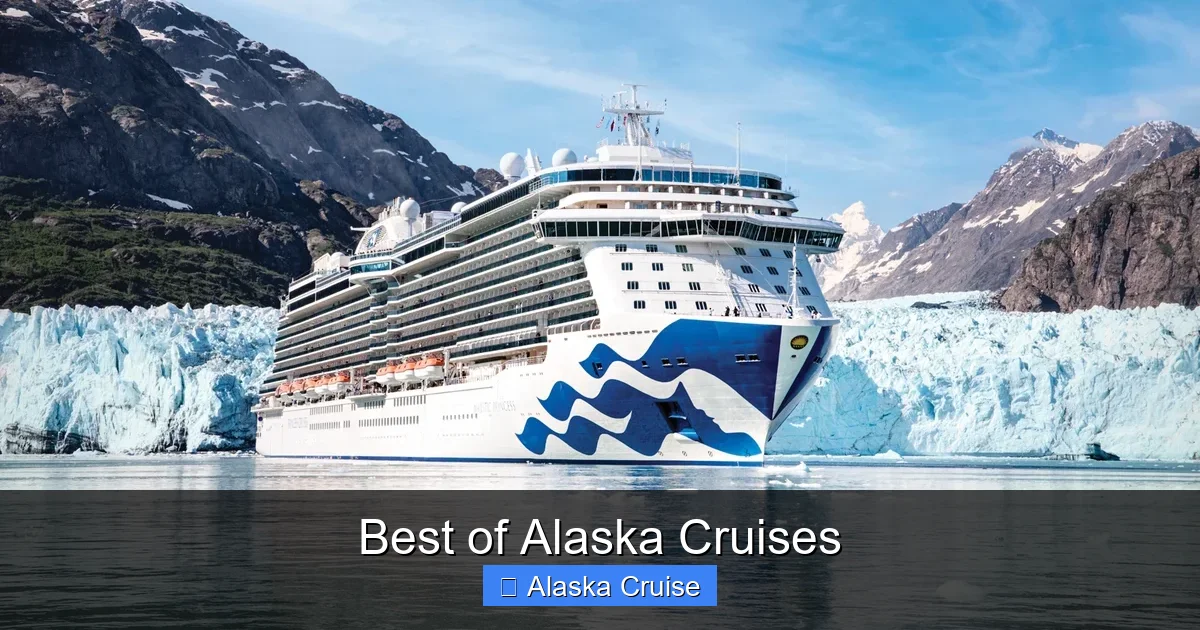
Experience the wild beauty of Alaska on a cruise that combines luxury, adventure, and unforgettable scenery. From towering glaciers to playful whales, the best of Alaska cruises offer something for every traveler. Whether you’re a nature lover or seeking relaxation, these journeys deliver magic at every port.
Key Takeaways
- Alaska cruises offer unparalleled access to glaciers, fjords, and wildlife. You’ll sail past massive ice formations and spot bears, whales, and eagles in their natural habitat.
- Peak season runs from May to September. This window offers the best weather, longest days, and most wildlife activity.
- Inside Passage and Gulf of Alaska are the two main cruise routes. Each offers unique landscapes, from lush rainforests to rugged coastlines.
- Shore excursions enhance the experience. Kayaking, dog sledding, and glacier hikes let you get up close to Alaska’s wonders.
- Smaller ships provide more intimate and flexible itineraries. They can access remote ports and offer personalized service.
- Pack layers and waterproof gear. Weather can change quickly, so being prepared ensures comfort and enjoyment.
- Book early for the best cabins and deals. Popular sailings fill up fast, especially for summer departures.
📑 Table of Contents
- Why Alaska Cruises Are a Must-Do Adventure
- Top Alaska Cruise Routes: Inside Passage vs. Gulf of Alaska
- Best Time to Take an Alaska Cruise
- Top Alaska Cruise Lines and Ships
- Must-See Ports and Shore Excursions
- Packing Tips for Your Alaska Cruise
- How to Choose the Best Alaska Cruise for You
- Conclusion: Why the Best of Alaska Cruises Should Be on Your Bucket List
Why Alaska Cruises Are a Must-Do Adventure
Imagine waking up to the sight of a glacier calving into the sea, its thunderous crack echoing across the water. Or spotting a humpback whale breaching just yards from your ship. These aren’t scenes from a nature documentary—they’re everyday moments on the best of Alaska cruises. Alaska is one of the last true wilderness destinations on Earth, and a cruise is the perfect way to experience its raw beauty, diverse wildlife, and dramatic landscapes.
Unlike land-based trips, Alaska cruises let you cover vast distances while enjoying the comfort of a floating hotel. You’ll glide through narrow fjords, past snow-capped mountains, and alongside icebergs that glow blue in the sunlight. Each day brings a new port, a new adventure, and a new chance to connect with nature. Whether you’re sipping coffee on your balcony as a bald eagle soars overhead or exploring a historic gold rush town, the experience is nothing short of magical.
Top Alaska Cruise Routes: Inside Passage vs. Gulf of Alaska

Visual guide about Best of Alaska Cruises
Image source: travelmole.com
When planning your Alaska cruise, one of the first decisions is choosing your route. The two most popular options are the Inside Passage and the Gulf of Alaska. Each offers a unique perspective on the state’s natural wonders.
The Inside Passage: A Lush, Coastal Journey
The Inside Passage is the classic Alaska cruise route, stretching from Seattle or Vancouver up through the narrow waterways of southeastern Alaska. This region is known for its dense rainforests, misty fjords, and charming coastal towns. Ships wind through a maze of islands, often passing so close to shore you can hear the waves lapping against the rocks.
Ports like Juneau, Skagway, and Ketchikan are staples on this route. Juneau, the state capital, is accessible only by boat or plane, adding to its remote charm. Here, you can take a helicopter tour to a glacier or go whale watching in the surrounding waters. Skagway, once a bustling gold rush town, now offers historic tours and thrilling train rides into the mountains. Ketchikan, known as the “Salmon Capital of the World,” is a great spot for cultural experiences, including Native American totem pole parks and traditional dance performances.
One of the biggest draws of the Inside Passage is its accessibility. Most cruises last 7 to 10 days and depart from major West Coast cities, making it easy to combine with a land tour or a few extra days in Seattle or Vancouver. The scenery is consistently stunning, with waterfalls cascading down moss-covered cliffs and bald eagles nesting in tall spruce trees.
The Gulf of Alaska: A Grand, Open-Water Adventure
For a more expansive experience, the Gulf of Alaska route offers longer voyages that venture into the open waters of the Pacific. These cruises often start in Seattle or San Francisco and sail up to Seward or Whittier, near Anchorage, before returning. Some itineraries even include a stop in Victoria, British Columbia, adding a touch of Canadian charm.
This route is ideal for travelers who want to see Alaska’s most iconic glaciers up close. Hubbard Glacier, one of the largest tidewater glaciers in North America, is a highlight. Ships often spend hours near the glacier, allowing passengers to witness calving events—when massive chunks of ice break off and crash into the water. It’s a powerful reminder of nature’s force.
Ports like Seward and Whittier serve as gateways to Kenai Fjords National Park, where you can take a boat tour to see sea otters, puffins, and even orcas. Some cruises also include a stop in Glacier Bay National Park, a UNESCO World Heritage Site known for its pristine wilderness and abundant wildlife. Rangers board the ship to provide educational talks, enhancing the experience with expert insights.
While the Gulf of Alaska route covers more ground, it also means longer days at sea. But don’t worry—cruise lines make the most of this time with enriching activities, from cooking demonstrations to wildlife lectures. And when the ship does make port, the payoff is worth it.
Best Time to Take an Alaska Cruise
Timing is everything when it comes to Alaska cruises. The cruising season runs from May to September, but each month offers a different experience.
May and June: Early Season Magic
May marks the start of the season, with fewer crowds and lower prices. The weather is cooler, but the landscapes are lush and green after the winter snowmelt. Wildlife is active, and you’re more likely to see bears foraging along the shorelines. Whale watching is excellent in May and June, as humpbacks and orcas migrate north to feed.
One advantage of early-season travel is the chance to see glaciers at their fullest. Winter snows have built up the ice, making calving events more dramatic. However, some remote ports may still be closed due to ice, so itineraries can vary.
July and August: Peak Season Highlights
These are the most popular months for Alaska cruises, and for good reason. The weather is warmest, with daytime temperatures often reaching the 60s and 70s (Fahrenheit). The days are long—up to 18 hours of daylight in Juneau—giving you plenty of time to explore.
Wildlife sightings are at their peak. Whales, sea lions, and puffins are abundant, and land tours are in full swing. This is also the best time for hiking, kayaking, and other outdoor activities. However, it’s also the busiest time, so expect more crowds at ports and on excursions.
September: Fall Colors and Fewer Crowds
As summer fades, September brings a quieter, more reflective atmosphere. The crowds thin out, and prices drop. The landscapes transform with the arrival of fall colors—golden aspens and red fireweed paint the hillsides. Wildlife is still active, and you may even catch a glimpse of the northern lights in the northern regions.
One thing to note: some smaller ports and tour operators begin to close in late September, so itineraries may be shorter or less varied. But for travelers seeking a more peaceful experience, September can be a hidden gem.
Top Alaska Cruise Lines and Ships
With so many cruise lines offering Alaska itineraries, choosing the right one can feel overwhelming. Here’s a look at some of the best options, each with its own style and strengths.
Luxury and Intimacy: Small Ship Cruises
If you prefer a more personalized experience, consider a small ship cruise. Lines like UnCruise Adventures, Lindblad Expeditions, and Seabourn offer vessels with fewer than 200 passengers. These ships can access remote inlets and shallow waters that larger ships can’t reach, giving you a front-row seat to Alaska’s wildest places.
UnCruise, for example, specializes in adventure-focused itineraries. Their ships include kayaks, paddleboards, and even a hydrophone to listen for whale songs underwater. Lindblad partners with National Geographic, offering expert-led excursions and photography workshops. Seabourn combines luxury with adventure, with spacious suites and gourmet dining.
Small ship cruises often include more time in port and longer stays near glaciers. They’re ideal for travelers who want to immerse themselves in nature without sacrificing comfort.
Family-Friendly Fun: Mainstream Cruise Lines
For families or first-time cruisers, mainstream lines like Royal Caribbean, Norwegian Cruise Line, and Carnival offer a great balance of entertainment, dining, and shore excursions. These ships are larger, with amenities like rock climbing walls, water slides, and Broadway-style shows.
Royal Caribbean’s Quantum-class ships, for example, feature skydiving simulators and robotic bartenders. Norwegian offers “freestyle cruising,” with flexible dining and no set seating times. Carnival is known for its fun, casual vibe and affordable pricing.
These lines often have dedicated kids’ clubs and family-friendly excursions, making them a great choice for multi-generational trips. They also offer a wide range of cabin types, from interior rooms to luxurious suites with balconies.
Classic Elegance: Premium Cruise Lines
If you’re looking for a refined experience, consider premium lines like Holland America Line, Princess Cruises, and Celebrity Cruises. These ships offer a more traditional cruise atmosphere, with elegant dining, live music, and enrichment programs.
Holland America is known for its long-standing Alaska expertise, with itineraries that include Glacier Bay and the Inside Passage. Princess Cruises offers a “North to Alaska” program with themed events and local cuisine. Celebrity Cruises combines modern luxury with destination-focused experiences, including culinary tours and wellness activities.
These lines often include more inclusive pricing, with perks like complimentary wine at dinner or free Wi-Fi. They’re a great middle ground between luxury and affordability.
Must-See Ports and Shore Excursions
One of the biggest advantages of an Alaska cruise is the chance to explore diverse ports, each with its own character and attractions. Here are some of the top stops and the best ways to experience them.
Juneau: The Capital of Adventure
Juneau is a hub for outdoor activities. One of the most popular excursions is a helicopter tour to the Mendenhall Glacier, where you can land on the ice and take a guided walk. For a more relaxed experience, visit the Alaska State Museum or take a whale-watching boat tour.
Don’t miss the Mount Roberts Tramway, which offers panoramic views of the city and surrounding mountains. At the top, you can hike through temperate rainforest or enjoy a traditional Tlingit cultural performance.
Skagway: Gateway to the Klondike
Step back in time in Skagway, where wooden boardwalks and false-front buildings recall the gold rush era. The White Pass and Yukon Route Railway is a must-do—this historic train climbs steep grades through rugged terrain, offering breathtaking views.
For adventure seekers, try dog sledding on a glacier or take a guided hike to the historic Chilkoot Trail. Skagway is also a great place to learn about Alaska Native culture, with museums and cultural centers showcasing traditional art and storytelling.
Ketchikan: Rainforest and Totems
Ketchikan is known for its rich Native American heritage. Visit the Totem Heritage Center to see restored 19th-century totem poles, or take a guided tour of the nearby Misty Fjords National Monument by floatplane.
The city is also a prime spot for fishing. Book a charter to catch salmon or halibut, or visit a local fish hatchery to learn about sustainable fishing practices. Don’t forget to try some fresh seafood at one of the waterfront restaurants.
Seward and Whittier: Gateway to Kenai Fjords
These ports serve as the starting point for adventures in Kenai Fjords National Park. Take a boat tour to see glaciers, sea otters, and puffins, or go kayaking in Resurrection Bay. For a unique experience, try a glacier trek or ice climbing on Exit Glacier.
Some cruises also offer a land extension to Denali National Park, where you can see North America’s tallest peak and spot grizzly bears, moose, and caribou.
Packing Tips for Your Alaska Cruise
Packing for an Alaska cruise requires a bit of strategy. The weather can be unpredictable, and you’ll want to be prepared for everything from rain to sunshine.
Layer Up
The key to staying comfortable is layering. Bring a base layer of moisture-wicking fabric, a mid-layer like a fleece or sweater, and a waterproof outer shell. Even in summer, temperatures can drop near glaciers, so a warm jacket is essential.
Waterproof Gear
Rain is common in coastal Alaska, so pack a high-quality rain jacket and waterproof pants. Waterproof boots with good traction are also a must, especially if you plan to hike or explore wet docks.
Essential Accessories
Don’t forget sunglasses, sunscreen, and a wide-brimmed hat. The sun can be strong, especially on the water. Binoculars are highly recommended for wildlife viewing, and a reusable water bottle will keep you hydrated during excursions.
Camera and Chargers
You’ll want to capture every moment, so bring a good camera and extra batteries or a portable charger. Some ships have limited outlets, so it’s smart to be prepared.
Formal Wear (Optional)
Most cruise lines have one or two formal nights. Pack a dress or suit if you enjoy dressing up, but many travelers opt for smart casual instead.
How to Choose the Best Alaska Cruise for You
With so many options, finding the right cruise comes down to your priorities. Ask yourself: What kind of experience do I want?
If you’re seeking adventure and close encounters with nature, a small ship or expedition cruise might be best. If you’re traveling with kids or want a mix of relaxation and entertainment, a mainstream line could be the way to go. For a more refined, educational experience, consider a premium cruise with enrichment programs.
Also consider the length of the cruise. Shorter 7-day trips are great for first-timers, while 10- to 14-day voyages allow for more in-depth exploration. Round-trip cruises from Seattle or Vancouver are convenient, while one-way trips that end in Seward or Whittier can be combined with a land tour.
Finally, read reviews and compare itineraries. Look for ships that spend more time in key areas like Glacier Bay or near glaciers. Check what’s included—some lines offer free excursions or drink packages, which can add great value.
Conclusion: Why the Best of Alaska Cruises Should Be on Your Bucket List
Alaska is a destination that stays with you long after you’ve returned home. The best of Alaska cruises offer a unique blend of comfort, adventure, and natural beauty that’s hard to find anywhere else. Whether you’re marveling at a glacier’s icy blue depths, spotting a bear fishing for salmon, or sipping hot cocoa as the sun sets over the fjords, every moment feels like a gift.
From the lush forests of the Inside Passage to the towering ice walls of the Gulf of Alaska, these journeys reveal the state’s wild heart. With the right cruise line, timing, and preparation, your Alaska adventure can be everything you’ve dreamed of—and more.
So pack your bags, grab your camera, and set sail for one of the most unforgettable experiences on Earth. The best of Alaska cruises await.
Frequently Asked Questions
What is the best month to take an Alaska cruise?
The best time is typically July or August, when the weather is warmest and wildlife is most active. However, May and September offer fewer crowds and lower prices.
Do I need a passport for an Alaska cruise?
If your cruise departs and returns to the same U.S. port (like Seattle), a passport is not required. However, it’s highly recommended in case of emergencies or itinerary changes.
Are Alaska cruises family-friendly?
Yes, many cruise lines offer kids’ clubs, family excursions, and entertainment options. Lines like Royal Caribbean and Norwegian are especially popular with families.
Can I see the northern lights on an Alaska cruise?
It’s possible, especially on late-season cruises in September. However, sightings are not guaranteed and depend on solar activity and clear skies.
What should I wear on an Alaska cruise?
Pack layers, including a waterproof jacket, warm sweater, and comfortable shoes. Even in summer, it can be chilly on deck, especially near glaciers.
Are shore excursions included in the cruise price?
Most shore excursions are optional and cost extra. Some cruise lines offer excursion packages or discounts, so check before you book.