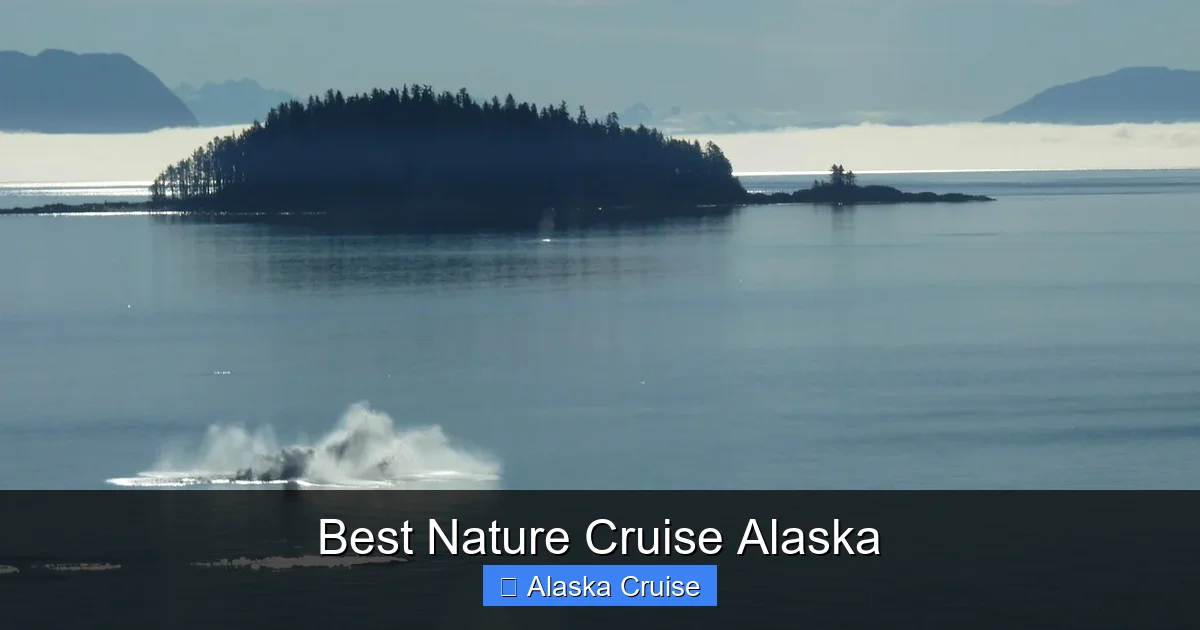
Experience Alaska’s wild beauty like never before with a nature-focused cruise that brings you face-to-face with glaciers, whales, bears, and untouched landscapes. From intimate small ships to expert-led excursions, these cruises prioritize wildlife, conservation, and immersive natural encounters—perfect for nature lovers seeking adventure and serenity in equal measure.
Imagine gliding silently through a misty fjord, the only sounds the drip of melting ice and the distant call of a loon. Towering cliffs rise on either side, draped in emerald moss and dotted with waterfalls. Ahead, a massive wall of blue ice calves into the sea with a thunderous roar. This isn’t a scene from a documentary—it’s what you’ll experience on the best nature cruise Alaska has to offer.
Alaska is one of the last true wilderness frontiers on Earth. Its rugged coastline, ancient glaciers, and abundant wildlife make it a dream destination for nature lovers. But not all cruises are created equal. While large ocean liners offer luxury and entertainment, they often miss the intimate, immersive experiences that define Alaska’s wild soul. That’s where nature-focused cruises come in. These smaller, expedition-style voyages prioritize exploration, education, and environmental stewardship—giving you a front-row seat to one of the planet’s most spectacular natural theaters.
Whether you’re a seasoned traveler or a first-time cruiser, a nature cruise in Alaska offers something truly special. It’s not just about sightseeing; it’s about connection—to the land, the sea, and the creatures that call this place home. From the moment you step aboard, you’ll feel the difference. Naturalists greet you with binoculars in hand, ready to point out a pod of orcas or a hidden bear den. Meals feature locally sourced seafood and Alaskan ingredients. And every day brings a new adventure, from kayaking among icebergs to hiking through temperate rainforests.
Key Takeaways
- Small ships offer the best access: Compact vessels can navigate narrow fjords and remote inlets, giving you closer views of glaciers and wildlife than larger cruise liners.
- Wildlife sightings are guaranteed: Expect to see humpback whales, orcas, sea otters, bald eagles, and even brown bears—especially in areas like Glacier Bay and Icy Strait Point.
- Glacier viewing is a highlight: Get up close to calving glaciers in Tracy Arm, Endicott Arm, and Hubbard Glacier, where ice crashes into the sea with thunderous force.
- Expert naturalists enhance the experience: Onboard biologists and guides provide daily lectures and lead shore excursions, deepening your understanding of Alaska’s ecosystems.
- Eco-friendly practices matter: Top nature cruises follow strict environmental guidelines to protect fragile habitats and minimize human impact.
- Best time to go is May through September: Summer offers mild weather, long daylight hours, and peak wildlife activity—ideal for outdoor exploration.
- Shore excursions bring you deeper into nature: Kayaking, hiking, and Zodiac tours let you explore tide pools, rainforests, and alpine meadows up close.
📑 Table of Contents
Why Choose a Nature Cruise in Alaska?
Alaska’s coastline stretches over 6,600 miles—more than all other U.S. states combined. Yet much of it remains untouched by modern development. A nature cruise is the perfect way to explore this vast, wild landscape without the crowds or noise of traditional tourism. These cruises are designed for people who want to slow down, look closely, and truly absorb the beauty around them.
Unlike big cruise ships that dock in bustling ports like Juneau or Ketchikan, nature cruises often visit remote inlets, hidden coves, and protected marine reserves. You’ll spend less time in gift shops and more time on the water, where the real magic happens. Think Zodiac rides through icy waters, guided hikes on moss-covered trails, and quiet moments watching a glacier calve under the midnight sun.
One of the biggest advantages of a nature cruise is access. Small ships—typically under 100 passengers—can navigate narrow channels and shallow waters that larger vessels can’t reach. This means you can sail right up to a glacier’s face, drift past a sea lion haul-out, or anchor in a secluded bay for a beach walk. The intimacy of these experiences creates memories that last a lifetime.
Intimate Encounters with Wildlife
Alaska is home to some of the most diverse and abundant wildlife in North America. On a nature cruise, you’re almost guaranteed to see animals in their natural habitat. Humpback whales breach just off the bow. Sea otters float on their backs, cracking clams with rocks. Bald eagles soar overhead, scanning the water for fish.
One of the best places to spot wildlife is Icy Strait Point, near Hoonah. This area is a hotspot for brown bears, especially during salmon runs in July and August. Naturalists often lead bear-viewing excursions to nearby streams, where you can watch these powerful creatures fish with astonishing skill. Meanwhile, the waters around Glacier Bay National Park are teeming with marine life. Orcas, minke whales, and harbor seals are common sightings, and the park’s strict visitor limits help preserve the ecosystem.
Glaciers: Nature’s Living Sculptures
No trip to Alaska is complete without seeing a glacier up close. These massive rivers of ice shape the landscape and provide a window into Earth’s ancient past. On a nature cruise, you’ll visit some of the most dramatic glaciers in the world.
Tracy Arm and Endicott Arm, located near Juneau, are two of the most popular destinations. These narrow fjords are lined with towering cliffs and fed by the Sawyer and South Sawyer Glaciers. As your ship inches closer, you’ll hear the crack and groan of ice shifting beneath the surface. When a chunk finally breaks free and crashes into the water, the sound echoes through the fjord like thunder.
Hubbard Glacier, near Yakutat, is another must-see. At over 7 miles wide and 300 feet high, it’s one of the largest tidewater glaciers in North America. The glacier is actively advancing, pushing forward about 10 feet each day. This constant movement means you’ll likely witness calving—the dramatic process of ice breaking off and plunging into the sea.
Expert Guidance and Educational Enrichment
What sets a nature cruise apart is the presence of expert naturalists and marine biologists. These professionals are passionate about Alaska’s ecosystems and dedicated to sharing their knowledge with guests. They lead daily lectures on topics like glacier formation, marine mammal behavior, and the impact of climate change on Arctic environments.
During shore excursions, naturalists act as your personal guides, pointing out hidden details you might otherwise miss. They’ll explain how a spruce tree adapts to salty air, identify the call of a Steller’s jay, or show you the tracks of a mink in the mud. This educational component adds depth to your journey, transforming sightseeing into a meaningful learning experience.
Many nature cruise lines also partner with local Indigenous communities. You might attend a cultural presentation by the Tlingit people, learn traditional canoe-building techniques, or sample native foods like smoked salmon and wild berries. These interactions foster respect and understanding, reminding us that Alaska’s natural beauty is deeply intertwined with its human history.
Top Destinations on an Alaska Nature Cruise
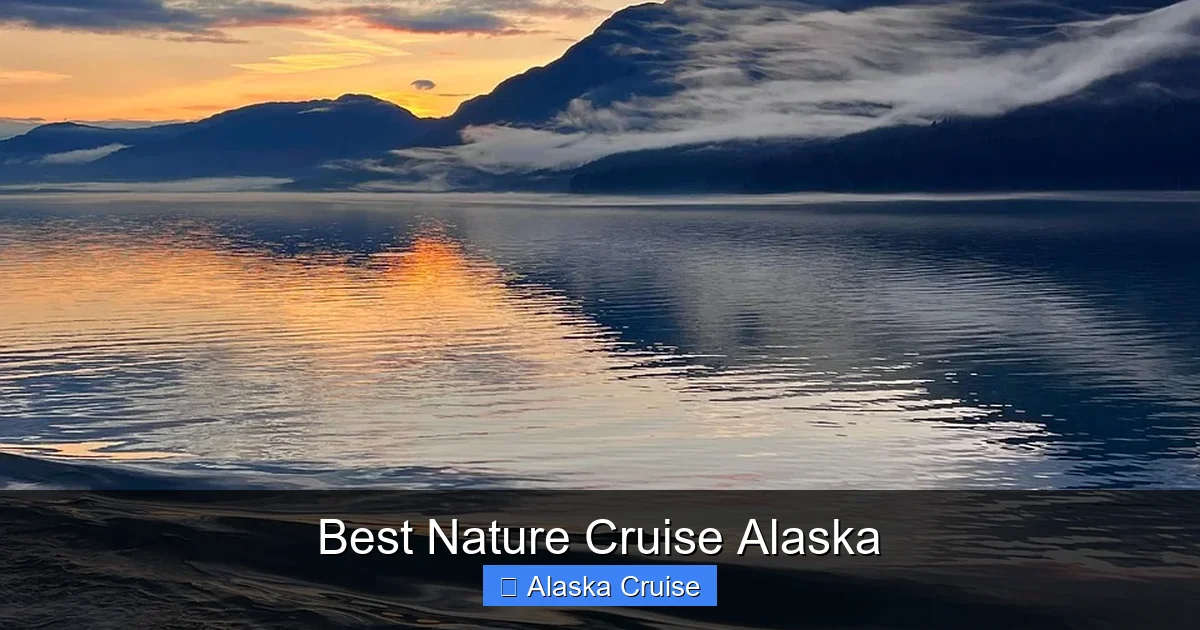
Visual guide about Best Nature Cruise Alaska
Image source: cdn.pixabay.com
Alaska’s coastline is dotted with incredible destinations, each offering its own unique blend of scenery and wildlife. While itineraries vary by cruise line and season, most nature cruises include several of these standout locations.
Glacier Bay National Park
A UNESCO World Heritage Site, Glacier Bay is a crown jewel of the Alaskan wilderness. Spanning over 3.3 million acres, it’s home to over a dozen active glaciers, including the massive Margerie and Grand Pacific Glaciers. The park is accessible only by boat or plane, making a cruise the ideal way to explore it.
As your ship enters the bay, you’ll be surrounded by towering ice walls and snow-capped peaks. The water is often dotted with icebergs, some as large as houses. Keep an eye out for harbor seals resting on the ice—they’re common in this area. The park’s strict visitor limits ensure a peaceful, uncrowded experience, allowing you to fully immerse yourself in the landscape.
Tracy Arm and Endicott Arm
These twin fjords near Juneau are among the most dramatic in Alaska. Carved by glaciers over thousands of years, they feature sheer granite walls, cascading waterfalls, and dense temperate rainforests. The Sawyer Glaciers, located at the head of Tracy Arm, are particularly impressive. Their deep blue ice contrasts sharply with the green forest, creating a stunning visual contrast.
Wildlife is abundant here, too. Black bears forage along the shoreline, while mountain goats scale the cliffs above. In the water, you might spot harbor seals, sea lions, or even a rare sighting of a humpback whale feeding in the fjord.
Icy Strait Point
Located near the town of Hoonah, Icy Strait Point is a hub for outdoor adventure. The area is famous for its brown bear population, especially during the summer salmon runs. Guided bear-viewing tours take you to prime fishing spots, where you can watch bears in action from a safe distance.
The surrounding waters are also rich in marine life. Whale-watching excursions often yield sightings of humpbacks, orcas, and even the elusive blue whale. Kayaking and paddleboarding are popular activities, allowing you to explore quiet coves and hidden beaches.
Ketchikan and the Tongass National Forest
Known as the “Salmon Capital of the World,” Ketchikan is the southernmost major port on most Alaska cruises. It’s also the gateway to the Tongass National Forest—the largest national forest in the United States, covering over 17 million acres.
On a nature cruise, you might take a guided hike through old-growth rainforest, where towering Sitka spruce and western hemlock create a canopy so thick it feels like twilight. Look for bald eagles nesting in the treetops or a Roosevelt elk grazing in a meadow. The forest is also home to black bears, wolves, and countless bird species.
Sitka: Where Cultures Converge
Sitka blends natural beauty with rich cultural history. Once the capital of Russian America, the town features historic buildings, Orthodox churches, and a strong Tlingit presence. On a nature cruise, you might visit the Sitka National Historical Park, where totem poles stand alongside remnants of a Russian fort.
The surrounding waters are rich in marine life. Sea otters, Steller sea lions, and harbor seals are common, and the area is a known feeding ground for humpback whales. Kayaking tours offer a peaceful way to explore the coastline, with chances to see seabird colonies and intertidal zones teeming with life.
Choosing the Right Nature Cruise for You
With so many options available, selecting the best nature cruise Alaska has to offer can feel overwhelming. The key is to match your travel style, budget, and interests with the right cruise line and itinerary.
Small Ship vs. Expedition Vessels
Most nature cruises operate on small ships or expedition vessels designed for exploration. These ships typically carry between 50 and 150 passengers, ensuring a personalized experience. Cabins are comfortable but not overly luxurious—focus is on function and access to outdoor spaces like observation decks and lounges.
Expedition vessels often feature reinforced hulls for navigating icy waters and Zodiacs for shore landings. Some even have hydrophones to listen to whale songs underwater. These ships are built for adventure, with gear storage for kayaks, hiking boots, and binoculars.
Popular Cruise Lines for Nature Lovers
Several cruise lines specialize in nature-focused Alaska itineraries. Here are a few top contenders:
– **UnCruise Adventures**: Known for intimate, adventure-packed voyages, UnCruise offers small-ship cruises with a strong emphasis on wildlife, kayaking, and cultural immersion. Their itineraries often include remote destinations like the Inside Passage and Glacier Bay.
– **Lindblad Expeditions**: In partnership with National Geographic, Lindblad combines exploration with education. Their ships feature expert naturalists, photography workshops, and cutting-edge technology like underwater cameras.
– **Hurtigruten (now Hurtigruten Expeditions)**: A pioneer in expedition cruising, Hurtigruten offers eco-friendly voyages with a focus on sustainability and local engagement. Their Alaska itineraries include Zodiac landings, hiking, and wildlife watching.
– **American Queen Voyages (formerly American Safari Cruises)**: These boutique ships offer a more relaxed pace, with gourmet dining and personalized service. Ideal for travelers who want comfort without sacrificing access to nature.
Budget Considerations
Nature cruises tend to be more expensive than traditional Alaska cruises, but the experience is worth the investment. Prices typically range from $4,000 to $10,000 per person for a 7- to 10-day voyage, depending on the ship, cabin type, and included excursions.
To get the best value, look for packages that include airfare, pre- or post-cruise hotel stays, and all shore excursions. Some lines also offer early-bird discounts or last-minute deals. Keep in mind that smaller ships often have limited availability, so booking early is recommended.
What to Expect Onboard
Life on a nature cruise is relaxed, engaging, and focused on the outdoors. Mornings often begin with a wake-up call from the captain announcing a whale sighting or a nearby glacier. After a hearty breakfast featuring Alaskan salmon or fresh berries, you’ll gather on deck for a briefing from the naturalist team.
Throughout the day, you’ll have a mix of guided activities and free time. Shore excursions might include kayaking through a fjord, hiking to a waterfall, or taking a Zodiac tour to a seal rookery. Onboard, you can attend lectures, browse the library, or simply relax with a book and a view.
Evenings are a time to unwind and reflect. Dinner is often a communal affair, with locally sourced ingredients and regional specialties. Afterward, you might enjoy a talk by a guest speaker or stargaze from the deck—Alaska’s long summer nights offer incredible views of the Milky Way.
Packing Tips for an Alaska Nature Cruise
Packing for an Alaska nature cruise requires preparation. Weather can change quickly, and you’ll spend a lot of time outdoors. Here are a few essentials:
– **Layered clothing**: Bring moisture-wicking base layers, insulating mid-layers (like fleece), and a waterproof outer shell.
– **Waterproof gear**: A good rain jacket and pants are a must. Waterproof boots with good traction are essential for shore landings.
– **Binoculars**: A pair of compact binoculars will enhance wildlife viewing.
– **Camera with zoom lens**: Capture distant whales, eagles, and glaciers.
– **Sunscreen and sunglasses**: Even on cloudy days, UV exposure can be high near water and snow.
– **Daypack**: For carrying water, snacks, and extra layers during excursions.
Sustainable Travel and Environmental Responsibility
As travelers, we have a responsibility to protect the places we visit. The best nature cruise Alaska operators prioritize sustainability and environmental stewardship. This includes minimizing waste, using eco-friendly cleaning products, and following strict wildlife viewing guidelines.
Many cruise lines also support local conservation efforts. For example, some donate a portion of their profits to marine research or Indigenous-led conservation projects. Passengers are encouraged to participate in citizen science programs, such as recording wildlife sightings or helping with beach cleanups.
By choosing a responsible cruise line, you’re not just enjoying Alaska’s beauty—you’re helping to preserve it for future generations.
Conclusion
A nature cruise in Alaska is more than a vacation—it’s a journey into the heart of the wild. It’s about waking up to the sound of calving glaciers, sharing a quiet moment with a whale, and feeling the crisp mountain air on your face. It’s about slowing down, looking closely, and reconnecting with the natural world.
Whether you’re kayaking through icy fjords, hiking ancient rainforests, or simply sipping coffee while watching a bald eagle soar, every moment on a nature cruise is infused with wonder. These experiences remind us of the power and beauty of untouched wilderness—and why it’s worth protecting.
So if you’re ready to trade crowded ports for quiet coves, and luxury lounges for Zodiac adventures, it’s time to book your Alaska nature cruise. The wild is waiting.
Frequently Asked Questions
What is the best time of year for a nature cruise in Alaska?
The best time for a nature cruise in Alaska is from late May to early September. During these months, the weather is mild, daylight hours are long, and wildlife is most active. Summer offers the best chances to see bears, whales, and blooming wildflowers.
Are nature cruises suitable for families?
Yes, many nature cruises welcome families and offer kid-friendly activities like junior naturalist programs, scavenger hunts, and educational games. However, some expeditions may have age restrictions due to the rugged nature of shore landings.
Do I need to be physically fit to go on a nature cruise?
While you don’t need to be an athlete, a moderate level of fitness is helpful. Shore excursions often involve walking on uneven terrain, climbing in and out of Zodiacs, and hiking on trails. Most cruise lines offer a range of activity levels to suit different abilities.
Will I get seasick on an Alaska nature cruise?
Alaska’s Inside Passage is generally calm, with protected waters that minimize rough seas. However, weather can change quickly. If you’re prone to motion sickness, bring medication and choose a mid-ship cabin for a more stable ride.
How close can we get to glaciers and wildlife?
Cruise ships maintain a safe distance from glaciers and wildlife to protect both passengers and the environment. Naturalists use binoculars and spotting scopes to enhance viewing. Zodiac tours may get closer, but always under strict guidelines.
What should I wear on a nature cruise in Alaska?
Layered, waterproof clothing is essential. Pack a rain jacket, warm layers, waterproof boots, and gloves. Even in summer, temperatures can drop near glaciers. Don’t forget a hat, sunglasses, and sunscreen for sun protection.