
The best month to go on a cruise to Alaska is July, offering the warmest weather, longest daylight hours, and peak wildlife activity. However, June and August also provide excellent experiences with fewer crowds and vibrant scenery, making them strong alternatives depending on your priorities.
Dreaming of towering glaciers, misty fjords, and breaching whales? A cruise to Alaska is one of the most breathtaking ways to experience the Last Frontier. But with a short sailing season stretching from May to September, choosing the right time to go can make or break your trip. So, what’s the best month to go on a cruise to Alaska?
The answer isn’t one-size-fits-all. It depends on what you value most: warm weather, wildlife encounters, fewer crowds, or budget-friendly pricing. While July often takes the crown as the most popular—and arguably the best—month for an Alaskan cruise, other months offer unique advantages that might better suit your travel style.
In this guide, we’ll break down each month of the Alaska cruise season, comparing weather, wildlife, crowds, pricing, and onboard experiences. Whether you’re a first-time cruiser or a seasoned adventurer, you’ll walk away knowing exactly when to set sail for the Alaskan journey of a lifetime.
Key Takeaways
- July is the peak month for Alaska cruises, with mild temperatures, extended daylight, and abundant wildlife viewing opportunities.
- June offers blooming landscapes and fewer tourists, making it ideal for travelers seeking a balance between good weather and solitude.
- August brings fall colors and active bears, especially in coastal areas like Ketchikan and Glacier Bay.
- May and September are shoulder months with lower prices and fewer crowds, but cooler temps and shorter days.
- Wildlife sightings vary by month—humpback whales peak in July, while bears are most visible in August and September.
- Glacier viewing is best from June to August, when calving activity is highest and weather conditions are most stable.
- Packing layers is essential regardless of the month, as Alaska’s weather can change quickly even in summer.
📑 Table of Contents
Understanding the Alaska Cruise Season
Alaska’s cruise season is short and sweet—typically running from late May to early September. This six-month window aligns with the region’s brief but spectacular summer, when temperatures rise, daylight stretches, and nature bursts into full activity. Outside this period, most cruise lines don’t operate due to harsh weather, icy waters, and limited accessibility.
The season is divided into three main phases: the early shoulder season (May–early June), the peak summer months (mid-June to August), and the late shoulder season (September). Each phase offers a distinct experience, shaped by climate, wildlife behavior, and tourist volume.
Cruise itineraries usually last 7 to 10 days and commonly depart from Seattle or Vancouver, with ports of call including Juneau, Skagway, Ketchikan, and Glacier Bay National Park. Some longer voyages extend to Anchorage or even cross into the Inside Passage. No matter the route, the timing of your trip will influence everything from what you wear to what you see.
Why Timing Matters
Alaska is a destination where timing is everything. A week can make a big difference in weather, wildlife activity, and even glacier visibility. For example, in early May, some trails may still be snow-covered, and certain wildlife species haven’t yet migrated north. By late August, the days are noticeably shorter, and the first hints of autumn color appear in the forests.
Choosing the right month ensures you maximize your experience. If you’re hoping to see humpback whales feeding in Glacier Bay, July is your best bet. If you want to photograph bears fishing for salmon in Ketchikan’s streams, August or September might be ideal. And if you’re looking to avoid the summer rush while still enjoying decent weather, June or September could be your sweet spot.
Factors to Consider When Choosing Your Month
When deciding the best month to go on a cruise to Alaska, consider these key factors:
– **Weather and Temperature**: Alaska’s summer temps range from 50°F to 70°F, but can vary widely by region and time of year.
– **Daylight Hours**: In June and July, you’ll enjoy up to 18–20 hours of daylight—perfect for sightseeing and photography.
– **Wildlife Viewing**: Different animals are active at different times. Whales, bears, puffins, and salmon each have seasonal patterns.
– **Crowd Levels**: Peak months mean more tourists, longer lines, and higher prices. Shoulder months offer more solitude.
– **Pricing and Availability**: July and August are the most expensive and booked-up months. May and September offer deals.
– **Glacier Conditions**: Calving glaciers are most dramatic in warmer months when ice breaks off more frequently.
– **Onboard Experience**: Some cruise lines offer special events, lectures, or themed cruises during certain months.
By weighing these factors, you can tailor your trip to match your ideal Alaskan adventure.
May: The Quiet Start to the Season
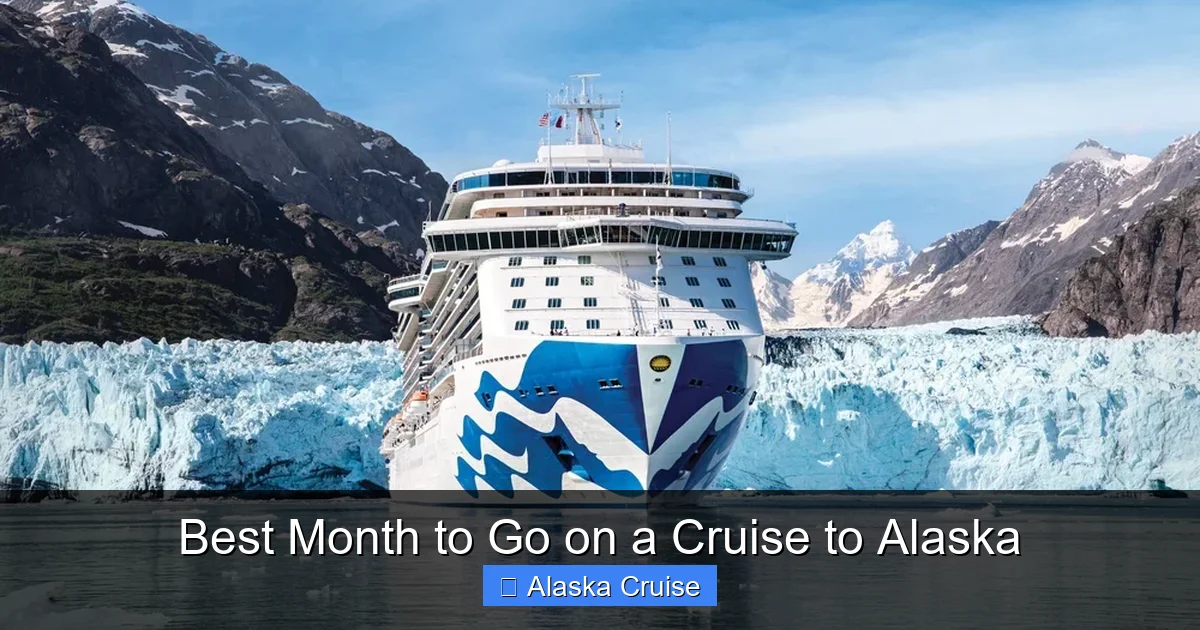
Visual guide about Best Month to Go on a Cruise to Alaska
Image source: images.squarespace-cdn.com
May marks the beginning of the Alaska cruise season, with ships starting to sail in late May. This is the earliest you can cruise to Alaska, and it comes with a mix of pros and cons.
Weather and Conditions in May
Temperatures in May are cool, typically ranging from 45°F to 60°F. It’s not uncommon to see snow in higher elevations or lingering ice in certain fjords. However, the days are getting longer—by late May, you’ll enjoy up to 17 hours of daylight. Rain is possible, so waterproof gear is a must.
While the weather isn’t as mild as summer, May offers a crisp, fresh atmosphere. The landscape is still waking up from winter, with snowmelt feeding waterfalls and rivers running high. It’s a great time for photographers who appreciate moody skies and dramatic lighting.
Wildlife and Nature in May
Wildlife in May is just beginning to stir. Some migratory birds have returned, and you might spot bald eagles, puffins, and early-arriving humpback whales. However, whale sightings are less consistent than in summer. Bears are emerging from hibernation but are often still in inland areas, making them harder to see from cruise ships.
Glaciers are accessible, but calving activity is lower than in peak summer. That said, the quietness of the season means you’ll have more intimate views of these icy giants without the crowds.
Pros and Cons of Cruising in May
Pros:
– Lower prices and fewer crowds
– Unique, off-the-beaten-path feel
– Beautiful spring landscapes with blooming wildflowers
– Good availability on popular cruise lines
Cons:
– Cooler temperatures and unpredictable weather
– Limited wildlife sightings compared to summer
– Some shore excursions may be restricted due to snow or trail conditions
May is ideal for budget-conscious travelers or those seeking a more serene, less touristy experience. If you don’t mind packing a warm jacket and embracing the unpredictability of early-season Alaska, May can be a magical time to cruise.
June: The Sweet Spot for Balance
June is often considered one of the best months to go on a cruise to Alaska. It strikes a perfect balance between good weather, active wildlife, and manageable crowds. By mid-June, the season is in full swing, but the peak summer rush hasn’t yet arrived.
Weather and Daylight in June
Temperatures in June range from 50°F to 65°F, with occasional warmer days reaching 70°F. Rain is still possible, but sunny days are more common than in May. The real highlight? Daylight. In June, especially around the summer solstice (June 21), you’ll enjoy up to 18–20 hours of daylight. This means more time for sightseeing, photography, and simply soaking in the stunning scenery.
Wildlife and Glacier Viewing
June is a fantastic time for wildlife. Humpback whales, orcas, and minke whales are frequently spotted in the Inside Passage and near Glacier Bay. Sea lions, otters, and porpoises are also common. On land, bears begin moving toward coastal areas as salmon start their upstream migration.
Glaciers are fully accessible, and calving activity increases as temperatures rise. You’re likely to witness icebergs breaking off and splashing into the water—a thrilling sight that’s both beautiful and powerful.
Why June Stands Out
June offers the best of both worlds: the beauty of early summer without the July crowds. Ports like Juneau and Skagway are busy but not overwhelmed. Shore excursions—such as dog sledding on a glacier, whale watching tours, or hiking in Tongass National Forest—are widely available and often less crowded.
Families with school-age children often choose June to avoid the peak summer travel period. Plus, many cruise lines offer special promotions or added perks during this month, making it a great value.
If you’re looking for a well-rounded Alaska cruise experience with great weather, active wildlife, and a relaxed atmosphere, June is hard to beat.
July: The Peak of the Alaska Cruise Season
July is the undisputed peak month for Alaska cruises—and for good reason. It’s when the weather is warmest, the days are longest, and wildlife is at its most active. If you’re looking for the quintessential Alaskan adventure, July delivers.
Weather and Conditions in July
July is the warmest month in Alaska, with average temperatures ranging from 55°F to 70°F. Coastal areas like Ketchikan and Juneau can even reach 75°F on sunny days. Rain is still possible, but sunny skies are more common than in spring or fall.
Daylight is abundant—up to 19 hours in some areas—giving you plenty of time to explore. Whether you’re zipping through Tracy Arm Fjord on a small boat or hiking to a waterfall near Skagway, you’ll rarely feel rushed.
Wildlife in Full Swing
July is prime time for wildlife viewing. Humpback whales are feeding aggressively in nutrient-rich waters, often breaching or slapping their tails. Orcas, sea lions, and Dall’s porpoises are also commonly seen. On land, black and brown bears are frequently spotted along riverbanks, especially in areas like Pack Creek in Ketchikan.
Birdwatchers will love July, too. Puffins, bald eagles, and cormorants are active, and many species are nesting or raising chicks. The combination of marine and terrestrial life makes July a wildlife enthusiast’s dream.
Glaciers and Scenic Highlights
Glaciers are at their most dynamic in July. Warm temperatures increase calving activity, meaning you’re more likely to see massive chunks of ice break off and crash into the sea. Glacier Bay and Hubbard Glacier are particularly impressive during this time.
The landscape is lush and green, with wildflowers in full bloom and waterfalls at their peak flow from snowmelt. It’s the most photogenic time of year, with vibrant colors and dramatic contrasts between ice, water, and forest.
The Downside of July
The main drawback of July is crowds. Popular ports like Juneau and Skagway can feel busy, and shore excursions often sell out weeks in advance. Cruise prices are at their highest, and cabins on top-tier ships fill up quickly.
If you’re flexible with dates, consider traveling in early July rather than mid-to-late July, when school vacations and family travel peak. Booking excursions early and arriving at ports early in the day can help you avoid the worst of the crowds.
Still, for many travelers, the trade-off is worth it. July offers the most reliable weather, the best wildlife sightings, and the fullest Alaska experience.
August: Fall Colors and Bear Season
August is a close second to July in popularity and offers a unique twist on the Alaskan cruise experience. As summer begins to wane, the landscape transforms, and wildlife behavior shifts in fascinating ways.
Weather and Changing Seasons
Temperatures in August are similar to July, ranging from 50°F to 68°F. However, the days are noticeably shorter—by late August, daylight drops to about 15 hours. Mornings and evenings can be cooler, so layering is essential.
One of August’s highlights is the onset of fall colors. In areas like Ketchikan and Haines, the first hints of red, orange, and yellow appear in the forests. It’s a stunning contrast to the deep greens of summer and adds a new dimension to scenic cruising.
Bears and Salmon Runs
August is prime bear season. As salmon begin their upstream migration, bears gather along rivers and streams to feed. This makes August one of the best months to see bears in action, especially in Ketchikan’s Neets Bay or Anan Creek.
Whale sightings remain strong, though some species begin migrating south by late August. Humpbacks are still common, and orcas can be spotted in protected inlets. Sea otters and seals are also active.
Glaciers and Crowds
Glaciers remain accessible and active in August, though calving may slow slightly compared to July. The weather is still generally stable, making for smooth sailing and clear views.
Crowds begin to thin out in August, especially after mid-month. Families with school-age children often return home by late August, making ports less busy. This means more space on excursions and a more relaxed atmosphere onboard.
Why Choose August?
August is ideal for travelers who want great weather and wildlife without the July rush. It’s also a great time for photographers looking to capture fall colors alongside glaciers and wildlife. Plus, prices start to drop slightly compared to July, offering better value.
If you’re passionate about bears or want to experience Alaska’s transition into autumn, August is an excellent choice.
September: The Quiet Farewell
September marks the end of the Alaska cruise season, with most ships concluding their voyages by mid-to-late September. It’s a quieter, more reflective time to visit, with a unique charm all its own.
Weather and Daylight in September
Temperatures in September range from 45°F to 60°F, with cooler mornings and evenings. Rain becomes more frequent, and the first snows may dust the mountain peaks. Daylight drops significantly—by late September, you’ll have about 12 hours of daylight, similar to spring.
Despite the cooler weather, September can offer crisp, clear days with stunning light. The low angle of the sun creates long shadows and golden-hour glows that are perfect for photography.
Wildlife and Final Migrations
September is a transitional month for wildlife. Some whales begin migrating south, but late-season sightings are still possible. Bears are highly active as they prepare for hibernation, making them easier to spot near rivers and coastal areas.
Bird migrations are in full swing, with thousands of birds heading south. You might see flocks of geese, sandpipers, and even rare species passing through.
Pros and Cons of September Cruises
Pros:
– Lowest prices of the season
– Fewest crowds—ports feel peaceful and uncrowded
– Unique fall scenery with changing leaves
– Excellent bear viewing opportunities
Cons:
– Cooler, wetter weather
– Shorter days limit sightseeing time
– Some excursions may be canceled due to weather
– Limited availability—fewer ships sail in September
September is perfect for travelers seeking solitude, budget savings, and a more intimate Alaska experience. If you don’t mind packing warm layers and embracing the season’s unpredictability, September can be deeply rewarding.
Packing Tips for Any Month
No matter when you go, packing smart is key to enjoying your Alaska cruise. The weather can change quickly, and conditions vary widely between ports.
Essential Items to Bring
– **Layered Clothing**: Pack base layers, fleece, and a waterproof outer shell. Even in July, evenings can be chilly.
– **Waterproof Gear**: A good rain jacket, waterproof pants, and non-slip shoes are essential.
– **Warm Accessories**: Hat, gloves, and a scarf are wise, especially for glacier viewing.
– **Binoculars**: Essential for spotting wildlife from the ship or shore.
– **Camera with Zoom Lens**: Capture distant whales, bears, and glaciers.
– **Sunscreen and Sunglasses**: The sun can be strong, especially on water.
– **Motion Sickness Remedies**: Even in calm waters, some people feel queasy.
What to Wear Onboard
Cruise ships are generally casual during the day, with more formal nights on some lines. Pack comfortable clothes for excursions and a nice outfit or two for dinner. Most ships have laundry facilities, so you don’t need to overpack.
Don’t Forget the Extras
– Reusable water bottle
– Power adapter (if needed)
– Travel insurance (highly recommended)
– Snacks for excursions
– Journal or notebook to document your journey
Packing light but prepared ensures you’re ready for anything Alaska throws your way.
Conclusion: Choosing Your Perfect Month
So, what’s the best month to go on a cruise to Alaska? The answer depends on your priorities.
If you want the warmest weather, longest days, and peak wildlife activity, **July** is the top choice. It’s the most popular month for a reason—everything is in full swing.
If you prefer a balance of good conditions and fewer crowds, **June** offers blooming landscapes and active wildlife without the July rush.
For those who love fall colors and bear sightings, **August** delivers a unique and rewarding experience.
And if you’re on a budget or crave solitude, **May or September** provide quieter, more affordable alternatives with their own special charm.
Ultimately, there’s no wrong time to cruise to Alaska—only different experiences. Each month offers a unique window into this wild, beautiful land. By understanding what each season brings, you can choose the perfect time for your adventure and create memories that will last a lifetime.
So pack your bags, grab your camera, and set sail. Alaska is waiting.
Frequently Asked Questions
What is the best month to see whales on an Alaska cruise?
The best month to see whales is July, when humpback whales are actively feeding in Alaskan waters. June and August also offer strong sightings, with some species migrating through in August.
Is it cold on an Alaska cruise in July?
No, July is the warmest month, with temperatures typically ranging from 55°F to 70°F. However, it can still be chilly on the water or in shaded areas, so layers are recommended.
Are Alaska cruises crowded in June?
June is busy but less crowded than July. Ports are active, but you’ll avoid the peak summer rush, making it a great time for a balanced experience.
Can you see bears on an Alaska cruise in May?
Bears are emerging in May but are often inland and harder to spot. For the best bear viewing, August and September are better, when they gather near rivers for salmon.
Are glaciers still visible in September?
Yes, glaciers are accessible in September, though calving activity may be lower. The scenery is stunning, with fall colors adding to the beauty.
Do I need travel insurance for an Alaska cruise?
Yes, travel insurance is highly recommended. Weather delays, medical issues, or trip cancellations can happen, and insurance provides peace of mind and financial protection.