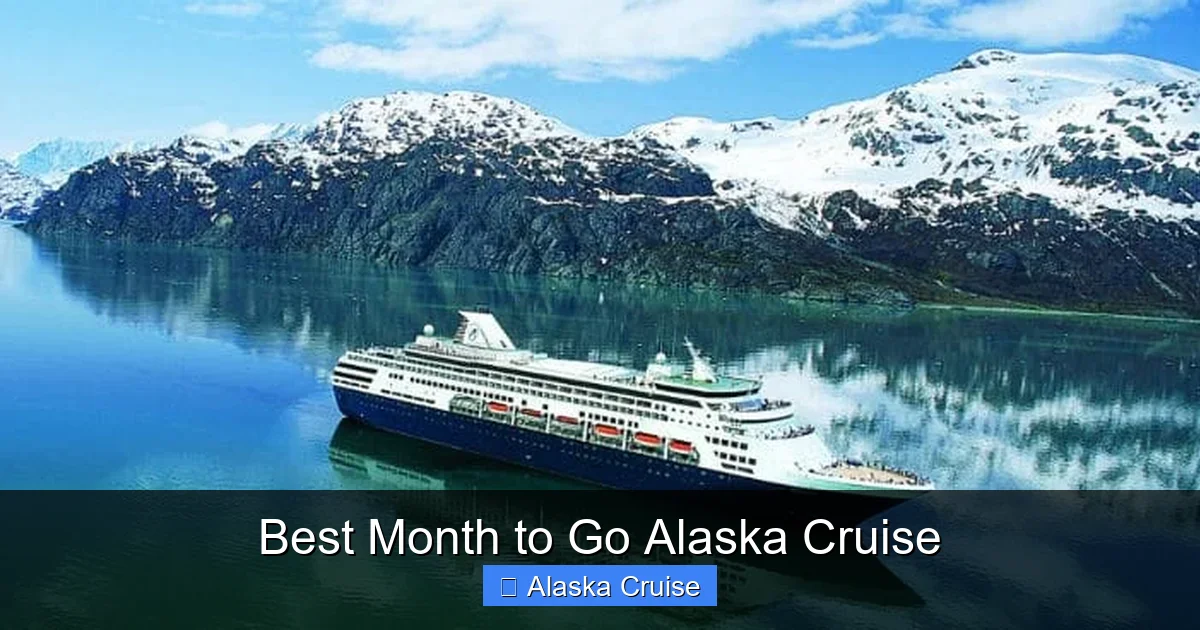
Choosing the best month to go Alaska cruise depends on your priorities—wildlife, weather, or fewer crowds. Peak season runs from June to August, offering warm weather and long daylight hours, while May and September provide quieter experiences with unique seasonal highlights.
Planning an Alaska cruise is one of the most exciting travel decisions you can make. The Last Frontier offers breathtaking glaciers, towering mountains, abundant wildlife, and charming coastal towns—all accessible by ship. But with a cruising season that spans just five months, choosing the best month to go Alaska cruise can make or break your experience. Whether you’re dreaming of spotting humpback whales, hiking through alpine meadows, or sipping coffee while watching a glacier calve into the sea, timing is everything.
So, when should you go? The answer isn’t one-size-fits-all. It depends on what you value most: warm weather, wildlife encounters, fewer crowds, or budget-friendly pricing. The Alaska cruise season typically runs from mid-May to mid-September, with each month offering its own unique charm and challenges. Some travelers prefer the long, sunny days of July, while others enjoy the peaceful solitude and autumn colors of September. Understanding the nuances of each month will help you pick the perfect time for your Alaskan adventure.
In this guide, we’ll walk you through every month of the Alaska cruise season, breaking down the weather, wildlife, crowd levels, and pricing so you can make an informed decision. Whether you’re a first-time cruiser or a seasoned traveler, this comprehensive overview will help you find the best month to go Alaska cruise based on your personal preferences and travel goals.
Key Takeaways
- June offers the best balance of weather, wildlife, and accessibility: Long days, blooming landscapes, and active marine life make it a top choice for first-time cruisers.
- July is the warmest and busiest month: Ideal for families and those seeking full port access, but expect higher prices and larger crowds.
- August brings peak wildlife viewing: Bears, whales, and migratory birds are highly active, especially in coastal and inland areas.
- May provides a quieter, budget-friendly start to the season: Fewer tourists, lower prices, and early-season scenery with snow-capped peaks and emerging greenery.
- September offers stunning fall colors and fewer crowds: Cooler weather, autumn foliage, and excellent wildlife sightings make it a hidden gem for travelers.
- Weather varies significantly by region and month: Coastal areas are milder, while inland destinations like Denali can be much colder, especially in early or late season.
- Booking early secures better cabins and prices: Popular sail dates fill up fast, especially in July and August, so plan ahead.
📑 Table of Contents
- Understanding the Alaska Cruise Season
- May: The Quiet Start to the Season
- June: The Sweet Spot for First-Time Cruisers
- July: Peak Season with Warm Weather and Full Access
- August: Wildlife at Its Peak
- September: Fall Colors and Fewer Crowds
- How to Choose the Best Month for Your Cruise
- Packing Tips for Any Month
- Conclusion
Understanding the Alaska Cruise Season
The Alaska cruise season is relatively short, stretching from May to September. This window is determined by weather conditions, daylight hours, and the operational schedules of cruise lines and tour operators. Outside of this period, many ports are inaccessible due to ice, snow, or limited services. Most major cruise lines—including Holland America, Princess, Royal Caribbean, and Norwegian—operate during this time, offering a range of itineraries that explore the Inside Passage, Gulf of Alaska, and even extend to Denali National Park via land tours.
One of the first things to understand is that Alaska’s weather is highly variable, even within the cruising season. Coastal regions like Juneau, Ketchikan, and Skagway tend to be milder and wetter, while inland areas such as Denali can experience much colder temperatures, especially in the shoulder months. Daylight is another key factor—during the summer solstice in June, Alaska enjoys nearly 20 hours of daylight, giving you plenty of time to explore. By September, daylight decreases significantly, but the trade-off is fewer crowds and stunning fall scenery.
It’s also important to note that not all ports are open year-round. Some smaller communities and attractions may close or reduce services in May and September. For example, helicopter tours to glaciers or dog sledding experiences on the Juneau Icefield may not operate in early May due to snow conditions. Similarly, wildlife activity shifts throughout the season, with certain animals more visible during specific months. Understanding these seasonal patterns will help you align your travel dates with your interests.
May: The Quiet Start to the Season

Visual guide about Best Month to Go Alaska Cruise
Image source: i.ytimg.com
If you’re looking for a more intimate and budget-friendly Alaska cruise experience, May might just be the best month to go Alaska cruise for you. As the season kicks off, the landscape is still transitioning from winter to spring. Snow-capped mountains dominate the horizon, while valleys begin to bloom with early wildflowers. The air is crisp, and the light has a soft, golden quality that photographers love.
Weather in May is cool and unpredictable. Coastal temperatures typically range from 40°F to 55°F (4°C to 13°C), with occasional rain showers. Inland areas like Denali can still be below freezing at night, so packing layers is essential. However, the upside is fewer crowds and lower prices. Cruise lines often offer early-season discounts, and you’ll have a better chance of securing a cabin with a balcony or ocean view without breaking the bank.
Wildlife in May is just beginning to stir. Bears emerge from hibernation and can often be spotted along riverbanks feeding on early salmon runs. Whales are less common in May compared to later months, but you may still see orcas or humpbacks in protected bays. Birdwatchers will enjoy the return of migratory species, including bald eagles, puffins, and sandhill cranes.
One of the biggest advantages of cruising in May is the sense of discovery. Many ports are just reopening, and locals are welcoming the first wave of tourists with open arms. You’ll have more time to chat with shop owners, enjoy uncrowded hiking trails, and experience Alaska at a slower, more personal pace. Just be prepared for some attractions to have limited hours or be closed entirely.
June: The Sweet Spot for First-Time Cruisers
For many travelers, June is the best month to go Alaska cruise. It strikes a perfect balance between favorable weather, abundant wildlife, and manageable crowds. The days are long—up to 18–20 hours of daylight in some areas—giving you ample time to explore ports, take excursions, and soak in the scenery.
Temperatures in June are mild and pleasant, typically ranging from 50°F to 65°F (10°C to 18°C) along the coast. Rain is still possible, but storms are less frequent than in the spring. Inland, Denali National Park begins to thaw, and the tundra starts to turn green. This is also when the famous “midnight sun” phenomenon occurs, especially in northern regions, creating a magical, dreamlike atmosphere.
Wildlife is highly active in June. Humpback whales, orcas, and sea lions are commonly seen along the coast. Bears are frequently spotted in places like Admiralty Island and Katmai National Park, feeding on salmon and grazing on coastal grasses. Birdlife is at its peak, with nesting season in full swing. If you’re lucky, you might even witness a glacier calving event—a thunderous spectacle that’s both awe-inspiring and humbling.
Crowds are moderate in June, more so than in July and August but less intense than the shoulder months. This makes it an excellent time for families, couples, and solo travelers who want a lively but not overwhelming experience. Popular excursions like whale watching, glacier hikes, and flightseeing tours are widely available, and ports like Juneau, Skagway, and Ketchikan are fully operational.
June also offers the best selection of cruise itineraries. Most major lines operate multiple sailings, and you’ll find a wide range of cabin types and pricing options. Whether you prefer a 7-day Inside Passage cruise or a 10-day roundtrip from Seattle, June gives you the most flexibility.
July: Peak Season with Warm Weather and Full Access
July is the height of the Alaska cruise season, and for good reason. It’s the warmest month, with coastal temperatures averaging 55°F to 70°F (13°C to 21°C). The weather is generally stable, and the long daylight hours—up to 19 hours in some areas—mean you can pack a lot into each day. This makes July the best month to go Alaska cruise for families, school groups, and anyone who wants to maximize their time exploring.
With summer in full swing, all ports and attractions are open and operating at full capacity. You’ll find bustling markets in Skagway, lively salmon festivals in Ketchikan, and fully staffed visitor centers in Juneau. Helicopter tours, dog sledding, and glacier walks are all available, and many land tours to Denali National Park are running daily. If you’re planning a cruise-and-land package, July offers the most reliable access to interior Alaska.
Wildlife viewing remains excellent in July. Whales are abundant, especially in areas like Icy Strait Point and Glacier Bay. Bears are frequently seen along the coast, particularly in places like Pack Creek on Admiralty Island. Moose, caribou, and Dall sheep can be spotted in Denali, and birdwatchers will delight in the variety of species nesting in the tundra.
However, July also brings the largest crowds. Popular ports can feel congested, and excursions may sell out quickly. Cruise ships are often at full capacity, and prices are at their highest. If you’re looking for a more relaxed experience, you might want to consider June or August instead. That said, if you don’t mind the crowds and want the full Alaska experience with all the bells and whistles, July is hard to beat.
August: Wildlife at Its Peak
August is a favorite among nature lovers and photographers. While the weather begins to cool slightly—coastal temperatures range from 50°F to 65°F (10°C to 18°C)—the real draw is the incredible wildlife activity. This is the best month to go Alaska cruise if your priority is seeing animals in their natural habitat.
Salmon runs are in full force in August, drawing bears, eagles, and otters to rivers and streams. Brooks Falls in Katmai National Park becomes a hotspot for brown bear viewing, with dozens of bears congregating to feast on spawning salmon. On the coast, humpback whales are highly active, often seen breaching, tail-slapping, and bubble-net feeding. Orcas are also common, especially in the waters around Ketchikan and Sitka.
Bird migration begins in late August, so you may see flocks of sandpipers, geese, and other species preparing for their journey south. Moose and caribou are more visible in Denali as they move to lower elevations. Even marine life like sea otters and harbor seals are frequently spotted along the shoreline.
Crowds in August are still significant, though slightly less intense than in July. Many families have returned home after summer break, and the pace in ports begins to slow. This makes August a great compromise between peak-season access and a more relaxed atmosphere.
One thing to note is that some higher-elevation areas, like the Juneau Icefield, may start to see early snowfall in late August. While this doesn’t usually impact cruise operations, it can affect certain excursions. Be sure to check with your cruise line about availability if you’re planning a late-August trip.
September: Fall Colors and Fewer Crowds
For travelers seeking a more peaceful and visually stunning Alaska cruise, September is the best month to go Alaska cruise. As summer fades, the landscape transforms into a tapestry of gold, red, and orange. The aspen and birch trees in Denali and along the coast turn brilliant shades of yellow, creating a breathtaking contrast against the deep blue skies and snow-dusted mountains.
Weather in September is cooler, with coastal temperatures ranging from 45°F to 60°F (7°C to 15°C). Rain is more likely, and daylight hours decrease rapidly—by the end of the month, you’ll have about 12 hours of daylight. However, the crisp air and clear skies often make for perfect sightseeing conditions.
Wildlife remains active in September. Bears are still feeding heavily to prepare for hibernation, and whales continue to migrate through Alaskan waters. Birdwatchers will enjoy the fall migration, with thousands of birds passing through coastal refuges. Moose and caribou are also more visible as they move to winter ranges.
One of the biggest advantages of cruising in September is the lack of crowds. Most schools are back in session, and the summer tourist rush has subsided. You’ll have more space on excursions, shorter lines at attractions, and a greater chance to connect with locals. Cruise lines often offer end-of-season discounts, making it a budget-friendly option.
However, be aware that some services begin to wind down in September. Not all land tours to Denali operate, and certain ports may have reduced hours. Helicopter tours and dog sledding experiences may be limited or unavailable, especially in late September. Still, for those who value solitude and natural beauty, September offers a uniquely rewarding Alaska cruise experience.
How to Choose the Best Month for Your Cruise
With so many factors to consider, how do you decide the best month to go Alaska cruise? Start by asking yourself what matters most to you. Are you traveling with kids who need warm weather and full access to activities? Then July might be your best bet. Are you a wildlife enthusiast hoping to see bears and whales? August could be ideal. Do you prefer quiet ports and lower prices? May or September might suit you better.
Consider your tolerance for crowds and weather. If you don’t mind cooler temperatures and occasional rain, the shoulder months (May and September) offer excellent value and fewer tourists. If you want the full Alaska experience with all the amenities, June through August is the way to go.
Also think about your itinerary. Some routes, like the Gulf of Alaska cruise that includes Seward and Whittier, are only available in certain months. Similarly, land tours to Denali are more reliable in July and August. Be sure to check the availability of your desired excursions when choosing your travel dates.
Finally, book early—especially if you’re aiming for July or August. Popular sail dates fill up fast, and prices rise as the season approaches. Booking six to nine months in advance can save you money and ensure you get the cabin and itinerary you want.
Packing Tips for Any Month
No matter when you go, packing smart is key to enjoying your Alaska cruise. Layering is essential—temperatures can vary widely from morning to afternoon, and from ship to shore. Bring a waterproof jacket, warm layers like fleece or wool, and sturdy walking shoes. Don’t forget binoculars for wildlife viewing, a reusable water bottle, and sunscreen—yes, even in Alaska, the sun can be strong.
In May and September, pack warmer clothing, including a hat and gloves. In July and August, you can get away with lighter layers, but always bring a rain shell. And remember, cruise ships often have formal nights, so pack at least one nice outfit.
Conclusion
Choosing the best month to go Alaska cruise is a personal decision that depends on your interests, budget, and travel style. Whether you’re drawn to the long sunny days of June, the peak wildlife of August, or the peaceful beauty of September, Alaska has something to offer every traveler. By understanding the seasonal differences and planning ahead, you can ensure your cruise is everything you dreamed of—and more. So pack your bags, grab your camera, and get ready to explore one of the most stunning destinations on Earth.
Frequently Asked Questions
What is the best month to go Alaska cruise for wildlife?
August is widely considered the best month for wildlife viewing. Bears are highly active during salmon runs, and whales, eagles, and migratory birds are abundant. July and September also offer excellent sightings, depending on the species.
Is July too crowded for an Alaska cruise?
July is the busiest month, with peak tourist numbers and higher prices. While it offers full access to ports and excursions, expect larger crowds. If you prefer a quieter experience, consider June or August.
Can you see the Northern Lights on an Alaska cruise?
The Northern Lights are rarely visible during the cruise season due to extended daylight. They are more likely in late September or early October, but most cruise lines don’t operate then.
What should I pack for an Alaska cruise in May?
Pack layers, including a waterproof jacket, warm fleece, hat, and gloves. Temperatures are cool, and rain is common. Don’t forget sturdy shoes and binoculars for wildlife viewing.
Are Alaska cruises worth it in September?
Yes, September offers stunning fall colors, fewer crowds, and lower prices. Wildlife is still active, and the scenery is breathtaking. Just be prepared for cooler weather and some reduced services.
Do all cruise lines operate in May and September?
Most major cruise lines operate in May and September, but itineraries and availability may be limited compared to peak season. Check with your preferred cruise line for specific sail dates.