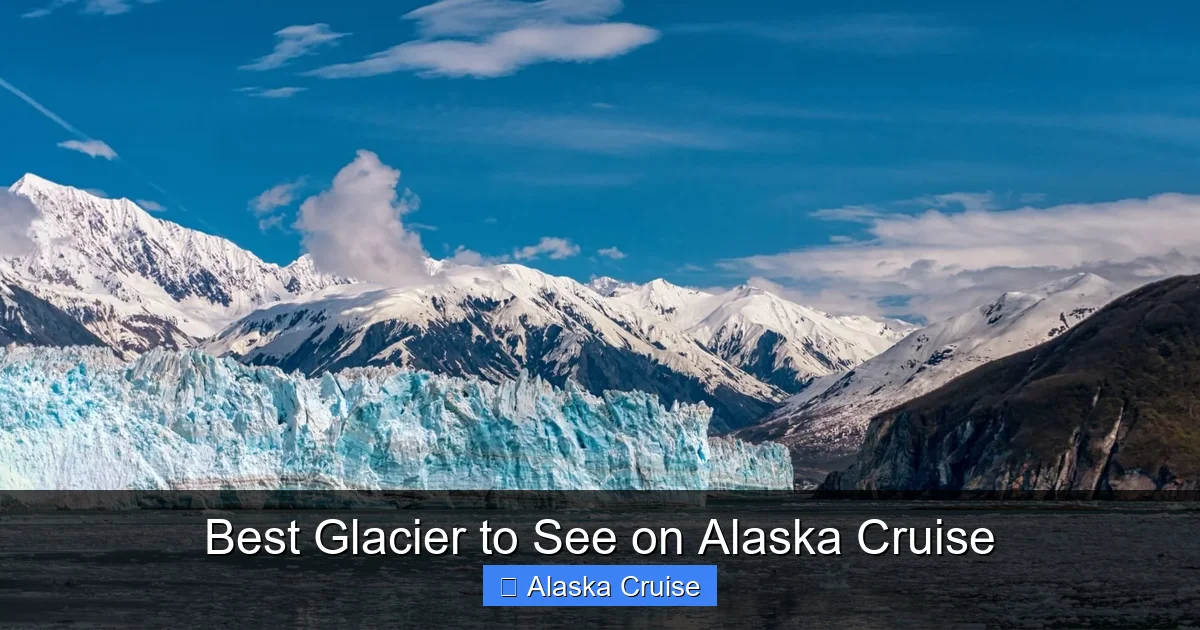
Choosing the best glacier to see on Alaska cruise depends on your interests, but Hubbard Glacier and Mendenhall Glacier stand out for their size, accessibility, and dramatic beauty. Whether you’re drawn to towering ice walls, calving events, or nearby wildlife, Alaska’s glaciers offer once-in-a-lifetime moments that make any cruise unforgettable.
If you’re planning an Alaska cruise, one of the most thrilling parts of the journey is witnessing the raw power and beauty of glaciers. These ancient rivers of ice, carved over thousands of years, stretch across fjords and mountains, creating some of the most breathtaking landscapes on Earth. From the thunderous crash of calving ice to the serene glow of blue ice under the Alaskan sun, glaciers offer a front-row seat to nature’s grand theater.
But with so many glaciers along Alaska’s rugged coastline, how do you know which one is the best glacier to see on Alaska cruise? The answer isn’t one-size-fits-all. It depends on what you’re looking for—whether it’s sheer size, accessibility, wildlife, or the chance to hike near the ice. Some glaciers are best viewed from the deck of a ship, while others invite you to step ashore and explore. And while every glacier has its own charm, a few stand out as must-see destinations for any Alaska cruise traveler.
In this guide, we’ll explore the top glaciers you might encounter on an Alaska cruise, highlight what makes each one special, and help you decide which one aligns with your travel style. Whether you’re a first-time cruiser or a seasoned adventurer, understanding the differences between these icy giants will help you make the most of your Alaskan journey.
Key Takeaways
- Hubbard Glacier is the largest tidewater glacier in North America and a top choice for cruise passengers due to its massive scale and frequent calving.
- Mendenhall Glacier near Juneau offers easy access and hiking trails, making it ideal for travelers who want to explore up close.
- Glacier Bay National Park features over a dozen glaciers in a UNESCO World Heritage site, with guided ranger programs enhancing the experience.
- Tracy Arm and Sawyer Glacier provide dramatic fjord scenery with steep cliffs and wildlife sightings, perfect for nature lovers.
- Best viewing times are between May and September when weather is milder and daylight hours are longest.
- Bring binoculars and dress in layers to fully enjoy glacier viewing and stay comfortable in changing conditions.
- Choose your cruise itinerary wisely—some routes focus on specific glaciers, so research ahead to match your preferences.
📑 Table of Contents
Why Glaciers Are a Must-See on an Alaska Cruise
Glaciers are more than just frozen water—they’re living, breathing parts of Alaska’s ecosystem and climate history. These massive ice formations form over centuries as snow accumulates, compresses, and slowly flows downhill under its own weight. In Alaska, glaciers carve deep valleys, feed rivers, and support a rich web of marine and terrestrial life.
One of the most awe-inspiring aspects of seeing a glacier on an Alaska cruise is witnessing calving—the dramatic moment when chunks of ice break off and crash into the water. It’s loud, powerful, and humbling. The sound can travel for miles, echoing off the fjord walls like thunder. For many travelers, this is the highlight of the trip.
But glaciers also offer quiet beauty. The deep blue hues of compressed ice, the way sunlight reflects off icy surfaces, and the stillness of a fjord at dawn create moments of pure serenity. Plus, glaciers are often surrounded by lush forests, towering peaks, and abundant wildlife—bears, seals, whales, and eagles are common sightings near glacier fronts.
Seeing a glacier up close also gives you a tangible connection to climate change. Many of Alaska’s glaciers are retreating due to warming temperatures, and witnessing their grandeur today may inspire reflection on the importance of environmental stewardship. For travelers, this adds a layer of meaning to the experience—beyond beauty, it’s a reminder of nature’s fragility and resilience.
Top Glaciers to See on an Alaska Cruise
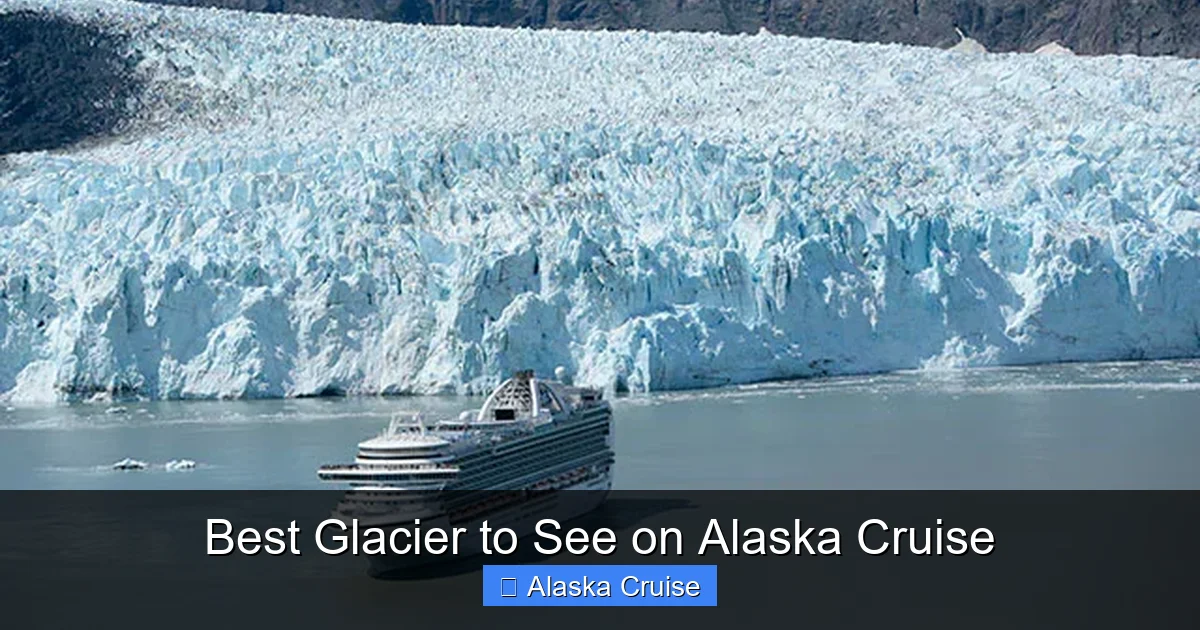
Visual guide about Best Glacier to See on Alaska Cruise
Image source: princess.com
Alaska is home to over 100,000 glaciers, but only a handful are accessible by cruise ships. These glaciers vary in size, location, and viewing experience. Below are the top glaciers you’re likely to encounter on a typical Alaska cruise, each offering a unique perspective on the state’s icy wonders.
Hubbard Glacier: The Giant of the North
If you’re looking for scale and spectacle, Hubbard Glacier is the best glacier to see on Alaska cruise for sheer size and power. Located in Disenchantment Bay near Yakutat, Hubbard is the largest tidewater glacier in North America, stretching over 76 miles long and up to 7 miles wide at its face. It advances about 100 feet per year—yes, it’s actually growing—and regularly calves massive icebergs into the bay.
Cruise ships often spend several hours navigating near Hubbard Glacier, allowing passengers to witness calving events up close. The glacier’s towering blue walls can rise 200 to 300 feet above the water, creating a dramatic backdrop for photos and quiet reflection. Wildlife is also abundant here—seals often rest on ice floes, and orcas and humpback whales are frequently spotted in the surrounding waters.
One of the best things about Hubbard Glacier is that it’s included on many major cruise itineraries, especially those sailing through the Gulf of Alaska. Because it’s so large, even from a distance, it’s impossible to miss. But the real magic happens when the ship slows down and you hear the deep rumble of ice breaking apart. It’s a sound you’ll never forget.
Mendenhall Glacier: Accessible and Scenic
While Hubbard Glacier impresses with size, Mendenhall Glacier wins points for accessibility and visitor experience. Located just 12 miles from Juneau, Alaska’s capital city, Mendenhall is one of the few glaciers that can be easily reached by land. This makes it a top choice for travelers who want to get off the ship and explore.
The Mendenhall Glacier Visitor Center, operated by the U.S. Forest Service, offers educational exhibits, ranger-led programs, and stunning views of the glacier from multiple overlooks. There are also several hiking trails that lead to viewpoints and even to the edge of the glacier’s outflow lake. The Nugget Falls Trail, for example, takes you to a waterfall that cascades down near the glacier’s face—perfect for photos and a bit of adventure.
What makes Mendenhall special is its balance of beauty and convenience. You can see the glacier from the comfort of a heated visitor center or challenge yourself with a hike. It’s also surrounded by lush rainforest, creating a striking contrast between ice and greenery. Plus, the area is home to black bears, bald eagles, and salmon during spawning season.
Because it’s so close to Juneau, Mendenhall Glacier is a popular stop on most Alaska cruise itineraries. Ships typically dock in Juneau for a full day, giving passengers plenty of time to visit the glacier, shop in town, or take a helicopter tour for an aerial view.
Glacier Bay National Park: A Glacier Lover’s Paradise
For travelers who want to see multiple glaciers in one location, Glacier Bay National Park is the ultimate destination. This UNESCO World Heritage site is home to over a dozen major glaciers, including the famous Margerie and Grand Pacific Glaciers. The park covers over 3.3 million acres of pristine wilderness, with towering mountains, deep fjords, and abundant wildlife.
Cruise ships that enter Glacier Bay are required to have a National Park Service ranger on board, who provides live commentary and educational programs throughout the day. This adds immense value to the experience, as rangers share insights about glacier formation, climate change, and the park’s ecosystem.
Margerie Glacier, in particular, is a highlight. It’s a tidewater glacier that frequently calves, sending house-sized ice blocks into the bay. The glacier’s face is nearly vertical, rising up to 250 feet above the water, and its deep blue ice glows in the sunlight. Grand Pacific Glacier, on the other hand, is a piedmont glacier that flows from the Fairweather Range and spills into the bay.
One of the best things about Glacier Bay is the sense of remoteness. There are no roads or towns nearby—just nature in its purest form. The silence, broken only by the sound of calving ice and bird calls, is profoundly moving. Wildlife sightings are common, including brown bears, mountain goats, harbor seals, and humpback whales.
Most major cruise lines include Glacier Bay in their Inside Passage itineraries, typically between Juneau and Skagway. The park is only accessible by boat or plane, so a cruise is one of the best ways to experience it.
Tracy Arm and Sawyer Glacier: Dramatic Fjord Scenery
If you’re drawn to dramatic landscapes, Tracy Arm and its twin glaciers—North and South Sawyer—should be on your radar. This narrow, 30-mile-long fjord is surrounded by steep granite cliffs that rise over 3,000 feet on either side. Waterfalls cascade down the rock faces, and the water is so clear you can see icebergs floating just below the surface.
South Sawyer Glacier is the main attraction here. It’s a tidewater glacier that calves frequently, and cruise ships often get close enough to feel the chill of the ice. The glacier’s face is jagged and blue, with deep crevasses and overhangs that make it look like a frozen fortress.
One of the best ways to experience Tracy Arm is on a smaller ship or a day cruise from Juneau. Larger cruise ships may not be able to navigate the narrow fjord, but smaller vessels can get much closer to the glacier. Some tours even include kayaking or Zodiac boat rides, allowing you to paddle among icebergs and get within feet of the glacier.
Wildlife in Tracy Arm is abundant. You might spot black bears foraging along the shore, seals basking on ice floes, or even a rare sighting of a glacier bear—a subspecies of black bear with a unique bluish-gray coat. Bald eagles nest in the tall trees, and orcas have been known to hunt in the fjord.
Because Tracy Arm is less crowded than other glacier destinations, it offers a more intimate and adventurous experience. It’s ideal for travelers who want to escape the crowds and immerse themselves in raw, untouched nature.
Other Notable Glaciers: LeConte and Norris
While Hubbard, Mendenhall, Glacier Bay, and Tracy Arm are the most popular, a few other glaciers deserve mention for their unique qualities.
LeConte Glacier, located near Petersburg, is the southernmost tidewater glacier in the Northern Hemisphere. It’s smaller than Hubbard or Margerie, but it’s known for its frequent calving and proximity to town. Visitors can take a boat tour from Petersburg to see the glacier up close, and the area is rich in Tlingit culture and history.
Norris Glacier, also in the Petersburg area, is a piedmont glacier that flows into Frederick Sound. It’s less visited than LeConte, but it offers stunning views and a quieter experience. Both glaciers are accessible via small boat tours, making them great options for travelers who want to explore beyond the main cruise routes.
These lesser-known glaciers offer a chance to see Alaska’s icy wonders without the crowds. They’re perfect for photographers, nature lovers, and anyone seeking a more personal connection with the landscape.
How to Choose the Best Glacier for Your Cruise
With so many incredible options, how do you decide which glacier to prioritize? The answer depends on your travel style, interests, and the type of cruise you’re taking.
If you’re on a large cruise ship sailing the Inside Passage, you’ll likely visit Glacier Bay and possibly Tracy Arm or Hubbard Glacier, depending on the itinerary. These routes are designed to showcase the best of Alaska’s glaciers, wildlife, and coastal towns.
If you prefer a more intimate experience, consider a smaller ship or a cruise that focuses on the Gulf of Alaska. These itineraries often include Hubbard Glacier and may offer more time in remote areas like Disenchantment Bay or Icy Strait.
For travelers who want to combine glacier viewing with hiking and cultural experiences, Mendenhall Glacier near Juneau is hard to beat. It’s easy to access, family-friendly, and surrounded by trails and wildlife.
Here are a few tips to help you choose:
– Check your cruise itinerary: Not all ships visit the same glaciers. Some focus on the Inside Passage, while others sail to the Gulf of Alaska. Research your route in advance.
– Consider the time of year: Glaciers are most active in summer (June to August), when calving is more frequent. However, shoulder seasons (May and September) offer fewer crowds and lower prices.
– Think about your activity level: If you want to hike or take a helicopter tour, Mendenhall or Tracy Arm may be better choices. If you prefer to stay on the ship, Hubbard or Glacier Bay offer spectacular views from the deck.
– Ask about ranger programs: Glacier Bay’s ranger-led tours add educational value. If learning about glaciers and climate change is important to you, prioritize this destination.
Ultimately, the best glacier to see on Alaska cruise is the one that matches your interests and travel style. Whether you’re drawn to size, scenery, or solitude, Alaska’s glaciers won’t disappoint.
Tips for the Best Glacier Viewing Experience
Seeing a glacier is a highlight of any Alaska cruise, but a few simple tips can make the experience even better.
First, bring binoculars. While glaciers are large, details like crevasses, wildlife, and calving events are easier to see with magnification. Binoculars also help you spot seals on ice floes or eagles perched on cliffs.
Second, dress in layers. Weather near glaciers can be unpredictable. It might be sunny one minute and foggy the next. Wear a waterproof jacket, warm layers, and non-slip shoes—especially if you plan to go ashore.
Third, be patient. Calving doesn’t happen on a schedule. Sometimes you’ll see multiple events in an hour; other times, the glacier may be quiet for hours. Use the time to enjoy the scenery, take photos, or chat with fellow passengers.
Fourth, respect the environment. Stay on designated paths, don’t litter, and keep a safe distance from wildlife. Remember, you’re a guest in a fragile ecosystem.
Finally, take it all in. Put down your phone sometimes and just watch. Listen to the sounds, feel the cool air, and appreciate the moment. Glaciers are a reminder of nature’s power and beauty—something worth savoring.
Conclusion: The Magic of Alaska’s Glaciers
There’s no single “best” glacier to see on Alaska cruise—each offers its own magic. Hubbard Glacier impresses with size, Mendenhall with accessibility, Glacier Bay with diversity, and Tracy Arm with drama. What they all share is the ability to leave a lasting impression.
Whether you’re watching ice crash into the sea, hiking to a glacier’s edge, or simply gazing at a frozen river from your ship’s deck, these moments connect you to something greater. They remind us of the planet’s ancient rhythms, the beauty of untouched wilderness, and the importance of protecting it for future generations.
So as you plan your Alaska cruise, take the time to research the glaciers on your route. Talk to your cruise line, read reviews, and consider what kind of experience you want. And when the moment comes—when you see that first wall of blue ice rising from the water—take a deep breath and let the wonder sink in.
Alaska’s glaciers aren’t just sights to see. They’re stories to experience, memories to carry, and reminders of the incredible power and beauty of the natural world.
Frequently Asked Questions
Which glacier is the largest on an Alaska cruise?
Hubbard Glacier is the largest tidewater glacier in North America and a top highlight on many Alaska cruise itineraries. It stretches over 76 miles and regularly calves massive icebergs into Disenchantment Bay.
Can you walk on a glacier during an Alaska cruise?
Most glaciers are not accessible for walking due to safety and environmental concerns. However, Mendenhall Glacier offers hiking trails that lead to viewpoints and the glacier’s outflow lake, and some tours include guided glacier walks with proper gear.
What is the best time of year to see glaciers on an Alaska cruise?
The best time is between May and September, when weather is milder, daylight hours are long, and calving activity is at its peak. June through August offers the most stable conditions and wildlife sightings.
Do all Alaska cruises visit glaciers?
Most major Alaska cruises include at least one glacier stop, such as Hubbard, Mendenhall, or Glacier Bay. However, itineraries vary, so check your cruise route in advance to confirm glacier visits.
Is it safe to get close to a glacier on a cruise?
Yes, cruise ships maintain a safe distance from glaciers to avoid ice hazards. Calving can create waves, so ships keep a respectful buffer. Always follow crew instructions and stay on designated viewing areas.
What should I bring for glacier viewing on a cruise?
Bring binoculars for closer views, dress in waterproof layers, wear non-slip shoes, and carry a camera with extra batteries. A hat and sunglasses are also helpful for sun reflection off the ice.