Alaska’s glacier cruises offer awe-inspiring views of massive ice formations, towering fjords, and abundant wildlife. From Juneau to Glacier Bay, these journeys blend adventure and serenity for an unforgettable experience.
Key Takeaways
- Best Time to Go: May through September offers mild weather, longer daylight, and peak wildlife activity.
- Top Cruise Lines: UnCruise Adventures, Lindblad Expeditions, and Princess Cruises offer expert-led, immersive glacier experiences.
- Must-See Glaciers: Mendenhall, Hubbard, and Margerie Glaciers are among the most accessible and dramatic.
- Wildlife Viewing: Expect humpback whales, sea otters, bald eagles, and brown bears along the coast.
- Small Ships Win: Smaller vessels provide closer access to glaciers and more personalized tours.
- Pack Smart: Waterproof layers, binoculars, and a good camera are essential for comfort and capturing memories.
- Book Early: Popular routes and ships fill up fast—reserve 6–12 months in advance.
📑 Table of Contents
- Why Glacier Cruises in Alaska Are a Once-in-a-Lifetime Experience
- Best Time to Take a Glacier Cruise in Alaska
- Top Glacier Cruise Lines and Ships
- Must-See Glaciers and Fjords
- Wildlife You’ll Encounter on a Glacier Cruise
- Packing Tips for Your Glacier Cruise
- How to Choose the Right Glacier Cruise for You
- Environmental Responsibility and Glacier Conservation
- Conclusion: Why You Should Book a Glacier Cruise in Alaska
Why Glacier Cruises in Alaska Are a Once-in-a-Lifetime Experience
Imagine standing on the deck of a ship, the crisp Alaskan air filling your lungs, as a wall of blue ice rises hundreds of feet above the water. Below, chunks of glacier calve into the sea with a thunderous crack, sending ripples across the still fjord. This is the magic of Alaska’s glacier cruises—a front-row seat to one of nature’s most powerful and beautiful spectacles.
Alaska is home to over 100,000 glaciers, covering nearly 8% of the state. These icy giants, many of which are thousands of years old, carve through mountains and feed into pristine fjords, creating landscapes that feel almost otherworldly. A glacier cruise lets you witness these natural wonders up close, often from just a few hundred yards away. Whether you’re gliding past the towering face of the Hubbard Glacier or floating silently near the serene Margerie Glacier, the experience is both humbling and exhilarating.
But it’s not just about the ice. These cruises offer a full sensory immersion into Alaska’s wild heart. You’ll hear the echo of calving ice, smell the fresh, clean air, and see wildlife thriving in untouched habitats. From breaching humpback whales to playful sea otters and soaring bald eagles, every moment feels like a scene from a nature documentary. And with expert naturalists on board, you’ll gain deep insights into the geology, ecology, and conservation efforts that shape this remarkable region.
Best Time to Take a Glacier Cruise in Alaska
Timing is everything when it comes to glacier cruises in Alaska. The cruising season runs from mid-May to mid-September, but each month offers a slightly different experience.
May and Early June: Quiet and Wild
If you prefer fewer crowds and don’t mind cooler weather, May and early June are ideal. The snow is still melting, and rivers are swollen with runoff, making waterfalls especially dramatic. Wildlife is active—bears are foraging along the shore, and migratory birds are arriving in full force. While some smaller ports may still be closed, the scenery is raw and untouched, and you’ll have a more intimate experience with nature.
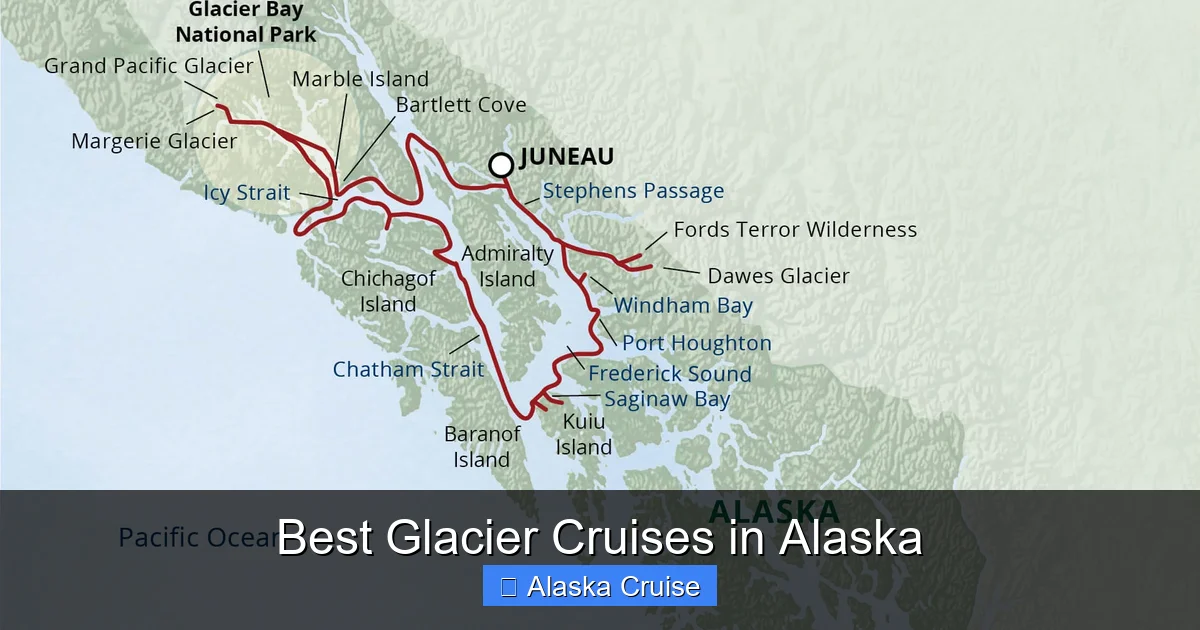
Visual guide about Best Glacier Cruises in Alaska
Image source: smallshipadventurecruises.com
July and August: Peak Season
These are the most popular months for a reason. The weather is milder, daylight stretches well into the evening (with nearly 18 hours of sun in Juneau), and all ports and attractions are fully operational. This is also the best time for whale watching—humpbacks, orcas, and even blue whales can be spotted feeding in nutrient-rich waters. However, expect larger crowds and higher prices. Booking early is essential.
September: Crisp Air and Fall Colors
As summer fades, September brings cooler temperatures and stunning fall foliage. The crowds thin out, and the light takes on a golden hue that photographers love. While some cruise lines end their season by mid-September, those that operate later offer a peaceful, reflective experience. Wildlife is still active, and the chance to see the northern lights increases as nights grow longer.
Top Glacier Cruise Lines and Ships
Not all glacier cruises are created equal. The best experiences come from lines that prioritize small ships, expert guides, and immersive itineraries. Here are some of the top operators offering unforgettable glacier adventures.
UnCruise Adventures: Intimate and Adventurous
UnCruise is a favorite among travelers seeking a hands-on, small-group experience. Their fleet of ships carries between 22 and 88 passengers, allowing for flexible itineraries and access to remote inlets. Onboard naturalists and guest speakers provide daily lectures on glaciology, marine biology, and Alaskan history. Their “Wild Alaska” itinerary includes stops at Tracy Arm Fjord, where the Sawyer Glaciers calve dramatically, and Glacier Bay National Park, a UNESCO World Heritage Site.
Lindblad Expeditions: Science Meets Adventure
Partnering with National Geographic, Lindblad offers educational and visually stunning cruises. Their ships, like the National Geographic Quest, are equipped with kayaks, Zodiacs, and underwater cameras for up-close exploration. Their “Alaska’s Inside Passage” route features daily wildlife sightings and expert-led excursions. One highlight is a Zodiac ride near the Margerie Glacier, where you can hear the ice “sing” as it shifts and cracks.
Princess Cruises: Comfort and Scenic Views
For travelers who want a balance of luxury and scenery, Princess Cruises offers larger ships with panoramic viewing areas. Their “Connoisseur” and “Discovery” ships include glass-walled lounges and outdoor decks perfect for glacier viewing. The “Glacier Bay Day” is a highlight, with a National Park Service ranger joining the crew to narrate the journey through the park’s most dramatic ice formations.
Major Marine Tours: Day Cruises with Big Impact
If you’re based in Seward or Whittier, Major Marine Tours offers full-day glacier cruises into Kenai Fjords National Park. Their high-speed catamarans reach the Holgate and Aialik Glaciers quickly, maximizing time at the ice. With onboard naturalists and guaranteed whale sightings, these tours are ideal for travelers with limited time or those combining a cruise with land exploration.
Must-See Glaciers and Fjords
Alaska’s glaciers are as diverse as they are massive. Each offers a unique experience, from thunderous calving events to serene, mirror-like reflections.
Hubbard Glacier: The Largest Tidewater Glacier
Stretching over 76 miles and reaching heights of 400 feet above water, Hubbard Glacier is a true giant. Located in Yakutat Bay, it’s one of the few advancing glaciers in the world. Cruises often pause near the glacier’s face, where massive icebergs calve with explosive force. The surrounding area is rich with marine life, including sea lions and harbor seals basking on ice floes.
Margerie Glacier: The Crown Jewel of Glacier Bay
Flowing from the Fairweather Range into Glacier Bay, Margerie Glacier is renowned for its deep blue ice and frequent calving. Its towering face, often over 300 feet high, creates a stunning backdrop for photos. The glacier moves about 6 feet per day, and its constant movement means no two visits are the same. Naturalists often compare it to a living, breathing entity.
Mendenhall Glacier: Accessible and Family-Friendly
Just 12 miles from Juneau, Mendenhall Glacier is one of the most accessible glaciers in Alaska. While many cruises don’t go directly to the glacier, shore excursions from Juneau allow visitors to hike to Nugget Falls or take a guided walk on the ice. The visitor center offers educational exhibits, and the surrounding Tongass National Forest is home to black bears and salmon runs.
Tracy Arm and Sawyer Glaciers: A Fjord of Ice
Tracy Arm is a narrow, U-shaped fjord flanked by 3,000-foot cliffs. At its end lie the North and South Sawyer Glaciers, which calve frequently and dramatically. The fjord is often filled with icebergs, creating a surreal, frozen landscape. Wildlife includes mountain goats on the cliffs and orcas hunting in the deep channels. Due to its remote location, only small ships can navigate Tracy Arm, making it a highlight for adventure seekers.
Wildlife You’ll Encounter on a Glacier Cruise
A glacier cruise isn’t just about ice—it’s a wildlife safari on water. Alaska’s coastal ecosystems are among the richest in the world, supporting a stunning array of marine and terrestrial species.
Marine Mammals: Whales, Seals, and Otters
Humpback whales are the stars of the show, often seen breaching, tail-slapping, or feeding in groups. Orcas, or killer whales, are also common, especially in areas with abundant salmon. Sea otters float on their backs, using rocks to crack shellfish, while harbor seals and Steller sea lions lounge on ice floes near glaciers. Keep your binoculars ready—these animals are curious and often approach boats.
Birds of Prey and Seabirds
Bald eagles nest in tall trees along the shore, their white heads gleaming against the green forest. Puffins, with their colorful beaks, dart through the water in search of fish. Tufted puffins and horned puffins are common in the summer, especially around Glacier Bay and the Inside Passage. Meanwhile, cormorants, gulls, and kittiwakes fill the skies, creating a constant chorus of calls.
Land Mammals: Bears and Goats
Brown bears and black bears are frequently spotted along the shoreline, especially in areas with salmon runs. In Katmai National Park and along the coast near Ketchikan, bears can be seen fishing or grazing on sedges. Mountain goats, with their shaggy white coats, cling to steep cliffs, often near glacier-fed streams. Spotting these animals from a respectful distance is a highlight for many travelers.
Packing Tips for Your Glacier Cruise
Packing for a glacier cruise requires preparation for variable weather and active exploration. The key is layering and waterproofing.
Clothing: Dress in Layers
Even in summer, temperatures on the water can drop into the 40s and 50s (°F). Start with a moisture-wicking base layer, add a fleece or down mid-layer, and top it off with a waterproof, windproof jacket. Waterproof pants are essential for Zodiac rides and kayaking. Don’t forget a warm hat, gloves, and a buff or scarf for wind protection.
Footwear: Grip and Dryness Matter
Non-slip, waterproof boots are a must. Many ships provide rubber boots for landings, but bringing your own ensures a better fit. Avoid sneakers—they offer little grip on wet decks and won’t keep your feet dry during shore excursions.
Gear: Binoculars and Cameras
Binoculars are invaluable for spotting wildlife and distant glaciers. A camera with a good zoom lens will help you capture calving ice and breaching whales. Bring extra batteries and memory cards—cold weather drains power quickly. A dry bag protects your gear during wet landings.
Other Essentials
Sunscreen and sunglasses are crucial, even on cloudy days—the reflection off ice and water intensifies UV exposure. Motion sickness medication is wise, especially for Zodiac rides in choppy waters. And don’t forget a reusable water bottle—many ships offer filtered water to reduce plastic waste.
How to Choose the Right Glacier Cruise for You
With so many options, selecting the perfect cruise can feel overwhelming. Consider these factors to find the best fit.
Ship Size and Itinerary
Small ships (under 100 passengers) offer more flexibility and access to remote areas. Larger ships provide more amenities but may stick to standard routes. Decide whether you prefer adventure or comfort.
Duration and Departure Port
Cruises range from 3-day day trips to 14-day voyages. Common departure ports include Seattle, Vancouver, Seward, and Juneau. Choose based on your travel time and interests.
Included Activities
Some cruises include kayaking, hiking, and cultural tours. Others focus on wildlife and glacier viewing. Review the daily schedule to ensure it matches your pace and interests.
Price and Value
Prices vary widely, from $150 for a day tour to $10,000+ for luxury expeditions. Consider what’s included—meals, excursions, gratuities, and airfare. Sometimes a higher price means better guides, smaller groups, and more immersive experiences.
Environmental Responsibility and Glacier Conservation
As climate change accelerates glacier retreat, responsible tourism is more important than ever. Many cruise lines are taking steps to reduce their impact.
Low-Impact Practices
Small ships produce fewer emissions and disturb wildlife less. Some operators use hybrid engines or solar panels. Waste is carefully managed, and single-use plastics are minimized.
Supporting Conservation
Look for cruises that partner with conservation groups or contribute to research. Lindblad Expeditions, for example, supports ocean health initiatives through its partnership with National Geographic. UnCruise donates to local Alaskan communities and environmental programs.
Respectful Viewing
Always follow guidelines for wildlife and glacier viewing. Maintain a safe distance, avoid loud noises, and never touch or feed animals. Remember: you’re a guest in their home.
Conclusion: Why You Should Book a Glacier Cruise in Alaska
A glacier cruise in Alaska is more than a vacation—it’s a journey into the heart of one of the planet’s last great wildernesses. The combination of towering ice, abundant wildlife, and expert storytelling creates an experience that stays with you long after you return home. Whether you’re marveling at the scale of Hubbard Glacier, kayaking beside icebergs in Tracy Arm, or spotting a humpback whale breach near Glacier Bay, every moment feels sacred.
These cruises offer a rare chance to witness the power and fragility of nature in real time. As glaciers continue to retreat due to climate change, seeing them up close becomes not just a privilege, but a responsibility. By choosing eco-conscious operators and respecting the environment, you can help ensure these wonders endure for future generations.
So pack your layers, charge your camera, and prepare to be awed. The best glacier cruises in Alaska await—ready to show you the wild, icy soul of the Last Frontier.
Frequently Asked Questions
What is the best month for a glacier cruise in Alaska?
July and August offer the best weather, longest days, and peak wildlife activity. However, May and September provide fewer crowds and unique seasonal beauty.
Do I need to book a glacier cruise in advance?
Yes, especially for small-ship expeditions. Popular routes and ships fill up 6–12 months in advance, particularly during peak season.
Are glacier cruises safe?
Absolutely. Ships follow strict safety protocols, and crew members are trained in emergency procedures. Always listen to safety briefings and wear life jackets during excursions.
Can I see glaciers on a day cruise?
Yes, day cruises from Seward, Juneau, or Whittier offer excellent glacier viewing. Major Marine Tours and Alaska Sea Adventures operate popular full-day trips.
What should I wear on a glacier cruise?
Dress in waterproof, layered clothing. Bring a warm jacket, gloves, hat, and non-slip boots. Binoculars and a camera are also recommended.
Will I get seasick on a glacier cruise?
Waters in the Inside Passage are generally calm, but choppy conditions can occur. If you’re prone to motion sickness, take medication before boarding and stay on deck for fresh air.