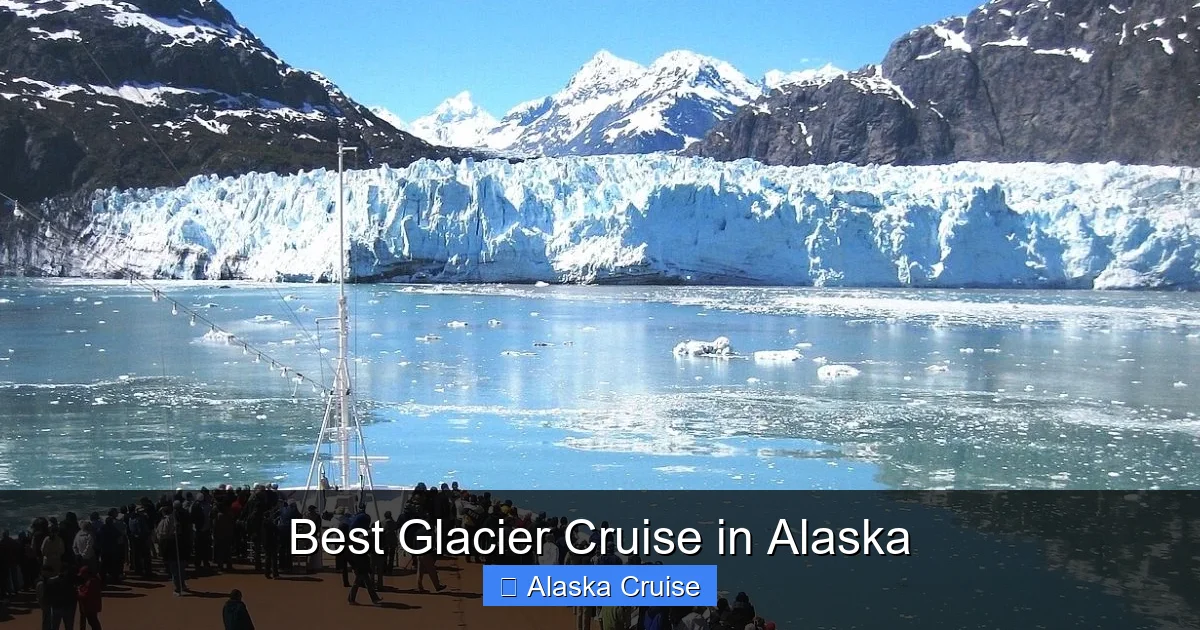
Looking for the best glacier cruise in Alaska? You’re in the right place. This guide covers everything from top cruise lines and scenic routes to wildlife sightings and travel tips, so you can choose the perfect icy adventure.
Key Takeaways
- Glacier Bay National Park is a top destination: Home to over 1,000 glaciers, including the famous Margerie and Grand Pacific Glaciers, it offers some of the most dramatic ice formations in Alaska.
- Smaller ships offer better access: Smaller vessels can get closer to glaciers and navigate narrow fjords, giving you more intimate and immersive experiences.
- Wildlife sightings are common: Expect to see humpback whales, sea otters, puffins, and even bears along the shoreline during your cruise.
- Best time to go is May to September: Summer months offer longer days, milder weather, and peak glacier activity, including calving events.
- Book early for prime cabins and deals: Popular glacier cruises fill up fast, especially for window seats and balcony staterooms with ocean views.
- Pack layers and waterproof gear: Even in summer, temperatures near glaciers can drop quickly, so bring a warm jacket, raincoat, and non-slip shoes.
- Choose a cruise with naturalist guides: Expert commentary enhances your experience, helping you understand glacier science, wildlife behavior, and local history.
📑 Table of Contents
Why a Glacier Cruise in Alaska Should Be on Your Bucket List
Imagine standing on the deck of a ship, the crisp mountain air filling your lungs, as a massive wall of blue ice towers before you. Then, with a thunderous crack, a chunk the size of a building breaks off and crashes into the sea. That’s the magic of a glacier cruise in Alaska—a front-row seat to one of nature’s most powerful and beautiful spectacles.
Alaska is home to over 100,000 glaciers, covering nearly 5% of the state. These icy giants have been sculpting the landscape for thousands of years, carving deep fjords, creating serene bays, and feeding cold, nutrient-rich waters that support a rich marine ecosystem. A glacier cruise lets you witness this natural wonder up close, offering views and experiences you simply can’t get from land.
But not all glacier cruises are created equal. Some offer luxury and comfort, while others focus on adventure and access. Some sail through world-famous parks, while others explore hidden gems off the beaten path. Choosing the best glacier cruise in Alaska means understanding your priorities—whether that’s wildlife, photography, comfort, or educational value.
In this guide, we’ll walk you through everything you need to know to pick the perfect glacier cruise. From the top routes and cruise lines to packing tips and wildlife spotting, we’ve got you covered. Whether you’re a first-time cruiser or a seasoned traveler, this is your go-to resource for an unforgettable Alaskan adventure.
Top Glacier Cruise Destinations in Alaska
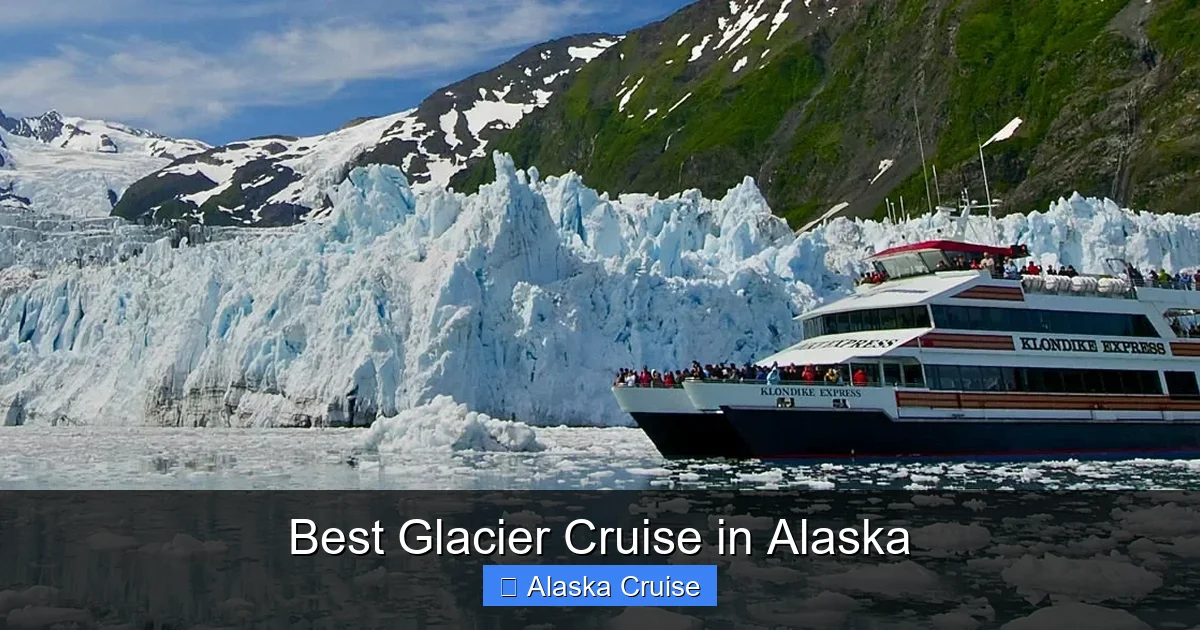
Visual guide about Best Glacier Cruise in Alaska
Image source: phillipscruises.com
Alaska’s coastline is dotted with stunning glaciers, but a few destinations stand out for their accessibility, beauty, and wildlife. Here are the top spots you’ll want to include on your glacier cruise itinerary.
Glacier Bay National Park
Glacier Bay is arguably the crown jewel of Alaska’s glacier destinations. This UNESCO World Heritage Site and national park spans over 3.3 million acres and is home to more than 1,000 glaciers. The park is accessible only by boat or plane, making a cruise the most popular way to explore it.
Two of the most famous glaciers here are the Margerie Glacier and the Grand Pacific Glacier. The Margerie is a classic tidewater glacier, stretching over 21 miles and rising up to 300 feet above the water. It’s known for its striking blue ice and frequent calving events—when chunks of ice break off and splash into the sea. The Grand Pacific Glacier, on the other hand, is a massive river of ice that flows down from the Saint Elias Mountains and meets the sea in a dramatic ice wall.
Cruises through Glacier Bay often include guided commentary from National Park Service rangers who board the ship. These experts share fascinating insights about glacier formation, climate change, and the park’s rich Tlingit heritage. You’ll also have a good chance of spotting humpback whales, orcas, sea lions, and bald eagles.
Kenai Fjords National Park
Located near Seward on the Kenai Peninsula, Kenai Fjords is another must-visit destination for glacier lovers. This park is home to the Harding Icefield, which feeds over 40 glaciers, including the famous Exit Glacier and the awe-inspiring Aialik Glacier.
A cruise through Kenai Fjords typically departs from Seward and sails through Resurrection Bay before entering the fjords. The highlight is often a close approach to Aialik Glacier, where you can watch ice calve into the water and listen to the echoing booms that follow. The area is also a hotspot for marine wildlife. Keep your eyes peeled for sea otters floating on their backs, puffins darting through the air, and pods of orcas hunting for fish.
One of the best things about Kenai Fjords is the variety of cruise options. You can choose from small, high-speed catamarans that get you closer to the ice, or larger, more stable vessels with panoramic windows and heated cabins. Many cruises also offer optional add-ons like kayaking or wildlife photography workshops.
Tracy Arm and Endicott Arm
For a more remote and rugged experience, consider a cruise through Tracy Arm or Endicott Arm. These narrow, glacier-carved fjords are located near Juneau and are accessible only by boat. Tracy Arm is often called the “fjord of the glaciers” because it’s home to the stunning Sawyer Glaciers—North and South Sawyer—which rise dramatically from the water’s edge.
Endicott Arm, meanwhile, is known for its towering cliffs, cascading waterfalls, and the impressive Dawes Glacier. Both fjords offer incredible photo opportunities, especially at sunrise or sunset when the light hits the ice just right. Wildlife sightings are common here too, including black bears foraging along the shore and harbor seals resting on ice floes.
Because these fjords are narrower and more remote, smaller ships are often the best choice. They can navigate tight spaces and get closer to the glaciers without disturbing the environment. Some cruises even include a stop at the Fords Terror Wilderness, a protected area with pristine forests and dramatic waterfalls.
Best Cruise Lines for Glacier Viewing
Not all cruise lines are created equal when it comes to glacier experiences. Some specialize in luxury, while others focus on adventure or education. Here are some of the top cruise lines offering the best glacier cruise in Alaska.
Holland America Line
Holland America is a favorite among travelers seeking a balance of comfort and exploration. Their ships are mid-sized, which means they can access smaller ports and get closer to glaciers than mega-ships. They offer several Alaska itineraries that include Glacier Bay National Park, with rangers joining the cruise to provide educational talks.
One of their standout features is the “Cruisetour” option, which combines a cruise with a land tour. You can explore Denali National Park or take a scenic train ride through the Alaskan wilderness before or after your cruise. Holland America also offers excellent dining, spacious cabins, and a relaxed atmosphere perfect for travelers who want to unwind while still seeing the highlights.
Princess Cruises
Princess Cruises is another top choice for glacier lovers. They operate some of the largest ships in Alaska, but they’ve designed them with glacier viewing in mind. Many of their vessels feature panoramic lounges, outdoor viewing decks, and even glass-bottomed viewing areas.
Princess offers a variety of itineraries, including the popular “Inside Passage” route that stops at Glacier Bay, Juneau, Skagway, and Ketchikan. Their “North to Alaska” program includes immersive experiences like cooking classes with local ingredients and cultural performances by Native Alaskan artists.
One unique feature is their “Medsail” program, where guests can participate in a mock medical evacuation drill—a fun and educational way to learn about emergency procedures at sea. Princess also partners with the Glacier Bay National Park Conservancy to support conservation efforts.
UnCruise Adventures
If you’re looking for a more intimate and adventurous experience, UnCruise Adventures is hard to beat. These small ships—some as small as 22 passengers—are designed for exploration and access. They can sail into narrow fjords, anchor near glaciers, and offer guided kayaking, hiking, and wildlife watching.
UnCruise offers several Alaska itineraries, including trips through Glacier Bay, Tracy Arm, and the San Juan Islands. Their naturalist guides are top-notch, offering detailed commentary on everything from glacier geology to marine biology. The ships are cozy but comfortable, with a focus on sustainability and low environmental impact.
One of the best things about UnCruise is the flexibility. If a pod of whales is spotted, the captain can change course to give everyone a better view. If the weather is perfect for glacier viewing, they might extend the time near a calving glacier. It’s a more personalized experience that feels like a true adventure.
Major Marine Tours
For a day cruise focused solely on glaciers and wildlife, Major Marine Tours out of Seward is a fantastic option. Their high-speed catamarans can cover a lot of ground in a short time, taking you from Resurrection Bay to Kenai Fjords and back in a single day.
The highlight is usually a close approach to Aialik Glacier, where you’ll have stunning views and plenty of photo opportunities. The boats are equipped with large windows, outdoor decks, and heated cabins, so you can enjoy the views no matter the weather. Naturalist guides provide commentary throughout the trip, and many cruises include a stop at a sea lion rookery or puffin colony.
Major Marine Tours is ideal for travelers who want a focused glacier experience without committing to a multi-day cruise. It’s also a great option if you’re combining your trip with other activities in Seward, like hiking or fishing.
What to Expect on a Glacier Cruise
So, what’s it really like to be on a glacier cruise in Alaska? Let’s break it down day by day.
Day 1: Embarkation and Departure
Most glacier cruises begin in major ports like Vancouver, Seattle, or Anchorage. You’ll board the ship, settle into your cabin, and attend a safety briefing. Many ships offer welcome drinks and a dinner featuring local Alaskan seafood—think fresh salmon, king crab, or Dungeness crab.
After dinner, you might have a short sail through calm waters as the ship heads toward the open sea. This is a great time to explore the ship, find your favorite viewing spot, and get to know your fellow passengers.
Days 2–4: Glacier Viewing and Wildlife Spotting
This is the heart of your cruise. You’ll spend several days sailing through fjords, past glaciers, and along rugged coastlines. Each day brings new sights and experiences.
Mornings often start early, especially if the ship is approaching a glacier at sunrise. You’ll want to be on deck with your camera ready. The light is soft and golden, and the water is often calm, creating perfect reflections of the ice.
As the ship gets closer, you’ll hear the sound of ice cracking and water dripping. Then, if you’re lucky, you’ll witness a calving event—a massive chunk of ice breaking off and crashing into the sea. It’s loud, dramatic, and absolutely unforgettable.
Throughout the day, you’ll have opportunities to spot wildlife. Keep binoculars handy for spotting whales breaching in the distance or bears foraging on the shore. Many ships have spotting scopes and naturalist guides who can help you identify what you’re seeing.
Days 5–6: Port Stops and Shore Excursions
Most glacier cruises include stops in charming Alaskan towns like Juneau, Skagway, and Ketchikan. These ports offer a mix of culture, history, and adventure.
In Juneau, you can take a helicopter tour to land on a glacier, go whale watching, or visit the Alaska State Museum. Skagway is a historic gold rush town with wooden boardwalks and steam train rides through the mountains. Ketchikan is known for its totem poles, Native Alaskan culture, and world-class fishing.
Shore excursions are optional but highly recommended. They’re a great way to stretch your legs, learn more about local history, and see more of Alaska’s diverse landscapes.
Day 7: Disembarkation
Your cruise ends with a final breakfast and disembarkation. Many ships offer transfer services to airports or hotels. If you’re extending your trip, you might head to Denali National Park or explore more of Alaska’s interior.
Packing Tips for Your Glacier Cruise
Packing for a glacier cruise requires a bit of planning. The weather can change quickly, and you’ll want to be prepared for everything from sunny skies to icy winds.
Clothing
Layering is key. Start with a moisture-wicking base layer, add a warm mid-layer like a fleece, and top it off with a waterproof and windproof outer shell. Even in summer, temperatures near glaciers can drop into the 40s or 50s Fahrenheit.
Don’t forget:
– Warm hat and gloves
– Waterproof jacket and pants
– Non-slip, waterproof shoes or boots
– Sunglasses and sunscreen (yes, the sun reflects off the ice!)
– Swimsuit (for the ship’s hot tub, if available)
Gear
– Binoculars for wildlife spotting
– Camera with extra batteries and memory cards
– Reusable water bottle
– Daypack for shore excursions
– Motion sickness medication (just in case)
Documents
– Passport (required for international cruises)
– Cruise documents and boarding passes
– Travel insurance information
– Any necessary medications
Tips for Choosing the Best Glacier Cruise in Alaska
With so many options, how do you pick the right cruise? Here are some tips to help you decide.
Consider Your Travel Style
Are you looking for luxury and comfort, or adventure and access? If you want to relax with fine dining and spa services, a larger cruise line like Holland America or Princess might be best. If you’re more interested in getting up close to glaciers and wildlife, a smaller ship like UnCruise or a day tour with Major Marine Tours could be a better fit.
Check the Itinerary
Look for cruises that include multiple glacier destinations. The best glacier cruise in Alaska will take you to Glacier Bay, Kenai Fjords, and possibly Tracy Arm or Endicott Arm. Also, check how much time is spent at sea versus in port. More sea days mean more glacier viewing.
Read Reviews
Sites like Cruise Critic, TripAdvisor, and Google Reviews can give you honest feedback from past passengers. Pay attention to comments about wildlife sightings, guide quality, and food.
Book Early
Popular cruises fill up fast, especially for summer departures. Booking 6–12 months in advance can help you secure the best cabins and prices. Many cruise lines also offer early-bird discounts or onboard credit.
Ask About Inclusions
Some cruises include extras like shore excursions, drinks, or Wi-Fi. Others charge extra for everything. Make sure you understand what’s included in the price so there are no surprises.
Conclusion
A glacier cruise in Alaska is more than just a vacation—it’s a once-in-a-lifetime experience that connects you with the raw power and beauty of nature. From the thunderous calving of glaciers to the silent glide of whales through icy waters, every moment is a reminder of how small we are in the face of the natural world.
Whether you choose a luxury cruise through Glacier Bay, an adventurous journey with UnCruise, or a day trip to Kenai Fjords, you’re in for an unforgettable adventure. With the right planning, the right gear, and the right expectations, your glacier cruise will be the highlight of your travels.
So pack your bags, charge your camera, and get ready to witness one of the planet’s greatest wonders. The best glacier cruise in Alaska is waiting for you.
Frequently Asked Questions
What is the best time of year for a glacier cruise in Alaska?
The best time for a glacier cruise in Alaska is from late May to early September. During these months, the weather is milder, days are longer, and glaciers are most active, with frequent calving events. Wildlife is also more visible, and most cruise lines operate their full schedules.
How close can cruise ships get to glaciers?
By law, ships must stay at least 100 yards away from glaciers to protect the environment and ensure safety. However, smaller vessels can often get closer than larger ships, offering better views. Some tours use Zodiacs or kayaks for even more intimate experiences near the ice.
Will I see wildlife on a glacier cruise?
Yes, wildlife sightings are very common. You can expect to see humpback whales, orcas, sea otters, sea lions, puffins, and even bears along the shoreline. Many cruises have naturalist guides who help spot and identify animals, increasing your chances of memorable encounters.
Do I need motion sickness medication?
It depends on your sensitivity. While most glacier cruises sail in relatively calm waters, some routes can be choppy, especially in open bays. If you’re prone to motion sickness, it’s a good idea to bring medication or natural remedies like ginger chews or acupressure bands.
Are glacier cruises suitable for children?
Yes, many glacier cruises are family-friendly and offer activities for kids, such as Junior Ranger programs, wildlife workshops, and interactive talks. However, younger children may find long days at sea boring, so consider shorter itineraries or day cruises for families with small kids.
Can I take photos during a glacier cruise?
Absolutely! Photography is one of the main reasons people take glacier cruises. Bring a camera with a good zoom lens for wildlife and wide-angle shots for glaciers. Just be mindful of the cold—batteries drain faster in low temperatures, so keep spares warm and close to your body.