
Glacier Bay National Park is one of Alaska’s most stunning natural wonders, and cruising through it offers an unforgettable experience. From towering glaciers to playful whales, the best Glacier Bay Alaska cruise combines awe-inspiring scenery with expert-guided exploration.
Imagine standing on the deck of a ship, wrapped in a warm jacket, as a massive wall of ice cracks and crashes into the frigid waters below. Towering spires of blue-tinted glacier calve with thunderous roars, sending waves rippling across the bay. Around you, humpback whales breach, sea otters float on their backs, and bald eagles soar above snow-capped peaks. This is Glacier Bay—Alaska’s crown jewel of natural beauty—and experiencing it by cruise is nothing short of magical.
Glacier Bay National Park, located in southeastern Alaska, spans over 3.3 million acres of pristine wilderness. It’s one of the most dynamic and accessible glacial environments on Earth, making it a highlight on nearly every Alaska cruise itinerary. Whether you’re a first-time cruiser or a seasoned traveler, a journey through Glacier Bay offers a rare chance to witness the raw power of nature up close. The best Glacier Bay Alaska cruise isn’t just about the destination—it’s about the journey, the wildlife, the stories, and the sense of wonder that lingers long after you’ve returned home.
Key Takeaways
- Glacier Bay is a UNESCO World Heritage Site: This protected area is home to over 1,000 glaciers and diverse wildlife, making it a must-see destination on any Alaska cruise.
- Peak season is May to September: Most cruises operate during these months when weather is milder, wildlife is active, and glaciers are calving dramatically.
- Smaller ships offer better access: Ships under 100 passengers can enter Glacier Bay and get closer to glaciers, providing a more intimate and immersive experience.
- Wildlife sightings are common: Expect to see humpback whales, sea lions, otters, bears, and bald eagles—especially near the shoreline and ice fields.
- National Park Rangers enhance the journey: Rangers board ships in Glacier Bay to provide educational commentary and enrich your understanding of the ecosystem.
- Photography opportunities are endless: From sunrise over the ice to breaching whales, bring extra memory cards and batteries for capturing once-in-a-lifetime shots.
- Book early for the best itineraries: Popular routes and cabin types fill up quickly, especially for peak summer months and smaller expedition vessels.
📑 Table of Contents
Why Glacier Bay Should Be on Your Alaska Cruise Itinerary
Glacier Bay isn’t just another stop on an Alaska cruise—it’s often the centerpiece. Unlike other ports where you disembark to explore towns, Glacier Bay is a full-day, at-sea experience where the landscape itself becomes the main attraction. The park is a living laboratory of glacial retreat and ecological rebirth, offering a front-row seat to one of nature’s most dramatic transformations.
One of the most compelling reasons to include Glacier Bay on your cruise is its accessibility. Thanks to strict environmental regulations, only two cruise ships per day are allowed to enter the park, ensuring a peaceful and uncrowded experience. This limited access also means that the ecosystem remains protected, preserving the natural beauty for future generations.
Another reason Glacier Bay stands out is its diversity. In a single day, you might witness a glacier calving event, spot a brown bear foraging along the shoreline, and hear the haunting song of a humpback whale. The park’s fjords, rainforests, and alpine tundra create a rich tapestry of habitats that support an incredible range of wildlife. Whether you’re a nature lover, photographer, or simply someone who appreciates breathtaking views, Glacier Bay delivers.
The Science Behind the Scenery
Glacier Bay is a textbook example of glacial retreat. Over the past 200 years, the bay has transformed from a solid wall of ice to a sprawling network of fjords and islands. As glaciers recede, they leave behind nutrient-rich waters that fuel a thriving marine ecosystem. This process, known as primary succession, allows new plant and animal life to take root in areas once covered by ice.
The park’s glaciers are still actively moving—some advancing, others retreating—depending on snowfall and temperature. The most famous, the Margerie and Lamplugh Glaciers, are known for their dramatic calving events. These occur when chunks of ice break off and crash into the water, creating icebergs that float away with the current. While beautiful, calving is also a reminder of climate change’s impact on polar regions.
Wildlife You Can Expect to See
Glacier Bay is a wildlife hotspot. The nutrient-rich waters attract a variety of marine life, including:
- Humpback whales: Often seen feeding in groups, using bubble nets to corral fish.
- Sea otters: Frequently spotted floating on their backs, using rocks to crack shellfish.
- Steller sea lions: Gather in large colonies on rocky outcrops, barking loudly.
- Pacific white-sided dolphins: Playful and fast, they often ride the ship’s bow wave.
- Bald eagles: Nest in tall trees along the shoreline, soaring overhead with wingspans up to 7 feet.
- Brown bears: Can be seen foraging for salmon or berries near the water’s edge, especially in late summer.
Birdwatchers will delight in the variety of seabirds, including puffins, murres, and kittiwakes. The park’s remote location and protected status make it a sanctuary for many species, offering some of the best wildlife viewing in Alaska.
Choosing the Best Glacier Bay Alaska Cruise
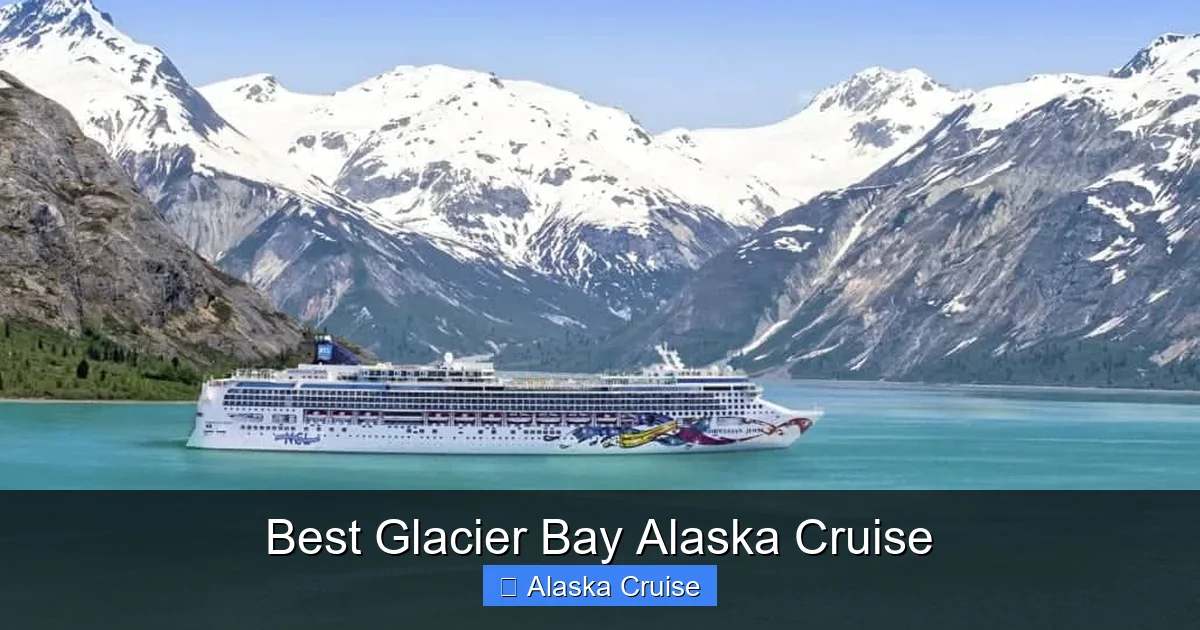
Visual guide about Best Glacier Bay Alaska Cruise
Image source: cruiseradio.net
Not all Alaska cruises are created equal—especially when it comes to Glacier Bay. The type of ship, itinerary, and cruise line can dramatically affect your experience. To get the most out of your journey, it’s important to choose a cruise that prioritizes Glacier Bay and offers the right balance of comfort, access, and educational value.
Ship Size Matters
One of the biggest decisions is whether to sail on a large cruise ship or a smaller expedition vessel. Large ships, such as those operated by major lines like Holland America or Princess, offer more amenities—multiple dining options, entertainment, and spacious cabins. However, they are limited in how close they can get to the glaciers due to size restrictions.
In contrast, smaller ships—typically under 100 passengers—can enter Glacier Bay and navigate closer to the ice. These expedition-style cruises, often run by companies like UnCruise Adventures, Lindblad Expeditions, or Alaskan Dream Cruises, focus on immersive experiences. They feature naturalists on board, Zodiac landings, and flexible itineraries that allow for spontaneous wildlife sightings.
For travelers seeking a more intimate and educational experience, smaller ships are often the best choice. They allow you to feel like an explorer rather than a tourist, with opportunities to go ashore, hike, and learn from expert guides.
Itinerary Length and Route
Alaska cruises typically range from 7 to 14 days, with Glacier Bay included on most southbound or round-trip itineraries departing from Seattle, Vancouver, or Seward. The classic route travels through the Inside Passage, stopping at ports like Juneau, Skagway, and Ketchikan before entering Glacier Bay.
A 7-day cruise usually includes one full day in Glacier Bay, which is sufficient for most travelers. However, if you want more time to explore or prefer a slower pace, consider a 10- or 14-day itinerary. Longer cruises often include additional national parks, such as Kenai Fjords or Wrangell-St. Elias, and may offer overnight stays in Glacier Bay for sunset and sunrise views.
Cruise Line Comparison
Different cruise lines offer varying levels of service, focus, and access. Here’s a quick breakdown:
- Holland America Line: Known for its elegant ships and strong naturalist programs. Offers full-day Glacier Bay visits with park rangers on board.
- Princess Cruises: Features the “North to Alaska” program with local experts and cultural experiences. Glacier Bay is a highlight on most itineraries.
- UnCruise Adventures: Small, adventure-focused ships with a strong emphasis on wildlife and nature. Ideal for active travelers.
- Lindblad Expeditions (in partnership with National Geographic): Offers expert-led expeditions with photographers and scientists. High educational value.
- Alaskan Dream Cruises: Locally owned, with a focus on Alaskan culture and sustainability. Small ships and personalized service.
When choosing a cruise, consider what matters most to you: luxury, adventure, education, or cultural immersion. Reading recent passenger reviews and checking the ship’s Glacier Bay schedule can also help you make an informed decision.
What to Expect During Your Glacier Bay Day
A typical day in Glacier Bay begins early, often before sunrise. The ship slows as it enters the park, and the atmosphere becomes hushed—passengers gather on deck with cameras, binoculars, and warm layers. The air is crisp, and the silence is broken only by the occasional crack of ice or call of a loon.
Morning: Entering the Park
As the sun rises, the ship navigates through narrow channels flanked by steep mountains and dense rainforest. The water turns a milky turquoise from glacial silt, known as “rock flour,” which gives the bay its distinctive color. This is the time to scan the shoreline for wildlife—bears, eagles, and seals are most active in the early hours.
National Park Rangers board the ship shortly after entry. They provide a welcome briefing and will remain on board throughout the day, offering commentary over the ship’s speakers. Their insights add depth to the experience, explaining the geology, ecology, and history of the area.
Afternoon: Glacier Viewing and Calving Events
The ship spends several hours cruising through the bay, stopping near major glaciers like Margerie and Lamplugh. These glaciers are among the most active in the world, and calving events can happen at any time. While there’s no way to predict when a glacier will calve, the rangers monitor conditions and position the ship for the best views.
Calving is both beautiful and powerful. A large chunk of ice may break off silently at first, then tumble into the water with a thunderous splash. The resulting wave can rock the ship slightly, and the sound echoes across the bay. It’s a reminder of the immense forces at work in this remote wilderness.
Evening: Reflection and Wildlife
As the ship prepares to leave the park, the mood shifts to reflection. Passengers often gather on deck to watch the sunset over the ice, sharing stories and photos. This is also a great time for wildlife spotting—whales may surface near the ship, and birds return to their nests.
Some cruises offer evening lectures or slide shows by the naturalists, providing a deeper dive into the day’s experiences. Others host themed dinners or live music, blending education with entertainment.
Tips for Making the Most of Your Glacier Bay Experience
To ensure you have the best possible experience in Glacier Bay, preparation is key. Here are some practical tips to help you get the most out of your day:
Dress in Layers
Weather in Glacier Bay can change quickly. Even in summer, temperatures can range from 40°F to 60°F, and wind chill near the glaciers can make it feel colder. Wear a waterproof jacket, warm layers, gloves, and a hat. Waterproof boots are also recommended if you plan to go ashore.
Bring the Right Gear
A good pair of binoculars is essential for spotting wildlife and distant glaciers. A camera with a zoom lens will help you capture details, but don’t forget extra batteries—cold weather drains them quickly. A dry bag can protect your gear from sea spray.
Stay Hydrated and Rested
It’s easy to get caught up in the excitement and forget to eat or drink. Bring water and snacks, and take breaks to rest your eyes and recharge. The experience can be physically and emotionally intense, so pacing yourself is important.
Be Patient and Present
Glacier Bay is not a theme park—there’s no schedule for calving or whale sightings. Embrace the unpredictability. Sit quietly, listen to the sounds of nature, and allow yourself to be fully present. Some of the most memorable moments happen when you least expect them.
Respect the Environment
Glacier Bay is a protected wilderness. Follow all guidelines from the rangers, stay on designated paths if you go ashore, and never approach wildlife. Remember, you’re a guest in their home.
When to Go: Timing Your Glacier Bay Cruise
The best time to visit Glacier Bay is during the summer months, from late May to early September. This is when the weather is mildest, wildlife is most active, and cruise ships operate regularly.
May and June: Early Season Advantages
Early-season cruises offer fewer crowds and lower prices. The landscape is lush and green, and glaciers are often more active after winter snowfall. However, some wildlife, like bears, may still be emerging from hibernation, and daylight hours are increasing rapidly.
July and August: Peak Season
These are the most popular months, with the warmest weather and longest days. Wildlife is abundant—salmon runs attract bears and eagles, and whales are frequently seen. However, this is also the busiest time, so book early to secure your preferred cabin and itinerary.
September: Fall Colors and Quiet Beauty
Late-season cruises offer a different kind of beauty. The mountains begin to turn golden, and the crowds thin out. Wildlife is still active, and the light is soft and golden—ideal for photography. Some ships may offer special fall-themed excursions.
Sustainable Cruising in Glacier Bay
As tourism grows, so does the need for responsible travel. Glacier Bay is a fragile ecosystem, and cruise lines are taking steps to minimize their impact. Many ships use cleaner fuels, reduce waste, and support local conservation efforts.
Passengers can also do their part by choosing eco-friendly cruise lines, avoiding single-use plastics, and supporting local Alaskan businesses. Remember, every small action helps protect this incredible wilderness for future generations.
Conclusion
A cruise through Glacier Bay is more than a scenic journey—it’s a transformative experience. From the thunder of calving glaciers to the quiet grace of a whale’s tail, every moment in this pristine wilderness leaves a lasting impression. Whether you sail on a luxury liner or a small expedition ship, the best Glacier Bay Alaska cruise offers a rare chance to connect with nature in its purest form.
By choosing the right itinerary, preparing wisely, and embracing the spirit of adventure, you can make the most of this once-in-a-lifetime opportunity. So pack your bags, charge your camera, and get ready to witness one of the world’s greatest natural wonders. Glacier Bay awaits.
Frequently Asked Questions
What is the best time of year to cruise Glacier Bay?
The best time to cruise Glacier Bay is from late May to early September. During these months, the weather is mild, wildlife is active, and glaciers are most dynamic. July and August are peak season, offering the warmest temperatures and longest days.
Can small ships get closer to the glaciers than large cruise ships?
Yes, smaller ships under 100 passengers can enter Glacier Bay and navigate closer to the glaciers. They are also allowed to go ashore for hikes and Zodiac tours, offering a more immersive experience compared to larger vessels.
Will I definitely see a glacier calve during my cruise?
While calving events are common, they cannot be guaranteed. Glaciers calve naturally and unpredictably. However, the National Park Rangers monitor conditions and position the ship for the best chances of witnessing this dramatic phenomenon.
Are there restrooms and food available on the ship during the Glacier Bay day?
Yes, all cruise ships have restrooms, dining areas, and cafes available throughout the day. Most ships offer light snacks and beverages on deck, and full meals are served in the main dining rooms.
Do I need to book excursions in Glacier Bay?
No, Glacier Bay is an at-sea experience, and most ships do not offer traditional shore excursions. However, smaller expedition ships may include optional Zodiac tours or guided hikes, which can be booked in advance.
Is Glacier Bay included on all Alaska cruises?
Most major Alaska cruise itineraries include Glacier Bay, especially those traveling through the Inside Passage. However, some shorter or alternative routes may skip it, so always check your cruise details before booking.