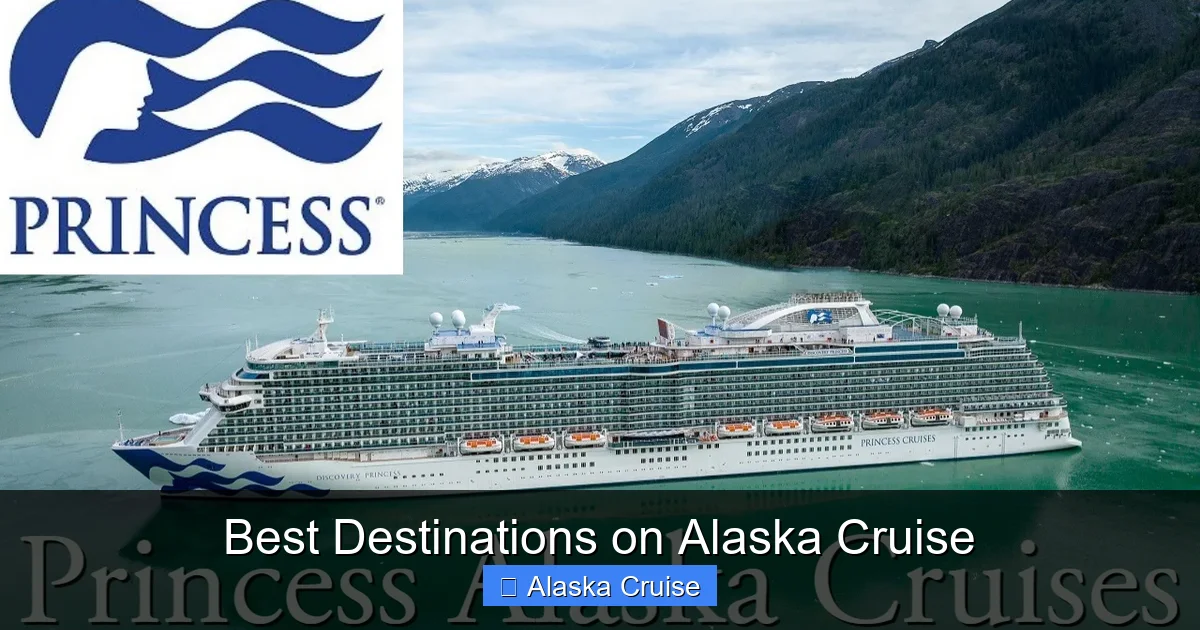
An Alaska cruise offers some of the most breathtaking natural wonders in the world. From towering glaciers and abundant wildlife to charming coastal towns, the best destinations on Alaska cruise itineraries deliver unforgettable experiences. Whether you’re seeking adventure or serene beauty, Alaska’s ports promise something magical for every traveler.
Key Takeaways
- Glacier Bay National Park: A UNESCO World Heritage Site with active glaciers, humpback whales, and pristine wilderness.
- Juneau: Alaska’s capital, accessible only by air or sea, offering glacier hikes, whale watching, and rich Tlingit culture.
- Ketchikan: Known as the “Salmon Capital of the World,” it features totem poles, rainforest trails, and Native Alaskan heritage.
- Skagway: A historic Gold Rush town with scenic train rides, gold panning, and access to the Klondike Highway.
- Hubbard Glacier: One of the largest tidewater glaciers, offering dramatic calving events and stunning photo opportunities.
- Seward and Whittier: Gateway ports to Kenai Fjords National Park, with boat tours to see glaciers and marine life.
- Wildlife Viewing: Spot bears, eagles, whales, sea otters, and more across multiple cruise destinations.
📑 Table of Contents
- Introduction to Alaska Cruises
- Glacier Bay National Park: A Natural Wonder
- Juneau: Alaska’s Remote Capital
- Ketchikan: The Salmon Capital of the World
- Skagway: Gateway to the Klondike
- Hubbard Glacier: A Towering Ice Giant
- Seward and Whittier: Portals to Kenai Fjords
- Conclusion: Why Alaska Cruises Are Unforgettable
Introduction to Alaska Cruises
Imagine standing on the deck of a cruise ship, the crisp Alaskan air filling your lungs, as a massive wall of ice calves into the sea with a thunderous crack. This is the magic of an Alaska cruise—a journey through one of the last true wildernesses on Earth. Unlike typical tropical getaways, Alaska offers raw, untamed beauty where nature takes center stage. Glaciers that are thousands of years old, mountains that pierce the sky, and wildlife that roams freely create a backdrop unlike any other.
An Alaska cruise is more than just a vacation; it’s an immersive experience into a world where the pace of life slows down, and awe becomes a daily occurrence. Most cruises depart from Seattle or Vancouver and sail northward through the Inside Passage, a network of waterways that wind between islands and fjords. Along the way, ships make stops at some of the most iconic and scenic destinations in the Pacific Northwest. Whether you’re a nature lover, history buff, or adventure seeker, the best destinations on Alaska cruise routes offer something for everyone.
What makes Alaska cruises truly special is the combination of comfort and exploration. You get to enjoy the luxury of a modern cruise ship—complete with fine dining, entertainment, and cozy cabins—while stepping ashore to explore rugged coastlines, ancient forests, and vibrant local cultures. From the moment your ship glides past misty mountains into Glacier Bay, you’ll understand why so many travelers call an Alaska cruise a once-in-a-lifetime experience.
Glacier Bay National Park: A Natural Wonder
No list of the best destinations on Alaska cruise would be complete without Glacier Bay National Park. This UNESCO World Heritage Site spans over 3.3 million acres and is home to some of the most active and accessible glaciers in North America. As your cruise ship navigates the park’s deep fjords, you’ll be surrounded by towering cliffs, cascading waterfalls, and ice fields that stretch as far as the eye can see.
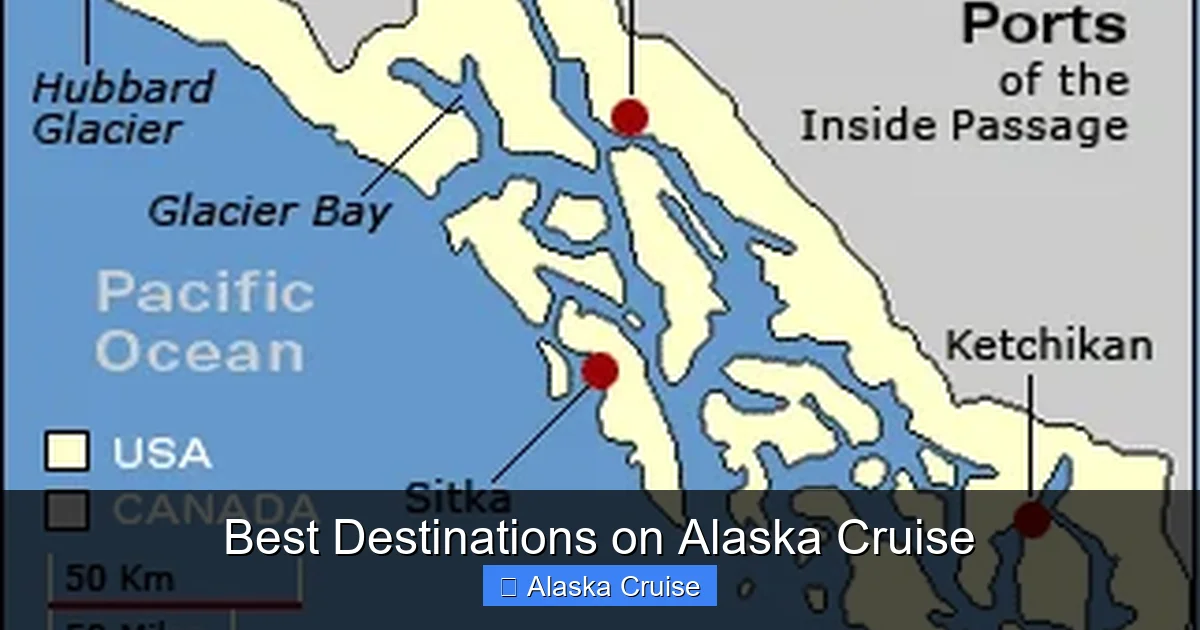
Visual guide about Best Destinations on Alaska Cruise
Image source: hillmanwonders.com
Glaciers That Come Alive
One of the most thrilling aspects of visiting Glacier Bay is witnessing a glacier calving event. This is when chunks of ice break off from the glacier’s face and crash into the water below, creating a sound like thunder. Margerie Glacier and Johns Hopkins Glacier are two of the most popular spots for this natural spectacle. These glaciers are not only massive—some rise over 200 feet above the water—but they’re also constantly moving, advancing and retreating with the seasons.
While you’re not allowed to disembark in Glacier Bay (it’s a protected wilderness area), park rangers often come aboard to share insights about the park’s ecology, geology, and conservation efforts. Their commentary adds depth to the experience, helping you understand the delicate balance of this ecosystem. You might even spot harbor seals resting on ice floes or bald eagles soaring overhead.
Wildlife Encounters
Glacier Bay is a hotspot for wildlife. Humpback whales are frequently seen feeding in the nutrient-rich waters, and if you’re lucky, you might witness a full breach—a whale launching its entire body out of the water. Sea otters float on their backs, cracking shellfish on their chests, while Steller sea lions lounge on rocky outcrops. On land, black and brown bears roam the shores, foraging for salmon during the summer months.
Birdwatchers will be delighted by the variety of species, including puffins, cormorants, and the majestic bald eagle. The park’s diverse habitats—from tidal flats to alpine meadows—support a rich array of life. Even the water itself teems with plankton, krill, and small fish, forming the base of a complex food web.
Tips for Enjoying Glacier Bay
- Dress in layers: Weather can change quickly, and it’s often cooler on the water.
- Bring binoculars: Essential for spotting wildlife and getting a closer look at distant glaciers.
- Stay on deck: The best views are from the ship’s outdoor areas, especially the bow or upper decks.
- Listen to the ranger: Their commentary enhances the experience and provides fascinating facts.
Juneau: Alaska’s Remote Capital
Nestled between the Gastineau Channel and towering mountains, Juneau is Alaska’s capital city—and one of the most unique ports on any cruise itinerary. Unlike most state capitals, Juneau is not accessible by road. You can only reach it by air or sea, which adds to its sense of isolation and charm. This makes it one of the best destinations on Alaska cruise routes for travelers seeking adventure and authenticity.
Mendenhall Glacier: A Must-See Attraction
Just 12 miles from downtown Juneau lies the Mendenhall Glacier, a 13-mile-long river of ice that flows from the Juneau Icefield. The glacier’s visitor center offers exhibits on glaciology and local history, but the real star is the glacier itself. A network of trails leads to viewing platforms where you can stand just a few hundred feet from the ice. The Nugget Falls trail is particularly popular, offering a stunning view of the glacier with a cascading waterfall in the foreground.
For a more immersive experience, consider a guided glacier hike. Companies like Alaska Glacier Trekking offer small-group tours that take you onto the ice with crampons and ice axes. It’s a thrilling way to explore crevasses, blue ice caves, and ancient snowfields. Just remember to book in advance—these tours fill up quickly during peak season.
Whale Watching in the Gastineau Channel
Juneau is one of the best places in Alaska to see humpback whales. From May through September, these gentle giants migrate to the area to feed on herring and krill. Several local operators offer whale-watching tours that depart from the downtown marina. These excursions typically last 3–4 hours and include a naturalist guide who explains whale behavior and migration patterns.
It’s not uncommon to see whales breaching, tail slapping, or even lunge feeding—a dramatic behavior where the whale opens its mouth wide and surges through a school of fish. Some tours also include sightings of orcas, sea lions, and porpoises. Many travelers consider whale watching in Juneau a highlight of their Alaska cruise.
Cultural and Historical Sites
Juneau has a rich cultural heritage rooted in the Tlingit people, who have lived in the region for thousands of years. The Alaska State Museum features exhibits on Native art, gold rush history, and natural science. For a more hands-on experience, visit the Juneau-Douglas City Museum or attend a traditional Tlingit dance performance at the Alaska State Museum or local cultural centers.
The city also played a key role in Alaska’s gold rush era. You can explore historic sites like the Last Chance Mining Museum, which showcases the tools and techniques used by early prospectors. Or take a scenic drive to the abandoned town of Perseverance, where remnants of the gold mining days still stand.
Practical Tips for Visiting Juneau
- Book excursions early: Popular tours like glacier hikes and whale watching sell out fast.
- Wear waterproof gear: Juneau is one of the rainiest cities in Alaska.
- Use the free shuttle: The city offers a free shuttle from the cruise dock to downtown.
- Try local seafood: Don’t miss fresh salmon, halibut, or king crab at local restaurants.
Ketchikan: The Salmon Capital of the World
Known as the “Salmon Capital of the World,” Ketchikan is a colorful, waterfront town that blends natural beauty with rich cultural heritage. Located on Revillagigedo Island, it’s one of the first stops on many southbound Alaska cruises and a favorite among travelers for its charm and accessibility. With its steep streets, wooden boardwalks, and vibrant art scene, Ketchikan offers a unique blend of adventure and culture.
Native Alaskan Culture and Totem Poles
Ketchikan is home to the largest collection of totem poles in the world, many of which are displayed at the Totem Heritage Center and Saxman Native Village. These intricately carved poles tell stories of clans, legends, and spiritual beliefs. The center also features a traditional longhouse and offers demonstrations of Native crafts like weaving and carving.
For a deeper dive into Tlingit, Haida, and Tsimshian cultures, consider a guided tour of a Native village. These experiences often include a welcome ceremony, storytelling, and traditional dancing. Some tours even allow you to try your hand at carving or beadwork. It’s a respectful and educational way to connect with Alaska’s Indigenous heritage.
Rainforest Adventures
Ketchikan is surrounded by temperate rainforest, one of the few in North America. The Tongass National Forest covers most of the region and offers endless opportunities for exploration. The Deer Mountain Trail is a popular hike that leads to a panoramic viewpoint overlooking the town and surrounding islands. The trail is well-maintained and suitable for most fitness levels.
For a more unique experience, take a guided kayak tour through the Misty Fjords National Monument. These dramatic fjords were carved by glaciers thousands of years ago and are now home to waterfalls, sea caves, and abundant wildlife. Kayaking allows you to get up close to the cliffs and enjoy the serenity of the wilderness.
Fishing and Seafood
As the Salmon Capital of the World, Ketchikan is a paradise for anglers. The town hosts several salmon runs throughout the summer, drawing fishermen from around the globe. Even if you’re not fishing, you can watch the action at the city’s fish processing plants or visit the Ketchikan Creek, where salmon swim upstream to spawn.
Local restaurants serve some of the freshest seafood in Alaska. Try the halibut tacos at a waterfront café or enjoy a king crab feast at a fine dining establishment. Many eateries source their ingredients directly from local fishermen, ensuring peak freshness and flavor.
Tips for Exploring Ketchikan
- Bring rain gear: Ketchikan is one of the wettest places in the U.S.
- Wear sturdy shoes: Trails can be muddy and slippery.
- Visit the Creek Street boardwalk: A historic red-light district turned tourist hotspot.
- Shop for local art: Look for authentic Native crafts and handmade jewelry.
Skagway: Gateway to the Klondike
Step back in time in Skagway, a Gold Rush-era town that has preserved its historic charm with remarkable authenticity. Founded in 1897 during the Klondike Gold Rush, Skagway was once a bustling hub for prospectors heading to the Yukon. Today, it’s a living museum where wooden sidewalks, false-front buildings, and period costumes transport you to the late 1800s.
The White Pass and Yukon Route Railway
One of the most iconic experiences in Skagway is riding the White Pass and Yukon Route Railway. This narrow-gauge railroad was built in 1898 to transport gold seekers over the coastal mountains to the interior. The journey takes you through steep canyons, past cascading waterfalls, and over towering trestle bridges. The views are breathtaking, especially as the train climbs to the summit at 2,865 feet.
The train ride is narrated by knowledgeable guides who share stories of the Gold Rush, engineering feats, and local legends. Many travelers consider it one of the best scenic train rides in North America. You can choose from a one-way trip with a return by bus or a round-trip journey.
Gold Rush History and Museums
Skagway is packed with history. The Klondike Gold Rush National Historical Park includes several restored buildings, including the Arctic Brotherhood Hall and the Mascot Saloon. The visitor center offers exhibits on the challenges faced by prospectors, from harsh weather to treacherous trails.
You can also try your hand at gold panning at the Liarsville Gold Rush Trail Camp. This family-friendly activity includes a lesson on how to pan for gold and the chance to keep any flakes you find. It’s a fun way to connect with the town’s heritage and entertain kids.
Outdoor Adventures
Beyond its history, Skagway offers plenty of outdoor activities. Hiking trails like the Dewey Lake Trail lead to alpine lakes and panoramic views. For a more challenging adventure, consider a guided glacier trek or a zipline tour through the forest canopy.
The nearby Klondike Highway provides access to scenic drives and remote wilderness areas. Some travelers even take a day trip to the Canadian border to visit the historic town of Carcross, known for its dog sledding and Indigenous culture.
Practical Tips for Skagway
- Book the train early: It’s one of the most popular excursions in Skagway.
- Wear layers: Temperatures can vary widely, especially at higher elevations.
- Explore on foot: Most attractions are within walking distance of the cruise dock.
- Try the local cuisine: Look for hearty meals like reindeer sausage or sourdough pancakes.
Hubbard Glacier: A Towering Ice Giant
One of the most dramatic stops on an Alaska cruise is Hubbard Glacier, the largest tidewater glacier in North America. Located on the border between Alaska and the Yukon Territory, this massive ice formation is over 7 miles wide and rises up to 300 feet above the water. It’s one of the few glaciers in the world that is still advancing, moving forward at a rate of about 8–10 feet per day.
Witnessing the Calving Process
Hubbard Glacier is famous for its frequent calving events. As the glacier pushes into Disenchantment Bay, chunks of ice break off and crash into the water, creating waves and thunderous sounds. These events can range from small icefalls to massive collapses that send icebergs the size of buildings into the sea.
Because the glacier is so active, cruise ships often spend extra time in the area, allowing passengers to witness multiple calving events. It’s a powerful reminder of nature’s force and the constant change occurring in Alaska’s landscape.
Wildlife and Scenic Views
The waters around Hubbard Glacier are rich in marine life. Seals and sea lions often rest on ice floes, while whales feed in the nutrient-rich currents. The surrounding mountains and fjords provide a stunning backdrop, with snow-capped peaks and lush forests framing the ice.
Photographers will find endless opportunities to capture the glacier’s beauty, especially during the golden hours of sunrise and sunset. The contrast between the blue ice, dark water, and vibrant sky creates images that are truly unforgettable.
Tips for Viewing Hubbard Glacier
- Stay warm: The glacier emits cold air, so bring a jacket even in summer.
- Use a zoom lens: A telephoto lens helps capture details of the ice and wildlife.
- Be patient: Calving events are unpredictable, so enjoy the overall scenery while waiting.
- Listen for the sound: The rumble of calving ice is as impressive as the sight.
Seward and Whittier: Portals to Kenai Fjords
While not always included on every Alaska cruise, ports like Seward and Whittier are worth seeking out for their access to Kenai Fjords National Park. These gateway towns offer some of the most spectacular coastal scenery in the state, with rugged mountains, deep fjords, and abundant wildlife.
Boat Tours in Kenai Fjords
From Seward, you can take a boat tour into Kenai Fjords to see glaciers, sea caves, and marine animals. Tours often visit Aialik Glacier and Holgate Glacier, both of which are active and impressive. You might also spot puffins, sea otters, and even orcas.
Whittier, a small town accessible via a tunnel, offers similar tours with a focus on Prince William Sound. This area is known for its calm waters and stunning views of glaciers like Columbia Glacier.
Glacier and Wildlife Viewing
Both ports provide access to some of Alaska’s most accessible glaciers. Boat tours get you close to the ice, allowing you to hear the creaks and groans of the glacier and witness calving up close. The combination of water, ice, and wildlife makes these excursions unforgettable.
Tips for Visiting Seward and Whittier
- Book tours in advance: These ports are popular and fill up quickly.
- Dress warmly: Even in summer, it can be chilly on the water.
- Bring motion sickness remedies: Some waters can be rough.
- Try local seafood: Both towns have excellent seafood restaurants.
Conclusion: Why Alaska Cruises Are Unforgettable
An Alaska cruise is more than just a trip—it’s a journey into the heart of nature’s grandeur. From the towering glaciers of Glacier Bay to the historic streets of Skagway, the best destinations on Alaska cruise itineraries offer a perfect blend of adventure, beauty, and culture. Whether you’re marveling at a calving glacier, spotting a humpback whale, or learning about Native Alaskan heritage, every moment feels like a gift.
What sets Alaska apart is its ability to inspire awe and humility. Standing before a glacier that’s older than human civilization, or watching a bear fish for salmon in a pristine river, reminds us of the power and fragility of the natural world. These experiences stay with you long after the cruise ends.
If you’re looking for a vacation that combines comfort with exploration, luxury with wilderness, then an Alaska cruise is the perfect choice. With so many incredible destinations to explore, it’s no wonder that travelers return again and again to this magical corner of the world.
Frequently Asked Questions
What is the best time to take an Alaska cruise?
The best time for an Alaska cruise is from May to September. During these months, the weather is milder, wildlife is active, and daylight hours are long. July and August are peak season, offering the warmest temperatures and most wildlife sightings.
Do I need to book shore excursions in advance?
Yes, it’s highly recommended to book popular excursions like glacier hikes, whale watching, and train rides in advance. These activities often sell out, especially during peak season.
What should I pack for an Alaska cruise?
Pack layers, including a waterproof jacket, warm fleece, and sturdy shoes. Don’t forget binoculars, sunscreen, sunglasses, and a camera. Even in summer, temperatures can vary widely.
Can I see the Northern Lights on an Alaska cruise?
It’s rare to see the Northern Lights on a summer cruise due to the long daylight hours. For the best chance, consider a fall or winter cruise, though these are less common and may have different itineraries.
Are Alaska cruises family-friendly?
Yes, many Alaska cruises offer family-friendly activities, including wildlife tours, educational programs, and kid-friendly excursions. Some ships even have youth clubs and family cabins.
How long do Alaska cruises typically last?
Most Alaska cruises last 7 to 10 days. Shorter itineraries may focus on the Inside Passage, while longer ones may include Gulf of Alaska routes with stops in Seward or Whittier.