
Choosing the best departure port for Alaska cruise can make or break your trip. This guide breaks down top ports like Seattle, Vancouver, and Seward by convenience, cost, and experiences so you can pick the perfect launchpad for your Alaskan adventure.
Planning an Alaska cruise is exciting—majestic glaciers, wildlife sightings, and rugged coastlines await. But before you even step aboard, one crucial decision sets the tone for your entire journey: choosing the best departure port for Alaska cruise. With several major ports to consider, each offering unique advantages, the right choice depends on your travel style, budget, and itinerary goals.
Alaska cruises typically depart from a handful of key ports, primarily along the Pacific Northwest and southern Alaska. The most popular include Seattle, Washington; Vancouver, British Columbia; and the Alaskan ports of Seward and Whittier. Each port serves as a launchpad for different types of cruises—some roundtrip, others one-way—and connects to various cruise lines, routes, and shore excursions. Your departure port affects not only your travel logistics but also the overall flow of your trip, including pre- and post-cruise activities.
This guide will walk you through the top departure ports, comparing them based on convenience, cost, scenery, and traveler experience. Whether you’re a first-time cruiser or a seasoned adventurer, understanding your options ensures you start your Alaskan journey on the right foot. Let’s dive into the details so you can confidently choose the best departure port for Alaska cruise that fits your dream vacation.
Key Takeaways
- Seattle offers the most flight options and cruise variety, making it ideal for U.S. travelers. With major airlines and cruise lines operating from Pier 91, it’s a top choice for first-time cruisers.
- Vancouver provides a scenic, international departure with easy access to Canadian attractions. It’s perfect for travelers wanting to combine a city tour with their cruise.
- Seward and Whittier are gateway ports for roundtrip cruises from Alaska itself. These ports offer stunning glacier views right from departure and are great for those already in the region.
- Roundtrip cruises save time and money on travel logistics. Departing and returning to the same port reduces backtracking and extra flights.
- One-way cruises allow for flexible itineraries but require careful planning. You’ll need to arrange transportation between distant ports, which can add cost and complexity.
- Seasonality affects port availability and pricing. Most cruises run from May to September, with peak season in July offering the best weather but higher prices.
- Consider pre- and post-cruise stays to maximize your Alaska experience. Arriving a day early lets you explore the departure city and reduces stress on embarkation day.
📑 Table of Contents
Why Your Departure Port Matters
The port you choose to begin your Alaska cruise is more than just a starting point—it’s a strategic decision that influences your entire travel experience. Think of it as the foundation of your trip. A well-chosen port can save you time, money, and stress, while a poor choice might lead to extra flights, missed connections, or missed opportunities to explore.
One of the biggest factors is travel logistics. If you’re flying in from the East Coast or Midwest, a port with major airline connections—like Seattle—can simplify your journey. On the other hand, if you’re already in the Pacific Northwest, departing from Vancouver or even Anchorage might make more sense. The departure port also affects your cruise itinerary. For example, cruises from Seattle often follow a classic Inside Passage route, while those from Seward typically head into the Gulf of Alaska and visit glaciers like Hubbard or College Fjord.
Another consideration is the type of cruise you want. Roundtrip cruises—where you depart and return to the same port—are popular because they eliminate the need for one-way flights. One-way cruises, while more complex, allow you to see more of Alaska by starting in one port and ending in another. Your departure port also determines what you can do before and after your cruise. Want to explore a vibrant city? Seattle and Vancouver offer world-class dining, museums, and culture. Prefer a more remote, nature-focused start? Seward and Whittier put you right in the heart of Alaska’s wilderness.
Ultimately, the best departure port for Alaska cruise aligns with your travel preferences, budget, and time constraints. By understanding the pros and cons of each option, you can make an informed choice that enhances your overall experience.
Seattle: The Top Choice for U.S. Travelers
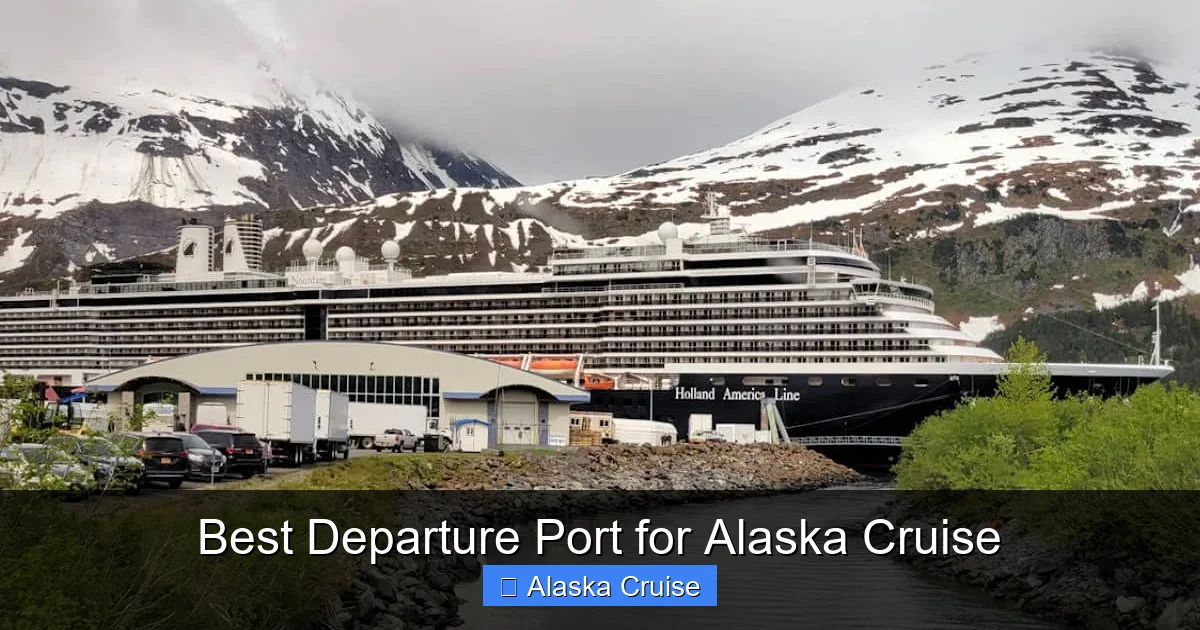
Visual guide about Best Departure Port for Alaska Cruise
Image source: alaskatrippers.com
When it comes to convenience and variety, Seattle stands out as one of the best departure ports for Alaska cruise. Located on Puget Sound, this bustling Pacific Northwest city is a major hub for both air travel and cruise departures. Most major cruise lines—including Norwegian, Princess, Holland America, and Royal Caribbean—operate Alaska cruises from Seattle’s Pier 91, making it a central launch point for travelers across the United States.
One of Seattle’s biggest advantages is its accessibility. Seattle-Tacoma International Airport (SEA) is one of the busiest in the country, with direct flights from nearly every major U.S. city. This makes it easy for travelers from the East Coast, Midwest, and South to reach the port without multiple layovers. Plus, the airport is just a 20- to 30-minute drive from the cruise terminal, and many hotels offer free shuttles or package deals that include airport transfers.
Seattle also offers a rich pre-cruise experience. Arriving a day or two early lets you explore iconic attractions like the Space Needle, Pike Place Market, and the Chihuly Garden and Glass exhibit. Food lovers will enjoy the city’s thriving coffee culture and fresh seafood scene. For families, the Seattle Aquarium and Museum of Pop Culture (MoPOP) provide fun, educational stops. Many cruise lines even offer bundled packages that include a night in a Seattle hotel, making it easy to turn your trip into a mini-vacation.
From a cruise perspective, Seattle-based itineraries typically follow the Inside Passage, visiting ports like Ketchikan, Juneau, and Skagway. These routes emphasize lush rainforests, wildlife viewing, and cultural experiences with Indigenous communities. Some cruises also include a stop in Victoria, British Columbia, adding a touch of international flair. Most Seattle departures are roundtrip, meaning you’ll return to the same port after seven to ten days at sea—ideal for travelers who want a seamless, stress-free experience.
One potential downside is cost. Seattle is a popular departure point, and cruise fares can be higher during peak season (June to August). Additionally, parking at the port can be expensive if you’re driving, though many travelers opt for airport shuttles or ride-sharing services instead. Still, for most U.S. travelers, the convenience and variety Seattle offers make it the best departure port for Alaska cruise.
Vancouver: A Scenic International Gateway
For travelers seeking a more international flair, Vancouver, British Columbia, is a standout departure port. Nestled between the Pacific Ocean and the Coast Mountains, Vancouver offers stunning natural beauty and a cosmopolitan vibe. It’s a favorite among Canadian travelers and those looking to combine a city adventure with their Alaska cruise.
Vancouver International Airport (YVR) is well-connected, with direct flights from major U.S. cities like Los Angeles, San Francisco, and Denver, as well as hubs in Asia and Europe. This makes it accessible for international travelers and those on the West Coast. The cruise terminal is located in the heart of downtown, near Canada Place—a striking building that resembles a ship and serves as the iconic symbol of Vancouver’s waterfront.
One of Vancouver’s biggest draws is its pre-cruise appeal. The city is known for its outdoor lifestyle, diverse cuisine, and cultural attractions. Visitors can hike in Stanley Park, take a seaplane tour over the city, or explore Granville Island’s public market. Foodies will love the mix of Asian, Indigenous, and Pacific Northwest flavors, while art lovers can visit the Vancouver Art Gallery or the Museum of Anthropology.
Cruises departing from Vancouver often follow similar routes to those from Seattle, visiting the Inside Passage and key Alaskan ports. However, Vancouver-based itineraries sometimes include longer voyages or extended stays in ports like Juneau or Ketchikan. Some cruise lines also offer one-way cruises from Vancouver to Seward or Whittier, allowing travelers to end their journey in Alaska and fly home from Anchorage.
A key benefit of departing from Vancouver is the scenic journey through the Inside Passage. Ships leave the city and glide past forested islands, snow-capped peaks, and coastal villages—offering breathtaking views right from departure. It’s a magical start to any Alaska cruise.
However, there are a few considerations. U.S. citizens need a passport to enter Canada, and customs procedures can add time to your arrival. Additionally, while Vancouver is walkable, getting to the cruise terminal may require a taxi or shuttle, especially if you’re arriving from the airport. Still, for travelers who want a blend of urban excitement and natural beauty, Vancouver is an excellent choice for the best departure port for Alaska cruise.
Seward and Whittier: Alaska’s Gateway Ports
For those already in Alaska or seeking a more immersive wilderness experience, Seward and Whittier offer unique departure options. These two ports, located near Anchorage, are the primary gateways for roundtrip cruises that explore the Gulf of Alaska and the state’s dramatic southern coast.
Seward, situated on Resurrection Bay, is a charming coastal town known for its fishing heritage and access to Kenai Fjords National Park. It’s a popular departure point for cruises that focus on glaciers, wildlife, and outdoor adventure. Many travelers fly into Anchorage and drive the scenic Seward Highway—a 127-mile route often called one of the most beautiful drives in America—to reach the port.
Whittier, just 60 miles southeast of Anchorage, is another key departure port. Accessible via a tunnel that accommodates both cars and cruise ships, Whittier is known for its dramatic mountain backdrop and proximity to Prince William Sound. It’s a favorite for travelers who want to see massive tidewater glaciers like Hubbard Glacier, which is often included in Whittier-based itineraries.
One major advantage of departing from Seward or Whittier is the immediate immersion in Alaska’s natural wonders. Unlike Seattle or Vancouver, where the first day at sea may focus on open water, cruises from these ports often begin with glacier viewing and wildlife spotting. You might see sea otters, whales, and puffins within hours of departure.
These ports also support roundtrip cruises, meaning you’ll return to the same location after your voyage. This eliminates the need for one-way flights and simplifies travel logistics. However, getting to Seward or Whittier requires flying into Anchorage first, which may add cost and time for travelers coming from outside the region.
Another consideration is limited cruise availability. Fewer cruise lines operate from these ports compared to Seattle or Vancouver, and schedules are often shorter—typically running from May to September. Still, for travelers seeking an authentic Alaskan start to their journey, Seward and Whittier are hard to beat.
Roundtrip vs. One-Way Cruises: Which Is Right for You?
One of the biggest decisions when choosing a departure port is whether to book a roundtrip or one-way cruise. Each option has its pros and cons, and the best choice depends on your travel style, budget, and time.
Roundtrip cruises—where you depart and return to the same port—are the most popular option. They’re convenient, cost-effective, and ideal for first-time cruisers. Since you don’t need to arrange transportation between distant ports, you save time and avoid the hassle of one-way flights. Roundtrip cruises are commonly offered from Seattle, Vancouver, Seward, and Whittier.
One-way cruises, on the other hand, allow you to see more of Alaska by starting in one port and ending in another. For example, you might depart from Seattle and disembark in Whittier, then fly home from Anchorage. This type of cruise is great for travelers who want a longer journey or prefer to explore different regions of Alaska. However, one-way cruises require careful planning. You’ll need to book flights between the disembarkation port and your home, which can add significant cost and complexity.
When deciding between roundtrip and one-way, consider your budget, time constraints, and travel goals. If you value simplicity and want to minimize logistics, a roundtrip cruise from a major port like Seattle is likely your best bet. If you’re up for an adventure and want to maximize your time in Alaska, a one-way cruise might be worth the extra effort.
Tips for Choosing the Best Departure Port
Choosing the best departure port for Alaska cruise doesn’t have to be overwhelming. Here are some practical tips to help you decide:
– **Consider your travel origin:** If you’re flying from the East Coast, Seattle may offer the most direct flights. If you’re already in Canada, Vancouver could be more convenient.
– **Factor in pre- and post-cruise plans:** Want to explore a city? Choose Seattle or Vancouver. Prefer nature? Seward or Whittier might be better.
– **Compare cruise itineraries:** Look at the ports of call and shore excursions offered from each departure port. Some routes focus on glaciers, while others emphasize culture and wildlife.
– **Check seasonal availability:** Most cruises run from May to September, with peak season in July. Book early for the best rates and availability.
– **Read traveler reviews:** Online forums and cruise review sites can provide insights into the departure experience at each port.
By weighing these factors, you can choose a departure port that aligns with your travel style and enhances your Alaska cruise experience.
Conclusion
Choosing the best departure port for Alaska cruise is a key step in planning your adventure. Whether you prefer the convenience of Seattle, the international charm of Vancouver, or the wild beauty of Seward and Whittier, each port offers unique benefits. Consider your travel needs, itinerary preferences, and budget to make the right choice. With the right departure port, your Alaska cruise will start—and end—on a high note.
Frequently Asked Questions
What is the best departure port for Alaska cruise?
The best departure port depends on your location and preferences. Seattle is ideal for U.S. travelers due to its flight access and cruise variety, while Vancouver offers a scenic international start. Seward and Whittier are great for those already in Alaska.
Can I depart from Alaska for my cruise?
Yes, Seward and Whittier are popular departure ports in Alaska. These ports offer roundtrip cruises and immediate access to glaciers and wildlife, making them ideal for immersive Alaskan experiences.
Are one-way cruises more expensive?
One-way cruises can be more expensive due to the need for one-way flights between ports. However, they allow you to see more of Alaska and may be worth the extra cost for adventurous travelers.
Do I need a passport to cruise from Vancouver?
Yes, U.S. citizens need a valid passport to enter Canada. Make sure your passport is up to date before traveling to Vancouver for your cruise.
When is the best time to book an Alaska cruise?
Book 6 to 12 months in advance for the best rates and cabin selection. Peak season is June to August, so early booking is especially important during these months.
Can I drive to the cruise port?
Yes, you can drive to ports like Seattle, Vancouver, Seward, and Whittier. However, parking can be expensive, so consider airport shuttles or ride-sharing services for convenience.