
If you’re a nature lover dreaming of icy fjords, towering glaciers, and wildlife encounters, an Alaskan cruise is your perfect escape. The best Alaskan cruise for nature lovers combines expert-guided excursions, remote wilderness access, and eco-conscious travel to deliver unforgettable experiences in one of Earth’s last wild frontiers.
Imagine standing on the deck of a ship, the crisp Alaskan wind brushing your face, as a pod of humpback whales breaches just 50 yards away. Or hiking through a moss-covered rainforest, the air thick with the scent of cedar, when a bald eagle swoops overhead. This isn’t a scene from a documentary—it’s what awaits you on the best Alaskan cruise for nature lovers.
Alaska is a land of raw, untamed beauty. From the icy blue depths of glacial fjords to the snow-capped peaks of the Coast Mountains, every moment feels like a postcard come to life. For nature enthusiasts, a cruise offers the unique advantage of accessing remote wilderness areas that are nearly impossible to reach by land. You’ll glide past towering glaciers, sail through narrow channels teeming with marine life, and dock in charming coastal towns where wildlife outnumbers people.
But not all Alaskan cruises are created equal. Some focus on luxury and entertainment, while others prioritize adventure and environmental immersion. If your heart beats for the wild—for the call of a loon over a misty lake or the sight of a bear fishing for salmon—then you need a cruise that puts nature first. The best Alaskan cruise for nature lovers isn’t just about seeing the sights; it’s about connecting with the land, understanding its rhythms, and leaving with a deeper respect for the natural world.
Key Takeaways
- Wildlife Viewing Opportunities: Spot humpback whales, orcas, sea otters, bald eagles, and brown bears in their natural habitats.
- Glacier Exploration: Witness massive tidewater glaciers like Hubbard and Mendenhall up close, with chances to hear calving ice.
- Small Ship Advantage: Smaller vessels access remote inlets and offer more personalized, immersive nature experiences.
- Expert Naturalist Guides: Onboard naturalists and expedition teams enhance your understanding of Alaska’s ecosystems.
- Sustainable Travel Focus: Leading cruise lines prioritize eco-friendly practices to protect Alaska’s fragile environment.
- Best Time to Go: May through September offers mild weather, long daylight hours, and peak wildlife activity.
- Must-Visit Ports: Juneau, Ketchikan, Skagway, and Glacier Bay National Park are nature-rich highlights.
📑 Table of Contents
Why an Alaskan Cruise is Ideal for Nature Lovers
Alaska is one of the last great wilderness frontiers on Earth, and a cruise is one of the most effective ways to experience it. Unlike road trips or fly-in tours, a cruise allows you to travel deep into the heart of Alaska’s coastal ecosystems without sacrificing comfort. You’ll wake up each morning in a new, breathtaking location—often one that’s only accessible by boat.
One of the biggest advantages of a cruise is mobility. Alaska’s coastline is rugged and remote, with few roads connecting its major towns. By ship, you can sail into protected bays, glide past active glaciers, and anchor in pristine fjords where few tourists ever venture. This mobility means you’ll see more in a week than most people see in a lifetime.
Another key benefit is access to expert guidance. The best nature-focused cruises employ onboard naturalists, marine biologists, and local guides who bring the landscape to life. They’ll explain the science behind glacier formation, identify bird calls in the rainforest, and share Indigenous stories that connect the land to its people. These experts turn sightseeing into storytelling, making every moment more meaningful.
And let’s not forget the wildlife. Alaska is home to some of the most abundant and diverse wildlife in North America. On a well-planned cruise, you could see humpback whales feeding in kelp forests, sea lions basking on rocky outcrops, and brown bears catching salmon in rushing rivers. The best cruises time their itineraries to coincide with peak wildlife activity, increasing your chances of unforgettable encounters.
Wildlife Encounters You Can’t Miss
One of the biggest draws for nature lovers is Alaska’s incredible wildlife. The state is a sanctuary for marine mammals, birds, and land animals, many of which are found nowhere else in the United States.
Marine life is especially abundant. Humpback whales are common from May to September, often seen breaching or slapping their tails. Orcas, or killer whales, patrol the waters near Glacier Bay and Icy Strait. Sea otters float on their backs, cracking clams with rocks, while Steller sea lions gather in noisy colonies on rocky shores.
Birdwatchers will be in heaven. Bald eagles nest in tall trees along the coast, and their piercing calls echo through the forests. Puffins, with their colorful beaks, dart in and out of sea caves. And during migration seasons, thousands of seabirds—including murres, kittiwakes, and cormorants—fill the skies.
On land, brown bears are the stars of the show. In places like Admiralty Island and Katmai National Park, these powerful animals fish for salmon in shallow streams. Seeing a bear catch a fish with a single swipe of its paw is a moment you’ll never forget. Moose, black bears, and Sitka black-tailed deer are also common, especially in forested areas near towns like Ketchikan and Juneau.
Glaciers: Alaska’s Icy Giants
No Alaskan cruise is complete without seeing a glacier. These massive rivers of ice shape the landscape, carve fjords, and feed the region’s rivers and lakes. Some of the most famous glaciers—like Hubbard Glacier and Mendenhall Glacier—are easily accessible by ship.
Hubbard Glacier, one of the largest tidewater glaciers in North America, is a must-see. As your ship approaches, you’ll hear the deep rumble of ice calving—chunks of glacier breaking off and crashing into the sea. The sound is thunderous, and the sight is awe-inspiring. The glacier’s face can be over 300 feet tall, and its blue ice glows under the Alaskan sun.
Mendenhall Glacier, near Juneau, is another highlight. While it’s retreating due to climate change, it’s still a powerful reminder of nature’s force. Many cruises offer excursions to the Mendenhall Glacier Visitor Center, where you can hike trails, learn about glacial science, and even take a guided kayak tour on the glacier’s lake.
Glacier Bay National Park is perhaps the crown jewel of glacial experiences. This UNESCO World Heritage Site is home to over a dozen active glaciers. Ships enter the park slowly, allowing passengers to soak in the silence and scale of the landscape. Naturalists on board explain the park’s geology and ecology, helping you appreciate the delicate balance of this icy ecosystem.
Top Cruise Lines for Nature Enthusiasts
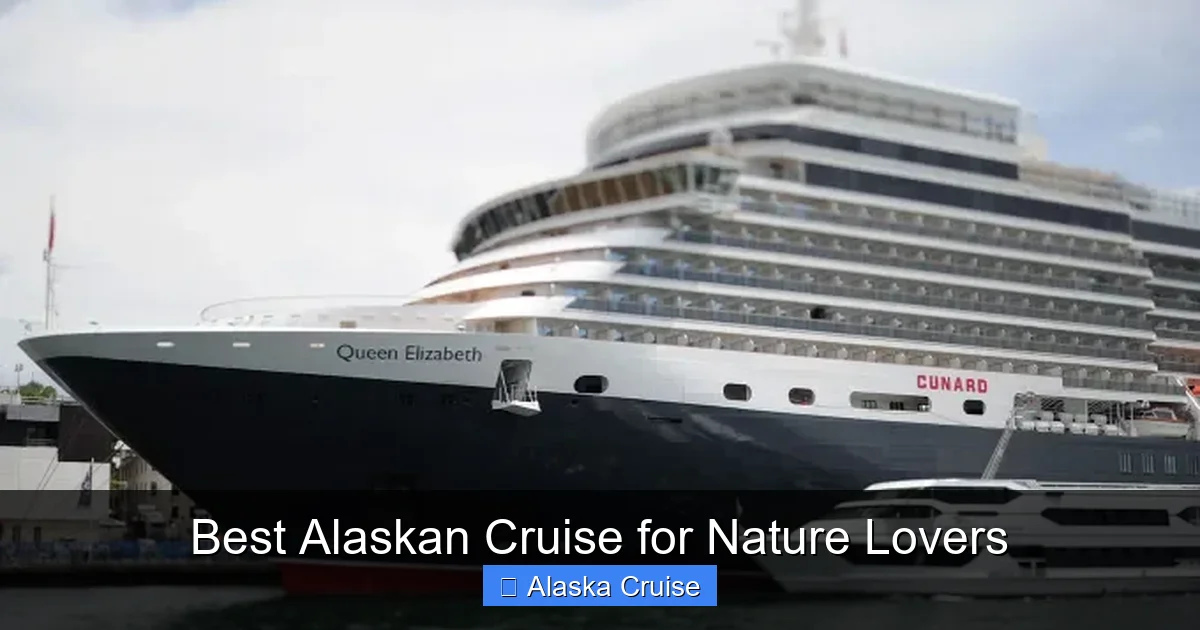
Visual guide about Best Alaskan Cruise for Nature Lovers
Image source: publish.purewow.net
Not all cruise lines are equally suited for nature lovers. Some prioritize luxury and entertainment, while others focus on adventure and environmental education. If you’re seeking the best Alaskan cruise for nature lovers, look for lines that emphasize small ships, expert guides, and immersive excursions.
UnCruise Adventures
UnCruise Adventures is a top choice for nature-focused travelers. Their small ships—ranging from 22 to 88 passengers—allow access to remote areas larger vessels can’t reach. UnCruise offers itineraries that emphasize wildlife, kayaking, hiking, and cultural experiences with Indigenous communities.
One of their most popular routes is the “Alaska’s Inside Passage” cruise, which visits Glacier Bay, Icy Strait, and the Tongass National Forest. Onboard naturalists lead daily presentations and guide shore excursions. You might kayak among icebergs, hike to a waterfall, or take a Zodiac tour to see sea lions up close.
What sets UnCruise apart is their commitment to sustainability. They follow strict eco-guidelines, support local conservation efforts, and educate passengers about environmental stewardship. Their motto—“Adventure with a Purpose”—resonates with travelers who want to explore responsibly.
Lindblad Expeditions
In partnership with National Geographic, Lindblad Expeditions offers some of the most educational and immersive nature cruises in Alaska. Their ships are equipped with tools for exploration, including underwater cameras, hydrophones, and microscopes for examining plankton.
Lindblad’s itineraries are designed for discovery. You might join a naturalist on a beach walk to identify animal tracks, take a photography workshop with a National Geographic expert, or participate in a citizen science project. Their “Alaska: Exploring the Coastal Wilderness” cruise includes stops in Tracy Arm Fjord, where you can see the towering Sawyer Glaciers.
One of the standout features of Lindblad is their use of local experts. Indigenous guides share traditional knowledge, while marine biologists explain the science behind the ecosystems you’re exploring. This blend of science and culture creates a rich, layered experience.
American Cruise Lines
For travelers who prefer a more traditional cruise experience but still want nature access, American Cruise Lines offers a great balance. Their ships are larger than UnCruise or Lindblad but still small enough to navigate narrow channels and visit remote ports.
Their “Grand Alaska” itinerary includes stops in Sitka, Juneau, and Ketchikan, with excursions like whale watching, bear viewing, and glacier tours. Onboard, you’ll find comfortable lounges, regional cuisine, and informative talks by naturalists.
American Cruise Lines also emphasizes American-made ships and U.S. crew members, which appeals to travelers who value domestic travel and support for local economies.
Best Itineraries for Nature Lovers
Choosing the right itinerary is key to maximizing your nature experience. Some routes focus on the Inside Passage, while others venture into the Gulf of Alaska or the Aleutian Islands. Here are a few of the best options for nature enthusiasts.
Inside Passage Classic
This is the most popular route, running from Seattle or Vancouver to Seward or Whittier. It covers the heart of Alaska’s coastal wilderness, with stops in Ketchikan, Juneau, Skagway, and Glacier Bay.
Ketchikan is known as the “Salmon Capital of the World” and offers excellent opportunities for bear viewing and rainforest hikes. Juneau provides access to Mendenhall Glacier and whale-watching tours. Skagway is a gateway to the Klondike Gold Rush history and nearby Chilkat Bald Eagle Preserve.
Glacier Bay National Park is the highlight of this route. Ships spend a full day in the park, gliding past glaciers, fjords, and wildlife. The silence is profound—broken only by the crack of ice and the call of a loon.
Gulf of Alaska Adventure
For a more remote experience, consider a Gulf of Alaska itinerary. These cruises often start in Vancouver and end in Seward (or vice versa), crossing the open water of the Gulf.
This route includes stops in Haines, a quiet town surrounded by mountains and wildlife. Haines is a prime spot for bear viewing, especially in the Chilkat River during salmon runs. You might also visit Hubbard Glacier, one of the most active glaciers in the world.
The Gulf of Alaska offers rougher seas, but the rewards are greater. You’ll see fewer crowds and more untouched wilderness. Wildlife sightings can be spectacular, with whales, sea otters, and seabirds common along the route.
Aleutian Islands Expedition
For the ultimate adventure, some cruise lines offer expeditions to the Aleutian Islands. These remote islands stretch toward Russia and are home to unique wildlife, including seabird colonies and Steller sea lions.
This itinerary is less common and often requires a longer voyage, but it’s ideal for travelers seeking true wilderness. You’ll visit uninhabited islands, explore volcanic landscapes, and learn about the region’s Indigenous Unangax̂ culture.
Best Time to Take an Alaskan Cruise
Timing is everything when it comes to nature viewing in Alaska. The cruise season runs from May to September, but each month offers a different experience.
May and June: Spring Awakening
Early season cruises offer fewer crowds and lower prices. The landscape is lush and green, and wildlife is active as animals emerge from winter. Bears are often seen foraging along the coast, and migratory birds return to nest.
The downside? Some excursions may be limited due to lingering snow or ice. Weather can be unpredictable, with cooler temperatures and occasional rain.
July and August: Peak Season
These are the most popular months for a reason. The weather is mild, daylight lasts up to 18 hours, and wildlife is abundant. This is the best time for whale watching, bear viewing, and glacier tours.
However, it’s also the busiest time. Popular ports like Skagway and Juneau can feel crowded, and excursions may book up quickly. Booking early is essential.
September: Fall Colors and Quiet Beauty
Late-season cruises offer a different kind of magic. The crowds thin out, and the landscape transforms with fall colors. Salmon are running, and bears are actively feeding before hibernation.
Weather can be cooler and wetter, but the scenery is stunning. You might see the northern lights if you’re lucky. It’s a great time for photographers and travelers seeking a more peaceful experience.
Practical Tips for Nature Lovers
To make the most of your Alaskan cruise, a little preparation goes a long way.
Pack Smart
Alaska’s weather is unpredictable. Even in summer, temperatures can range from 40°F to 70°F. Layering is key. Bring a waterproof jacket, warm fleece, hiking boots, and gloves. Don’t forget binoculars, a camera with a zoom lens, and a reusable water bottle.
Book Shore Excursions Early
Popular nature excursions—like whale watching, bear viewing, and glacier kayaking—sell out quickly. Book them as soon as your cruise is confirmed. Look for small-group tours led by naturalists for a more intimate experience.
Respect Wildlife
Always follow guidelines for wildlife viewing. Keep a safe distance, never feed animals, and stay quiet during encounters. Remember, you’re a guest in their home.
Support Local and Sustainable Tourism
Choose cruise lines and tour operators that prioritize environmental protection and community support. Many Alaskan towns rely on tourism, so spending locally helps preserve the culture and economy.
Stay Flexible
Nature doesn’t follow a schedule. Weather, wildlife, and sea conditions can change plans. Embrace the unexpected—it’s often where the best memories are made.
Conclusion
An Alaskan cruise is more than a vacation—it’s a journey into the heart of wild America. For nature lovers, it’s a chance to witness glaciers calving, whales breaching, and bears fishing in rivers of ice-cold water. The best Alaskan cruise for nature lovers isn’t just about seeing the sights; it’s about feeling connected to the land, understanding its rhythms, and leaving with a deeper sense of wonder.
Whether you choose a small expedition ship with expert naturalists or a comfortable cruise with immersive excursions, the experience will stay with you long after you return home. Alaska doesn’t just show you nature—it changes you. So pack your bags, bring your sense of adventure, and get ready to fall in love with one of the most beautiful places on Earth.
Frequently Asked Questions
What is the best time of year for an Alaskan cruise for nature lovers?
The best time is from May to September. July and August offer the warmest weather and peak wildlife activity, while May and September provide fewer crowds and unique seasonal changes like spring blooms or fall colors.
Which cruise line is best for wildlife viewing in Alaska?
UnCruise Adventures and Lindblad Expeditions are top choices for wildlife enthusiasts. Both offer small ships, expert naturalists, and itineraries focused on wildlife, glaciers, and remote wilderness areas.
Can you see bears on an Alaskan cruise?
Yes, brown bears and black bears are commonly seen during shore excursions, especially in areas like Admiralty Island, Katmai National Park, and the Chilkat River near Haines, particularly during salmon runs.
Are Alaskan cruises environmentally friendly?
Many cruise lines, including UnCruise and Lindblad, prioritize sustainability through eco-friendly practices, waste reduction, and partnerships with conservation organizations. Look for lines with strong environmental policies.
Do I need to book excursions in advance?
Yes, popular nature excursions like whale watching, bear viewing, and glacier kayaking often sell out quickly. Booking early ensures you get your preferred activities and guides.
What should I pack for an Alaskan nature cruise?
Pack layers, including a waterproof jacket, warm fleece, hiking boots, gloves, and binoculars. Don’t forget a camera with a zoom lens and a reusable water bottle for eco-friendly travel.