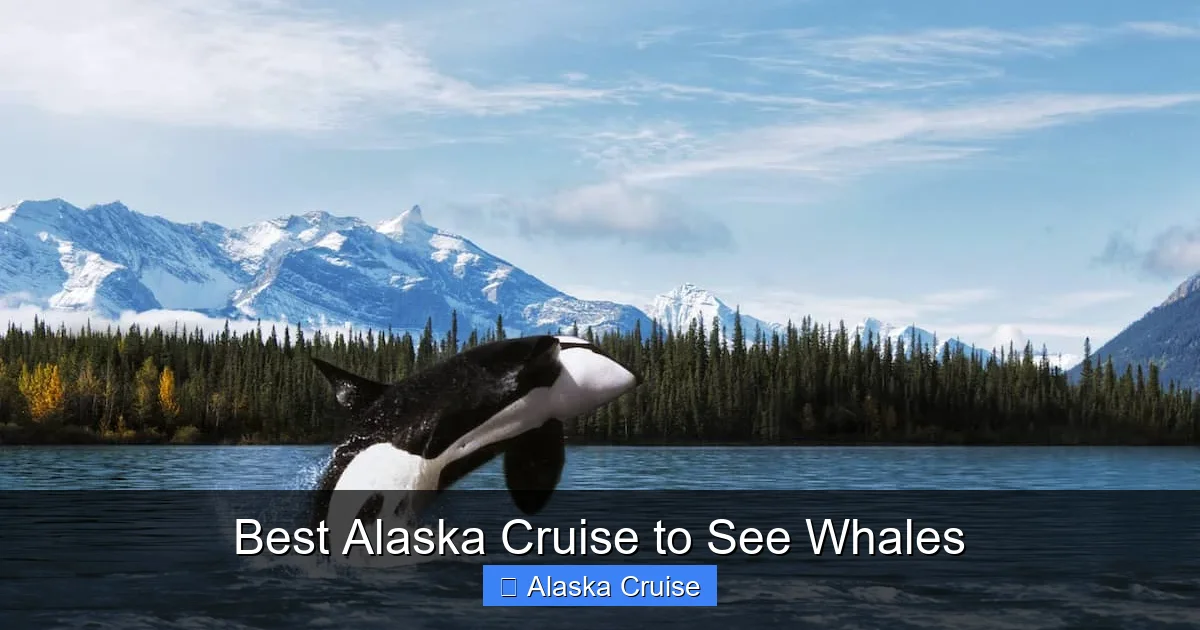
If you’re dreaming of seeing majestic whales breach in the wild, Alaska is the ultimate destination—and choosing the right cruise makes all the difference. The best Alaska cruise to see whales combines prime wildlife viewing locations, expert naturalists, and optimal timing to maximize your chances of unforgettable encounters.
Key Takeaways
- Best Time to Go: Late May to early September offers peak whale activity, with July and August being the prime months for humpbacks, orcas, and gray whales.
- Top Cruise Routes: The Inside Passage and Glacier Bay are hotspots for whale sightings, especially near Juneau, Ketchikan, and Sitka.
- Choose Smaller Ships: Smaller expedition-style vessels get closer to wildlife and access remote areas larger ships can’t reach.
- Look for Naturalist Guides: Cruises with onboard marine biologists or naturalists enhance your experience with real-time insights and whale behavior explanations.
- Pack the Right Gear: Bring binoculars, a waterproof jacket, and a camera with a good zoom lens to capture distant whale spouts and breaches.
- Book Early: The best whale-watching cruises fill up fast, especially during peak season—reserve 6–12 months in advance.
- Support Eco-Friendly Lines: Choose cruise operators committed to sustainable tourism and responsible wildlife viewing practices.
[FEATURED_IMAGE_PLACEHOLDER]
Why Alaska Is the Ultimate Whale-Watching Destination
Alaska isn’t just a cruise destination—it’s a front-row seat to one of nature’s greatest shows. Every summer, thousands of whales migrate to Alaska’s nutrient-rich waters to feed, mate, and raise their young. From the thunderous breach of a humpback to the sleek glide of an orca, these marine giants transform the coastline into a living theater.
What makes Alaska so special for whale watching? It’s the combination of pristine ecosystems, protected marine parks, and a long, sheltered coastline that creates ideal feeding grounds. The cold, upwelling waters bring plankton and small fish to the surface, drawing in whales in large numbers. Unlike tropical whale-watching spots where sightings can be seasonal or scattered, Alaska offers consistent, close-up encounters from May through September.
And it’s not just about the whales. Alaska’s dramatic scenery—towering glaciers, misty fjords, and lush temperate rainforests—adds to the magic. Imagine watching a pod of orcas glide past a calving glacier, or hearing the haunting song of a humpback echo off steep mountain cliffs. These moments aren’t just rare—they’re transformative.
Whale Species You Can See in Alaska
Alaska is home to several whale species, each with its own behaviors and migration patterns. Knowing what to look for can make your cruise even more rewarding.
- Humpback Whales: The stars of Alaska’s whale show, humpbacks are known for their acrobatics—breaching, tail-slapping, and flipper-waving. They’re often seen in groups called “super pods” during peak feeding season.
- Orcas (Killer Whales): Both resident and transient orcas frequent Alaskan waters. Resident pods feed on fish, while transients hunt marine mammals. Spotting a dorsal fin cutting through the water is a thrilling sight.
- Gray Whales: These gentle giants migrate along the coast, often seen in shallow bays and estuaries. They’re bottom feeders, creating mud plumes as they forage.
- Minke Whales: Smaller and more elusive, minkes are often spotted near glaciers and in narrow channels. They’re fast swimmers and can be tricky to track.
- Belugas: Found in Cook Inlet and other northern regions, belugas are social and vocal, often traveling in pods of dozens.
Each species has its own rhythm and habitat preferences, so your chances of seeing multiple types increase with a well-planned itinerary.
Best Time to Take an Alaska Cruise for Whale Watching
Timing is everything when it comes to whale watching in Alaska. While whales can be seen from May to September, the peak season runs from mid-June to mid-August. During these months, daylight stretches to nearly 18 hours, giving you more time on the water and better lighting for photography.
July and August are particularly special because the waters are warmest, and the abundance of food draws whales closer to shore. Humpbacks are especially active during this time, often engaging in bubble-net feeding—a coordinated technique where they blow bubbles to trap fish before lunging upward with open mouths. It’s a spectacle you won’t forget.
Monthly Breakdown of Whale Activity
Understanding monthly patterns can help you choose the best time for your cruise:
- May: Early season. Gray whales are still migrating north, and some humpbacks begin arriving. Fewer crowds, but weather can be unpredictable.
- June: Whale numbers increase. Humpbacks are more active, and orcas start appearing in greater numbers. Glaciers are still impressive, and wildlife is abundant.
- July: Peak season. Super pods of humpbacks, frequent orca sightings, and ideal weather. This is the best time for guaranteed whale encounters.
- August: Still excellent for whales, with the added bonus of salmon runs attracting orcas and other predators. Fewer tourists than July.
- September: Late season. Some whales begin migrating south, but early September can still offer great sightings. Cooler weather and fall colors add to the scenery.
If your goal is whale watching, aim for a cruise that departs in late June through August. These weeks offer the highest probability of multiple sightings and close encounters.
Top Alaska Cruise Routes for Whale Encounters
Not all Alaska cruises are created equal when it comes to whale watching. The route your ship takes can make or break your chances of seeing these marine mammals. The most rewarding itineraries focus on the Inside Passage and areas near Glacier Bay, Icy Strait, and Frederick Sound.
The Inside Passage is a narrow, winding waterway that hugs the coast of British Columbia and Southeast Alaska. It’s a natural highway for migrating whales and offers protected waters ideal for spotting them. Cruises that spend extra time in this region—especially near Juneau, Ketchikan, and Sitka—tend to deliver the best whale-watching experiences.
Must-Visit Whale Hotspots
Here are the top locations where whales are most commonly seen:
- Juneau: Alaska’s capital is a prime whale-watching hub. Excursions to Auke Bay and Stephens Passage often result in humpback and orca sightings. Many cruises offer whale-watching tours directly from the port.
- Ketchikan: Known as the “Salmon Capital of the World,” Ketchikan’s waters are rich with fish—and the whales that eat them. Tours to nearby Misty Fjords and Neets Bay are especially productive.
- Sitka: Located on Baranof Island, Sitka offers access to protected marine areas where orcas and humpbacks feed. The calm waters make for excellent viewing.
- Glacier Bay National Park: A UNESCO World Heritage Site, this park is home to diverse marine life. While glaciers are the main attraction, whales often pass through the bay, especially in July and August.
- Icy Strait Point: Near Hoonah, this area is famous for its high concentration of humpbacks. Some tours even offer underwater hydrophones so you can hear whale songs.
- Frederick Sound: Often called the “whale highway,” this deep channel between Admiralty and Kupreanof Islands is a major feeding ground for humpbacks.
When comparing cruise itineraries, look for ships that spend at least a full day in these regions—preferably with early morning or late afternoon sailing when whales are most active.
Choosing the Right Cruise Line for Whale Watching
With so many cruise lines offering Alaska voyages, it’s important to pick one that prioritizes wildlife and natural experiences. Not all ships are equipped or staffed to deliver a top-tier whale-watching adventure.
Smaller, expedition-style cruise lines often provide the best whale-watching experiences. These vessels—typically under 200 passengers—can navigate narrow channels and get closer to shore, increasing your chances of sightings. They also tend to have expert naturalists on board who can identify whale behavior and explain the ecosystem.
Top Cruise Lines for Whale Watching
Here are some of the best options for a whale-focused Alaska cruise:
- UnCruise Adventures: Specializes in small-ship, adventure-focused itineraries. Their Alaska cruises include daily wildlife excursions, naturalist guides, and a strong emphasis on sustainability. Routes often include Icy Strait Point and Glacier Bay.
- Lindblad Expeditions (in partnership with National Geographic): Offers immersive, educational voyages with marine biologists and photographers on board. Their ships are designed for exploration, with Zodiacs for up-close wildlife encounters.
- Hurtigruten (now Hurtigruten Expeditions): Known for eco-friendly practices and expedition-style travel. Their Alaska cruises focus on wildlife, culture, and conservation, with expert guides and flexible itineraries.
- Princess Cruises: A more traditional option, but still strong on whale watching. Their “North to Alaska” program includes naturalist talks, whale-watching excursions, and visits to key wildlife areas. Larger ships mean more amenities, but less flexibility.
- Holland America Line: Offers a balance of comfort and exploration. Their cruises often include Glacier Bay and feature onboard naturalists. The ms Koningsdam and Eurodam are popular choices.
- American Cruise Lines: Operates small ships that sail the Columbia and Snake Rivers, but also offers coastal Alaska itineraries. Ideal for travelers who prefer U.S.-flagged vessels and intimate settings.
When choosing a cruise line, consider factors like ship size, onboard expertise, excursion options, and environmental policies. Reading recent passenger reviews can also give you insight into actual whale sightings and guide quality.
What to Look for in a Whale-Watching Cruise
Beyond the cruise line, there are specific features that enhance your whale-watching experience:
- Onboard Naturalists: Look for cruises that include marine biologists or certified naturalists who give daily presentations and help spot wildlife.
- Whale-Watching Excursions: Many ports offer optional tours on smaller boats designed for wildlife viewing. These often get closer to whales than the main ship.
- Hydrophones: Some ships have underwater microphones that let you hear whale vocalizations—especially magical at night.
- Flexible Itineraries: Weather and wildlife can be unpredictable. Ships that can adjust their route based on sightings offer a better chance of success.
- Binocular Rentals: If you don’t want to bring your own, check if the ship offers binoculars for guest use.
- Photography Support: Some lines offer photography workshops or have experts who can help you capture the perfect shot.
A well-rounded cruise will combine education, adventure, and comfort—giving you the best of all worlds.
Tips for Maximizing Your Whale-Watching Experience
Even on the best Alaska cruise to see whales, a little preparation goes a long way. With the right mindset and gear, you can turn a good trip into an unforgettable one.
First, be patient. Whale sightings aren’t guaranteed, even in peak season. Sometimes it takes hours of scanning the horizon before a spout appears. Bring a good book, enjoy the scenery, and trust the process. The wait is always worth it when a humpback breaches just 50 yards from the ship.
Essential Gear for Whale Watching
Pack smart to make the most of your time on deck:
- Binoculars: A compact pair with 8x or 10x magnification helps you spot distant whales and details like barnacles or calf behavior.
- Camera with Zoom Lens: A telephoto lens (200mm or more) is ideal for capturing whales without disturbing them. Waterproof cases are a plus.
- Layered Clothing: Weather changes quickly at sea. Bring a waterproof jacket, warm layers, and gloves—even in summer.
- Sunscreen and Sunglasses: The reflection off the water can be intense. Polarized lenses reduce glare and improve visibility.
- Notebook or App: Keep a log of sightings, including species, time, and behavior. It’s fun to look back and see how much you’ve learned.
How to Spot Whales from a Distance
Whale spotting is part science, part art. Here are some tips to help you become a pro:
- Look for Blows: The spout of water exhaled by a whale is often the first sign. Humpbacks have a bushy, V-shaped blow; orcas have a tall, columnar one.
- Watch for Birds: Seagulls and gulls often gather where whales are feeding, signaling a potential sighting.
- Scan the Horizon: Use a sweeping motion with your binoculars, focusing on areas with ripples or shadows.
- Listen for Clicks and Songs: If your ship has hydrophones, tune in—especially at night when whales are more vocal.
- Ask the Crew: Bridge officers and naturalists often know the best spots and can alert passengers when whales are nearby.
Remember, whales are wild animals. Always maintain a respectful distance and avoid loud noises or sudden movements that could disturb them.
Sustainable Whale Watching: Protecting Alaska’s Marine Life
As whale watching grows in popularity, it’s important to choose experiences that protect, not harm, these incredible creatures. Responsible tourism ensures that future generations can enjoy Alaska’s marine wildlife.
Many cruise lines and tour operators follow guidelines set by organizations like the National Oceanic and Atmospheric Administration (NOAA) and the Alaska SeaLife Center. These include maintaining a safe distance (at least 200 yards), limiting time near whales, and avoiding behaviors that could disrupt feeding or nursing.
How to Be a Responsible Whale Watcher
- Choose Eco-Certified Operators: Look for cruises with certifications like Green Leaf or membership in the Alaska Travel Industry Association’s sustainable tourism program.
- Never Feed or Touch Wildlife: Feeding whales can alter natural behaviors and make them dependent on humans.
- Dispose of Waste Properly: Avoid single-use plastics and ensure all trash is stored securely to prevent ocean pollution.
- Support Conservation Efforts: Consider donating to organizations like the Center for Whale Research or the Alaska Whale Foundation.
- Share What You Learn: Educate others about whale conservation and the importance of protecting marine habitats.
By traveling thoughtfully, you help ensure that Alaska remains a sanctuary for whales and other marine life.
Conclusion: Your Whale Adventure Awaits
There’s nothing quite like the moment a humpback whale breaches beside your ship, sending a cascade of water into the Alaskan sky. It’s a reminder of nature’s power, beauty, and mystery—and it’s why so many travelers dream of an Alaska cruise.
The best Alaska cruise to see whales isn’t just about the destination—it’s about the journey. It’s about waking up to misty fjords, hearing the crack of a glacier calving, and sharing quiet awe with fellow passengers as a pod of orcas glides past. With the right timing, route, and cruise line, your whale-watching adventure can be everything you hoped for—and more.
So start planning, pack your binoculars, and get ready to meet the giants of the deep. Alaska is waiting.
FAQs
What is the best month for whale watching in Alaska?
July and August are the best months for whale watching in Alaska. During this time, humpbacks, orcas, and gray whales are most active, and weather conditions are ideal for sightings.
Can you see whales from the cruise ship itself?
Yes, many whale sightings happen directly from the cruise ship, especially in areas like Frederick Sound and Icy Strait. However, optional whale-watching excursions on smaller boats often provide closer views.
Do all Alaska cruises guarantee whale sightings?
No cruise can guarantee whale sightings, as they are wild animals. However, choosing a cruise with a strong wildlife focus and experienced naturalists greatly increases your chances.
Are there whales in Glacier Bay?
Yes, whales—especially humpbacks—are often seen in Glacier Bay National Park, particularly during July and August. The park’s rich marine ecosystem attracts a variety of wildlife.
What should I wear for whale watching on an Alaska cruise?
Wear layered, waterproof clothing, including a warm jacket, gloves, and a hat. Even in summer, it can be chilly on the water. Don’t forget sunglasses and sunscreen.
Are there age restrictions for whale-watching tours?
Most whale-watching tours welcome all ages, but some high-speed boat excursions may have age or height requirements for safety. Check with your cruise line or tour operator in advance.
This is a comprehensive guide about best alaska cruise to see whales.
Key Takeaways
- Understanding best alaska cruise to see whales: Provides essential knowledge
Frequently Asked Questions
What is best alaska cruise to see whales?
best alaska cruise to see whales is an important topic with many practical applications.