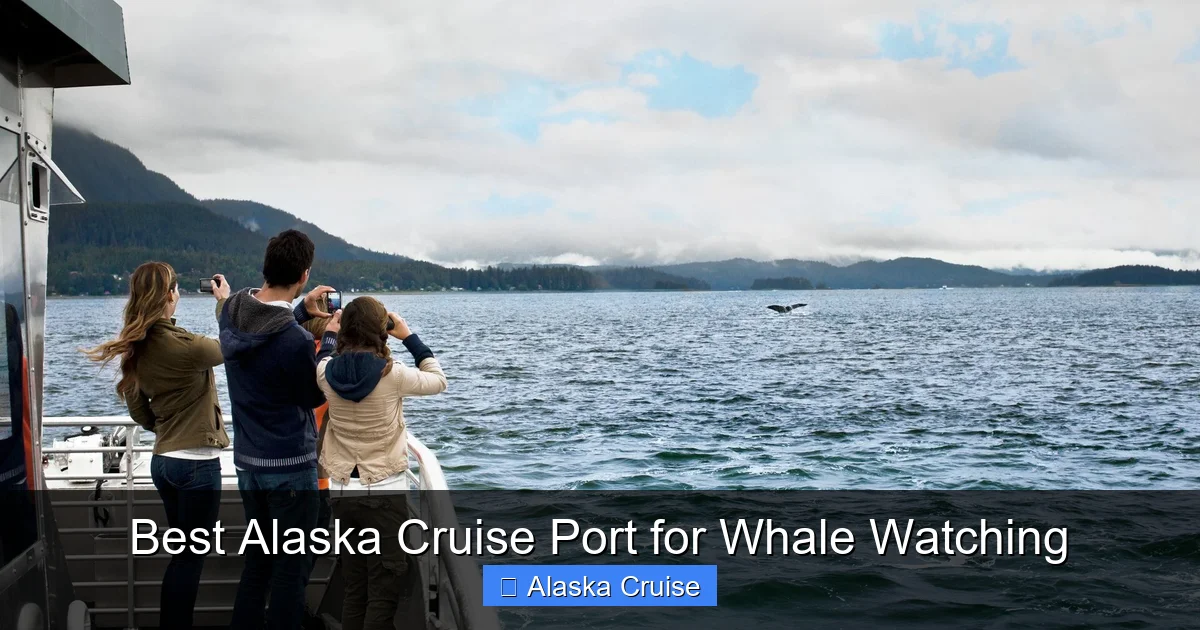
If you’re dreaming of spotting humpback whales breaching in icy Alaskan waters, choosing the right cruise port is key. While several ports offer whale-watching opportunities, Juneau consistently ranks as the best Alaska cruise port for whale watching due to its prime location, high whale activity, and expert-guided tours.
Dreaming of seeing a humpback whale leap out of the water, its massive body glistening in the Alaskan sun? You’re not alone. Whale watching is one of the most magical experiences you can have on an Alaska cruise, and choosing the right port can make all the difference. Alaska’s rugged coastline, rich marine ecosystems, and protected waters create a paradise for marine mammals—especially whales. But with several major cruise ports to choose from, it’s important to know where your chances of spotting these gentle giants are highest.
Among the top contenders—Juneau, Ketchikan, Skagway, and Seward—Juneau consistently stands out as the best Alaska cruise port for whale watching. Why? It’s all about location, timing, and local expertise. Juneau sits right in the middle of the Inside Passage, a migratory corridor teeming with marine life. The nutrient-rich waters of Stephens Passage and Auke Bay attract large numbers of humpback whales each summer, making it a hotspot for both casual observers and serious wildlife enthusiasts. Plus, the city offers a variety of high-quality, eco-friendly tours led by naturalists who know exactly where and when to look.
But don’t count the other ports out just yet. Each has its own charm and unique wildlife encounters. Ketchikan, known as the “Salmon Capital of the World,” offers a different flavor of marine adventure, with chances to see orcas and playful sea lions. Skagway, with its dramatic fjords and historic gold rush vibe, provides breathtaking scenery—even if whale sightings are less frequent. And Seward, gateway to Kenai Fjords National Park, delivers some of the most dramatic coastal landscapes in Alaska, with whales often spotted near the park’s glaciers.
So, how do you decide? This guide will walk you through each major cruise port, compare whale-watching opportunities, and give you practical tips to maximize your chances of an unforgettable encounter. Whether you’re a first-time cruiser or a seasoned traveler, understanding the strengths of each port will help you plan the ultimate Alaskan whale-watching adventure.
Key Takeaways
- Juneau is the top whale-watching port: Located in the heart of humpback feeding grounds, Juneau offers the most reliable and frequent whale sightings.
- Peak season is May to September: Whale activity peaks during summer months when food is abundant and weather is milder.
- Ketchikan offers diverse marine life: While less consistent for whales, Ketchikan shines with orcas, sea lions, and eagles.
- Skagway has fewer whales but stunning scenery: Ideal for scenic cruises, though whale sightings are less common here.
- Book guided tours for best results: Local operators know the best spots and times for spotting whales safely and responsibly.
- Bring binoculars and dress in layers: Even on sunny days, ocean winds can be chilly—prepare for changing conditions.
- Respect wildlife guidelines: Stay at least 100 yards from whales and avoid sudden movements to protect both you and the animals.
📑 Table of Contents
Why Whale Watching in Alaska Is a Must-Do Experience
There’s something profoundly moving about watching a whale breach—its powerful tail slapping the water, sending up a spray that catches the sunlight. In Alaska, this isn’t just a rare sight; it’s a seasonal spectacle. Every summer, thousands of humpback whales migrate north from Hawaii and Mexico to feed in Alaska’s cold, nutrient-dense waters. These waters are rich in krill, small fish, and plankton, creating a buffet that sustains some of the largest animals on Earth.
What makes Alaska special isn’t just the abundance of whales, but the sheer drama of the setting. Imagine cruising through narrow fjords surrounded by snow-capped peaks, glaciers calving into the sea, and eagles soaring overhead—all while a 40-ton humpback whale surfaces just a few hundred yards away. It’s nature at its most raw and beautiful.
Humpback whales are the stars of the show, known for their acrobatic breaches, tail slaps, and haunting songs. But Alaska is also home to orcas (killer whales), gray whales, minke whales, and even the occasional blue whale. Each species has its own behavior and habitat preferences, which means your chances of seeing different types of whales depend heavily on where and when you go.
The best time for whale watching in Alaska is from late May through September. During these months, the days are long, the weather is relatively mild, and the whales are actively feeding. June and July are particularly prime, as the whales are at their most active and numerous. By August, some begin their migration south, but sightings are still common—especially in key hotspots like Juneau.
One of the biggest advantages of whale watching on an Alaska cruise is accessibility. Unlike remote expeditions that require weeks at sea, cruise ships dock in major ports where you can easily join a half-day or full-day whale-watching tour. These tours often include expert guides, hydrophones to listen to whale songs, and educational commentary about marine conservation.
And let’s not forget the photography opportunities. With whales often surfacing close to shore or near tour boats, you can capture stunning images without needing expensive gear. Just remember to keep a respectful distance—both for your safety and the whales’ well-being.
Juneau: The Crown Jewel of Whale Watching
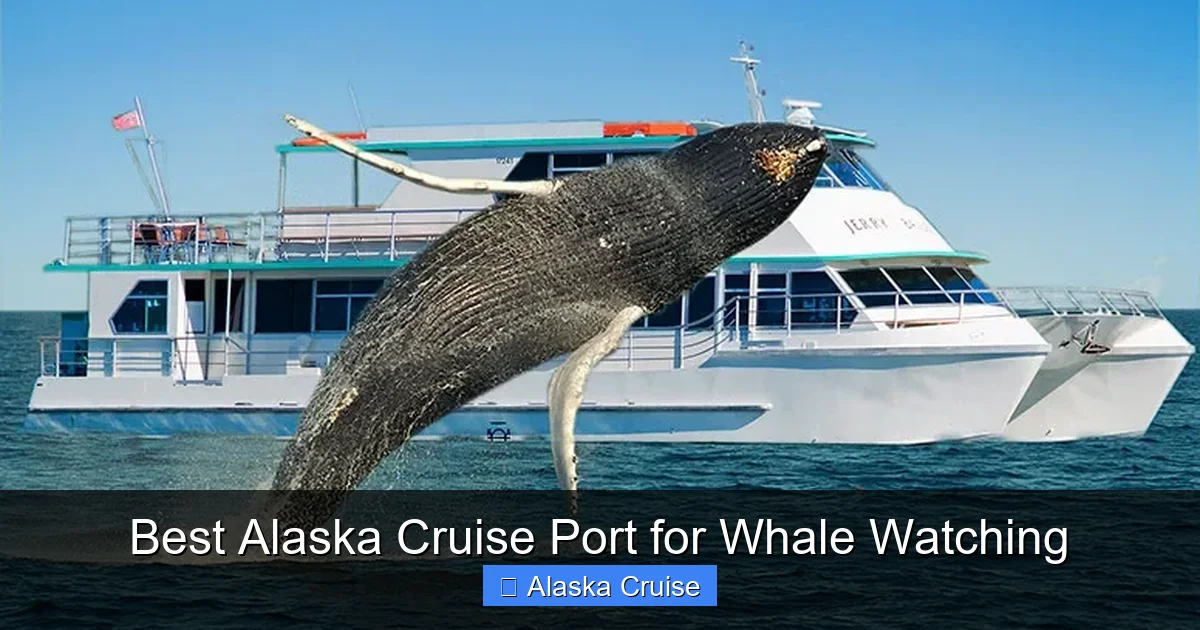
Visual guide about Best Alaska Cruise Port for Whale Watching
Image source: res.cloudinary.com
If you had to pick just one port for whale watching, Juneau is the clear winner. Nestled on the Gastineau Channel and surrounded by lush rainforest and towering mountains, Juneau isn’t just Alaska’s capital—it’s a whale-watching mecca. The city’s proximity to Stephens Passage, one of the most productive marine habitats in the world, makes it a magnet for humpback whales during the summer months.
Stephens Passage is a deep, narrow channel that funnels nutrient-rich waters from the Gulf of Alaska into the Inside Passage. This creates ideal feeding conditions for whales, especially humpbacks, which use a technique called “bubble net feeding” to corral schools of fish. Watching a group of whales work together to create a spiral of bubbles and then surge upward with mouths agape is nothing short of spectacular.
One of the best ways to experience whale watching in Juneau is by taking a guided boat tour. Companies like Harv and Marv’s Outback Adventures, Juneau Whale Watch, and Alaskan Dreams offer small-group excursions that prioritize wildlife viewing and environmental education. These tours typically last 3 to 4 hours and depart from Auke Bay, just a short drive from downtown Juneau.
What sets Juneau apart is consistency. While whale sightings can never be guaranteed, Juneau’s tour operators report success rates of over 90% during peak season. That’s because they’ve spent decades learning the whales’ patterns, migration routes, and favorite feeding spots. Many guides are certified naturalists who can identify individual whales by their tail flukes—yes, just like fingerprints!
Another advantage of Juneau is its variety of tour options. Whether you prefer a fast Zodiac boat for close encounters or a stable catamaran with panoramic views, there’s a tour to match your comfort level. Some even include kayaking or glacier viewing as part of the experience.
And if you’re lucky, you might spot more than just whales. Juneau’s waters are also home to sea otters, harbor seals, bald eagles, and even the occasional orca. One visitor recalled seeing a humpback whale breach three times in a row while a pod of orcas cruised by in the distance—“It felt like nature putting on a show just for us,” she said.
Best Time to Visit Juneau for Whales
Timing is everything when it comes to whale watching. In Juneau, the peak season runs from mid-June to mid-August. During this window, humpback whales are abundant and active, often feeding in groups. Early morning tours tend to be the most productive, as the water is calmer and whales are more likely to be feeding near the surface.
That said, whales can be spotted as early as May and as late as September. May offers fewer crowds and lower prices, though sightings may be less frequent. September brings cooler weather and the chance to see migrating whales, but some tour operators begin winding down operations by then.
Top Whale-Watching Tours in Juneau
– **Harv and Marv’s Outback Adventures**: Known for small groups and expert guides, this tour focuses on humpback whales and includes hydrophone listening.
– **Juneau Whale Watch**: Offers both Zodiac and catamaran options, with a strong emphasis on safety and education.
– **Alaskan Dreams**: Combines whale watching with glacier viewing, giving you two iconic Alaskan experiences in one trip.
Ketchikan: A Close Second with Diverse Marine Life
Often called the “Gateway to the Inside Passage,” Ketchikan is Alaska’s first major port for many cruise ships. While it may not match Juneau’s whale-watching consistency, Ketchikan offers its own unique marine adventures. The waters around Ketchikan—particularly around Misty Fjords National Monument—are rich in biodiversity, making it a great spot for spotting orcas, sea lions, and even the occasional humpback.
Orcas, or killer whales, are the main draw here. These intelligent predators are often seen hunting in pods, using coordinated strategies to catch fish and seals. Unlike humpbacks, orcas are more elusive and less predictable, but their sleek black-and-white forms cutting through the water are unforgettable.
Ketchikan’s whale-watching tours typically depart from the city’s waterfront and head into the surrounding channels and inlets. Companies like Ketchikan Shore Excursions and Alaska Sea Adventures offer half-day trips that combine whale watching with wildlife spotting and scenic cruising.
One visitor described her Ketchikan tour as “a marine safari.” She saw a pod of orcas chasing salmon, a sea lion basking on a rock, and a bald eagle diving for fish—all within a few hours. “It wasn’t just about whales,” she said. “It was about the whole ecosystem.”
When to Go Whale Watching in Ketchikan
The best time for whale watching in Ketchikan is from June to August. Orcas are more commonly seen in July and August, while humpbacks may appear earlier in the season. Early morning departures increase your chances of spotting active marine life.
Tips for Ketchikan Whale Watching
– Choose a tour that includes a naturalist guide.
– Bring a waterproof camera or phone case.
– Dress warmly—even in summer, ocean winds can be brisk.
Skagway: Scenic Beauty with Fewer Whales
Skagway is all about drama—towering mountains, deep fjords, and a rich gold rush history. But when it comes to whale watching, it’s more about the journey than the destination. While humpback and orca sightings do occur, they’re less frequent here than in Juneau or Ketchikan.
That said, Skagway’s scenic cruises are worth the trip. Tours often head into the Tracy Arm Fjord, a narrow waterway flanked by 3,000-foot cliffs and active glaciers. While whales may not be the main event, the sheer beauty of the landscape makes it a highlight of any Alaska cruise.
Some operators, like Harv and Marv’s (which also runs out of Juneau), offer whale-watching excursions from Skagway, but success rates are lower. If your primary goal is seeing whales, consider booking a tour that departs from Juneau instead.
What You Might See in Skagway
– Glaciers calving into the sea
– Mountain goats on cliff ledges
– Harbor seals on ice floes
– Occasional humpback or orca sightings
Seward: Gateway to Kenai Fjords
Though not a traditional cruise port, Seward is a popular stop for expedition cruises and independent travelers. It’s the gateway to Kenai Fjords National Park, where whales gather near the park’s glaciers and nutrient-rich currents.
Humpback whales are commonly seen here, especially near the park’s entrance. Orcas also frequent the area, particularly in Resurrection Bay. Tours with companies like Kenai Fjords Tours offer excellent whale-watching opportunities, often combined with glacier viewing and sea kayaking.
Best Time to Visit Seward
June through August is ideal. July offers the highest chances of whale sightings, with calm waters and abundant marine life.
Tips for the Best Whale-Watching Experience
No matter which port you choose, a few smart tips can boost your chances of a great whale-watching experience:
– **Book in advance:** Popular tours fill up quickly, especially in peak season.
– **Choose small-group tours:** They’re more intimate and often get closer to wildlife.
– **Bring binoculars:** Even with good eyesight, binoculars help you spot distant blows and behaviors.
– **Dress in layers:** Temperatures can drop quickly on the water.
– **Be patient:** Whale watching is about observation, not speed. Sit back, relax, and enjoy the moment.
– **Respect wildlife:** Follow guidelines from the National Oceanic and Atmospheric Administration (NOAA)—stay at least 100 yards away and avoid chasing or feeding whales.
Conclusion
So, what’s the best Alaska cruise port for whale watching? The answer is clear: Juneau. With its prime location, high whale activity, and expert-guided tours, Juneau offers the most reliable and rewarding whale-watching experience in Alaska. Whether you’re watching a humpback breach or listening to its song through a hydrophone, the memories you make here will last a lifetime.
That said, each port has its own magic. Ketchikan dazzles with orcas and diverse marine life, Skagway enchants with its scenery, and Seward delivers dramatic glacier-and-whale combos. The key is to match your expectations with the strengths of each location.
Ultimately, whale watching in Alaska isn’t just about spotting a whale—it’s about connecting with one of the planet’s most awe-inspiring creatures in one of its most beautiful settings. So pack your camera, bundle up, and get ready for an adventure you’ll never forget.
Frequently Asked Questions
Which Alaska cruise port has the most whale sightings?
Juneau is widely considered the best Alaska cruise port for whale watching, with the highest frequency of humpback whale sightings, especially in Stephens Passage during summer months.
When is the best time to see whales in Alaska?
The peak whale-watching season in Alaska runs from late May to September, with June and July offering the most consistent sightings and active whale behavior.
Can you see whales in Ketchikan?
Yes, Ketchikan offers opportunities to see orcas and occasional humpback whales, though sightings are less predictable than in Juneau. The area is better known for diverse marine life like sea lions and eagles.
Are whale-watching tours safe?
Yes, reputable tours follow strict safety and wildlife guidelines. Guides maintain a safe distance from whales and educate passengers on responsible viewing practices.
Do I need special equipment to see whales?
Binoculars and a camera with a zoom lens are helpful, but most tours provide good viewing opportunities. Dress warmly and bring waterproof gear for comfort on the water.
Can children go on whale-watching tours?
Most tours welcome children, but check age and safety requirements in advance. Some operators offer family-friendly tours with educational activities for kids.