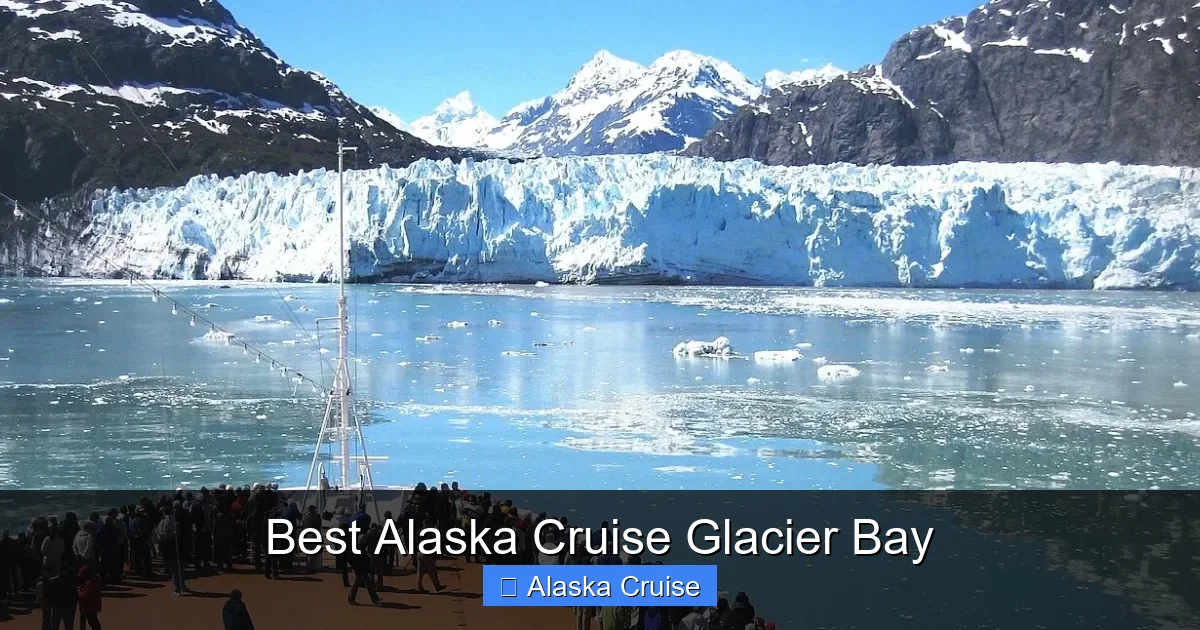
Glacier Bay National Park is one of Alaska’s most breathtaking destinations, and cruising through it offers unparalleled views of towering glaciers, wildlife, and pristine wilderness. The best Alaska cruise Glacier Bay itineraries combine scenic beauty with expert narration, making it a must-do for nature lovers and adventure seekers alike.
Key Takeaways
- Glacier Bay is a UNESCO World Heritage Site: This protected area spans over 3.3 million acres and is home to some of the world’s most active tidewater glaciers.
- Only a few cruise lines are permitted to enter daily: Due to environmental regulations, just two small ships per day can enter Glacier Bay, making advance booking essential.
- Wildlife sightings are common: Expect to see humpback whales, sea lions, bald eagles, brown bears, and mountain goats during your cruise.
- National Park Rangers join the ship: Rangers come aboard to provide educational commentary and enhance your understanding of the park’s ecology and geology.
- Best time to visit is May through September: Summer months offer calmer seas, longer daylight hours, and peak wildlife activity.
- Smaller ships offer better access: Ships under 1,000 passengers can navigate closer to glaciers and provide more intimate experiences.
- Photography opportunities are endless: From calving glaciers to breaching whales, Glacier Bay is a photographer’s dream destination.
[FEATURED_IMAGE_PLACEHOLDER]
Why Glacier Bay Should Be on Your Alaska Cruise Itinerary
If you’re planning an Alaska cruise, Glacier Bay National Park should be at the top of your must-see list. This remote, rugged wilderness is one of the most dramatic and awe-inspiring places on Earth. Located in southeastern Alaska, Glacier Bay is a living laboratory of glacial activity, where massive rivers of ice carve their way through deep fjords, creating thunderous calving events that echo across the water.
What makes Glacier Bay so special isn’t just its size—though it’s enormous, covering over 3.3 million acres—but its dynamic nature. The park is a UNESCO World Heritage Site and part of a larger international park system that includes Canada’s Kluane National Park. Here, glaciers advance and retreat in real time, shaping the landscape before your eyes. In fact, the bay itself was completely covered by ice just 250 years ago. Today, it’s a stunning mosaic of turquoise waters, snow-capped peaks, and lush temperate rainforests.
Cruising through Glacier Bay offers a front-row seat to one of nature’s greatest shows. Unlike land-based tours, a cruise allows you to experience the park from the water, where you can see glaciers from multiple angles and hear the deep rumble of ice breaking off into the sea. The experience is both humbling and exhilarating. Whether you’re sipping coffee on your balcony or bundled up on the outer decks, the views are nothing short of spectacular.
But Glacier Bay isn’t just about glaciers. It’s a thriving ecosystem where marine and terrestrial life flourish. You’ll likely spot humpback whales feeding in the nutrient-rich waters, sea otters floating on their backs, and bald eagles perched high in the spruce trees. Onshore, brown bears forage along the beaches, and mountain goats scale the cliffs with ease. The park’s diversity is part of what makes it so magical.
One of the best parts of visiting Glacier Bay on a cruise is the added layer of education. National Park Service rangers board select ships to share their expertise, offering insights into the park’s geology, wildlife, and conservation efforts. Their commentary brings the landscape to life, helping you understand not just what you’re seeing, but why it matters.
Top Cruise Lines for Glacier Bay Experiences
Not all Alaska cruises are created equal when it comes to Glacier Bay. Due to strict environmental regulations, only a limited number of ships are allowed to enter the park each day—just two per day, to be exact. This means that not every cruise line can guarantee a visit, and those that do often have specific requirements. Choosing the right cruise line can make all the difference in your Glacier Bay experience.
Holland America Line: The Glacier Bay Specialist
Holland America Line is widely regarded as the gold standard for Alaska cruises, especially when it comes to Glacier Bay. They’ve been sailing these waters for decades and have a deep partnership with the National Park Service. In fact, Holland America is one of only two cruise lines granted daily access to Glacier Bay, and their ships often spend a full day navigating the park’s inner waters.
Their mid-sized ships, such as the ms Nieuw Amsterdam and ms Koningsdam, are perfectly suited for Alaska. With around 1,400 passengers, they’re large enough to offer stability in rough seas but small enough to maneuver close to glaciers. Holland America also includes a National Park Ranger on every Glacier Bay sailing, ensuring you get expert commentary throughout the day.
One standout feature is their “Glacier Bay Day” itinerary, which typically includes a slow, scenic transit through the park with multiple stops near active glaciers like Margerie and Lamplugh. The ship often positions itself near a calving glacier for an extended period, giving passengers time to take photos and soak in the moment. Holland America also offers enhanced wildlife viewing with high-powered binoculars available on deck.
Princess Cruises: Scenic and Comfortable
Princess Cruises is another top contender for Glacier Bay cruises. Like Holland America, they have daily access to the park and offer full-day excursions through its most dramatic sections. Their ships, such as the Grand Princess and Discovery Princess, are slightly larger, accommodating up to 3,600 passengers, but they still provide a comfortable and scenic experience.
Princess stands out for its “North to Alaska” programming, which includes onboard lectures, cooking demonstrations, and cultural performances that celebrate Alaskan heritage. During Glacier Bay days, they often host special presentations by park rangers and naturalists, adding depth to the experience.
One of the highlights of a Princess cruise is their use of the “Movies Under the Stars” outdoor theater. While not directly related to Glacier Bay, it’s a fun way to unwind after a day of sightseeing. Plus, their ships feature multiple outdoor viewing areas, including the popular “Promenade Deck,” which wraps around the ship and offers 360-degree views.
UnCruise Adventures: Intimate and Immersive
For travelers seeking a more intimate and adventurous experience, UnCruise Adventures offers small-ship cruises that focus on wildlife, kayaking, and up-close glacier viewing. Their ships carry fewer than 100 passengers, allowing them to access areas larger vessels can’t reach.
UnCruise itineraries often include multiple days in Glacier Bay, with opportunities for guided kayak tours, hiking, and even polar plunges (if you’re feeling brave). Their naturalist guides are passionate and knowledgeable, offering detailed insights into the park’s ecosystems.
While UnCruise doesn’t have daily access like Holland America or Princess, they do partner with the National Park Service to ensure their visits are educational and low-impact. Their focus on sustainability and small-group experiences makes them ideal for eco-conscious travelers.
Other Notable Options
Other cruise lines, such as Norwegian Cruise Line and Royal Caribbean, may include Glacier Bay in their itineraries, but access is not guaranteed and often depends on the specific sailing. These larger ships may only offer a partial day in the park or view it from a distance. If Glacier Bay is a priority, it’s best to choose a line with confirmed access.
What to Expect During Your Glacier Bay Day
A day in Glacier Bay is unlike any other on an Alaska cruise. It’s a full-day experience that typically begins early in the morning and lasts until late afternoon. The ship slows to a crawl, often moving at just a few knots, to allow passengers to fully absorb the scenery. Here’s what you can expect during your Glacier Bay day.
Early Morning Entry
Most ships enter Glacier Bay around 6 or 7 a.m., when the light is soft and the water is calm. The air is crisp, and the silence is profound—broken only by the occasional call of a gull or the distant rumble of ice. As the ship glides into the bay, you’ll notice the landscape changing dramatically. Towering cliffs rise from the water, covered in dense forests and snowfields.
The ship will begin its slow transit through the park, often following a route that takes you past iconic landmarks like the Fairweather Range and the Johns Hopkins Glacier. The crew will announce key points of interest over the ship’s speakers, and rangers will provide live commentary from the bridge or main lounge.
Glacier Viewing and Calving Events
One of the most thrilling parts of the day is watching glaciers calve—the process where chunks of ice break off and crash into the water. This can happen at any time, and when it does, the sound is like thunder. The ship will often position itself near active glaciers like Margerie or Grand Pacific, giving passengers a front-row seat.
It’s important to note that calving is unpredictable. Some days, you might witness multiple large events; other days, the glaciers are quiet. But even when they’re not actively calving, the sheer scale of the ice is mesmerizing. The glaciers can be over 200 feet tall, with deep blue crevasses and layers of ice that tell the story of centuries.
Wildlife Sightings
Glacier Bay is teeming with wildlife, and your cruise will likely offer several opportunities for sightings. Humpback whales are common, especially in the warmer months when they come to feed on krill and small fish. You might see them breaching or slapping their tails on the surface.
Sea lions often haul out on rocky outcrops, and sea otters can be spotted floating on their backs, using rocks to crack open shellfish. Onshore, keep an eye out for brown bears—especially in the late summer when they come to feed on salmon. Bald eagles are everywhere, perched in trees or soaring overhead.
Ranger-Led Programs
One of the unique aspects of a Glacier Bay cruise is the presence of National Park Rangers. They board the ship early in the morning and remain onboard throughout the day, offering presentations, answering questions, and sharing stories about the park’s history and ecology.
These rangers are not just informative—they’re passionate. Many have spent years studying the park and can explain complex topics like glacial retreat, climate change, and marine ecosystems in an accessible way. Their insights add a layer of depth to the experience, helping you appreciate the park beyond its visual beauty.
Deck Time and Photography
With so much to see, you’ll want to spend as much time as possible on deck. Most ships have multiple outdoor viewing areas, including the bow, stern, and upper decks. Bring layers, as it can get chilly, especially when the ship is near the glaciers.
Photography enthusiasts will find endless opportunities. The contrast between the blue ice, green water, and gray rock creates stunning compositions. Early morning and late afternoon light are ideal for capturing the glaciers in soft, golden hues. Don’t forget your zoom lens—wildlife and distant glaciers often require a long focal length.
Best Time to Visit Glacier Bay on a Cruise
Timing is everything when it comes to an Alaska cruise, and Glacier Bay is no exception. The park is only accessible during the summer months, typically from mid-May to mid-September. Within that window, each month offers a slightly different experience.
May and Early June: Quiet and Serene
Visiting in May or early June means fewer crowds and lower prices. The weather can be unpredictable—cool and rainy one day, sunny the next—but the landscapes are lush and green. Wildlife is active, and you’re more likely to see newborn animals, such as bear cubs and seal pups.
One advantage of early-season travel is that the glaciers are often more stable, with less calving activity. This can make for calmer waters and better visibility. However, some wildlife, like humpback whales, may not have arrived in full force yet.
July and August: Peak Season
These are the most popular months for Alaska cruises, and for good reason. The weather is generally warmer, with daytime temperatures in the 60s and 70s. The days are long—up to 18 hours of daylight in June—giving you plenty of time to explore.
Wildlife is at its peak in July and August. Humpback whales are abundant, and brown bears are frequently spotted along the shoreline. The glaciers are also more active, with increased calving due to warmer temperatures.
The downside? Crowds. Ships are fuller, and popular viewing spots can get busy. If you prefer a quieter experience, consider booking a smaller ship or traveling in early July.
September: Fall Colors and Fewer Crowds
By September, the summer rush has died down, and the landscape begins to change. The leaves on the alder and willow trees turn golden, creating a stunning contrast against the blue ice and dark water. Wildlife is still active, and you might see bears preparing for hibernation.
Weather can be cooler and wetter, but the trade-off is fewer tourists and lower prices. Some cruise lines begin to wind down their Alaska season in late September, so availability may be limited.
Tips for Making the Most of Your Glacier Bay Experience
To get the most out of your Glacier Bay day, a little preparation goes a long way. Here are some practical tips to help you make the most of this unforgettable experience.
Dress in Layers
Alaska’s weather is famously unpredictable, and Glacier Bay is no exception. Even in summer, temperatures can vary widely throughout the day. Dress in layers, starting with a moisture-wicking base layer, adding a fleece or sweater, and topping it off with a waterproof jacket.
Don’t forget a hat, gloves, and sunglasses. The glare off the ice and water can be intense, and wind chill near the glaciers can make it feel much colder than the actual temperature.
Bring the Right Gear
A good pair of binoculars is essential for spotting wildlife and getting a closer look at distant glaciers. If you’re serious about photography, bring a camera with a telephoto lens and extra batteries—cold weather drains battery life quickly.
Consider bringing a small backpack to carry your gear, water, and snacks. Most ships offer complimentary coffee and tea, but having your own water bottle is a good idea.
Arrive Early on Deck
Popular viewing spots fill up quickly, especially when the ship is near a major glacier. Arrive at least 15–20 minutes early to secure a good spot, particularly on the side of the ship facing the glacier.
If you’re on a larger ship, consider exploring different decks. The upper decks offer unobstructed views, while the lower decks may be less crowded.
Listen to the Rangers
The National Park Rangers are a wealth of knowledge. Attend their presentations, ask questions, and take notes. Their insights can deepen your appreciation of the park and help you spot things you might otherwise miss.
Be Patient and Present
Glacier Bay is not a theme park—it’s a wild, untamed place. Calving events don’t happen on schedule, and wildlife sightings are never guaranteed. Embrace the unpredictability. Sit back, breathe in the fresh air, and let the moment sink in.
Environmental Impact and Responsible Tourism
Glacier Bay is a fragile ecosystem, and tourism plays a role in its preservation—or its degradation. As a visitor, you can help protect this incredible place by practicing responsible tourism.
Follow Park Guidelines
Always follow the instructions of the National Park Rangers and ship crew. Stay behind barriers, don’t throw anything overboard, and never approach wildlife.
Choose Eco-Friendly Cruise Lines
Look for cruise lines that prioritize sustainability. Many, like Holland America and UnCruise, have environmental policies in place, such as waste reduction, fuel efficiency, and support for local conservation efforts.
Minimize Your Footprint
Bring reusable water bottles, avoid single-use plastics, and support local businesses when you go ashore. Every small action adds up.
Conclusion
A cruise through Glacier Bay is more than just a scenic tour—it’s a journey into one of the world’s last great wilderness areas. The combination of towering glaciers, abundant wildlife, and expert guidance makes it a highlight of any Alaska cruise. Whether you’re marveling at a calving glacier, spotting a humpback whale, or listening to a ranger explain the science behind ice formation, the experience is both humbling and inspiring.
To make the most of your trip, choose a cruise line with confirmed access to Glacier Bay, travel during the peak season for the best weather and wildlife, and come prepared with the right gear and mindset. And remember: this is a place to be savored, not rushed. Take your time, soak in the views, and let the raw beauty of Glacier Bay leave a lasting impression.
FAQS
Can all cruise ships enter Glacier Bay?
No, only two small ships per day are permitted to enter Glacier Bay National Park due to environmental regulations. Cruise lines like Holland America and Princess have daily access, but others may not guarantee entry.
How long do ships spend in Glacier Bay?
Most ships spend a full day in Glacier Bay, typically from early morning to late afternoon. This allows ample time for glacier viewing, wildlife spotting, and ranger-led programs.
Is it cold in Glacier Bay during the summer?
Yes, it can be chilly, especially near the glaciers. Daytime temperatures usually range from 50°F to 70°F, but wind chill can make it feel colder. Dress in layers and bring a waterproof jacket.
Will I definitely see a glacier calve?
Calving is unpredictable and depends on the glacier’s activity. While many passengers witness at least one calving event, it’s not guaranteed. Even without calving, the glaciers are still breathtaking to see.
Are there restrooms on deck during Glacier Bay day?
Yes, most ships have restrooms on multiple decks. However, lines can form during peak viewing times, so plan accordingly. Some ships also have heated lounges for comfort.
Can I go ashore in Glacier Bay?
No, passengers are not allowed to disembark in Glacier Bay National Park. The experience is entirely from the ship, with rangers and naturalists providing commentary and education.
This is a comprehensive guide about best alaska cruise glacier bay.
Key Takeaways
- Understanding best alaska cruise glacier bay: Provides essential knowledge
Frequently Asked Questions
What is best alaska cruise glacier bay?
best alaska cruise glacier bay is an important topic with many practical applications.