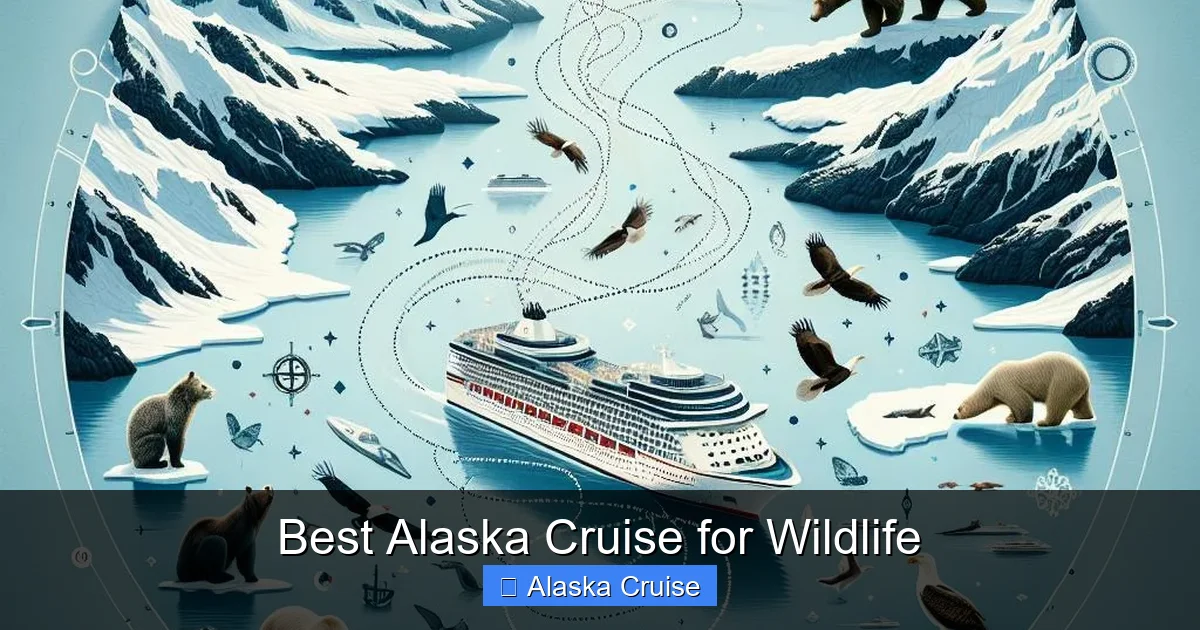
Choosing the best Alaska cruise for wildlife means prioritizing itineraries that maximize your chances of seeing bears, whales, sea otters, and more in their natural habitats. Smaller ships, expert naturalists, and remote stops like Glacier Bay and Icy Strait Point make all the difference.
Key Takeaways
- Smaller ships access remote areas: Boutique and expedition-style vessels can navigate narrow fjords and shallow waters, getting you closer to wildlife hotspots.
- Expert naturalists enhance the experience: Ships with onboard biologists and guides provide real-time insights and help spot hidden animals.
- Timing matters for wildlife viewing: May through September offers the best weather and peak animal activity, with July and August being prime months.
- Glacier Bay and Icy Strait Point are must-visits: These protected areas are teeming with marine and coastal wildlife, including humpback whales and brown bears.
- Look for wildlife-focused itineraries: Cruises that emphasize nature over shopping or nightlife deliver more meaningful encounters.
- Binoculars and patience are essential: Bring quality optics and be ready to wait—wildlife sightings are never guaranteed, but often magical.
- Choose eco-conscious cruise lines: Responsible operators follow strict wildlife viewing guidelines to protect Alaska’s fragile ecosystems.
📑 Table of Contents
- Why Alaska Is a Wildlife Lover’s Paradise
- What Makes a Cruise “Best” for Wildlife Viewing?
- Top Wildlife Hotspots on an Alaska Cruise
- Best Cruise Lines for Wildlife Enthusiasts
- Tips for Maximizing Your Wildlife Sightings
- When to Go: Best Time for Wildlife Viewing
- Conclusion: Choosing Your Perfect Wildlife Cruise
Why Alaska Is a Wildlife Lover’s Paradise
Alaska isn’t just another cruise destination—it’s a wild, untamed frontier where nature takes center stage. From towering glaciers calving into icy waters to bald eagles soaring above dense rainforests, the 49th state offers some of the most dramatic and biodiverse landscapes on Earth. If you’re passionate about wildlife, an Alaska cruise is one of the best ways to immerse yourself in this pristine environment without sacrificing comfort.
Unlike land-based tours, a cruise lets you glide through remote fjords, coastal rainforests, and open ocean—all while waking up to a new natural wonder each morning. The marine and terrestrial ecosystems here are incredibly rich. You’ll find everything from orcas and sea lions to black and brown bears foraging along riverbanks. Even the tiniest details, like a tufted puffin nesting on a cliff or a river otter playing in a kelp bed, can leave a lasting impression.
What makes Alaska truly special is the balance between accessibility and wildness. Major ports like Juneau, Ketchikan, and Skagway offer modern amenities, but just beyond the docks, the wilderness begins. This unique blend allows travelers to enjoy gourmet meals and cozy cabins while still feeling like explorers. For wildlife enthusiasts, that’s the perfect recipe for an unforgettable journey.
What Makes a Cruise “Best” for Wildlife Viewing?
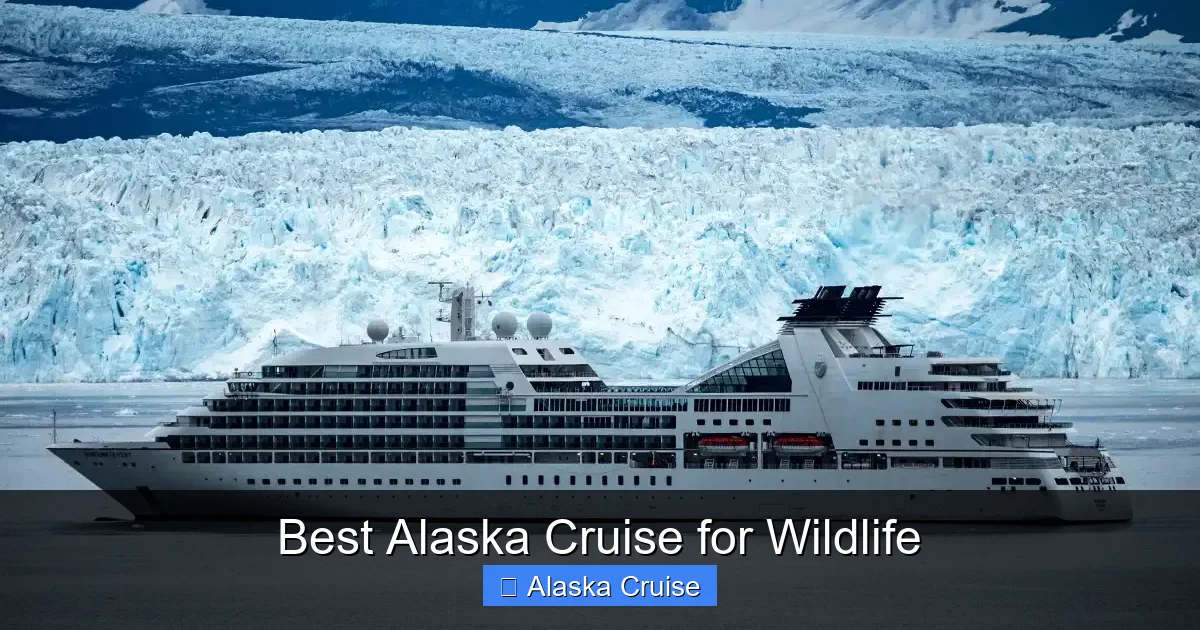
Visual guide about Best Alaska Cruise for Wildlife
Image source: alaskaitinerary.com
Not all Alaska cruises are created equal when it comes to wildlife. Some focus on luxury and entertainment, while others prioritize nature and adventure. So, what sets the best Alaska cruise for wildlife apart from the rest?
First and foremost, it’s about the ship’s size and design. Larger cruise ships—those carrying thousands of passengers—often stick to main channels and popular ports. While they offer plenty of onboard activities, they can’t access the narrow inlets and shallow waters where wildlife thrives. In contrast, smaller expedition vessels, typically under 200 passengers, can navigate tighter spaces and get closer to shore. This means better views of glaciers, bird colonies, and marine mammals.
Another key factor is the presence of onboard naturalists. The best wildlife cruises employ marine biologists, ornithologists, and local guides who lead lectures, interpret wildlife sightings, and even scan the horizon with high-powered binoculars. These experts don’t just enhance your experience—they increase your chances of spotting elusive animals like Dall’s porpoises or a mother bear with cubs.
Itinerary design also plays a huge role. Cruises that spend full days in Glacier Bay National Park, for example, give you time to witness glacier calving and spot harbor seals lounging on ice floes. Likewise, ships that include stops at Icy Strait Point or Tracy Arm Fjord offer access to some of the most active wildlife zones in Southeast Alaska.
Finally, timing and seasonality matter. Wildlife behavior changes throughout the summer. In May and June, you’ll see newborn seal pups and active bird nesting. July and August bring peak whale migrations and salmon runs, which attract bears and eagles. September offers quieter waters and the chance to see animals preparing for winter. Choosing the right time can dramatically improve your wildlife sightings.
Top Wildlife Hotspots on an Alaska Cruise
Alaska’s coastline is dotted with incredible wildlife habitats, but a few stand out as must-see destinations for nature lovers. These locations are frequently included in the best Alaska cruise for wildlife itineraries, and for good reason.
Glacier Bay National Park
Glacier Bay is a UNESCO World Heritage Site and one of the most protected marine environments in North America. This 3.3-million-acre park is home to tidewater glaciers, deep fjords, and a thriving marine ecosystem. As your ship slowly navigates the bay, you’ll likely see humpback whales breaching, sea otters floating on their backs, and harbor seals resting on floating ice.
One of the most thrilling moments in Glacier Bay is witnessing a glacier calve—a massive chunk of ice breaking off and crashing into the water. The sound is thunderous, and the resulting waves can rock your ship. But beyond the spectacle, these events create new habitats for marine life. After a calving, you might see schools of fish and diving birds feeding in the disturbed water.
The park is also a critical feeding ground for migratory birds. Look for tufted puffins, black oystercatchers, and marbled murrelets nesting along the cliffs. Rangers from the National Park Service often come aboard to share insights and answer questions, making the experience even more educational.
Icy Strait Point
Located near the town of Hoonah, Icy Strait Point is one of the best places in the world to see brown bears. The area is home to one of the highest concentrations of brown bears in Alaska, thanks to its abundant salmon streams and protected watersheds. Many cruise lines offer bear-viewing excursions here, often via zodiac or guided hikes.
But bears aren’t the only draw. Icy Strait is also a hotspot for humpback whales. In fact, it’s one of the few places where you can see multiple pods feeding in the same area. Some ships even offer whale-watching tours that launch directly from the pier. If you’re lucky, you might witness bubble-net feeding—a coordinated hunting technique where whales blow bubbles to trap fish.
The surrounding rainforest adds another layer of biodiversity. Keep an eye out for Sitka black-tailed deer, river otters, and bald eagles perched in the tall spruce trees. The area’s cultural significance to the Tlingit people also enriches the experience, with opportunities to learn about traditional fishing and storytelling.
Tracy Arm and Endicott Arm
These twin fjords near Juneau are often called “the crown jewels of Alaska” for their stunning scenery and wildlife. Towering granite cliffs rise thousands of feet above the water, and waterfalls cascade down the mountainsides year-round. But it’s the animals that make these fjords truly special.
Harbor seals are common in Tracy Arm, often seen lounging on icebergs or swimming near the ship. Orcas and humpback whales also frequent the area, especially in summer when salmon are abundant. On calm days, you might even hear the haunting song of a whale echoing off the cliffs.
Birdwatchers will love the chance to spot peregrine falcons, golden eagles, and pigeon guillemots nesting on the cliffs. And if you’re visiting in late summer, keep an eye out for black bears foraging along the shoreline. The narrow passages of Tracy Arm are best explored by smaller ships, which can get within a few hundred yards of the glaciers.
Ketchikan and the Tongass National Forest
Ketchikan, known as the “Salmon Capital of the World,” sits at the edge of the Tongass National Forest—the largest national forest in the United States. This temperate rainforest is a haven for wildlife, from Sitka deer to bald eagles.
One of the best ways to experience the area’s biodiversity is by taking a guided kayak tour through the Misty Fjords. Paddling silently through the water gives you a chance to see sea lions, harbor seals, and even the occasional orca. On land, boardwalk trails lead through old-growth forests where you might spot a black bear or a Roosevelt elk.
Ketchikan is also a great place to learn about sustainable fishing practices. Many local operators offer salmon-viewing tours at hatcheries or riverbanks, where you can see fish leaping upstream to spawn. These events attract not just fish, but also eagles, bears, and even wolves in the surrounding hills.
Hubbard Glacier
At over 76 miles long, Hubbard Glacier is one of the largest tidewater glaciers in North America. When your ship approaches, you’ll be awed by the sheer scale of the ice wall rising from the water. But beyond the visual drama, Hubbard Glacier is a dynamic ecosystem.
As the glacier calves, it releases nutrients into the water, fueling a rich food web. You’ll often see seabirds diving for fish, and seals using the ice as a resting platform. In summer, humpback whales can be spotted feeding near the glacier’s face, taking advantage of the upwelling currents.
The area is also home to Steller sea lions, which gather on rocky outcrops near the glacier. These massive animals can weigh over a ton and are known for their loud barks and impressive agility in the water. Spotting a group of them lounging on the rocks is a highlight for many passengers.
Best Cruise Lines for Wildlife Enthusiasts
With so many cruise lines offering Alaska itineraries, it can be hard to know which ones truly deliver on wildlife experiences. Here are a few that consistently rank among the best Alaska cruise for wildlife options.
UnCruise Adventures
UnCruise is a leader in small-ship, adventure-focused cruising. Their ships carry fewer than 100 passengers and are designed for exploration, not luxury. Naturalists are on board every voyage, and daily excursions include kayaking, hiking, and zodiac tours.
Their Alaska itineraries often include remote stops like the San Juan Islands and the Inside Passage, where wildlife is abundant. UnCruise also emphasizes sustainability, following strict guidelines to minimize environmental impact. For travelers who want an immersive, educational experience, UnCruise is hard to beat.
Lindblad Expeditions – National Geographic
In partnership with National Geographic, Lindblad offers some of the most educational and visually stunning Alaska cruises available. Their ships feature high-tech tools like underwater cameras and hydrophones, allowing passengers to see and hear marine life up close.
Their team of photographers, scientists, and local experts ensures that every wildlife sighting is contextualized and memorable. Lindblad’s itineraries often include visits to research stations and cultural sites, adding depth to the experience. If you’re passionate about learning as much as seeing, this is a top choice.
Hurtigruten (now Hurtigruten Expeditions)
Hurtigruten specializes in expedition cruising with a focus on sustainability and science. Their ships are equipped with science centers where passengers can participate in citizen science projects, such as monitoring plankton or recording bird calls.
Their Alaska routes emphasize remote destinations like Glacier Bay and the Aleutian Islands. With a strong commitment to responsible tourism, Hurtigruten limits passenger numbers and follows strict wildlife viewing protocols. It’s a great option for eco-conscious travelers.
Princess Cruises
While Princess operates larger ships, they’ve made significant efforts to enhance their wildlife offerings. Their “Wildlife Viewing Guarantee” promises a free cruise if no whales are spotted—a bold move that speaks to their confidence in Alaska’s marine life.
Princess also partners with the National Park Service and offers expert-led nature talks. Their ships include full days in Glacier Bay and often feature special events like “Whale Fest” in Juneau. For travelers who want a balance of comfort and wildlife, Princess is a solid choice.
Holland America Line
Holland America is known for its classic cruising style, but they also offer excellent wildlife experiences. Their ships carry around 1,400 passengers, which is smaller than some mega-ships, allowing access to more ports.
They employ a team of naturalists who lead lectures and guide shore excursions. Their itineraries often include extended time in key wildlife areas, and they offer specialty cruises focused on photography and birdwatching. Holland America is ideal for those who want a traditional cruise with a nature twist.
Tips for Maximizing Your Wildlife Sightings
Even on the best Alaska cruise for wildlife, sightings aren’t guaranteed. But with a few smart strategies, you can greatly improve your chances of seeing Alaska’s iconic animals.
Bring the Right Gear
A good pair of binoculars is essential. Look for 8×42 or 10×42 models—they offer a bright, clear view without being too heavy. A compact camera with a zoom lens will help you capture distant animals, but remember: sometimes the best photos are the ones you take with your eyes.
Dress in layers and wear waterproof clothing. Weather in Alaska can change quickly, and being comfortable means you’ll stay on deck longer. Don’t forget a hat and sunglasses—glare off the water can make spotting animals difficult.
Be Patient and Observant
Wildlife doesn’t follow a schedule. Some days you’ll see dozens of whales; other days, you might only spot a few birds. The key is to stay alert and patient. Find a quiet spot on deck, scan the horizon, and listen for sounds like whale blows or bird calls.
Early morning and late afternoon are often the best times for wildlife activity. Animals are more likely to be feeding or moving during these periods. If your ship offers 24-hour viewing areas, take advantage of them.
Attend Onboard Lectures
Don’t skip the naturalist talks. These sessions teach you how to identify species, understand animal behavior, and recognize signs of wildlife—like ripples in the water or diving birds. The more you know, the better you’ll be at spotting animals on your own.
Many ships also offer “whale watches” led by experts who use binoculars and radios to coordinate sightings. Joining these groups increases your odds of seeing rare or elusive animals.
Choose Shore Excursions Wisely
Not all excursions are equal. Look for small-group tours led by local guides with wildlife expertise. Bear-viewing tours, whale-watching boat trips, and rainforest hikes are usually the most rewarding.
Avoid overcrowded tours that rush from one site to another. The best experiences happen when you have time to stop, listen, and observe. If possible, book excursions directly through your cruise line—they often have partnerships with reputable operators.
Respect Wildlife and Guidelines
Alaska’s wildlife is protected by strict regulations. Always follow your guide’s instructions and maintain a safe distance from animals. Never feed wildlife or approach too closely, even if they seem calm.
Remember: you’re a guest in their home. Responsible viewing ensures that future generations can enjoy the same incredible experiences.
When to Go: Best Time for Wildlife Viewing
Timing your Alaska cruise can make a big difference in what you see. While the cruising season runs from May to September, each month offers unique wildlife opportunities.
May and Early June
The season starts quietly, with fewer crowds and lower prices. This is a great time to see newborn seal pups and active bird nesting. Bears are emerging from hibernation and can often be seen along shorelines. Whale activity is increasing, though sightings are less frequent than in peak months.
July and August
These are the peak months for wildlife. Salmon runs attract bears, eagles, and wolves to rivers and streams. Humpback whales are abundant, and orcas are frequently spotted. Sea lions and otters are active, and bird colonies are full of chicks learning to fly.
The weather is also at its best, with long daylight hours and mild temperatures. However, this is also the busiest time, so book early and expect more passengers.
September
As summer fades, the landscape takes on golden hues, and wildlife prepares for winter. Bears are hyperphagic—eating constantly to build fat reserves. This makes them more visible along coastlines and rivers.
Whale activity remains strong, and you might see more orcas as they follow salmon migrations. Fewer tourists mean a more peaceful experience, though some excursions may be limited due to weather.
Conclusion: Choosing Your Perfect Wildlife Cruise
Finding the best Alaska cruise for wildlife isn’t just about picking a ship—it’s about aligning your travel style with your love of nature. Whether you prefer the intimacy of a 76-passenger expedition vessel or the comfort of a mid-sized cruise ship, there’s an option that will deliver unforgettable encounters with Alaska’s wild inhabitants.
Focus on itineraries that prioritize time in key wildlife zones, employ expert guides, and limit passenger numbers. Bring the right gear, stay patient, and embrace the unpredictability of nature. After all, the magic of Alaska isn’t in checking off a list of animals—it’s in the quiet moments when a whale surfaces beside your ship or a bear pauses to look your way.
With its vast wilderness, rich ecosystems, and awe-inspiring creatures, Alaska offers one of the world’s greatest wildlife adventures. And a well-chosen cruise is the perfect way to experience it all.
Frequently Asked Questions
What is the best time of year to see wildlife on an Alaska cruise?
The best time for wildlife viewing is from July to August, when salmon runs attract bears, whales are abundant, and bird activity peaks. May and September offer fewer crowds and unique seasonal behaviors, but sightings may be less frequent.
Do I need binoculars on an Alaska cruise?
Yes, binoculars are highly recommended. A good pair (like 8×42) helps you spot distant whales, birds, and bears. Many ships have loaners, but bringing your own ensures you have the right tool for the job.
Can you see bears from a cruise ship?
It’s rare to see bears directly from the ship, but many cruises offer bear-viewing excursions in places like Icy Strait Point or Admiralty Island. These guided tours increase your chances of safe, close-up sightings.
Are there whales on every Alaska cruise?
While whale sightings are common, they’re not guaranteed. Most ships spend time in known feeding areas like Icy Strait and Glacier Bay, and many offer a “whale guarantee” with compensation if none are seen.
What should I wear for wildlife viewing on a cruise?
Dress in layers with waterproof outerwear, a warm hat, and sturdy shoes. Mornings and evenings on deck can be chilly, even in summer. Neutral-colored clothing helps you blend in and avoid startling animals.
Are smaller ships better for wildlife viewing?
Generally, yes. Smaller ships can access remote fjords, get closer to shore, and carry expert naturalists. They also have fewer passengers, meaning less noise and disturbance to wildlife.