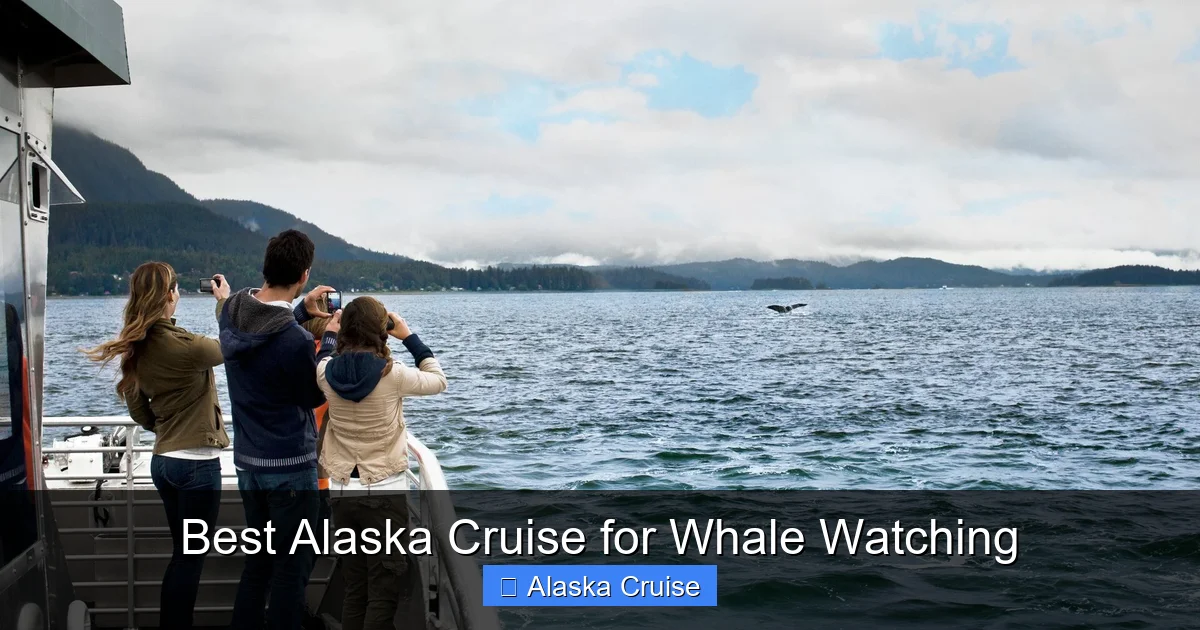
Choosing the best Alaska cruise for whale watching means picking the right itinerary, timing, and ship to maximize your chances of spotting majestic marine life. From Juneau to Ketchikan, expert-guided excursions and optimal viewing seasons make all the difference in creating unforgettable encounters with humpback whales, orcas, and more.
If you’ve ever dreamed of standing on a ship’s deck, binoculars in hand, as a humpback whale breaches just 50 yards away, then an Alaska cruise might just be your ultimate adventure. Alaska is one of the world’s premier destinations for whale watching, offering some of the most reliable and spectacular marine wildlife encounters on the planet. From the thunderous splash of a tail slap to the haunting song of a male humpback, these moments are nothing short of magical. But not all Alaska cruises are created equal when it comes to spotting these ocean giants.
So, how do you choose the best Alaska cruise for whale watching? It’s not just about picking a pretty route or a fancy ship. It’s about timing, location, onboard expertise, and even the size of your vessel. The good news? With a little planning, you can dramatically increase your chances of witnessing Alaska’s whales in their natural habitat. Whether you’re a seasoned traveler or a first-time cruiser, this guide will help you navigate the options and pick the perfect voyage for unforgettable whale encounters.
Key Takeaways
- Best Time for Whale Watching: Mid-June to early September offers peak whale activity, with July being the prime month for humpback sightings.
- Top Itineraries: Cruises that visit Glacier Bay, Icy Strait Point, and Frederick Sound offer the highest whale encounter rates.
- Ship Size Matters: Smaller ships (under 200 passengers) provide better access to narrow channels and more intimate wildlife experiences.
- Expert Naturalists Onboard: Choose lines with marine biologists or naturalists who enhance sightings with educational commentary.
- Excursion Options: Shore-based whale-watching tours (e.g., in Juneau or Sitka) often yield closer encounters than ship-only viewing.
- Binoculars & Camera Gear: Bring high-quality optics and a zoom lens—many whales surface far from the ship.
- Sustainable Practices: Opt for cruise lines committed to responsible wildlife viewing and ocean conservation.
📑 Table of Contents
- Why Alaska Is a Whale-Watching Paradise
- Top Cruise Lines for Whale Watching
- Best Itineraries for Whale Encounters
- Onboard Features That Enhance Whale Watching
- Shore Excursions: The Key to Closer Encounters
- Tips for Maximizing Your Whale-Watching Experience
- Conclusion: Choosing Your Perfect Whale-Watching Cruise
Why Alaska Is a Whale-Watching Paradise
Alaska’s cold, nutrient-rich waters are a magnet for marine life, especially during the summer months. The long daylight hours and abundant food sources—like krill, herring, and capelin—draw massive numbers of whales to the region’s coastal fjords and channels. This seasonal migration creates a natural spectacle that draws wildlife enthusiasts from around the globe.
One of the biggest reasons Alaska stands out is the sheer diversity of whale species you can see. Humpback whales are the stars of the show, known for their acrobatic breaches and complex songs. But you might also spot orcas (killer whales), gray whales, minke whales, and even the occasional fin whale. Each species has its own behavior and preferred habitat, which means your chances of seeing multiple types increase with a well-planned itinerary.
Another advantage is Alaska’s protected marine environments. Places like Glacier Bay National Park and the Inside Passage are not only stunningly beautiful but also carefully managed to minimize human impact. This means whales can feed, breed, and travel with minimal disturbance—making sightings more frequent and authentic.
The Science Behind the Season
Whale activity in Alaska peaks between June and September. During this time, the waters warm slightly, and the explosion of plankton and small fish creates a feeding frenzy. Humpback whales, in particular, migrate thousands of miles from Hawaii and Mexico to feast in Alaskan waters before returning south for the winter.
July is widely considered the best month for whale watching. The weather is milder, the seas are calmer, and whale sightings are at their highest. August is also excellent, especially for orcas, which tend to be more active later in the season. June can be hit-or-miss due to lingering ice and rougher seas, while September sees a decline in numbers as whales begin their migration.
Prime Whale Hotspots Along the Route
Not all Alaska cruise routes are equal when it comes to whale density. Some areas are consistently richer in marine life due to underwater topography, currents, and food availability. Here are the top spots to keep on your radar:
– **Frederick Sound:** Located near Juneau, this deep channel is a major feeding ground for humpback whales. It’s often called the “whale highway” because of the high volume of traffic.
– **Icy Strait Point:** Just outside Hoonah, this area is famous for its resident pod of orcas and frequent humpback sightings. Many cruise lines offer shore excursions here specifically for whale watching.
– **Glacier Bay National Park:** While known for glaciers, this UNESCO World Heritage Site also hosts regular whale encounters, especially near the park’s entrance.
– **Stephens Passage:** A narrow waterway between Juneau and Petersburg, this area is a favorite for humpbacks due to its abundant herring schools.
– **Ketchikan and Misty Fjords:** While less predictable, these areas can offer surprise sightings, especially of orcas and minke whales.
Top Cruise Lines for Whale Watching
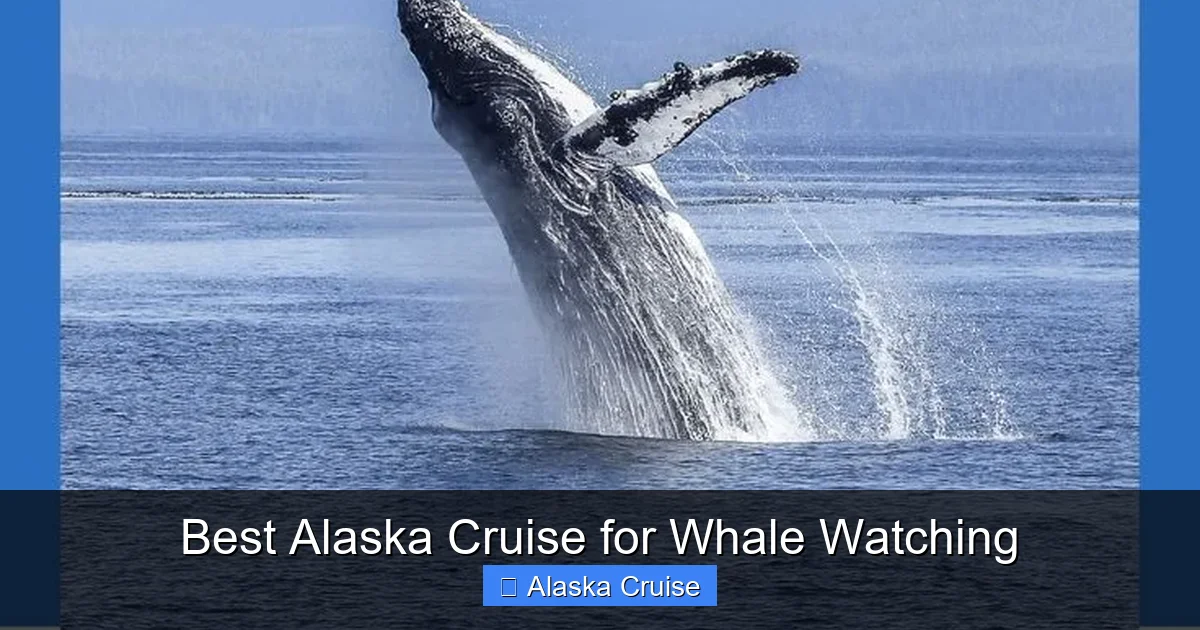
Visual guide about Best Alaska Cruise for Whale Watching
Image source: i.pinimg.com
Not all cruise lines are equally equipped for wildlife enthusiasts. Some prioritize luxury and entertainment, while others focus on nature, education, and immersive experiences. When it comes to whale watching, the latter group tends to deliver the best results.
Small Ship Specialists: UnCruise Adventures and Lindblad Expeditions
If you’re serious about whale watching, consider a small ship cruise. Lines like **UnCruise Adventures** and **Lindblad Expeditions** (in partnership with National Geographic) operate vessels with fewer than 100 passengers. These ships can navigate narrow inlets and shallow waters that larger cruise ships can’t access, bringing you closer to the action.
UnCruise, for example, offers itineraries that include multiple whale-watching excursions, often with naturalists on every zodiac tour. Their ships are designed for adventure, with open decks, observation lounges, and even hydrophones to listen to whale songs underwater. Lindblad’s vessels come equipped with expert photographers and marine biologists who provide real-time commentary during sightings.
One traveler shared, “On our UnCruise trip, we saw a pod of orcas hunting seals just 30 feet from the boat. The naturalist explained their hunting strategy in detail—it was like a live documentary.”
Mid-Sized Ships: Princess Cruises and Holland America
For travelers who want a balance of comfort and wildlife access, mid-sized ships from **Princess Cruises** and **Holland America Line** are excellent choices. These lines offer larger vessels (1,000–2,000 passengers) but still prioritize nature-focused itineraries.
Princess Cruises is known for its “Wildlife Viewing Guarantee” on select Alaska voyages—if you don’t see a whale, you get a free future cruise credit. Their ships include dedicated wildlife observation decks and often feature naturalists from the National Park Service during Glacier Bay transit.
Holland America’s “Dollar-a-Day” naturalist program brings experts onboard to lead lectures, identify wildlife, and enhance the viewing experience. Their ships also offer excellent shore excursions, including whale-watching tours in Juneau and Ketchikan.
Luxury Options: Seabourn and Silversea
If you’re looking for a high-end experience with top-tier service and wildlife access, luxury lines like **Seabourn** and **Silversea** are worth considering. These ships are smaller than mainstream cruise vessels but larger than expedition ships, offering a blend of comfort and adventure.
Seabourn’s “Expeditions” program includes expert guides, Zodiac landings, and frequent wildlife stops. Their ships often linger in areas with high whale activity, giving passengers more time to observe and photograph. Silversea, meanwhile, partners with conservation organizations and offers carbon-neutral voyages, appealing to eco-conscious travelers.
Best Itineraries for Whale Encounters
The route your cruise takes can make or break your whale-watching experience. Some itineraries are specifically designed to maximize wildlife sightings, while others prioritize scenic ports or cultural stops. Here are the top itineraries to consider.
Round-Trip from Seattle or Vancouver
Cruises that depart and return to Seattle or Vancouver often follow the Inside Passage, passing through key whale hotspots like Ketchikan, Juneau, and Skagway. These 7-night itineraries are popular with first-time cruisers and offer a good mix of wildlife, scenery, and port activities.
One advantage is the flexibility—many lines offer multiple departure dates, so you can choose the best time for whale activity. However, keep in mind that these routes may spend less time in prime whale zones compared to one-way itineraries.
One-Way Cruises: Seattle to Seward (or Vice Versa)
One-way cruises that start in Seattle and end in Seward (or the reverse) are ideal for serious whale watchers. These routes often include longer stays in key areas like Glacier Bay and Icy Strait Point, increasing your chances of sightings.
For example, a typical one-way itinerary might spend a full day in Glacier Bay, followed by a morning in Icy Strait Point for a dedicated whale-watching excursion. These cruises also allow more time for shore-based tours, such as kayaking with whales or visiting marine research centers.
Extended Voyages: 10- to 14-Night Cruises
If you have the time, consider an extended voyage. These longer cruises often venture into remote areas like the Gulf of Alaska or the Aleutian Islands, where whale sightings can be even more dramatic.
Lines like **National Geographic-Lindblad** and **UnCruise** offer 10- to 14-night expeditions that include multiple whale-watching days, Zodiac excursions, and opportunities to visit research stations. While more expensive, these trips offer unparalleled access and depth of experience.
Onboard Features That Enhance Whale Watching
The ship itself plays a big role in your whale-watching success. Look for vessels with features designed to maximize wildlife viewing.
Observation Decks and Lounges
A ship with multiple open decks, especially on higher levels, gives you better sightlines. Some ships even have dedicated wildlife observation lounges with floor-to-ceiling windows and comfortable seating. Princess Cruises’ “Discovery at Sea” program includes a dedicated wildlife viewing area with binoculars and reference materials.
Naturalists and Marine Experts
Having a naturalist or marine biologist onboard is a game-changer. These experts can identify species, explain behaviors, and help you spot subtle signs of whale activity—like blows, flukes, or feeding birds. Many lines offer daily lectures and real-time commentary during transit.
Hydrophones and Underwater Cameras
Some expedition ships are equipped with hydrophones—underwater microphones that let you hear whale songs and vocalizations. Lindblad’s ships, for example, often broadcast these sounds over the ship’s speakers during whale encounters. A few high-tech vessels even have underwater cameras that stream live footage to screens around the ship.
Zodiacs and Kayaks
Smaller ships often carry Zodiac inflatables or kayaks for closer exploration. These allow you to get within respectful distance of whales in protected bays or near glaciers. Just remember: always follow wildlife viewing guidelines to avoid disturbing the animals.
Shore Excursions: The Key to Closer Encounters
While ship-based viewing is exciting, shore excursions often provide the most intimate whale-watching experiences. Many ports offer guided boat tours specifically designed for wildlife spotting.
Juneau: A-Whaling We Will Go
Juneau is one of the best ports for whale watching, thanks to its proximity to Frederick Sound and Stephens Passage. Several local operators offer 3- to 4-hour tours that focus exclusively on humpback and orca sightings.
One popular option is the **Juneau Whale Watching Tour** by Harv & Marv’s, which uses smaller boats to get closer to whales. Guides are often former fishermen or marine biologists who know the local pods by name. Many tours include hot chocolate and binoculars, and some even offer a “whale guarantee”—if you don’t see one, you get a free return trip.
Ketchikan: Misty Fjords and More
Ketchikan is another hotspot, especially for orcas and humpbacks. Tours here often combine whale watching with visits to the Misty Fjords National Monument, where you can see waterfalls, eagles, and possibly bears along the shoreline.
Companies like **Alaska Sea Adventures** offer eco-friendly tours with naturalist guides. Their boats are quiet and low-impact, reducing the chance of startling marine life.
Icy Strait Point: The Orca Capital
Icy Strait Point, near Hoonah, is famous for its resident orca pod. The **Alaska Whale Foundation** operates tours here that focus on both whales and marine conservation. Their boats are equipped with hydrophones, and guides share fascinating insights into orca social structures and hunting techniques.
One traveler recalled, “We saw a mother orca teaching her calf how to hunt salmon. It was one of the most moving wildlife experiences of my life.”
Tips for Maximizing Your Whale-Watching Experience
Even on the best cruise, a little preparation goes a long way. Here are some practical tips to help you make the most of your adventure.
Bring the Right Gear
– **Binoculars:** A good pair of 7×50 or 10×50 binoculars will help you spot whales from a distance.
– **Camera with Zoom Lens:** A telephoto lens (200mm or longer) is ideal for capturing close-up shots without disturbing the animals.
– **Layered Clothing:** Weather on the water can change quickly. Dress in layers and bring a waterproof jacket.
– **Motion Sickness Remedies:** If you’re prone to seasickness, consider medication or acupressure bands.
Know the Signs
Whales don’t always announce themselves with a breach. Learn to spot subtle clues:
– **Blows:** The spray of water from a whale’s blowhole can be seen from miles away.
– **Flukes:** The tail rising out of the water often signals a deep dive.
– **Birds:** Flocks of gulls or eagles often gather where whales are feeding.
– **Ripples:** Surface disturbances can indicate a whale moving just beneath.
Be Patient and Respectful
Whale watching is as much about patience as it is about luck. Sometimes you’ll see whales within minutes of leaving port; other times, you might wait hours. Stay quiet, keep your distance, and never chase or feed the animals. Remember, you’re a guest in their home.
Ask Questions
Don’t hesitate to talk to your onboard naturalists or tour guides. They’re there to help you learn and can often point out things you might miss. Many are passionate about marine conservation and love sharing their knowledge.
Conclusion: Choosing Your Perfect Whale-Watching Cruise
Finding the best Alaska cruise for whale watching isn’t just about picking the most expensive or luxurious option. It’s about aligning your travel style with the right itinerary, ship size, and onboard expertise. Whether you choose a small expedition vessel with a marine biologist guide or a mid-sized ship with a wildlife guarantee, the key is to prioritize experiences over amenities.
Look for cruises that spend time in proven whale hotspots, offer expert-led excursions, and encourage responsible wildlife viewing. Pack your binoculars, charge your camera, and prepare for moments that will stay with you long after the voyage ends.
Alaska’s whales are wild, unpredictable, and utterly magnificent. With the right cruise, you’re not just watching them—you’re connecting with one of nature’s greatest wonders. So set sail, keep your eyes on the horizon, and let the magic of the ocean unfold.
Frequently Asked Questions
What is the best time of year for whale watching in Alaska?
The best time is from mid-June to early September, with July offering the highest chances of sightings. Humpback whales are most active during this period, and weather conditions are generally more favorable.
Can I see whales from the cruise ship, or do I need a shore excursion?
You can often see whales from the ship, especially in areas like Frederick Sound and Glacier Bay. However, shore excursions provide closer, more intimate encounters and are highly recommended for the best experience.
Are there guarantees that I’ll see whales on my cruise?
Some cruise lines, like Princess Cruises, offer a whale sighting guarantee and may provide a future cruise credit if no whales are spotted. However, wildlife is unpredictable, so guarantees are not universal.
What types of whales can I see in Alaska?
The most common species include humpback whales, orcas (killer whales), gray whales, and minke whales. Occasionally, fin whales and even blue whales have been spotted in deeper waters.
Do I need special equipment for whale watching?
Binoculars and a camera with a zoom lens are highly recommended. Most ships provide basic viewing tools, but personal gear gives you more flexibility and better results.
Are Alaska cruises eco-friendly for whale watching?
Many cruise lines follow strict wildlife viewing guidelines and partner with conservation groups. Look for ships with naturalists, low-impact operations, and sustainability certifications to support responsible tourism.