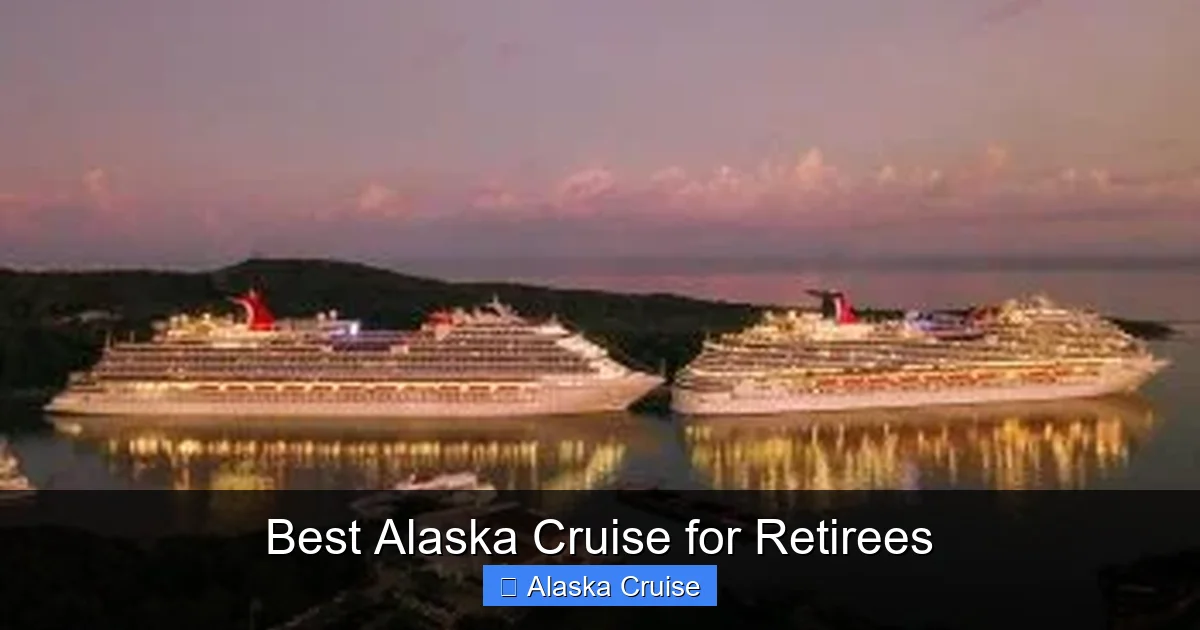
Finding the best Alaska cruise for retirees means balancing comfort, accessibility, and unforgettable scenery. With slower-paced itineraries, enriching onboard programs, and expert-guided excursions, top cruise lines like Holland America, Princess, and Viking offer ideal experiences for mature travelers. Whether you’re drawn to glaciers, wildlife, or charming coastal towns, the right Alaska cruise delivers adventure without sacrificing ease or elegance.
Dreaming of snow-capped mountains, towering glaciers, and whales breaching in icy waters? An Alaska cruise might just be the adventure you’ve been waiting for in retirement. After years of work and responsibility, now’s the time to explore one of the world’s last great wildernesses—without the hassle of planning every detail. Alaska cruises offer a unique blend of natural wonder, cultural insight, and onboard comfort, making them especially appealing to retirees looking for a relaxing yet enriching travel experience.
Unlike backpacking through Europe or driving cross-country, an Alaska cruise lets you enjoy jaw-dropping scenery from the comfort of your stateroom or a plush lounge chair on deck. You’ll wake up each morning in a new port—Ketchikan, Juneau, Skagway—each brimming with history, wildlife, and local charm. And because most cruises include meals, entertainment, and guided excursions, you can focus on enjoying the journey rather than logistics. For retirees, this means less stress and more time to savor the moment, whether that’s sipping coffee while watching a glacier calve or chatting with fellow travelers over a glass of wine.
But not all Alaska cruises are created equal. Some are built for families with kids, others for party-loving millennials. The best Alaska cruise for retirees prioritizes comfort, accessibility, educational value, and a relaxed pace. That’s why choosing the right cruise line and itinerary is crucial. In this guide, we’ll walk you through everything you need to know—from top cruise lines and cabin tips to must-see ports and practical advice—so you can set sail with confidence and excitement.
Key Takeaways
- Holland America Line leads in retiree-friendly cruising with spacious cabins, excellent service, and enriching cultural programs like Explorations Central (EXC).
- Princess Cruises offers Glacier Bay access and scenic rail connections, making it a top pick for retirees who want immersive Alaskan experiences.
- Viking Ocean Cruises provides all-inclusive luxury with no kids under 18, ensuring a quiet, sophisticated atmosphere perfect for older adults.
- Smaller ships like those from UnCruise Adventures offer intimate wildlife encounters and flexible itineraries ideal for active retirees seeking adventure.
- Inside cabins are budget-friendly but consider oceanview or balcony staterooms for better views and comfort, especially on longer sailings.
- Travel insurance is highly recommended due to remote locations and potential weather-related delays common in Alaskan waters.
- Book excursions through the cruise line for convenience and accessibility, as many offer senior-friendly options with transportation and guides included.
📑 Table of Contents
Why Alaska Cruises Are Perfect for Retirees
Alaska isn’t just a destination—it’s a sensory experience. The crisp mountain air, the scent of pine forests, the sound of rushing waterfalls—it’s nature at its most raw and beautiful. For retirees, this kind of immersive travel offers both relaxation and rejuvenation. Unlike fast-paced city tours, Alaska cruises move at a leisurely rhythm, allowing you to truly absorb the landscape and culture.
One of the biggest advantages for older travelers is the convenience. You unpack once, and your floating hotel takes you to multiple destinations. No lugging suitcases through airports or navigating unfamiliar roads. Plus, most cruise ships are equipped with elevators, ramps, and accessible cabins, making them suitable for travelers with mobility concerns. Many also offer medical staff on board, which adds peace of mind, especially in remote areas.
Another perk? The social aspect. Cruises attract a diverse group of like-minded travelers, many of whom are also retired or nearing retirement. This creates a friendly, low-pressure environment where conversations flow easily over dinner or during shore excursions. Whether you’re traveling solo or with a partner, you’re likely to meet people who share your interests—be it photography, history, or simply enjoying a good book on deck.
And let’s not forget the educational value. Alaska’s Indigenous cultures, gold rush history, and fragile ecosystems are brought to life through onboard lectures, local guides, and cultural performances. For retirees who love to learn, this adds depth to the journey beyond just sightseeing.
Top Cruise Lines for Retirees in Alaska
When it comes to choosing the best Alaska cruise for retirees, the cruise line makes all the difference. Some cater specifically to mature travelers, offering refined dining, enrichment programs, and a quieter atmosphere. Here are the top contenders in 2024.
Holland America Line: The Gold Standard for Mature Travelers
Holland America has long been a favorite among retirees, and for good reason. Their ships—like the ms Nieuw Amsterdam and ms Volendam—are mid-sized, offering a balance between intimacy and amenities. Cabins are spacious and well-appointed, with plush bedding, ample storage, and easy-to-use controls.
What sets Holland America apart is their focus on enrichment. Their EXC (Explorations Central) program features expert-led talks on Alaskan wildlife, geology, and Native cultures. You might learn about totem pole symbolism from a Tlingit artist or hear a naturalist explain how glaciers form. These programs are included in your fare and often held in comfortable lounges with great views.
Dining is another highlight. With multiple restaurants—including the elegant Pinnacle Grill and casual Lido Deck buffet—there’s something for every palate. And for retirees who appreciate a good cocktail, the bars offer classic drinks and live piano music in the evenings.
Accessibility is strong, too. Most ships have wheelchair-accessible cabins, elevators on every deck, and crew trained to assist guests with special needs. Plus, their shore excursions are well-organized, with options ranging from gentle walking tours to more active hikes—perfect for varying fitness levels.
Princess Cruises: Scenic Journeys with Glacier Bay Access
Princess Cruises is another top choice, especially for retirees who want to see Glacier Bay National Park—a UNESCO World Heritage Site and one of Alaska’s crown jewels. Princess has a special permit to sail deep into the park, offering unparalleled views of massive ice formations and wildlife like sea lions and bald eagles.
Their ships, such as the Grand Princess and Ruby Princess, are larger but still maintain a refined atmosphere. Cabins are comfortable, and many feature private balconies—ideal for sipping morning coffee while watching the coastline glide by.
One unique feature is the “North to Alaska” program, which includes live music, cooking demos, and cultural presentations that celebrate Alaskan heritage. You might catch a performance by a local folk band or learn how to make traditional salmon candy.
Princess also partners with the Alaska Railroad for seamless land-and-sea packages. Imagine cruising through Tracy Arm Fjord one day, then boarding a scenic train to Denali National Park the next. These extended itineraries are perfect for retirees who want to combine sea and land adventures without the hassle of planning.
Viking Ocean Cruises: All-Inclusive Luxury for Adults Only
If you’re looking for a more upscale, adults-only experience, Viking Ocean Cruises is hard to beat. Their ships—like the Viking Orion and Viking Star—are sleek, modern, and designed with mature travelers in mind. There are no children under 18, creating a serene, sophisticated environment.
Everything is included: premium beverages, Wi-Fi, specialty dining, and even one shore excursion per port. This “no surprises” pricing is a huge plus for retirees on a fixed income. Cabins are spacious “staterooms” with Nordic-inspired decor, heated bathroom floors, and expansive windows.
Viking’s enrichment programs are top-notch, with resident historians, scientists, and cultural experts leading lectures and Q&A sessions. Their “Viking Resident Historian” often shares fascinating insights into Alaskan history, from Russian colonization to the gold rush.
The dining is exceptional, with open-seating restaurants serving fresh, locally sourced ingredients. And with no formal dress codes, you can enjoy fine dining in comfort—no tuxedos required.
UnCruise Adventures: Intimate Wildlife Encounters
For active retirees who crave adventure, UnCruise Adventures offers a different kind of Alaska experience. Their small ships—like the Wilderness Adventurer and Safari Quest—carry fewer than 100 passengers, allowing access to remote inlets and wildlife hotspots that larger vessels can’t reach.
These cruises are more casual and activity-focused. You might kayak among icebergs, hike through temperate rainforests, or Zodiac boat through seal-filled coves. Naturalists guide every excursion, sharing their knowledge of marine life, birds, and coastal ecosystems.
While not as luxurious as Viking or Holland America, UnCruise offers excellent value and a genuine connection to nature. Cabins are cozy but functional, and meals feature fresh, regional cuisine. It’s ideal for retirees who are still adventurous at heart and don’t mind a few bumps in the road—literally.
Choosing the Right Itinerary and Cabin
With so many options, picking the right itinerary and cabin can feel overwhelming. But a few key considerations can help narrow it down.
Round-Trip vs. One-Way Cruises
Most Alaska cruises depart from Seattle or Vancouver and sail round-trip, visiting ports like Ketchikan, Juneau, and Skagway before returning. These are convenient and often more affordable, since you don’t need to book additional flights.
One-way cruises, on the other hand, start in one city and end in another—typically Seattle to Seward or Vancouver to Whittier. These are ideal if you plan to combine your cruise with a land tour of Denali or Anchorage. Just be sure to factor in the cost of a one-way flight home.
Inside, Oceanview, or Balcony?
Cabin choice affects both comfort and budget. Inside cabins are the most affordable but lack natural light and views. For retirees who plan to spend time in their room—reading, resting, or enjoying morning coffee—an oceanview or balcony stateroom is worth the upgrade.
Balcony cabins offer the best experience, especially in Alaska where the scenery changes constantly. Imagine stepping out onto your private veranda to watch a pod of orcas swim by or a glacier calve in the distance. It’s a memory you’ll treasure forever.
That said, if you’re on a tight budget, an oceanview cabin with a large window can still provide stunning views without the higher price tag. Just avoid cabins near elevators, laundries, or nightclubs, which can be noisy.
Duration Matters
Most Alaska cruises last 7 nights, but you’ll also find 10- to 14-night itineraries that include more ports or extended stays in key locations. Longer cruises allow for a more relaxed pace and deeper exploration, which many retirees appreciate.
Shorter cruises are great for first-timers or those with limited vacation time. But if you’re looking to truly unwind and immerse yourself, consider a 10-night voyage that includes a land tour or a visit to lesser-known ports like Haines or Icy Strait Point.
Onboard Amenities and Accessibility
Comfort is key when you’re cruising in your golden years. Fortunately, most major cruise lines prioritize accessibility and convenience.
Medical and Mobility Support
All major cruise ships have medical centers staffed with licensed doctors and nurses. While they can handle minor issues like seasickness or infections, serious emergencies may require evacuation—hence the importance of travel insurance.
For mobility, look for ships with wide doorways, roll-in showers, and cabins designed for wheelchair users. Many also offer scooter rentals and assistance with boarding and disembarking. Be sure to notify the cruise line in advance if you have special needs.
Dining and Entertainment
Gone are the days of rigid dining times and formal dress codes. Most ships now offer flexible dining, so you can eat when it suits you. Buffets, cafes, and specialty restaurants provide variety, and dietary restrictions (like gluten-free or low-sodium) are usually accommodated with advance notice.
Entertainment ranges from live music and comedy shows to enrichment lectures and film screenings. Many retirees enjoy the nightly piano bar or afternoon tea—perfect for unwinding after a day of sightseeing.
Internet and Communication
Wi-Fi is available on most ships, though speeds can be slow and prices high. If staying connected is important, consider purchasing a premium internet package. Alternatively, use port days to access free Wi-Fi at local cafes or visitor centers.
Shore Excursions and Accessibility
One of the best parts of an Alaska cruise is stepping ashore to explore. But not all excursions are created equal—especially for retirees.
Choosing the Right Excursions
Cruise lines offer a wide range of shore excursions, from gentle city tours to challenging hikes. Look for options labeled “easy” or “accessible,” which typically involve minimal walking and include transportation.
Popular retiree-friendly excursions include:
– A scenic train ride on the White Pass & Yukon Route
– A wildlife cruise in Juneau to see whales and sea lions
– A visit to the Totem Heritage Center in Ketchikan
– A gold panning experience in Skagway
Booking through the cruise line ensures reliability and often includes perks like priority boarding and group transportation. Just be aware that prices can be higher than booking independently—though the convenience may be worth it.
Independent Exploration
If you prefer more freedom, consider exploring ports on your own. Many towns are walkable, with shops, museums, and cafes within easy reach. Just check local safety tips and return to the ship with plenty of time before departure.
Packing Tips and Practical Advice
Packing for an Alaska cruise requires a bit of strategy. Weather can change quickly, and layers are your best friend.
What to Bring
– Waterproof jacket and pants
– Warm layers (fleece, sweaters)
– Comfortable walking shoes with good grip
– Binoculars for wildlife viewing
– Camera with extra batteries
– Motion sickness remedies (just in case)
– Travel insurance documents
Travel Insurance Is a Must
Alaska’s remote location and unpredictable weather mean delays and cancellations can happen. Comprehensive travel insurance that covers trip interruption, medical evacuation, and missed connections is highly recommended.
Book Early for the Best Deals
Alaska cruises fill up fast, especially during peak season (May to September). Booking 6–12 months in advance can secure lower prices, better cabin choices, and preferred departure dates.
Conclusion
An Alaska cruise is more than a vacation—it’s a celebration of nature, history, and the joy of travel in retirement. Whether you choose the refined elegance of Holland America, the scenic grandeur of Princess, the all-inclusive luxury of Viking, or the adventurous spirit of UnCruise, the best Alaska cruise for retirees offers comfort, enrichment, and unforgettable memories.
Take your time choosing the right itinerary, cabin, and cruise line. Consider your mobility needs, interests, and budget. And don’t forget to pack your sense of wonder—Alaska has a way of awakening the soul.
So go ahead. Book that cruise. Raise a glass to glaciers and grizzlies. And let the Last Frontier remind you why travel is one of life’s greatest pleasures.
Frequently Asked Questions
What is the best time of year for an Alaska cruise?
The best time for an Alaska cruise is from late May to early September. During these months, the weather is milder, daylight hours are long, and wildlife is most active. July and August are peak season, offering the warmest temperatures and full access to ports and excursions.
Are Alaska cruises wheelchair accessible?
Yes, most major cruise lines offer wheelchair-accessible cabins, elevators, and public areas. Ships like those from Holland America and Princess are particularly known for their accessibility features. Be sure to notify the cruise line in advance to arrange necessary accommodations.
Do I need travel insurance for an Alaska cruise?
Absolutely. Due to Alaska’s remote locations and unpredictable weather, travel insurance is strongly recommended. Look for a plan that covers trip cancellation, medical emergencies, and evacuation, as standard health insurance often doesn’t apply at sea or in foreign ports.
Can I see glaciers on an Alaska cruise?
Yes! Most itineraries include visits to glacier-rich areas like Glacier Bay, Tracy Arm Fjord, or Hubbard Glacier. These excursions offer breathtaking views of calving ice and are often highlights of the trip. Princess and Holland America have special permits for Glacier Bay, enhancing your chances of a close-up experience.
Are there age restrictions on Alaska cruises?
Most cruise lines welcome travelers of all ages, but some, like Viking Ocean Cruises, are adults-only (no children under 18). Family-friendly lines like Carnival or Royal Caribbean may have more kids onboard, so retirees seeking a quieter experience should consider lines that cater to mature travelers.
What should I wear on an Alaska cruise?
Dress in layers, as temperatures can vary widely. Bring a waterproof outer layer, warm sweaters, and comfortable walking shoes. Even in summer, evenings can be chilly. Most ships have casual dress codes, with one or two formal nights—opt for smart casual rather than full tuxedos or gowns.