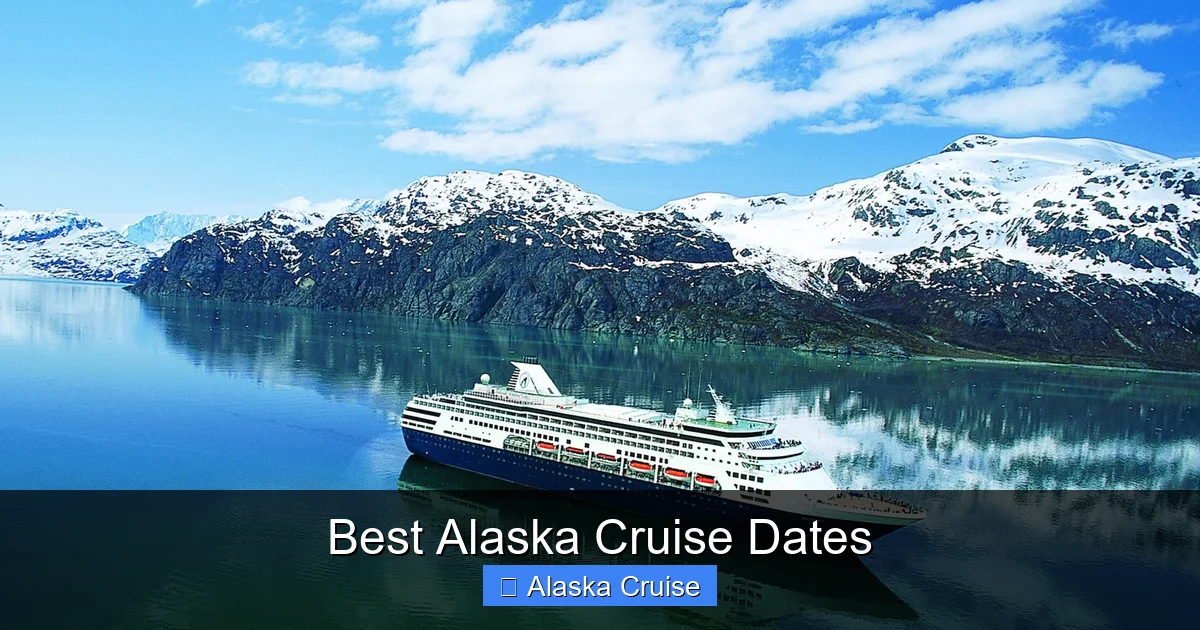
Choosing the best Alaska cruise dates can make or break your adventure. From May to September, each month offers unique experiences—whether you’re chasing whales, glaciers, or long daylight hours. Timing your trip right ensures better weather, wildlife sightings, and fewer crowds.
Planning an Alaska cruise is exciting—majestic glaciers, towering mountains, and wildlife you’ve only seen in documentaries. But before you pack your parka and camera, one of the most important decisions you’ll make is *when* to go. The best Alaska cruise dates depend on what you want to see and experience. Alaska’s cruise season is short, typically running from May to September, and each month offers something different.
Unlike tropical destinations where you can cruise year-round, Alaska is all about timing. The weather, wildlife, and scenery change dramatically from month to month. If you go too early, you might miss peak glacier activity. Too late, and some ports may close. That’s why understanding the nuances of each month is key to maximizing your adventure.
In this guide, we’ll walk you through the best Alaska cruise dates, breaking down the pros and cons of each month. Whether you’re a wildlife enthusiast, a photography buff, or just looking for a relaxing getaway, we’ll help you pick the perfect time for your Alaskan journey.
Key Takeaways
- May offers fewer crowds and lower prices: Early-season cruises provide a quieter experience with blooming landscapes and emerging wildlife.
- June and July are peak months for weather and daylight: These months boast the warmest temperatures and nearly 20 hours of daylight, ideal for sightseeing.
- August delivers peak wildlife activity: Bears, whales, and migratory birds are most active, making it a top choice for nature lovers.
- September brings fall colors and lower prices: Fewer tourists and stunning autumn foliage make late-season cruises a hidden gem.
- Glacier viewing is best from mid-June to August: Warmer weather keeps calving glaciers active and accessible.
- Book early for summer dates: Popular itineraries fill up fast, especially in June, July, and August.
- Shoulder months (May and September) offer great value: You’ll enjoy mild weather and fewer crowds at a lower cost.
📑 Table of Contents
Understanding Alaska’s Cruise Season
Alaska’s cruise season is relatively short—just five months long—but packed with natural wonders. The season officially begins in May and wraps up in September, with the majority of cruises sailing between June and August. This window is dictated by weather, daylight, and wildlife patterns.
During these months, the state experiences its warmest temperatures and longest days. The sun barely sets in June and July, giving you more time to explore ports like Juneau, Ketchikan, and Skagway. But with great weather comes great demand—summer months are the busiest and most expensive.
Outside of this window, conditions become less predictable. By October, many ports begin to close, and the risk of storms increases. Similarly, April is still too cold and dark for most cruise lines to operate safely. That’s why May through September is considered the sweet spot.
Why Timing Matters
Timing your Alaska cruise isn’t just about comfort—it’s about experience. The wildlife you’ll see, the glaciers you’ll view, and even the colors of the landscape depend heavily on the month you choose. For example, humpback whales are most active in July and August, while brown bears are often spotted fishing for salmon in September.
Weather is another major factor. While Alaska isn’t known for sweltering heat, summer temperatures can still be pleasant—especially compared to the rest of the year. But even in July, you’ll want layers. Rain is common, and coastal areas can be foggy.
Daylight hours also play a big role. In June and July, the sun sets around 10 p.m. and rises before 4 a.m., giving you nearly 20 hours of daylight. This means more time for excursions, sightseeing, and simply soaking in the views. In contrast, May and September have shorter days, but still offer plenty of light for exploration.
How Cruise Lines Schedule Their Itineraries
Major cruise lines like Holland America, Princess, Royal Caribbean, and Norwegian Cruise Line follow a similar seasonal pattern. Most begin operations in early May, ramp up in June and July, and taper off by late September.
Some lines offer longer itineraries—7 to 14 days—while others focus on shorter 4- to 5-day trips. The most popular routes include the Inside Passage, Gulf of Alaska, and Glacier Bay National Park. These itineraries often start and end in Seattle or Vancouver, with stops in key Alaskan ports.
It’s worth noting that some cruise lines offer “shoulder season” discounts in May and September. These dates are less crowded and often come with lower prices, making them attractive for budget-conscious travelers. However, you may have fewer excursion options or shorter port hours.
Best Alaska Cruise Dates by Month

Visual guide about Best Alaska Cruise Dates
Image source: thepointsguy.global.ssl.fastly.net
Now that you understand the basics of Alaska’s cruise season, let’s dive into the details. Each month offers a unique flavor of the Last Frontier. Here’s a month-by-month breakdown to help you decide when to go.
May: The Quiet Start
May marks the beginning of the Alaska cruise season. If you’re looking for a peaceful, less crowded experience, this is a great time to go. The weather is cool but improving, with average temperatures ranging from 40°F to 60°F (4°C to 15°C). Snow is still present in some areas, but the landscape is beginning to awaken.
One of the biggest advantages of cruising in May is the lower prices. Cruise lines often offer early-season discounts to attract passengers. You’ll also find fewer tourists at popular ports like Juneau and Ketchikan, giving you a more intimate experience.
Wildlife is starting to become active. Bald eagles are common, and you might spot seals and sea lions along the coast. However, larger mammals like bears and whales are less frequently seen in May compared to later months.
Glacier viewing is possible, but some calving activity may be reduced due to colder temperatures. That said, the glaciers are still stunning, and the lack of crowds means you can enjoy them in peace.
One thing to keep in mind: some excursions and attractions may not be fully operational in May. For example, helicopter tours or dog sledding on glaciers might be limited. Be sure to check with your cruise line about available activities.
June: Peak of Daylight and Comfort
June is one of the most popular months for Alaska cruises—and for good reason. The weather is mild, with daytime temperatures often reaching the 60s and 70s°F (15–24°C). Rain is possible, but storms are less frequent than in July and August.
The real star of June is the daylight. With nearly 19 to 20 hours of sunlight, you’ll have plenty of time to explore. This is ideal for photography, hiking, and taking in the vast Alaskan scenery. The long days also mean more time for shore excursions, from whale watching to gold panning in Skagway.
Wildlife sightings improve significantly in June. Humpback whales begin migrating into Alaskan waters, and you might spot them breaching near your ship. Sea otters, porpoises, and orcas are also common. On land, black bears and moose are more active as they emerge from winter dens.
Glaciers are in full view, and calving events—when chunks of ice break off into the water—are more frequent due to warmer temperatures. Glacier Bay and Hubbard Glacier are especially impressive this time of year.
One downside: June is a busy month. Popular itineraries fill up quickly, and prices rise. If you’re set on cruising in June, book at least 6 to 9 months in advance to secure your preferred cabin and dates.
July: The Heart of Summer
July is the peak of Alaska’s cruise season. It’s warm, sunny, and bustling with activity. Temperatures average between 55°F and 70°F (13–21°C), making it the most comfortable month for outdoor adventures.
This is also the best time for wildlife enthusiasts. Humpback whales are abundant, often seen feeding in pods near the surface. Orcas, sea lions, and porpoises are also frequently spotted. On land, brown bears are active in places like Katmai National Park and Admiralty Island, especially along salmon streams.
Glaciers are at their most dynamic in July. Warmer weather increases calving activity, creating dramatic splashes and thunderous sounds. Hubbard Glacier, in particular, is a must-see, often calving large icebergs into Disenchantment Bay.
The long daylight hours—up to 19 hours—give you maximum time for excursions. Whether you’re kayaking in Tracy Arm Fjord, hiking in Tongass National Forest, or taking a scenic train ride on the White Pass & Yukon Route, July offers endless opportunities.
However, July is also the most crowded and expensive month. Ports like Juneau and Ketchikan can feel busy, and popular excursions may sell out quickly. Booking early is essential.
August: Wildlife at Its Peak
August is another top choice for Alaska cruises, especially for those focused on wildlife. While temperatures are similar to July—ranging from 50°F to 68°F (10–20°C)—the real draw is the abundance of animals.
This is prime time for bear viewing. Brown bears, including the famous Kodiak bears, are actively fishing for salmon in rivers and streams. Popular spots include Anan Creek and Pack Creek, where guided tours offer safe, up-close encounters.
Whale activity remains high in August. Humpbacks are still feeding, and orcas are often seen in pods. Sea otters and seals are common along the coast, and birdwatchers will delight in spotting puffins, bald eagles, and migratory species.
Glaciers are still active, though calving may begin to slow slightly compared to July. That said, you’ll still have excellent views of Glacier Bay, Tracy Arm, and the Mendenhall Glacier.
One advantage of August is that some of the summer crowds begin to thin out toward the end of the month. Late August cruises can offer a good balance of good weather, wildlife, and fewer people.
September: Fall Colors and Lower Prices
September marks the end of the cruise season, but it’s far from a letdown. In fact, many travelers consider it one of the best times to visit Alaska. The weather is still mild, with temperatures ranging from 45°F to 60°F (7–15°C), and the landscape transforms into a stunning palette of red, orange, and gold.
Fall foliage is a major highlight. As the leaves change, the mountains and forests take on a magical glow. This is especially beautiful in places like Haines and Skagway, where the contrast between snow-capped peaks and autumn colors is breathtaking.
Wildlife is still active in September. Bears are preparing for hibernation and can be seen feeding heavily on salmon. Whales are still present, though sightings may decrease toward the end of the month. Bald eagles gather in large numbers near fish-rich rivers.
Glaciers remain accessible, though some calving activity may slow. That said, the views are still spectacular, and the quieter ports make for a more relaxed experience.
One of the biggest perks of September cruises is the lower prices. Many cruise lines offer end-of-season discounts, and you’ll find fewer crowds at popular attractions. Some ports may have reduced hours or limited excursions, but most major activities are still available.
Factors to Consider When Choosing Your Cruise Date
With so many great options, how do you pick the best Alaska cruise dates for your trip? It comes down to your priorities. Here are the key factors to consider.
Weather and Comfort
Alaska’s weather is unpredictable, but summer months are generally the most comfortable. If you prefer mild temperatures and longer days, June through August are ideal. May and September are cooler but still pleasant, especially if you pack layers.
Rain is common throughout the season, so waterproof gear is a must. Coastal areas like Ketchikan are among the rainiest places in the U.S., so don’t be surprised by a drizzle—even in July.
Wildlife Viewing
If seeing whales, bears, or eagles is a top priority, aim for July or August. These months offer the highest chances of sightings. September is also excellent for bears, especially in salmon-rich areas.
For birdwatchers, late summer and early fall bring migratory species, making August and September particularly rewarding.
Glacier and Scenic Views
Glaciers are visible throughout the season, but calving is most active from mid-June to August. If you want to witness ice breaking off into the water, this is the best window.
Photographers will love the long daylight hours in June and July, as well as the fall colors in September.
Crowds and Pricing
Peak season (June–August) means higher prices and more tourists. If you’re on a budget or prefer quieter experiences, consider May or September. These shoulder months offer great value and fewer crowds.
Booking early is crucial for summer dates. Popular cabins and excursions sell out months in advance.
Excursion Availability
Some activities, like dog sledding on glaciers or helicopter tours, may be limited in May and September due to weather or operational schedules. Check with your cruise line to ensure your must-do excursions are available.
Tips for Booking the Best Alaska Cruise Dates
Now that you know what to look for, here are some practical tips to help you book the perfect cruise.
Book Early for Summer Dates
If you’re set on cruising in June, July, or August, book at least 6 to 9 months in advance. Popular itineraries—especially those visiting Glacier Bay—fill up fast. Early booking also gives you more cabin choices and better prices.
Consider a Repositioning Cruise
Repositioning cruises—those that start or end in different ports—often occur in May and September. These can be more affordable and offer unique itineraries. For example, a cruise from Seattle to Vancouver in May might include stops in lesser-known ports.
Look for Promotions and Discounts
Cruise lines frequently offer deals, especially during shoulder months. Sign up for email alerts from your favorite lines to catch sales on cabins, airfare, or onboard credits.
Choose the Right Itinerary
Not all Alaska cruises are the same. Some focus on the Inside Passage, while others venture into the Gulf of Alaska or even cross the Arctic Circle. Decide what you want to see—glaciers, wildlife, native culture—and pick an itinerary that matches.
Pack Smart
Alaska’s weather can change quickly. Bring layers, a waterproof jacket, sturdy shoes, and warm accessories. Don’t forget sunscreen and sunglasses—those long summer days can be bright!
Conclusion
Choosing the best Alaska cruise dates doesn’t have to be overwhelming. With a little planning, you can find the perfect time to experience the Last Frontier’s natural wonders. Whether you’re drawn to the quiet beauty of May, the long days of June, the wildlife of August, or the fall colors of September, there’s a cruise date that’s right for you.
Remember, the best time to go depends on your interests. Want fewer crowds and lower prices? Try May or September. Craving warm weather and maximum daylight? June and July are your best bets. Love wildlife? August is hard to beat.
No matter when you go, an Alaska cruise is an unforgettable adventure. From towering glaciers to playful whales, the sights and sounds of Alaska will stay with you long after you return home. So start planning, book early, and get ready for the trip of a lifetime.
Frequently Asked Questions
What is the best month for an Alaska cruise?
The best month depends on your priorities. June and July offer the warmest weather and longest days, while August is ideal for wildlife viewing. September provides fall colors and lower prices.
Is it worth cruising Alaska in May?
Yes, May offers fewer crowds, lower prices, and blooming landscapes. However, some excursions may be limited, and wildlife sightings are less frequent than in summer.
Can you see glaciers in September?
Absolutely. Glaciers are visible throughout the cruise season, including September. While calving may slow, the views are still spectacular.
Are Alaska cruises cold?
Alaska is cooler than tropical destinations, but summer temperatures are mild—typically 50°F to 70°F. Layering is key, and rain gear is essential.
Do I need to book my Alaska cruise early?
Yes, especially for summer dates. Popular itineraries fill up 6 to 9 months in advance. Booking early ensures better cabin selection and pricing.
What wildlife can I see on an Alaska cruise?
You can spot humpback whales, orcas, sea otters, seals, bald eagles, and bears. Wildlife is most active from July to September.