
Choosing the best Alaska cruise binoculars can make or break your wildlife and scenery experience. With the right pair, you’ll spot humpback whales, sea lions, and towering glaciers in stunning detail—without lugging around heavy gear.
Key Takeaways
- Magnification and objective lens size matter most: 8×42 or 10×42 binoculars offer the ideal balance of power and light for Alaska’s variable conditions.
- Waterproof and fog-proof design is essential: Look for nitrogen-purged, O-ring sealed models to handle rain, spray, and temperature changes.
- Compact and lightweight models win for portability: You’ll be carrying them all day—choose under 30 oz for comfort.
- Image clarity and color accuracy enhance wildlife viewing: Premium glass and coatings deliver sharper, brighter images in low light.
- Rubber armor and ergonomic grip improve durability: Alaska’s rugged environment demands gear that can take a beating.
- Consider image stabilization for boat use: Stabilized binoculars reduce shake on moving vessels, especially in rough seas.
- Test before you buy—comfort and ease of use count: Adjustable eyecups, smooth focus, and intuitive controls make a big difference.
📑 Table of Contents
- Why the Right Binoculars Make All the Difference on an Alaska Cruise
- Understanding Binocular Specs: What to Look For
- Top Features for Alaska Cruise Binoculars
- Top 5 Best Alaska Cruise Binoculars in 2024
- How to Use Your Binoculars Like a Pro on an Alaska Cruise
- What to Avoid When Choosing Alaska Cruise Binoculars
- Final Thoughts: Invest in the Right View
Why the Right Binoculars Make All the Difference on an Alaska Cruise
Imagine standing on the deck of your cruise ship, the crisp Alaskan wind brushing your face, as a pod of humpback whales breaches just a few hundred yards away. Or picture yourself gliding past a massive glacier, its deep blue crevasses glowing under the midday sun. These are the moments Alaska cruises are made for—and having the best Alaska cruise binoculars in your hands can transform a good view into an unforgettable experience.
But let’s be honest: not all binoculars are created equal. Many travelers show up with cheap, foggy, or poorly focused models that leave them squinting at distant wildlife. Others lug around heavy, oversized gear that becomes a burden after a few hours on deck. The truth is, the right pair of binoculars can dramatically enhance your cruise, helping you spot eagles nesting on cliff ledges, sea otters floating on kelp beds, or even a bear foraging along the shoreline. With Alaska’s vast, open landscapes and often unpredictable weather, your optics need to be reliable, sharp, and easy to use.
In this guide, we’ll walk you through everything you need to know to choose the best Alaska cruise binoculars for your trip. From understanding key specs like magnification and lens size to comparing top models on the market, we’ve got you covered. Whether you’re a first-time cruiser or a seasoned Alaskan adventurer, this guide will help you make a smart, informed decision—so you can spend less time fumbling with your gear and more time marveling at the wild beauty of the Last Frontier.
Understanding Binocular Specs: What to Look For
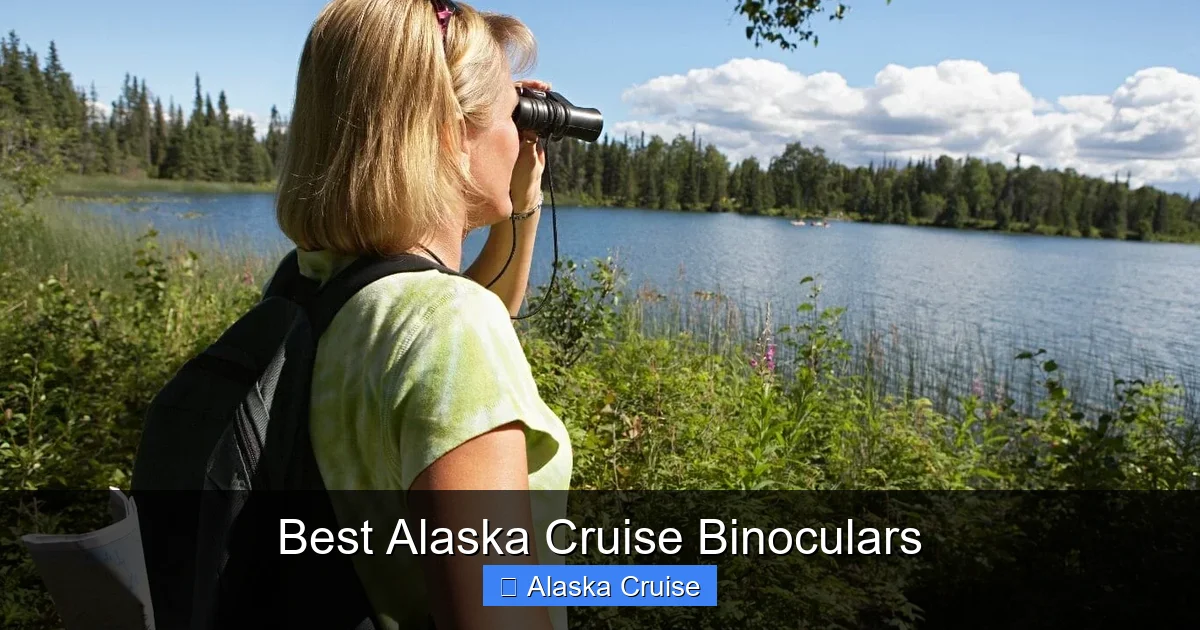
Visual guide about Best Alaska Cruise Binoculars
Image source: telescopetrove.com
Before diving into specific models, it’s important to understand the technical specs that define a great pair of binoculars. These numbers and features aren’t just marketing jargon—they directly impact how well you’ll see wildlife and scenery during your Alaska cruise.
Magnification and Objective Lens Size
The first thing you’ll notice on any binocular label is a number like “8×42” or “10×50.” The first number is the magnification—how many times closer the subject appears. The second number is the diameter of the objective (front) lens in millimeters, which determines how much light the binoculars can gather.
For Alaska cruises, 8×42 and 10×42 are the most popular and practical choices. Here’s why:
– 8x magnification offers a wider field of view, making it easier to track moving animals like whales or birds. It’s also more forgiving if your hands shake slightly—common on a moving ship.
– 10x magnification brings distant objects closer, which is great for spotting details on glaciers or far-off wildlife. However, it narrows the field of view and increases image shake, so a steady hand or image stabilization helps.
The 42mm objective lens strikes a sweet spot between light-gathering ability and portability. Larger lenses (like 50mm) gather more light but add weight and bulk—something you’ll feel after a long day on deck.
Field of View and Eye Relief
Field of view (FOV) is how wide an area you can see at a certain distance—usually measured in feet at 1,000 yards. A wider FOV makes it easier to scan large areas, like a fjord or a coastline teeming with wildlife. For Alaska, a FOV of 350 feet or more at 1,000 yards is ideal.
Eye relief is the distance your eye can be from the eyepiece while still seeing the full image. This is crucial if you wear glasses. Look for at least 15mm of eye relief, and adjustable eyecups that twist up or down for comfort.
Close Focus and Focus Mechanism
Close focus is how near an object can be while still in sharp focus. On a cruise, you might want to zoom in on a sea otter floating just 20 feet away. A close focus of 6–8 feet is excellent for these moments.
The focus mechanism should be smooth and precise. Central focus wheels are standard, but some high-end models offer dual-speed focus for fine-tuning. Avoid binoculars with stiff or wobbly focus—it’s frustrating when you’re trying to lock onto a fast-moving whale.
Coatings and Lens Quality
Lens coatings reduce glare, improve contrast, and enhance color accuracy. Look for terms like “fully multi-coated” lenses, which means all air-to-glass surfaces have multiple layers of anti-reflective coating. This is especially important in Alaska’s bright, reflective environments—glaciers, water, and snow can create harsh glare.
High-quality glass, such as ED (extra-low dispersion) or HD (high definition), reduces color fringing and delivers sharper, more natural images. While these features add cost, they’re worth it for serious wildlife watchers.
Top Features for Alaska Cruise Binoculars
Alaska’s environment is as breathtaking as it is demanding. From sudden rain showers to salty sea spray, your binoculars need to withstand the elements while delivering crisp, reliable performance. Here are the must-have features for any pair you consider.
Waterproof and Fog-Proof Construction
Alaska is known for its wet, unpredictable weather. A sudden downpour or a splash from a wave can ruin non-waterproof optics. That’s why waterproof and fog-proof binoculars are non-negotiable.
Look for models that are nitrogen-purged and O-ring sealed. This means the internal air has been replaced with dry nitrogen, preventing internal fogging when temperatures change—like moving from a warm cabin to a cold deck. O-rings keep moisture, dust, and debris out entirely.
Even if you’re careful, accidents happen. Waterproof binoculars give you peace of mind, knowing your gear can survive a dunk in a puddle or a splash from the ocean.
Compact and Lightweight Design
You’ll be carrying your binoculars for hours—sometimes all day. A heavy pair can strain your neck and shoulders, especially when you’re leaning over railings or hiking on shore excursions.
For most travelers, compact or mid-size binoculars under 30 ounces are ideal. They’re easier to pack, less tiring to hold, and often fit comfortably around your neck with a strap.
That said, don’t sacrifice optical quality for size. Some compact models skimp on lens coatings or build quality. Look for a balance—lightweight without being flimsy.
Durable Rubber Armor
Alaska’s terrain is rugged, and your gear should be too. Rubber armor protects the chassis from drops, bumps, and scratches. It also provides a better grip, even when your hands are cold or wet.
Look for textured rubber that feels secure in your hands. Avoid smooth plastic housings—they’re slippery and prone to cracking.
Image Stabilization (Optional but Helpful)
On a moving boat, even the steadiest hands can struggle to keep a 10x image stable. That’s where image-stabilized binoculars come in. These use gyroscopic or electronic systems to reduce shake, delivering a rock-solid view.
While they’re more expensive and often heavier, stabilized models are a game-changer for boat-based wildlife viewing. If you’re prone to motion sickness or plan to use high magnification, they’re worth the investment.
Comfort and Ergonomics
Comfort matters more than you think. Look for ergonomic designs that fit naturally in your hands. Adjustable eyecups, a smooth focus wheel, and a balanced weight distribution make long viewing sessions enjoyable.
Try them on if possible. Do they feel balanced? Can you reach the focus wheel easily? Are the eyecups comfortable with or without glasses? These small details add up over time.
Top 5 Best Alaska Cruise Binoculars in 2024
Now that you know what to look for, here are five of the best Alaska cruise binoculars currently on the market. We’ve selected them based on performance, durability, portability, and value.
1. Nikon Monarch M7 8×42
The Nikon Monarch M7 8×42 is a favorite among nature lovers and cruise travelers alike. With fully multi-coated lenses, ED glass, and a wide field of view (420 feet at 1,000 yards), it delivers bright, sharp images even in low light.
Weighing just 23.8 ounces, it’s lightweight and comfortable for all-day use. The rubber armor provides a secure grip, and the waterproof, fog-proof design handles Alaska’s weather with ease. The twist-up eyecups are great for glasses wearers, and the focus wheel is smooth and precise.
Best for: First-time buyers and general wildlife viewing.
2. Vortex Optics Diamondback HD 10×42
Vortex is known for rugged, high-performance optics, and the Diamondback HD 10×42 lives up to the reputation. With HD glass and fully multi-coated lenses, it offers excellent color fidelity and edge-to-edge sharpness.
At 24.8 ounces, it’s surprisingly light for a 10x model. The dielectric prism coatings enhance brightness, and the ArmorTek lens coating resists scratches and dirt. It’s also backed by Vortex’s VIP warranty—unconditional lifetime coverage.
Best for: Those who want extra magnification without sacrificing portability.
3. Zeiss Terra ED 8×42
Zeiss brings premium optics at a mid-range price with the Terra ED 8×42. The ED glass eliminates chromatic aberration, delivering true-to-life colors and exceptional clarity.
The compact design (24.3 oz) and ergonomic shape make it easy to hold, and the hydrophobic lens coating repels water and fingerprints. It’s waterproof, fog-proof, and built to last.
Best for: Travelers who want high-end performance without the luxury price tag.
4. Canon 10×30 IS Image Stabilizing Binoculars
If you’re serious about stability, the Canon 10×30 IS is a standout. Its built-in image stabilization system reduces shake by up to 80%, making it perfect for boat use.
While slightly heavier (28.2 oz) and with a smaller objective lens, the stabilization makes distant wildlife appear steady and clear. Battery-powered (2 AA batteries), it runs for about 12 hours.
Best for: Frequent boat travelers or those prone to shaky hands.
5. Bushnell Legend Ultra HD 10×42
The Bushnell Legend Ultra HD offers excellent value with premium features. Fully multi-coated lenses, ED glass, and a wide field of view (341 feet) deliver bright, detailed images.
At 23.5 ounces, it’s one of the lightest 10×42 models available. The rubber armor is durable, and the twist-up eyecups are comfortable. It’s also waterproof and fog-proof.
Best for: Budget-conscious travelers who don’t want to compromise on quality.
How to Use Your Binoculars Like a Pro on an Alaska Cruise
Having the best Alaska cruise binoculars is only half the battle—knowing how to use them effectively makes all the difference. Here are some practical tips to get the most out of your optics.
Master the Focus
Start by adjusting the diopter (usually on the right eyepiece) to match your eyes. Close your right eye, focus with the central wheel until the left image is sharp, then close your left eye and adjust the diopter until the right image is clear. Once set, use only the central focus wheel for future adjustments.
Use a Harness, Not Just a Strap
A neck strap can cause strain and bounce. A binocular harness distributes weight across your shoulders and back, keeping the optics secure and comfortable. It also prevents them from swinging into your face when you bend over.
Scan Slowly and Systematically
When searching for wildlife, move your binoculars slowly in wide arcs. Start at the horizon and work your way down. Look for movement, unusual shapes, or contrasts in color—like a dark spot on a glacier (could be a seal) or a splash in the water (could be a whale).
Use Natural Support
Lean against the ship’s railing or rest your elbows on a surface to steady your hands. Even small movements are magnified at higher powers, so stability is key.
Clean Your Lenses Properly
Use a microfiber cloth and lens cleaning solution. Never wipe dry—dust and salt can scratch the coatings. Carry a small cleaning kit in your daypack.
Store Them Safely
When not in use, keep your binoculars in a padded case or pouch. Avoid leaving them in direct sunlight or extreme cold, which can damage internal components.
What to Avoid When Choosing Alaska Cruise Binoculars
Not all binoculars are worth your money. Here are common pitfalls to avoid:
– Cheap “marine” binoculars: Many budget models claim to be waterproof but fail in real-world conditions. Stick to reputable brands.
– Overly high magnification (12x and above): These are hard to hold steady and have narrow fields of view—better for tripod use.
– Plastic lenses or prisms: These reduce image quality and durability. Always choose glass.
– Non-adjustable eyecups: If you wear glasses, you’ll miss part of the image.
– Heavy, bulky designs: You won’t want to carry them for long.
Final Thoughts: Invest in the Right View
An Alaska cruise is a once-in-a-lifetime experience, and the right binoculars can help you see it in all its glory. From breaching whales to towering glaciers, the details matter—and the best Alaska cruise binoculars bring those moments into sharp, vivid focus.
Don’t settle for blurry, foggy, or uncomfortable optics. Invest in a pair that’s waterproof, lightweight, and built for performance. Whether you choose the Nikon Monarch M7 for its balance, the Canon IS for stability, or the Vortex Diamondback for rugged reliability, you’ll be glad you did.
Remember, it’s not just about seeing farther—it’s about seeing better. With the right binoculars in hand, every moment on deck becomes a chance to connect with the wild, untamed beauty of Alaska.
Frequently Asked Questions
What magnification is best for Alaska cruise binoculars?
8x or 10x magnification is ideal. 8x offers a wider field of view and is easier to hold steady, while 10x brings distant objects closer. For most travelers, 8×42 or 10×42 binoculars provide the best balance of power and usability.
Do I need waterproof binoculars for an Alaska cruise?
Yes. Alaska’s weather is unpredictable, and sea spray is common. Waterproof, fog-proof binoculars with nitrogen purging ensure clear views in rain, humidity, and temperature changes.
Can I use binoculars with glasses?
Yes, if they have adjustable eyecups and at least 15mm of eye relief. Twist-up or fold-down eyecups allow glasses wearers to see the full field of view comfortably.
Are image-stabilized binoculars worth it on a cruise?
They can be, especially on rough seas or with high magnification. Stabilized models reduce shake, making it easier to track moving wildlife. However, they’re heavier and more expensive.
How much should I spend on Alaska cruise binoculars?
Expect to spend $200–$500 for a quality pair. While budget options exist, investing in durable, high-performance optics ensures better images and longer lifespan.
Should I buy binoculars before or during my cruise?
Buy before your trip. This gives you time to test them, adjust settings, and ensure they’re comfortable. Onboard shops often have limited selection and higher prices.