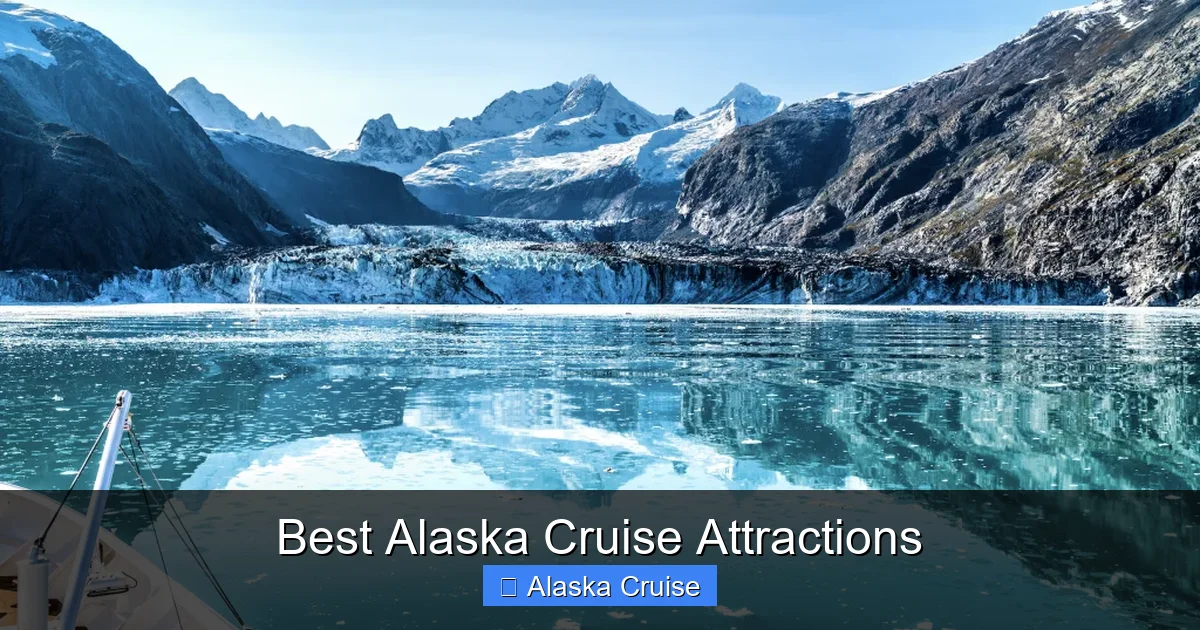
Alaska cruises offer some of the most breathtaking natural attractions on Earth. From towering glaciers and majestic wildlife to charming coastal towns and Indigenous cultural experiences, every port brings something unforgettable. Whether you’re sailing through icy fjords or spotting humpback whales, the best Alaska cruise attractions promise adventure and awe at every turn.
Key Takeaways
- Glacier Bay National Park: A UNESCO World Heritage Site featuring massive tidewater glaciers, calving ice walls, and abundant marine life—best viewed from the ship or on guided kayak tours.
- Juneau’s Mendenhall Glacier: Easily accessible and surrounded by lush rainforest, this glacier offers hiking trails, visitor centers, and chances to see black bears and eagles.
- Ketchikan’s Indigenous Culture: Known as the “Salmon Capital of the World,” Ketchikan also boasts rich Tlingit, Haida, and Tsimshian heritage with totem parks and cultural centers.
- Whale Watching in Icy Strait Point: One of the best places in Alaska to see humpback whales, orcas, and sea lions, with zipline adventures and native storytelling.
- Tracy Arm Fjord: A dramatic, narrow fjord with towering cliffs, waterfalls, and the active Sawyer Glacier—ideal for small boat excursions.
- Skagway’s Gold Rush History: Step back in time with historic railroads, gold panning, and tours of the Klondike Gold Rush National Historical Park.
- Wildlife Viewing Opportunities: From sea otters and puffins to brown bears and moose, Alaska’s coastal ecosystems are teeming with wildlife—bring binoculars!
📑 Table of Contents
- Why Alaska Cruises Are a Once-in-a-Lifetime Experience
- Top Natural Wonders Along the Alaska Cruise Route
- Wildlife Encounters: Alaska’s Coastal Creatures
- Cultural and Historical Highlights in Alaska’s Ports
- Adventure Excursions: Thrills on Land and Sea
- Tips for Making the Most of Your Alaska Cruise
- Conclusion: Why Alaska Cruises Are Worth It
Why Alaska Cruises Are a Once-in-a-Lifetime Experience
There’s something truly magical about sailing through Alaska’s rugged coastline. The air is crisp, the water sparkles under the midnight sun, and every turn of the fjord reveals a new wonder. Alaska cruises aren’t just vacations—they’re immersive journeys into one of the last great wildernesses on Earth. Whether you’re a nature lover, history buff, or adventure seeker, the best Alaska cruise attractions deliver unforgettable moments at every port.
Unlike land-based trips, a cruise lets you experience multiple destinations without constant packing and unpacking. You wake up in a new port each morning, often greeted by misty mountains, cascading waterfalls, or the distant call of a whale. The rhythm of the sea sets the pace, and the scenery changes with every nautical mile. From the towering glaciers of Glacier Bay to the charming boardwalks of Ketchikan, Alaska’s coastal towns and natural wonders are best explored from the water.
Top Natural Wonders Along the Alaska Cruise Route
Alaska’s coastline is a masterpiece of nature, sculpted by ice, wind, and time. The best Alaska cruise attractions often center around these awe-inspiring landscapes. As your ship glides through narrow fjords and open straits, you’ll witness some of the planet’s most dramatic scenery.
Glacier Bay National Park: A UNESCO Treasure
One of the crown jewels of any Alaska cruise is Glacier Bay National Park. This 3.3-million-acre wilderness is a UNESCO World Heritage Site and a living laboratory of glacial movement. As your ship enters the bay, you’ll be surrounded by towering cliffs, deep blue waters, and the thunderous sound of ice calving into the sea.
The park is home to over a dozen active tidewater glaciers, including the famous Margerie and Grand Pacific Glaciers. These glaciers can stretch over 20 miles long and rise more than 200 feet above the water. Watching a chunk of ice the size of a skyscraper break off and crash into the ocean is both humbling and exhilarating.
Most cruise lines offer ranger-led programs in Glacier Bay, where National Park Service rangers come aboard to share insights about the park’s geology, wildlife, and conservation efforts. These presentations add depth to the experience and help you appreciate the delicate balance of this ecosystem.
For a more intimate view, consider booking a small boat excursion. Kayaking near the glacier’s face lets you hear the creaks and groans of the ice up close. Just remember to keep a safe distance—glaciers are powerful and unpredictable.
Tracy Arm Fjord: A Narrow Escape into Wilderness
If you’re looking for raw, untouched beauty, Tracy Arm Fjord is a must-see. This narrow, 30-mile-long fjord cuts through the Tongass National Forest and ends at the base of the twin Sawyer Glaciers. The walls of the fjord rise nearly vertically from the water, often topped with snow-capped peaks and cascading waterfalls.
Access to Tracy Arm is limited to protect its fragile environment, so only a few cruise ships are granted permits each day. This exclusivity makes the experience even more special. As your ship navigates the narrow channel, you’ll pass icebergs, sea lions basking on rocks, and possibly even a black bear foraging along the shore.
One of the best ways to experience Tracy Arm is on a guided boat tour. These smaller vessels can get closer to the glaciers and maneuver into side coves where larger ships can’t go. Bring a camera with a zoom lens—you’ll want to capture the reflections of the cliffs in the still water and the jade-green ice of the glaciers.
Hubbard Glacier: The Largest Tidewater Glacier in North America
Stretching over 7 miles wide and rising 300 feet above the water, Hubbard Glacier is a force of nature. Located near the border of Alaska and Canada, it’s one of the most impressive sights on the cruise route. Unlike many glaciers that are retreating, Hubbard has been advancing for over a century, occasionally damming nearby Russell Fjord and creating a temporary lake.
When your ship approaches Hubbard Glacier, you’ll likely hear the deep rumble of calving ice before you see it. The glacier moves slowly—about 8 to 10 feet per day—but its sheer size makes every movement dramatic. On calm days, the water turns a milky turquoise from the fine rock flour ground by the glacier’s movement.
Most ships spend several hours in the area, allowing passengers to take in the views from multiple angles. Some cruise lines offer special “glacier viewing” events with hot cocoa and commentary from naturalists. It’s a perfect time to relax on deck, breathe in the fresh air, and marvel at one of nature’s greatest spectacles.
Wildlife Encounters: Alaska’s Coastal Creatures
Alaska is one of the best places in the world to see wildlife in its natural habitat. The cold, nutrient-rich waters of the North Pacific support an incredible diversity of marine and coastal animals. Whether you’re scanning the horizon for whales or watching bears fish for salmon, the best Alaska cruise attractions often involve unforgettable animal encounters.
Whale Watching: Humpbacks, Orcas, and More
Whale watching is a highlight of any Alaska cruise. Humpback whales are the most commonly spotted, known for their acrobatic breaches and haunting songs. These gentle giants migrate to Alaska each summer to feed on krill and small fish.
Icy Strait Point, near the town of Hoonah, is one of the top whale-watching destinations in the state. The protected waters here are rich in food, attracting large numbers of humpbacks. Many cruise lines offer excursions that include zipline adventures, native cultural performances, and guided whale-watching tours.
Orcas, or killer whales, are also frequently seen, especially in the waters around Juneau and Ketchikan. These intelligent predators travel in pods and are often spotted hunting seals or playing near the surface. Keep an eye out for their distinctive black-and-white markings and tall dorsal fins.
Sea otters, harbor seals, and Steller sea lions are common sights along the coast. You might see them lounging on ice floes, swimming alongside the ship, or diving for food. Binoculars are a must—many animals are best viewed from a distance to avoid disturbing them.
Bears, Eagles, and Coastal Wildlife
While marine mammals steal the spotlight, Alaska’s land-based wildlife is equally impressive. Brown bears and black bears are often seen along riverbanks and coastal forests, especially during salmon runs. The best places to spot them include the Tongass National Forest near Ketchikan and the Mendenhall Glacier area near Juneau.
Bald eagles are everywhere in Alaska—there are more of them here than in any other U.S. state. You’ll see them perched on treetops, soaring over fjords, and diving for fish. Their white heads and tails are unmistakable, and their wingspan can reach up to 7 feet.
Moose, mountain goats, and Sitka black-tailed deer are also common in forested areas. If you’re on a shore excursion, keep your eyes peeled for these animals along hiking trails or near freshwater streams. Always maintain a safe distance and never approach wildlife.
Cultural and Historical Highlights in Alaska’s Ports
Alaska’s coastal towns are rich in history and culture, offering a glimpse into the lives of Indigenous peoples, gold rush prospectors, and modern-day Alaskans. The best Alaska cruise attractions aren’t just about nature—they’re also about people and stories.
Ketchikan: Gateway to Indigenous Culture
Ketchikan, known as the “Salmon Capital of the World,” is a charming port town with a strong Indigenous heritage. The Tlingit, Haida, and Tsimshian peoples have lived in this region for thousands of years, and their art, language, and traditions are still very much alive.
One of the top attractions is the Totem Heritage Center, which houses one of the largest collections of original 19th-century totem poles in the world. These intricately carved poles tell stories of clan lineages, legends, and spiritual beliefs. Walking through the center feels like stepping into a living museum.
For a more immersive experience, visit the Saxman Native Village or the Totem Bight State Historical Park. Both offer guided tours, cultural performances, and opportunities to learn about traditional crafts like weaving and carving. Many cruise lines also offer excursions that include native storytelling and dance performances.
Ketchikan is also a great place to try fresh seafood. Local restaurants serve up king salmon, halibut, and Dungeness crab, often caught that same day. Don’t miss the chance to sample a traditional Alaskan fish bake—it’s a delicious way to experience local flavors.
Skagway: Reliving the Gold Rush Era
Skagway is a step back in time. This historic town was the gateway to the Klondike Gold Rush in the late 1800s, when thousands of prospectors traveled through here in search of fortune. Today, much of the town has been preserved as part of the Klondike Gold Rush National Historical Park.
Walking down Broadway, you’ll see wooden boardwalks, false-front buildings, and historic saloons. The Red Onion Saloon, once a brothel, now serves as a museum and bar. You can even take a “whiskey tasting” tour to learn about the town’s wild past.
One of the most popular excursions is the White Pass and Yukon Route Railroad. This narrow-gauge railway climbs over 2,800 feet in just 20 miles, offering stunning views of mountains, waterfalls, and abandoned gold rush trails. The ride is both scenic and historic, with guides sharing stories of the hardships faced by early prospectors.
For a more active adventure, try gold panning at the Liarsville Trail Camp. You’ll learn how to sift through gravel and sand to find real gold flakes—just like the miners did over a century ago. It’s a fun and educational activity for all ages.
Juneau: Alaska’s Capital City with a Wild Side
Juneau is unique among U.S. capitals—it’s only accessible by boat or plane, and it’s surrounded by wilderness. The city blends urban charm with outdoor adventure, making it one of the best Alaska cruise attractions for culture and nature lovers alike.
The Mendenhall Glacier is Juneau’s star attraction. Located just 12 miles from downtown, this 13-mile-long glacier is easily accessible via a short drive or shuttle. The Mendenhall Glacier Visitor Center offers exhibits on glaciology, wildlife, and local history. Hiking trails lead to scenic overlooks, waterfalls, and even a salmon-spawning stream.
For a closer look, consider a kayak or paddleboard tour on Mendenhall Lake. Paddling near the glacier’s face gives you a sense of its immense scale and power. You might even see icebergs floating in the water, some with seals resting on top.
Juneau is also a great base for whale watching, bear viewing, and flightseeing tours. A helicopter ride over the Juneau Icefield offers breathtaking views of glaciers, valleys, and snow-capped peaks. It’s a once-in-a-lifetime experience that puts the scale of Alaska’s wilderness into perspective.
Adventure Excursions: Thrills on Land and Sea
While the scenery from the ship is stunning, the best Alaska cruise attractions often come from getting off the boat. Shore excursions let you dive deeper into the landscape, whether you’re hiking through a rainforest, ziplining over a fjord, or dog sledding on a glacier.
Dog Sledding on a Glacier
Imagine standing on a glacier, surrounded by ice and snow, as a team of eager sled dogs pulls you across the frozen landscape. This is possible on a dog sledding excursion near Juneau or Skagway. Most tours begin with a helicopter ride to a remote glacier, where you’ll meet the dogs and learn about mushing from experienced guides.
The experience is both thrilling and educational. You’ll hear stories about the Iditarod, Alaska’s famous sled dog race, and learn how these hardy animals are trained and cared for. After your ride, you can cuddle with the puppies—many tours include a visit to a kennel where future mushers are raised.
Ziplining and Aerial Adventures
For adrenaline junkies, ziplining is a must. Icy Strait Point offers one of the longest zipline courses in the world, with lines stretching over 1,300 feet and reaching speeds of up to 60 mph. Soaring over the Tongass National Forest gives you a bird’s-eye view of the trees, rivers, and coastline below.
Other adventure options include ATV tours, rock climbing, and whitewater rafting. These excursions are perfect for travelers who want to stay active and experience Alaska’s rugged terrain up close.
Fishing and Kayaking
Alaska is a paradise for outdoor enthusiasts. Fishing excursions let you try your hand at catching salmon, halibut, or trout in pristine waters. Many tours include a cookout on the beach, where your catch is grilled and served fresh.
Kayaking is another popular way to explore Alaska’s coastline. Paddling through calm fjords or along rocky shores lets you get close to wildlife and enjoy the peace and quiet of the wilderness. Guided tours are available for all skill levels, from beginners to experienced paddlers.
Tips for Making the Most of Your Alaska Cruise
To truly enjoy the best Alaska cruise attractions, a little planning goes a long way. Here are some practical tips to help you get the most out of your trip.
Pack for All Weather
Alaska’s weather can be unpredictable. Even in summer, temperatures can range from 40°F to 70°F, and rain is common. Layered clothing is essential—bring a waterproof jacket, warm fleece, and moisture-wicking base layers. Don’t forget a hat, gloves, and sturdy walking shoes.
Bring the Right Gear
Binoculars are a must for wildlife viewing. A good camera with a zoom lens will help you capture distant glaciers and animals. If you plan to hike, consider bringing trekking poles and a small daypack.
Book Excursions Early
Popular excursions like dog sledding, flightseeing, and whale watching often sell out quickly. Book them as soon as your cruise itinerary is confirmed to secure your spot.
Respect the Environment
Alaska’s ecosystems are fragile. Always follow Leave No Trace principles—stay on marked trails, don’t feed wildlife, and dispose of waste properly. Support local businesses and Indigenous-owned tours to help preserve the culture and economy of the region.
Stay Flexible
Weather and sea conditions can affect your itinerary. Glaciers may calve unexpectedly, and wildlife sightings are never guaranteed. Embrace the unpredictability—it’s part of what makes Alaska so special.
Conclusion: Why Alaska Cruises Are Worth It
Alaska cruises offer a rare combination of natural beauty, wildlife, and cultural richness. The best Alaska cruise attractions—from glaciers and fjords to Indigenous villages and gold rush towns—create a journey that’s as educational as it is awe-inspiring. Whether you’re watching a whale breach in Icy Strait Point or hiking to a waterfall near the Mendenhall Glacier, every moment feels like a gift.
These cruises are more than just vacations—they’re opportunities to connect with nature, learn about history, and create memories that will last a lifetime. With the right preparation and an open mind, your Alaska cruise can be one of the most rewarding travel experiences you’ll ever have.
So pack your bags, bring your sense of wonder, and get ready to explore one of the last true frontiers on Earth. Alaska is waiting.
Frequently Asked Questions
What is the best time to take an Alaska cruise?
The best time for an Alaska cruise is from late May to early September. During these months, the weather is milder, daylight hours are long, and wildlife is most active. July and August are peak season, offering the warmest temperatures and best chances for glacier viewing.
Are Alaska cruises family-friendly?
Yes, many Alaska cruises are family-friendly, with activities for kids and teens. Shore excursions like gold panning, wildlife tours, and cultural performances appeal to all ages. Some cruise lines offer kids’ clubs and educational programs about Alaskan wildlife and history.
Do I need a passport for an Alaska cruise?
If your cruise begins and ends in the same U.S. port (a closed-loop cruise), a passport is not required, but it’s highly recommended. If your itinerary includes Canadian ports, a passport is mandatory. Always check your cruise line’s documentation requirements before traveling.
What should I wear on an Alaska cruise?
Layered clothing is key. Bring a waterproof jacket, warm layers, and comfortable walking shoes. Even in summer, temperatures can be cool, especially on deck or during excursions. Don’t forget sunglasses, sunscreen, and a hat for sun protection.
Can I see the Northern Lights on an Alaska cruise?
It’s unlikely. The Northern Lights are best seen in winter, but most Alaska cruises operate in summer when the nights are short or nonexistent due to the midnight sun. For aurora viewing, consider a winter land tour instead.
Are there vegetarian or dietary-friendly options on Alaska cruises?
Yes, most cruise lines offer vegetarian, vegan, gluten-free, and other dietary-specific meals. Inform the cruise line of your dietary needs when booking, and notify the dining staff upon boarding to ensure your meals are prepared accordingly.