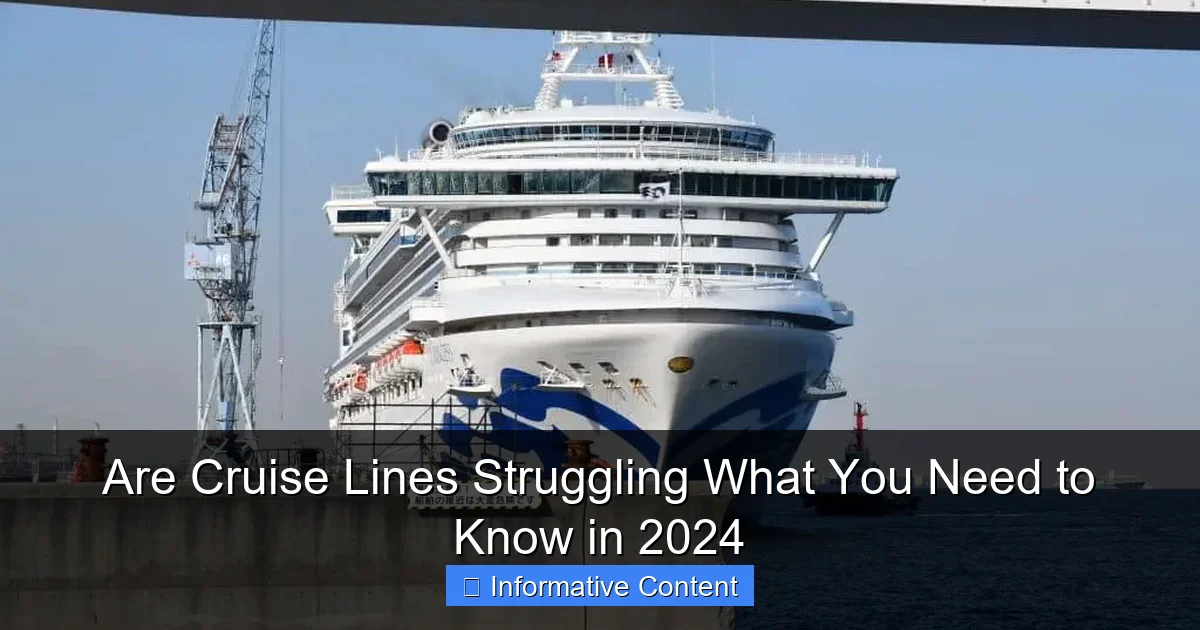
Featured image for are cruise lines struggling
Image source: leaders.com
Cruise lines are facing significant challenges in 2024, from rising operational costs to shifting traveler preferences. Despite strong post-pandemic demand, inflation, labor shortages, and sustainability pressures are squeezing profitability, forcing many companies to rethink pricing, itineraries, and onboard experiences to stay competitive.
Key Takeaways
- Cruise lines face rising costs: Inflation and fuel prices pressure profitability in 2024.
- Demand is rebounding: Bookings surge, but labor shortages strain operations.
- Sustainability is critical: Eco-friendly ships attract travelers and cut long-term costs.
- Debt remains a challenge: Pandemic-era borrowing still impacts financial stability.
- New itineraries drive growth: Exotic destinations boost appeal and revenue.
- Tech investments matter: Digital upgrades improve guest experience and efficiency.
📑 Table of Contents
- Are Cruise Lines Struggling? What You Need to Know in 2024
- 1. The Post-Pandemic Rebound: A Double-Edged Sword
- 2. Rising Costs and the Inflation Effect
- 3. Environmental and Regulatory Pressures
- 4. Changing Traveler Expectations
- 5. The Future of Cruising: What’s Next?
- Conclusion: The Verdict on Cruise Lines in 2024
Are Cruise Lines Struggling? What You Need to Know in 2024
Remember the days when booking a cruise felt like a golden ticket to paradise? You’d pack your bags, wave goodbye to your worries, and set sail on a floating resort with all-inclusive drinks, Broadway shows, and endless buffets. But lately, you might’ve noticed whispers—maybe even a few headlines—suggesting that the cruise industry isn’t as smooth sailing as it once was. From rising prices to overcrowded ports, it’s easy to wonder: Are cruise lines struggling?
Here’s the thing: the answer isn’t a simple “yes” or “no.” The cruise industry is a massive, complex ecosystem, and like any business, it faces its fair share of challenges. But it’s also adapting, evolving, and finding ways to stay afloat (pun intended). In this post, we’ll dive into the real story behind the headlines. Whether you’re a seasoned cruiser or planning your first trip, you’ll get the honest scoop on what’s happening behind the scenes—and what it means for your next vacation. So grab a coffee, settle in, and let’s unpack this together.
1. The Post-Pandemic Rebound: A Double-Edged Sword
Let’s start with the elephant in the room: the pandemic. In 2020, the cruise industry basically hit pause. Ships sat idle, ports closed, and travelers stayed home. It was a brutal blow, and for a while, it looked like the industry might never recover. But fast-forward to 2023 and 2024, and the story is very different. Cruises are back—and they’re busier than ever. But this rapid rebound comes with its own set of challenges.
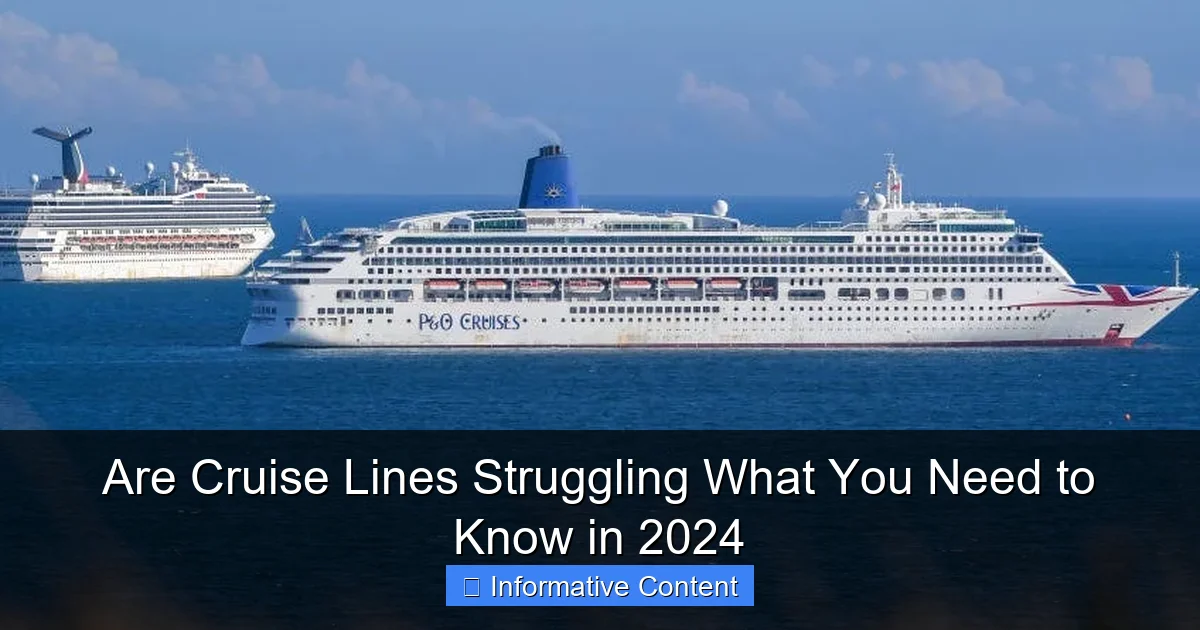
Visual guide about are cruise lines struggling
Image source: media.zenfs.com
The Surge in Demand (and What It Means for You)
After two years of lockdowns and travel restrictions, people are itching to get out. And cruises? They’re a top pick for travelers who want convenience, variety, and value. According to CLIA (Cruise Lines International Association), 2023 saw a record 31.5 million passengers—surpassing pre-pandemic levels. That’s great news for the industry, right? Well, not so fast.
- Overcrowding at Ports: With more ships and more passengers, popular destinations like Cozumel, Santorini, and Dubrovnik are feeling the strain. You might show up to a port only to find it packed with cruise ships, long lines for tenders (small boats that ferry you to shore), and crowded streets. It’s like trying to get into a concert after the doors open—not exactly the relaxing experience you imagined.
- Higher Prices: More demand = higher prices. Cruise lines are raising fares, especially for last-minute bookings. For example, a balcony room on a 7-night Caribbean cruise that cost $1,200 in 2019 might now run you $1,800. And that’s before you add in extras like excursions, drinks, and gratuities.
- Staff Shortages: Even with more ships sailing, many cruise lines are struggling to hire enough staff. This means longer wait times for food, housekeeping, and customer service. It’s not uncommon to see crew members working 12- to 14-hour days. Not ideal for them—or for your vacation.
What You Can Do
If you’re booking a cruise in 2024, here’s how to navigate this post-pandemic landscape:
- Book Early: The earlier you book, the better your chances of snagging a lower fare. Plus, you’ll have more cabin options and better itinerary choices.
- Consider Off-Peak Travel: Avoid summer and holiday seasons if you can. Shoulder seasons (like April or September) often have fewer crowds and lower prices.
- Research Ports: Check out port congestion reports or read recent traveler reviews. If a destination seems overwhelmed, you might want to skip it or plan a private excursion to a quieter spot.
2. Rising Costs and the Inflation Effect
Let’s talk about money. Inflation has been a major buzzword in 2024, and the cruise industry is no exception. From fuel prices to labor costs, everything is more expensive. And guess who’s footing the bill? Yep—you, the passenger.
Why Cruises Are Getting Pricier
Here’s a breakdown of what’s driving up cruise costs:
- Fuel Prices: Cruise ships guzzle fuel—literally. A single large ship can burn 250 tons of fuel per day. With oil prices fluctuating and new environmental regulations (like the IMO 2020 sulfur cap), fuel costs have skyrocketed. Some lines are passing these costs directly to passengers through “fuel surcharges.”
- Labor Costs: As mentioned earlier, staffing is a challenge. To attract and retain crew, cruise lines are offering higher wages, better benefits, and more time off. These costs add up—and they’re reflected in your fare.
- Supply Chain Issues: Remember the supply chain chaos of 2021-2022? It’s still lingering. From food to toilet paper, getting supplies to ships is harder and more expensive. This can lead to shortages or substitutions (like “premium” water instead of free bottled water).
- Inflation in General: Everything costs more—from the food you eat to the souvenirs you buy. Cruise lines are raising prices across the board to keep up.
The Hidden Costs You Might Not See
Here’s a reality check: the advertised fare is rarely the final price. By the time you add in extras, your cruise could cost 30-50% more than you expected. Here’s what to watch out for:
- Gratuities: Most lines automatically add $15-$20 per person, per day. On a 7-night cruise, that’s $105-$140 per person. Ouch.
- Beverage Packages: Want a cocktail or a glass of wine? You’ll likely need a drink package, which can cost $50-$100 per day. And don’t forget the 15-20% service charge on top of that.
- Excursions: Port tours aren’t included in your fare. A simple beach day might cost $80-$100 per person, while a helicopter tour can run you $300+.
- Wi-Fi: Need to check email or post vacation pics? Expect to pay $20-$30 per day for internet access.
How to Save Money (Without Sacrificing Fun)
Don’t worry—there are ways to enjoy a cruise without breaking the bank:
- Skip the Drink Package: If you’re not a heavy drinker, stick to water, coffee, and soda (usually included). You can also buy drinks à la carte—just budget for them in advance.
- Book Excursions Independently: Instead of going through the cruise line, book tours directly with local operators. You’ll often save 30-50% and get a more authentic experience.
- Use Loyalty Programs: If you cruise regularly, join the cruise line’s rewards program. You’ll get perks like free Wi-Fi, discounts, and priority boarding.
- Travel with a Group: Many lines offer group discounts for 8+ people. Split the cost of a suite or book multiple cabins together for extra savings.
3. Environmental and Regulatory Pressures
Let’s talk about sustainability. In 2024, travelers are more eco-conscious than ever. And rightfully so. Cruise ships have a reputation for being “floating polluters”—and for good reason. But the industry is under pressure to clean up its act. And that’s both a challenge and an opportunity.
The Environmental Challenges
Here’s what cruise lines are up against:
- Emissions: Ships burn heavy fuel oil, which releases sulfur dioxide, nitrogen oxides, and greenhouse gases. Even with cleaner fuels, a single cruise ship can emit as much CO2 as millions of cars.
- Waste Management: On a 7-night cruise, a ship with 3,000 passengers can generate 1 million gallons of sewage, 50 tons of solid waste, and 250,000 gallons of greywater (from sinks and showers). Disposing of this waste responsibly is a massive logistical challenge.
- Marine Ecosystems: Anchoring in sensitive areas (like coral reefs) or dumping waste in the ocean can harm marine life. In 2023, several cruise lines were fined for illegal dumping.
How Cruise Lines Are Responding
The good news? Many cruise lines are investing in sustainability. Here’s how:
- LNG-Powered Ships: Liquefied Natural Gas (LNG) burns cleaner than traditional fuel. Lines like Royal Caribbean, Carnival, and MSC are launching LNG-powered ships. For example, Carnival’s Mardi Gras runs on LNG and reduces sulfur emissions by 95%.
- Shore Power: When docked, ships can plug into shore-based power instead of running their engines. This cuts emissions by up to 98%. Ports like Los Angeles, Seattle, and Hamburg are leading the way.
- Waste-to-Energy Systems: Some ships now convert food waste into biogas or use advanced wastewater treatment systems to minimize pollution.
- Eco-Friendly Itineraries: Lines are redesigning routes to avoid sensitive areas, reduce fuel consumption, and support local conservation efforts. For example, Hurtigruten’s “Science Program” lets passengers participate in citizen science projects like whale tracking and plastic cleanup.
What This Means for You
If you care about the environment, here’s how to make a difference:
- Choose Eco-Friendly Lines: Look for cruise lines with strong sustainability commitments. Check out their environmental reports or certifications (like Green Marine or ISO 14001).
- Pack Light: Less luggage = less fuel needed to transport it. Plus, you’ll have more room for souvenirs!
- Reduce Waste: Use refillable water bottles, skip plastic straws, and recycle whenever possible.
- Support Local: Instead of buying mass-produced souvenirs, buy from local artisans. You’ll support the community and get a more authentic keepsake.
4. Changing Traveler Expectations
Here’s the truth: travelers are changing. And cruise lines have to adapt—or risk being left behind. In 2024, people aren’t just looking for a “floating hotel.” They want experiences, authenticity, and value. And they’re not afraid to speak up when things don’t meet their expectations.
What Today’s Cruisers Want
Here’s what’s on travelers’ minds:
- Unique Experiences: People want more than just a beach day. They’re looking for immersive activities like cooking classes, cultural tours, and adventure excursions (think snorkeling, zip-lining, or hiking).
- Authentic Destinations: Over-touristed ports are out. Travelers want to visit off-the-beaten-path destinations where they can connect with locals and experience real culture.
- Flexibility: After the pandemic, people value flexibility more than ever. They want options to change or cancel their trips without hefty penalties.
- Tech and Connectivity: Even on vacation, people want to stay connected. High-speed Wi-Fi, app-based check-in, and digital concierge services are no longer luxuries—they’re expectations.
How Cruise Lines Are Adapting
The industry is responding in creative ways:
- Smaller, Niche Ships: Lines like Viking Ocean Cruises and Ponant are focusing on smaller ships (500-1,000 passengers) that can access remote ports and offer more personalized service.
- Longer Itineraries: Instead of 7-night cruises, many lines are offering 10- to 14-night trips with deeper exploration. For example, Princess Cruises’ “MedallionClass” ships let you customize your itinerary on the go.
- Wellness and Mindfulness: Cruises are adding yoga decks, meditation classes, and wellness retreats. Some even offer “digital detox” packages with no Wi-Fi or screens.
- Local Partnerships: Cruise lines are working with local guides, chefs, and artisans to create authentic experiences. Think: a cooking class with a local chef in Sicily or a guided hike through a Costa Rican rainforest.
Tips for Choosing the Right Cruise
With so many options, how do you pick the perfect cruise? Here’s what to consider:
- Know Your Priorities: Are you looking for relaxation, adventure, or cultural immersion? Choose a line and itinerary that aligns with your goals.
- Read Reviews: Check out recent traveler reviews on sites like TripAdvisor or Cruise Critic. Look for comments about service, food, and itinerary changes.
- Ask About Flexibility: Find out the cruise line’s cancellation and change policies. Some offer free changes up to 48 hours before departure.
- Consider the Size: Larger ships offer more amenities but can feel crowded. Smaller ships feel more intimate but have fewer options.
5. The Future of Cruising: What’s Next?
So, are cruise lines struggling? The short answer: they’re facing challenges, but they’re also innovating and adapting. The future of cruising is likely to be more sustainable, experiential, and tech-driven. But it won’t be without bumps along the way.
Emerging Trends to Watch
Here’s what’s on the horizon:
- AI and Personalization: Cruise lines are using AI to customize the guest experience. Imagine an app that knows your preferences (like your favorite drink or cabin temperature) and adjusts accordingly.
- Space and Underwater Cruises: While still in early stages, companies like Space Perspective and Ocean Submarine are exploring luxury space and underwater cruises. Yes, really.
- Hybrid Work Cruises: With remote work on the rise, some lines are offering “workation” packages with reliable Wi-Fi, quiet workspaces, and even business support services.
- Health and Safety Upgrades: After the pandemic, cruise lines are investing in advanced air filtration, medical facilities, and contactless technology to reassure passengers.
Data Snapshot: Cruise Industry in 2024
| Metric | 2019 (Pre-Pandemic) | 2023 | 2024 (Projected) |
|---|---|---|---|
| Global Passengers | 29.7 million | 31.5 million | 33 million |
| Average Cruise Cost (7-night) | $1,200 | $1,700 | $1,850 |
| LNG-Powered Ships | 2 | 8 | 15 |
| Shore Power Ports | 12 | 25 | 35 |
| Small-Ship Cruises (1,000 pax or less) | 15% | 22% | 28% |
Conclusion: The Verdict on Cruise Lines in 2024
So, are cruise lines struggling? The truth is, they’re in a period of transition. The post-pandemic surge in demand has brought record passengers—but also higher prices, port congestion, and staffing challenges. Rising costs and environmental pressures are forcing the industry to evolve. And changing traveler expectations mean cruise lines can’t rely on old formulas anymore.
But here’s the good news: the industry is resilient. Cruise lines are investing in cleaner ships, unique experiences, and cutting-edge technology. They’re listening to travelers and making changes. And for you? That means more choices, better value, and the chance to create unforgettable memories—if you know where to look.
The bottom line? Cruising isn’t dying. It’s transforming. And if you’re willing to do a little research, plan ahead, and stay flexible, you can still have an amazing cruise vacation in 2024. Just remember: the best trips aren’t about perfection. They’re about the moments—the sunset over the ocean, the laughter at dinner, the unexpected adventure in a new port. Those things? They’re still very much alive. And they’re waiting for you.
Frequently Asked Questions
Are cruise lines struggling to recover post-pandemic?
While the cruise industry faced severe setbacks during the pandemic, most major cruise lines are seeing strong booking demand in 2024. However, labor shortages and rising fuel costs continue to challenge profitability.
Why are some cruise lines struggling with rising costs?
Cruise lines are grappling with inflation-driven expenses like fuel, food, and labor, which have increased operational costs. To offset this, many are adjusting pricing or reducing onboard amenities.
Is the “are cruise lines struggling” trend affecting new ship orders?
Despite financial pressures, cruise lines are still investing in new ships, though some have delayed deliveries. The focus is on eco-friendly vessels, which align with long-term sustainability goals.
Are cruise lines struggling to attract younger travelers?
To appeal to younger demographics, cruise lines are adding more adventure-based itineraries, tech-enhanced experiences, and social media-worthy activities. Early data suggests these efforts are gaining traction.
How are cruise lines struggling with staffing shortages?
Post-pandemic labor gaps persist, particularly in hospitality and technical roles. Lines are addressing this with higher wages, expanded training programs, and partnerships with global staffing agencies.
What are cruise lines doing to avoid future struggles?
Many are diversifying itineraries, improving health protocols, and leveraging AI for demand forecasting. These steps aim to build resilience against future disruptions and changing traveler preferences.