Featured image for are cruise lines canceling cruises
Image source: i.ytimg.com
Cruise lines are canceling or modifying sailings due to weather, geopolitical tensions, and operational challenges—but not as frequently as rumors suggest. Most cancellations are isolated and communicated early, with passengers offered refunds or rebooking options. Staying informed through official cruise line alerts and travel advisors is the best way to navigate disruptions confidently.
Key Takeaways
- Cruise cancellations are rare but can happen due to weather, health, or operational issues.
- Always check policies before booking to understand refund and rebooking options.
- Travel insurance is essential to cover unexpected cancellations or disruptions.
- Monitor official updates from cruise lines for real-time itinerary changes.
- Flexible bookings reduce risk—opt for lines offering free changes or credits.
- Peak seasons see fewer cancellations—plan travel during stable weather months.
📑 Table of Contents
- Why Cruise Cancellations Have Become a Hot Topic
- Reasons Behind Cruise Line Cancellations
- How Cruise Lines Are Responding to Cancellations
- What Passengers Can Do to Protect Themselves
- Case Studies: Recent Cancellations and Lessons Learned
- The Future of Cruise Cancellations: Trends and Predictions
- Data Table: Cruise Line Cancellation Policies (2024)
- Conclusion: Navigating the New Era of Cruising
Why Cruise Cancellations Have Become a Hot Topic
In recent years, the cruise industry has faced unprecedented challenges, leading many travelers to ask: Are cruise lines canceling cruises? From global health crises to environmental concerns and shifting travel trends, the answer isn’t as simple as “yes” or “no.” Cruise lines are navigating a complex landscape where cancellations, itinerary changes, and operational adjustments have become part of the new normal. For passengers, this uncertainty can be frustrating, especially when a dream vacation is disrupted. However, understanding the underlying reasons, policies, and proactive steps can help travelers make informed decisions and protect their investments.
The cruise industry, valued at over $150 billion globally before the pandemic, has always been sensitive to external factors. But the past few years have seen a perfect storm of disruptions—pandemics, geopolitical tensions, port closures, and labor shortages—forcing even the most resilient cruise lines to adapt. Whether you’re a seasoned cruiser or planning your first voyage, staying informed about the current state of cruise cancellations is essential. This guide dives deep into the reasons behind cancellations, how cruise lines are responding, and what you can do to minimize risks and maximize your cruising experience.
Reasons Behind Cruise Line Cancellations
Global Health and Safety Concerns
One of the most significant drivers of cruise cancellations is public health. The COVID-19 pandemic brought the entire industry to a near standstill in 2020, with the CDC issuing a “No Sail Order” that halted operations for over a year. While most cruise lines have resumed operations, health-related disruptions remain a risk. For example:
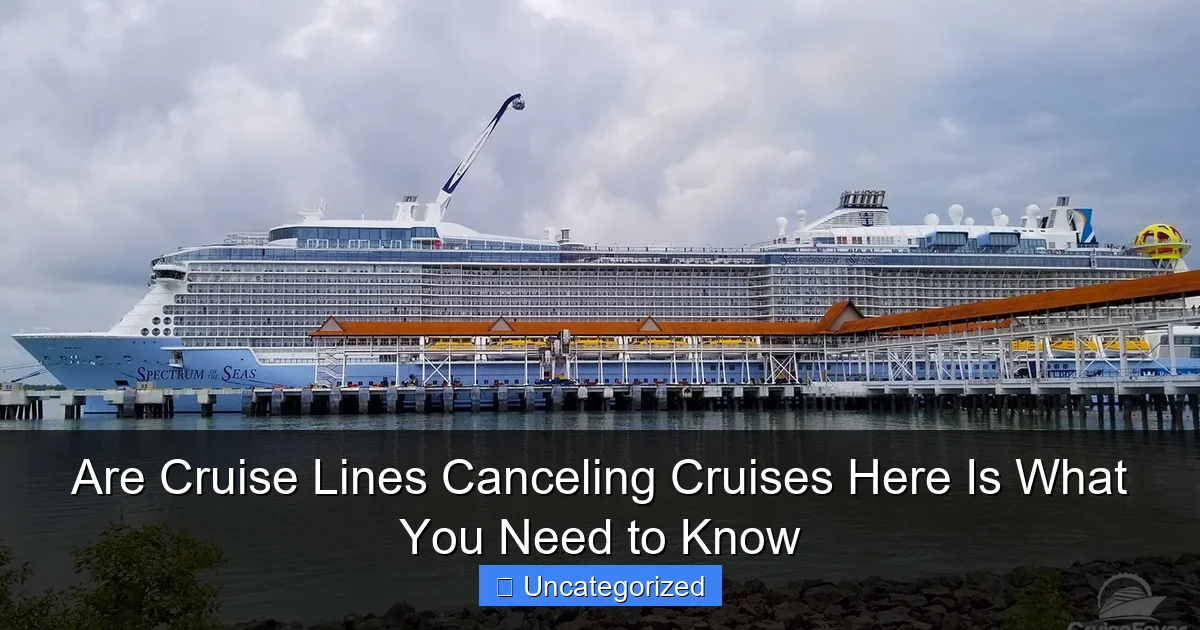
Visual guide about are cruise lines canceling cruises
Image source: cruisefever.net
- Outbreaks onboard: In 2022, Carnival Cruise Line canceled a voyage after a norovirus outbreak affected 5% of passengers.
- Port restrictions: Some destinations, like New Zealand and Australia, delayed reopening ports until 2023, forcing itinerary changes.
- Passenger health requirements: Vaccination and testing mandates have led to last-minute cancellations for unvaccinated travelers.
To mitigate these risks, cruise lines now employ enhanced sanitation protocols, medical screening, and flexible booking policies. For instance, Royal Caribbean’s “Cruise with Confidence” program allows free cancellations up to 48 hours before departure.
Geopolitical and Environmental Factors
Beyond health, geopolitical instability and environmental issues are increasingly affecting cruise itineraries. Examples include:
- War zones: The conflict in Ukraine led to the cancellation of Black Sea cruises, with lines like Norwegian Cruise Line rerouting ships to the Mediterranean.
- Hurricane season: In 2023, Hurricane Idalia forced Carnival and Disney Cruise Line to cancel or delay 12 sailings in the Caribbean.
- Climate protests: Environmental groups have pressured ports (e.g., Venice, Barcelona) to limit cruise traffic, resulting in reduced availability.
These factors highlight the industry’s vulnerability to global events. Cruise lines now rely on dynamic itinerary planning to adapt to changing conditions, often replacing closed ports with alternative destinations.
Operational and Financial Challenges
The pandemic also exposed operational vulnerabilities. Many cruise lines faced:
- Labor shortages: Crew recruitment and training delays led to staffing gaps. For example, Princess Cruises canceled 10% of its 2022 voyages due to crew unavailability.
- Fuel price volatility: Rising fuel costs in 2022 forced some lines to reduce speed (slow steaming), extending voyage times or canceling ports.
- Ship maintenance: Older vessels require more upkeep. In 2023, Holland America Line canceled two Alaska cruises for emergency repairs on the Volendam.
To address these issues, companies are investing in newer, more efficient ships (e.g., Carnival’s LNG-powered Mardi Gras) and streamlining operations.
How Cruise Lines Are Responding to Cancellations
Enhanced Flexibility and Refund Policies
Recognizing customer frustration, cruise lines have overhauled their cancellation and refund policies. Key changes include:
- Free cancellations: Most major lines (Royal Caribbean, Carnival, Norwegian) now allow free cancellations up to 24–48 hours before departure.
- Future cruise credits (FCCs): If a cruise is canceled by the line, passengers typically receive a 100–125% FCC, which can be used for future bookings.
- Rebooking guarantees: Some lines, like Disney Cruise Line, offer complimentary rebooking on a similar voyage within 12 months.
Example: In 2023, when MSC Cruises canceled a transatlantic voyage due to a port strike, passengers were offered a full refund or a 120% FCC plus a $200 onboard credit.
Proactive Communication and Real-Time Updates
Cruise lines now prioritize transparency. Tools include:
- Mobile apps: Apps like Carnival’s Hub and Royal Caribbean’s app provide real-time updates on itinerary changes.
- Dedicated hotlines: Lines like Princess Cruises have 24/7 support for affected passengers.
- Email/SMS alerts: Automated notifications for port closures or health requirements.
However, travelers should monitor their communication channels—many cancellations are announced just days before departure.
Investments in Health and Safety Infrastructure
To prevent cancellations, cruise lines are spending billions on:
- Advanced air filtration systems (e.g., Carnival’s HEPA filters).
- Onboard medical centers with telehealth capabilities.
- Contactless technology for check-in, dining, and excursions.
These measures aim to reduce health-related disruptions and boost passenger confidence.
What Passengers Can Do to Protect Themselves
Choose the Right Travel Insurance
Travel insurance is your first line of defense. Look for policies that cover:
- Trip cancellation/interruption: Covers cancellations due to illness, natural disasters, or cruise line defaults.
- Cancel for any reason (CFAR): Allows cancellations for non-covered reasons (typically reimburses 50–75% of costs).
- Medical evacuation: Critical for remote destinations.
Tip: Companies like Allianz and Travel Guard offer cruise-specific policies. Avoid “cruise line insurance,” which often has limited coverage.
Book Flexible Cruises and Monitor Itineraries
Reduce risk by:
- Selecting lines with strong cancellation policies (e.g., Royal Caribbean’s “Cruise with Confidence”).
- Avoiding peak hurricane season (June–November in the Caribbean).
- Booking refundable airfare through cruise lines or flexible airlines.
Regularly check your cruise line’s website and app for updates. For example, in 2023, Carnival emailed passengers 72 hours before a port change in Cozumel.
Understand the Fine Print
Read your booking contract carefully. Key clauses include:
- Force majeure: Allows cancellations for unforeseen events (e.g., pandemics, wars).
- Port substitution: Cruise lines can replace ports without notice.
- Refund timelines: FCCs may expire in 12–24 months.
If a cruise is canceled, act fast—FCCs and rebooking options often have deadlines.
Case Studies: Recent Cancellations and Lessons Learned
Case 1: The 2023 Alaska Wildfire Season
In July 2023, wildfires in British Columbia forced the closure of Skagway and Haines ports. Holland America Line canceled 8 Alaska cruises, affecting 12,000 passengers. The line:
- Offered full refunds or FCCs.
- Rebooked 60% of passengers on later voyages.
- Provided $100 onboard credits for future cruises.
Lesson: Environmental risks are growing. Consider booking Alaska cruises in late summer (August–September) when wildfire risk is lower.
Case 2: The Red Sea Crisis (2024)
Due to Houthi attacks on ships, major lines (MSC, Costa, Norwegian) canceled Red Sea transits. Passengers on repositioning cruises were rerouted to the Mediterranean or Indian Ocean. MSC offered:
- Free rebooking.
- 50% refunds for those who canceled.
- Airfare compensation for missed flights.
Lesson: Geopolitical risks require flexibility. Monitor news sources like Cruise Critic for updates.
Case 3: Carnival’s “Carnival Luminosa” Labor Shortage (2023)
Due to crew shortages, Carnival canceled 5 voyages on the Luminosa. The line:
- Offered 100% refunds or FCCs.
- Provided $200 future cruise credits.
- Apologized publicly and pledged to improve crew recruitment.
Lesson: Operational issues are unpredictable. Book newer ships, which are less likely to face labor problems.
The Future of Cruise Cancellations: Trends and Predictions
Increased Reliance on AI and Predictive Analytics
Cruise lines are using AI to predict disruptions. For example:
- Weather forecasting: Royal Caribbean’s “Weather Navigator” system reroutes ships based on real-time storm data.
- Demand modeling: Predicts port congestion and adjusts itineraries.
This could reduce last-minute cancellations by 20–30% by 2026 (Cruise Lines International Association report).
Stricter Environmental Regulations
Ports are imposing limits on cruise traffic to reduce emissions. By 2025:
- Venice will ban ships over 25,000 tons.
- Barcelona will cap daily cruise arrivals at 14.
Expect more itinerary changes as lines adapt to “green cruising” standards.
Shorter and More Flexible Cruises
To minimize risk, cruise lines are promoting:
- 3–4 night “micro-cruises” (e.g., Carnival’s “Short Escape” program).
- Dynamic pricing: Last-minute deals for flexible travelers.
These trends could reduce cancellation rates by offering easier rescheduling options.
Data Table: Cruise Line Cancellation Policies (2024)
| Cruise Line | Free Cancellation Period | Refund for Line-Caused Cancellations | Future Cruise Credit (FCC) Value | CFAR Option |
|---|---|---|---|---|
| Royal Caribbean | 48 hours | 100% refund or FCC | 100% (expires in 24 months) | Yes (50% reimbursement) |
| Carnival | 24 hours | 100% refund or FCC | 125% (expires in 12 months) | No |
| Norwegian | 24 hours | 100% refund or FCC | 100% (expires in 18 months) | Yes (75% reimbursement) |
| Disney | 7 days | 100% refund or rebooking | 100% (expires in 24 months) | No |
| Princess | 48 hours | 100% refund or FCC | 125% (expires in 12 months) | Yes (50% reimbursement) |
Conclusion: Navigating the New Era of Cruising
So, are cruise lines canceling cruises? The short answer is yes—but not as frequently as in the past. While cancellations still occur, the industry has made significant strides in minimizing disruptions through flexible policies, advanced technology, and proactive communication. For travelers, the key takeaways are:
- Stay informed: Monitor your cruise line’s updates and global news.
- Protect yourself: Invest in travel insurance with CFAR coverage.
- Book smart: Choose lines with strong cancellation policies and avoid high-risk periods.
The future of cruising is resilient. As the industry adapts to health, environmental, and geopolitical challenges, passengers who stay proactive and flexible will continue to enjoy the magic of the seas. Whether you’re chasing tropical sunsets or exploring ancient ports, the open ocean still awaits—just with a few more tools to ensure your journey goes smoothly.
Frequently Asked Questions
Are cruise lines canceling cruises due to recent global events?
Yes, some cruise lines have canceled or adjusted itineraries due to weather disruptions, geopolitical issues, or operational challenges. Always check your cruise line’s official updates for the latest information.
How can I find out if my upcoming cruise is canceled?
Most cruise lines notify passengers directly via email or through their booking portals. You can also monitor the cruise line’s website or contact their customer service to confirm if your sailing is affected.
Do cruise lines cancel cruises frequently?
While cruise lines strive to maintain schedules, cancellations do occur occasionally due to unforeseen circumstances like mechanical issues, weather, or port closures. These instances are typically rare but can vary by region and season.
What happens if a cruise line cancels my cruise?
If your cruise is canceled, most cruise lines offer a full refund or a future cruise credit. Some may also cover additional expenses like flights or hotel stays, depending on the timing and reason for cancellation.
Are cruise lines canceling cruises to specific destinations more than others?
Yes, certain destinations—like hurricane-prone regions or politically unstable areas—may see more frequent cancellations or itinerary changes. Cruise lines prioritize safety and often reroute ships to nearby ports when needed.
Can I avoid booking a cruise that might be canceled?
To minimize risk, book with cruise lines that offer flexible cancellation policies and avoid regions with high volatility. Researching historical cancellation rates and purchasing travel insurance can also provide added peace of mind.