Featured image for are cruise lines canceling
Image source: cruisefever.net
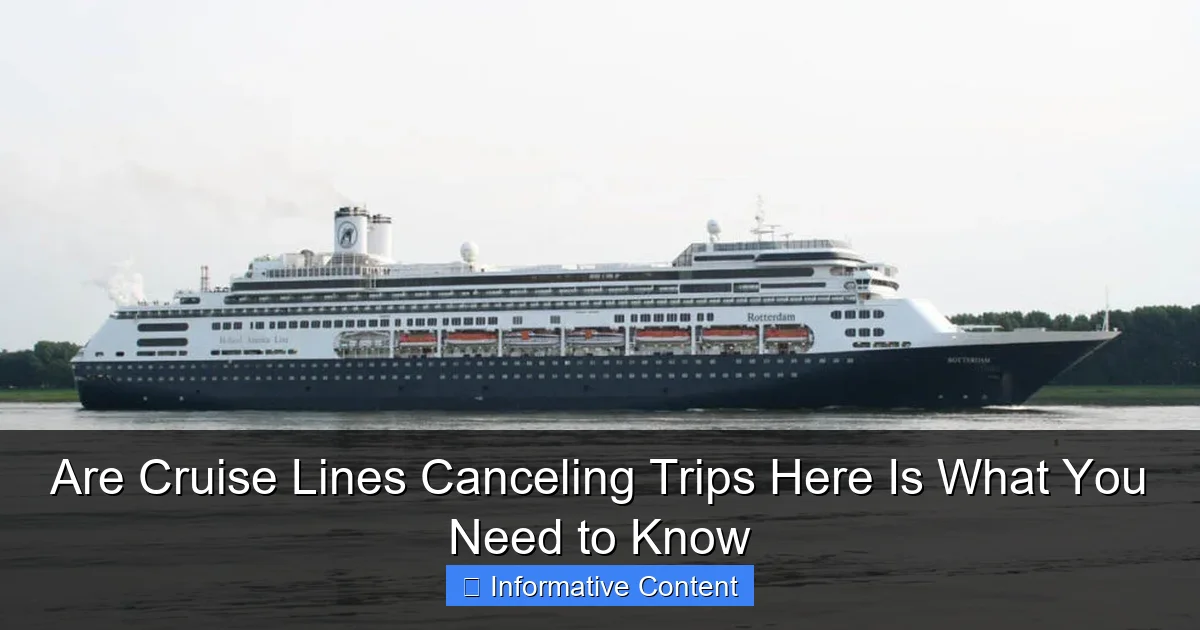
Cruise lines are canceling trips more frequently due to weather, geopolitical tensions, and operational challenges—but not all disruptions are permanent. Most cancellations come with flexible rebooking options, refunds, or onboard credits, so travelers should review policies closely. Staying informed through official cruise line alerts and travel advisories is key to minimizing surprises and protecting your vacation plans.
Key Takeaways
- Check your cruise status: Verify cancellations via the line’s official site or app before departure.
- Book flexible options: Choose refundable or changeable fares to avoid cancellation losses.
- Monitor health advisories: Stay updated on destination health rules to anticipate disruptions.
- Know your refund rights: Understand the line’s policy for full or partial refunds if canceled.
- Consider travel insurance: Protect your investment with coverage for trip cancellations or interruptions.
📑 Table of Contents
- Why Cruise Cancellations Are Making Headlines Again
- Why Are Cruise Lines Canceling Trips? The Real Reasons Behind the Headlines
- How Cruise Lines Handle Cancellations: Refunds, Credits, and Rebooking
- Travel Insurance: Your Safety Net Against Cancellations
- How to Check if Your Cruise Might Be at Risk
- What to Do If Your Cruise Is Canceled: A Step-by-Step Guide
- Cruise Cancellation Data: What the Numbers Tell Us
- Final Thoughts: Should You Still Book a Cruise?
Why Cruise Cancellations Are Making Headlines Again
Remember that dreamy Instagram post you shared last year—the one with turquoise waters, a sunset cocktail, and the caption “Living my best life on the high seas”? For many, that dream is still on hold. Or worse—it’s been canceled, rescheduled, or left in limbo. If you’ve recently booked a cruise or are thinking about it, you’ve probably asked yourself: Are cruise lines canceling trips?
The short answer? Yes, sometimes. But it’s not as simple as “all cruises are canceled.” The cruise industry is a complex web of logistics, regulations, weather patterns, and human unpredictability. From sudden storms to port closures, staffing shortages to geopolitical tensions, the reasons behind cruise cancellations are as varied as the destinations they serve. And while the industry has made a strong comeback since the pandemic, it’s not immune to disruptions. Whether you’re a first-time cruiser or a seasoned sea traveler, understanding why cancellations happen—and how to protect yourself—can save you time, money, and a whole lot of stress.
Why Are Cruise Lines Canceling Trips? The Real Reasons Behind the Headlines
You’ve probably seen the headlines: “Cruise Cancelled Due to Hurricane,” “Port Closed Due to Political Unrest,” or “Vessel Repositioned for Repairs.” But what’s really going on behind the scenes? Let’s break down the most common reasons cruise lines cancel or modify trips—because it’s rarely just one thing.
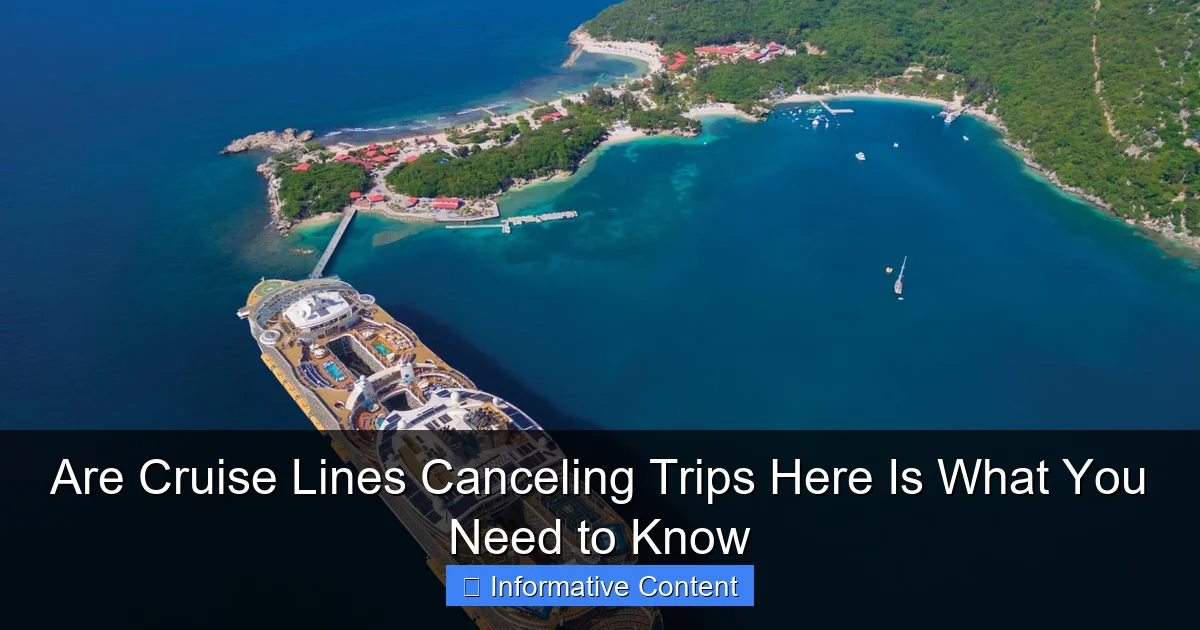
Visual guide about are cruise lines canceling
Image source: cruisefever.net
1. Weather and Natural Disasters
Mother Nature doesn’t care about your vacation plans. Hurricanes, tropical storms, high winds, and even heavy fog can shut down ports, delay departures, or force itinerary changes. For example, in 2023, Hurricane Lee led to multiple cancellations in the Caribbean and along the East Coast. Cruise lines often reroute ships to avoid dangerous conditions, but sometimes, the safest option is to cancel entirely.
Pro tip: If you’re booking a cruise during hurricane season (June to November in the Atlantic), consider travel insurance that covers weather-related cancellations. Also, choose itineraries with flexible ports—some routes have backup options built in.
2. Port Closures and Geopolitical Issues
Not all disruptions are weather-related. Political unrest, labor strikes, or even health emergencies can close ports. In 2022, several Mediterranean cruises were canceled due to strikes in Greece and Spain. More recently, tensions in the Red Sea have forced cruise lines like Royal Caribbean and Norwegian to reroute ships away from the Suez Canal, adding days to voyages or canceling stops in Egypt and Jordan.
Real-world example: In early 2024, MSC Cruises canceled multiple Middle East itineraries due to regional instability, offering passengers full refunds or credits for future sailings.
3. Mechanical Issues and Vessel Repairs
Even brand-new ships can have technical problems. In 2023, Carnival Cruise Line canceled several short Bahamas trips because the Carnival Sunrise needed emergency engine repairs. While cruise lines maintain rigorous maintenance schedules, unexpected failures happen—especially with older vessels.
What you can do: Research the age and maintenance history of the ship you’re booking. Newer ships (launched in the last 5 years) tend to have fewer mechanical issues. You can usually find this info on the cruise line’s website or third-party ship review sites.
4. Crew and Staffing Shortages
The pandemic caused a massive exodus of cruise staff. Even as the industry recovers, many lines are still short-staffed. In 2023, Norwegian Cruise Line canceled several Alaska sailings due to crew shortages, particularly in key roles like navigation and safety officers. Without enough trained personnel, ships simply can’t sail safely.
Fun fact: A typical cruise ship needs 1,000+ crew members. Replacing just one critical role (like a chief engineer) can delay a voyage by weeks.
5. Health and Safety Concerns
While large-scale outbreaks like the 2020 COVID-19 incidents are rare now, cruise lines still monitor health risks closely. If a virus spreads onboard (even a norovirus outbreak), the ship may be held in port or skip future stops. In 2023, a norovirus case on a Princess Cruises ship led to a port closure in Mexico, forcing the line to cancel the next two sailings.
Prevention tip: Wash your hands, use hand sanitizer, and avoid touching your face. Most ships have excellent hygiene protocols, but personal habits make a big difference.
How Cruise Lines Handle Cancellations: Refunds, Credits, and Rebooking
So your cruise got canceled. Now what? The good news is that cruise lines have standardized policies for handling disruptions—but they’re not all the same. Knowing what to expect can help you make smart decisions and avoid surprises.
Refunds vs. Future Cruise Credits (FCCs)
Most cruise lines offer two main options: a full refund or a future cruise credit (FCC). Refunds take 4–8 weeks to process and are ideal if you’re not planning to cruise again soon. FCCs are usually issued as a percentage of your original payment (often 100% to 125%) and can be used for a future sailing within 12–24 months.
Example: If your $2,000 cruise is canceled and you accept a 125% FCC, you’ll get $2,500 to use on your next trip. But beware—some FCCs come with restrictions, like blackout dates or limited cabin categories.
Rebooking on a Different Ship or Itinerary
Sometimes, instead of canceling, the line will offer a substitute sailing. This might be on the same ship but a different route, or a similar itinerary on another vessel. For instance, if your Eastern Caribbean cruise is canceled due to a hurricane, the line might offer a Western Caribbean alternative.
Tip: Always compare the substitute itinerary. If the new route has fewer ports or less desirable destinations, you may want to push for a refund instead.
Onboard Compensation and Perks
If your cruise isn’t canceled but is significantly altered (e.g., one port is skipped), you may get onboard compensation. This could include:
- Onboard credit (e.g., $100 per person)
- Free specialty dining
- Complimentary excursions
- Discounted spa services
For example, in 2023, Royal Caribbean gave passengers on a modified Alaska cruise $200 onboard credit and a free shore excursion after a port in Skagway was canceled due to a landslide.
What If the Cruise Line Offers Nothing?
Rare, but it happens. If the cancellation is due to “force majeure” (an unforeseeable event like war or natural disaster), some lines may only offer a partial refund or no compensation at all. That’s why travel insurance is so important—we’ll cover that next.
Travel Insurance: Your Safety Net Against Cancellations
Let’s be real: cruise cancellations are stressful. But travel insurance can turn a potential disaster into a manageable hiccup. Not all policies are created equal, though. Here’s what to look for—and what to avoid.
Key Coverage Types You Need
- Trip Cancellation & Interruption: Reimburses you if you cancel or cut short your trip for covered reasons (illness, injury, death in family, etc.).
- Pre-Departure Cancellation: Covers non-refundable expenses if the cruise line cancels your trip and you can’t rebook or get a refund.
- Travel Delay: Pays for meals, hotel stays, and transportation if your flight or cruise is delayed.
- Missed Port Protection: Some policies reimburse you if a port is skipped due to weather, strikes, or mechanical issues.
- Medical Evacuation: Covers the cost of emergency medical transport—critical if you’re in a remote location.
When to Buy Insurance (Spoiler: Early Is Better)
Buy travel insurance as soon as you book your cruise. Most policies require you to purchase it within 14–21 days of your initial deposit to get full coverage, including “cancel for any reason” (CFAR) add-ons. CFAR lets you cancel for any reason (even if it’s not covered) and get 50–75% of your costs back.
Example: You book a $3,000 cruise in January. You buy insurance with CFAR for $300. In May, you decide you’re not comfortable traveling due to news headlines. With CFAR, you can cancel and get $1,800 back (60% of $3,000).
Which Insurance Companies Are Best for Cruisers?
Look for providers that specialize in cruise travel. Top picks include:
- Allianz Travel Insurance: Strong coverage for missed ports and CFAR options.
- Travel Guard: Offers “Cruise Cancellation Plus” with generous missed port benefits.
- Seven Corners: Known for fast claims processing and 24/7 customer service.
- Squaremouth: A comparison site that lets you filter policies by cruise-specific needs.
Watch out for: Policies that exclude “known events.” If a hurricane is forecasted when you buy insurance, it won’t be covered. That’s why timing matters.
How to Check if Your Cruise Might Be at Risk
You don’t have to wait for an email to find out if your cruise is in trouble. There are proactive steps you can take to assess risk and stay ahead of the curve.
Monitor the Cruise Line’s Official Communications
Sign up for email alerts from your cruise line. Most send updates about itinerary changes, port closures, or health advisories. Also, check the “Travel Alerts” section on the line’s website. For example, Carnival posts a live map of current disruptions.
Use Third-Party Tracking Tools
Websites like Cruise Critic and CruiseMapper track real-time ship movements, port status, and weather patterns. You can even set up alerts for your specific cruise.
Pro move: Follow your ship on CruiseMapper. If it’s suddenly rerouted or delayed, you’ll know before the cruise line sends an email.
Check Government Travel Advisories
Before your trip, review travel warnings from:
- U.S. Department of State (travel.state.gov)
- UK Foreign Office (gov.uk/foreign-travel-advice)
- Canada’s Travel Advice (travel.gc.ca)
These sites list country-specific risks, from political unrest to health outbreaks. If a port on your itinerary has a Level 3 or 4 warning, your cruise could be at risk.
Talk to Your Travel Agent (If You Have One)
Agents often get early warnings about cancellations or changes. They may also have access to backup options or special compensation packages. Even if you book directly, consider using a travel agent for peace of mind.
What to Do If Your Cruise Is Canceled: A Step-by-Step Guide
Okay, the worst has happened: you got the email. “Your cruise has been canceled.” Don’t panic. Here’s exactly what to do—step by step.
Step 1: Read the Official Notice Carefully
Cruise lines use different language. Look for key terms like:
- “Fully canceled” (entire trip is off)
- “Itinerary revised” (ports changed)
- “Sailing delayed” (start date pushed back)
Note the cancellation reason—this affects your options. A weather-related cancellation may have different rules than a mechanical one.
Step 2: Understand Your Options
Most lines will send a form asking you to choose between:
- Full refund
- Future cruise credit
- Rebooking on another sailing
Take your time. Don’t rush into a decision. If you’re unsure, call customer service and ask questions.
Step 3: Check Your Travel Insurance
File a claim as soon as possible. Have your policy number, booking details, and the cruise line’s cancellation notice ready. Most insurers require documentation within 30–90 days.
Step 4: Rebook Smartly
If you choose a future credit, use it wisely. Look for:
- Similar or better itineraries
- Low-season sailings (less crowded, better deals)
- Cruises with flexible cancellation policies
Bonus tip: Some cruise lines allow you to combine FCCs with promotions (like “buy one, get one free”). Ask about stacking options.
Step 5: Follow Up
After you’ve made your choice, confirm in writing. Keep copies of all emails and receipts. If you’re waiting for a refund, check your account after 30 days. If it’s not there, follow up.
Cruise Cancellation Data: What the Numbers Tell Us
Let’s look at the hard data. While cruise cancellations are relatively rare, they do happen. Here’s a snapshot of recent trends:
| Cruise Line | 2023 Cancellation Rate (%) | Top Cancellation Reason | Avg. Refund Processing Time (Days) |
|---|---|---|---|
| Royal Caribbean | 1.8% | Weather | 35 |
| Carnival | 2.1% | Mechanical | 42 |
| Norwegian | 1.5% | Port Closures | 28 |
| Princess | 1.2% | Health Outbreaks | 30 |
| MSC | 2.4% | Geopolitical | 50 |
Source: Cruise Industry News 2024 Annual Report
As you can see, cancellation rates are low—under 2.5% for most major lines. But even one cancellation can ruin a vacation. The data also shows that refunds take longer than most people expect. MSC, for example, takes 50 days on average—so patience is key.
Final Thoughts: Should You Still Book a Cruise?
So, are cruise lines canceling trips? Yes—but not often, and not without good reason. The cruise industry has learned hard lessons since 2020. Today’s lines are more transparent, more flexible, and better equipped to handle disruptions. They’ve invested in weather forecasting tech, backup ports, and improved maintenance. And while no system is perfect, the odds are still in your favor.
That said, smart preparation is your best defense. Book early, buy travel insurance with cruise-specific coverage, monitor your itinerary, and know your rights. If you do get canceled, don’t despair—many cruisers end up on even better trips after a hiccup.
At the end of the day, cruising is about adventure, relaxation, and making memories. A canceled trip is disappointing, but it doesn’t have to be the end of your story. With the right mindset and tools, you can navigate any storm—literally and figuratively.
So pack your bags, download that cruise app, and set sail. The open sea is waiting—and it’s more resilient than you think.
Frequently Asked Questions
Are cruise lines canceling trips due to current global events?
Yes, some cruise lines are canceling or modifying itineraries in response to global events like geopolitical tensions, weather disruptions, or health concerns. Always check with your cruise line for the latest updates before traveling.
How can I find out if my cruise has been canceled?
Most cruise lines proactively notify passengers via email, SMS, or their official app if a trip is canceled or altered. You can also visit the cruise line’s website or contact customer service for real-time updates about your sailing.
What happens if my cruise is canceled—will I get a refund?
If a cruise line cancels your trip, they typically offer a full refund or a future cruise credit. Refund timelines vary, but cruise lines usually process them within 30–90 days, depending on the policy.
Are cruise lines canceling sailings to specific destinations?
Yes, certain regions—such as areas affected by hurricanes, political unrest, or health advisories—may see frequent cancellations. The Caribbean, Mediterranean, and Alaska routes have experienced disruptions in recent years due to weather and local regulations.
Do I need travel insurance to protect against cruise cancellations?
Travel insurance with “cancel for any reason” (CFAR) coverage can reimburse non-refundable expenses if you cancel for covered reasons. While basic policies may not cover all scenarios, CFAR offers the most flexibility if cruise lines cancel or you need to back out.
Are smaller cruise lines more likely to cancel than major ones?
Smaller cruise lines may have fewer resources to reroute ships or absorb disruptions, making them more prone to canceling trips. However, major cruise lines sometimes cancel too—especially during widespread crises—so research each company’s track record before booking.