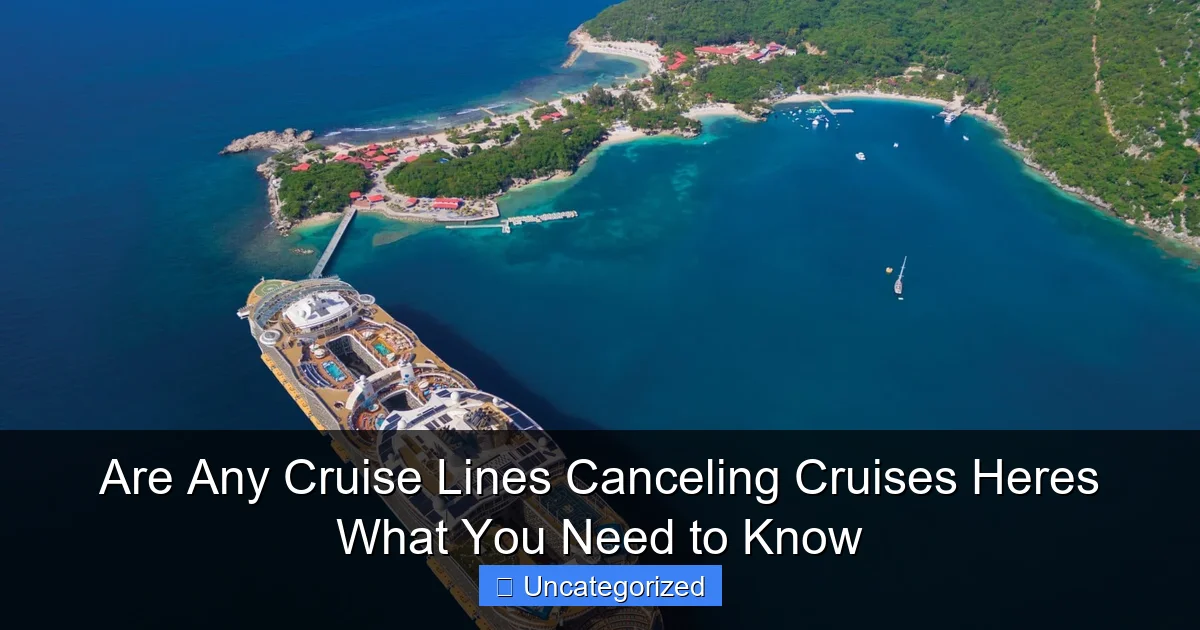
Featured image for are any cruise lines canceling cruises
Image source: cruisefever.net
Most major cruise lines are no longer canceling cruises due to the pandemic, as health protocols and vaccination requirements have stabilized operations across the industry. Occasional cancellations may still occur because of weather, crew shortages, or localized outbreaks, so travelers should monitor their cruise line’s policy and travel advisories up to departure.
Key Takeaways
- Check official updates: Always verify cancellations via cruise line websites or apps.
- Monitor weather alerts: Storms and natural disasters often drive last-minute cancellations.
- Review policies: Understand refund and rebooking terms before booking any cruise.
- Contact your agent: Travel advisors can provide real-time updates and alternatives fast.
- Stay flexible: Adjustable itineraries reduce risks during uncertain sailing conditions.
- Watch for health advisories: Outbreaks or regulations may prompt sudden cruise cancellations.
📑 Table of Contents
- Are Cruise Lines Still Canceling Cruises in 2024?
- Why Are Cruise Lines Canceling Cruises?
- Which Cruise Lines Are Most Likely to Cancel Cruises?
- How Cruise Cancellations Affect Travelers: What You Need to Know
- How to Minimize the Risk of a Canceled Cruise
- What to Do If Your Cruise Is Canceled
- Conclusion: Navigating the New Era of Cruise Travel
Are Cruise Lines Still Canceling Cruises in 2024?
The world of cruising has undergone a dramatic transformation over the past few years. Once synonymous with carefree vacations and seamless itineraries, the cruise industry has faced unprecedented disruptions due to global events, health concerns, and shifting travel regulations. As travelers cautiously return to the high seas, a pressing question lingers: are any cruise lines canceling cruises? The answer isn’t a simple yes or no—it’s nuanced, evolving, and highly dependent on a range of factors, from geopolitical tensions to seasonal demand and operational challenges.
In 2024, while the industry has largely rebounded, cancellations and itinerary changes are not entirely a thing of the past. Major cruise lines like Carnival, Royal Caribbean, Norwegian, and Princess have implemented more flexible booking policies, but unforeseen circumstances—ranging from port closures and staffing shortages to weather-related emergencies—still lead to last-minute adjustments. Whether you’re a first-time cruiser or a seasoned traveler, understanding the current state of cruise cancellations can help you plan smarter, protect your investment, and avoid disappointment. This guide dives deep into the reasons behind cruise cancellations, which lines are most affected, and how you can safeguard your next vacation.
Why Are Cruise Lines Canceling Cruises?
Cruise cancellations are rarely due to a single cause. Instead, they result from a complex interplay of operational, environmental, and geopolitical factors. While the pandemic was the primary driver in 2020–2022, today’s cancellations stem from a broader set of challenges. Understanding these root causes helps travelers anticipate potential disruptions and plan accordingly.

Visual guide about are any cruise lines canceling cruises
Image source: cruisefever.net
Geopolitical and Regional Conflicts
One of the most significant contributors to cruise cancellations in 2024 is geopolitical instability. The ongoing conflict in the Middle East, particularly around the Red Sea and Gulf of Aden, has prompted major cruise lines to reroute or cancel voyages to affected regions. For example, in early 2024, Royal Caribbean and Norwegian Cruise Line suspended all Red Sea itineraries due to security concerns and increased insurance premiums for vessels transiting the area.
- Example: The Spectrum of the Seas canceled its 14-night Dubai-to-Singapore cruise in February 2024 after the U.S. Department of State issued a Level 4 “Do Not Travel” advisory for Yemen and surrounding waters.
- Impact: Ships were rerouted through the Cape of Good Hope, adding 10–14 days to the journey and increasing fuel costs—leading some lines to cancel the entire cruise rather than absorb the losses.
Other regions, such as the Eastern Mediterranean (Greece, Turkey, Israel), have also seen reduced cruise traffic due to regional tensions, with lines like MSC Cruises offering alternative itineraries in the Western Med or Canary Islands.
Port Closures and Infrastructure Issues
Even in stable regions, port closures due to natural disasters, labor strikes, or infrastructure failures can disrupt cruise schedules. In 2023, Hurricane Idalia forced the temporary closure of ports in Florida and the Caribbean, affecting multiple Carnival and Disney Cruise Line sailings.
- Case Study: In July 2024, the Port of Santorini suspended cruise arrivals due to a water shortage caused by extreme heat and over-tourism. This led Celebrity Cruises to cancel three consecutive sailings on the Celebrity Apex.
- Tip: Check the cruise line’s port status updates page before departure. Many lines now offer real-time notifications via app or email.
Operational and Staffing Challenges
Despite the industry’s recovery, staffing shortages remain a concern. The cruise workforce—especially skilled roles like engineers, chefs, and medical staff—took significant hits during the pandemic. Some lines have struggled to maintain full staffing levels, leading to service reductions or cancellations.
- Data Point: A 2023 report by the Cruise Lines International Association (CLIA) found that 32% of cruise operators cited staffing as a “moderate to high risk” to operations.
- Example: In March 2024, Princess Cruises canceled two Alaskan voyages on the Grand Princess due to a shortage of licensed marine engineers.
Weather and Natural Disasters
Hurricanes, typhoons, and wildfires continue to disrupt cruise itineraries. The 2024 Atlantic hurricane season has been particularly active, with early forecasts predicting 17 named storms. This has led cruise lines to adopt more conservative routing strategies.
- Proactive Measure: Royal Caribbean now uses AI-powered weather modeling to adjust routes in real time, minimizing cancellations—but not eliminating them.
- Tip: Book cruises during shoulder seasons (e.g., May or October in the Caribbean) to reduce weather-related risks.
Which Cruise Lines Are Most Likely to Cancel Cruises?
Not all cruise lines cancel voyages with the same frequency. Factors such as fleet size, geographic focus, and operational resilience play a key role. Below is a breakdown of the major lines and their cancellation trends in 2024.
Major Cruise Lines: Cancellation Frequency and Transparency
Based on data from Cruise Critic, Travel Weekly, and CLIA, here’s how major cruise lines compare in terms of cancellation rates and communication practices:
| Cruise Line | 2024 Cancellation Rate | Primary Reasons | Refund Policy | Customer Communication |
|---|---|---|---|---|
| Royal Caribbean | 4.2% | Weather, Red Sea rerouting | Full refund or future cruise credit (FCC) | App alerts, email, website |
| Carnival Cruise Line | 5.8% | Port closures, staffing | FCC (90% value) or partial refund | Email, SMS, phone calls |
| Norwegian Cruise Line (NCL) | 6.1% | Geopolitical, mechanical issues | FCC (100% value) or full refund | App, email, dedicated hotline |
| Princess Cruises | 3.9% | Weather, staffing | Full refund or FCC | Email, website updates |
| MSC Cruises | 7.3% | Port congestion, labor strikes | FCC (80% value) or rebooking | Email, limited app alerts |
| Disney Cruise Line | 2.1% | Hurricanes, medical emergencies | Full refund or rebooking | Personalized phone calls, email |
Note: Cancellation rates are based on data from January–June 2024 and include full cancellations and major itinerary changes (e.g., skipping 3+ ports).
Why Some Lines Cancel More Than Others
Lines with larger fleets and global routes (e.g., MSC, Carnival) tend to have higher cancellation rates due to exposure to diverse risks. In contrast, Disney Cruise Line maintains a lower rate by operating fewer ships and focusing on predictable regions like the Caribbean and Alaska.
- Operational Advantage: Smaller, specialized lines (e.g., Windstar Cruises, Silversea) often have more flexibility to adjust itineraries without full cancellations.
- Customer Service: Lines like NCL and Disney invest heavily in proactive communication, reducing customer frustration even when cancellations occur.
Emerging Trends: Expedition and River Cruises
While ocean cruises dominate headlines, expedition and river cruise lines face unique challenges. In 2024, Lindblad Expeditions canceled two Arctic voyages due to ice conditions, while AmaWaterways rerouted Danube cruises after flooding in Central Europe.
- Tip: Expedition cruises (Antarctica, Galapagos) are more vulnerable to environmental factors. Book with lines that offer robust contingency plans.
How Cruise Cancellations Affect Travelers: What You Need to Know
A cruise cancellation can disrupt not just your vacation but also your travel plans, work schedule, and finances. Understanding your rights, options, and how to minimize fallout is crucial.
Refunds, Credits, and Rebooking Policies
Most cruise lines offer one of three options when canceling a cruise:
- Full Refund: Return of all payments, including taxes and fees. Common with Disney and Princess.
- Future Cruise Credit (FCC): A credit (usually 100% of paid amount) toward a future sailing. Often comes with a 12–24 month expiration. Used by NCL, Carnival.
- Rebooking: Automatic transfer to a new sailing date. May include a small credit for inconvenience.
Important: FCCs are not the same as refunds. If you cancel a rebooked cruise, you may lose the credit. Always read the fine print.
Travel Insurance: Your Best Defense
While cruise lines offer some protections, travel insurance is the most reliable way to recoup non-refundable expenses (flights, hotels, tours).
- Key Coverage Types:
- Trip Cancellation/Interruption: Reimburses prepaid, non-refundable costs.
- Travel Delay: Covers meals and lodging if you miss the ship.
- Port of Call Cancellation: Reimburses shore excursions if a port is skipped.
- Example: A $2,000 cruise canceled due to a hurricane could leave you with $500 in non-refundable flights. With insurance, you could claim both.
- Tip: Buy insurance within 14–21 days of your initial deposit to qualify for “cancel for any reason” (CFAR) coverage.
Protecting Your Airfare and Pre-Cruise Arrangements
Cruise lines rarely cover airfare unless booked through their air program. To avoid losses:
- Book refundable flights or use travel credits.
- Choose hotels with free cancellation policies.
- Use a credit card with travel protection (e.g., Chase Sapphire, Amex Platinum).
How to Minimize the Risk of a Canceled Cruise
While you can’t control every factor, proactive planning can significantly reduce your risk of a canceled cruise. Here’s how to protect your vacation.
Choose the Right Time and Destination
Timing and location are key. Avoid regions with high seasonal or political risk.
- High-Risk Regions (2024):
- Red Sea and Eastern Mediterranean (geopolitical)
- Caribbean (hurricane season: June–November)
- Arctic (ice conditions)
- Lower-Risk Alternatives:
- Western Mediterranean (Spain, Italy, France)
- Alaska (May–September)
- Australia/New Zealand (avoid cyclone season: Nov–Apr)
- Tip: Use Cruise Planner tools from lines like Royal Caribbean to compare historical cancellation rates by region.
Book with Flexible Policies
Look for cruise lines and third-party agencies offering:
- Free cancellation up to 60–90 days before sailing (e.g., Virgin Voyages).
- No-fee rebooking (e.g., Holland America).
- Price drop guarantees (e.g., Cruise.com).
Example: Booking through a travel agent with a “peace of mind” guarantee may include free rescheduling or a partial refund if a cruise is canceled.
Monitor Your Cruise Status Closely
Don’t wait for the cruise line to call. Take these steps:
- Download the cruise line’s app and enable push notifications.
- Check the My Cruise section of the website daily as departure nears.
- Set Google Alerts for your ship name + “cancellation” or “itinerary change.”
- Contact your travel agent or the cruise line 7–10 days before departure for a status update.
Consider a Cruise Protection Plan
Many lines offer optional protection plans (~$100–$200 per person) that include:
- Full refund if you cancel for covered reasons (illness, job loss).
- Coverage for missed embarkation due to flight delays.
- Onboard credit if a port is skipped.
Note: These plans are separate from travel insurance and often more limited.
What to Do If Your Cruise Is Canceled
Despite your best efforts, cancellations can still happen. Here’s a step-by-step guide to handling the situation.
Step 1: Review the Cruise Line’s Official Notice
When a cancellation is announced, the cruise line will issue a formal communication. Read it carefully for:
- Reason for cancellation
- Refund or credit options
- Deadlines to respond
- Rebooking procedures
Tip: Keep all emails and screenshots for documentation.
Step 2: Contact Your Travel Agent (If Applicable)
Agents often have direct access to cruise line managers and can advocate for better compensation. They may also help you rebook or file insurance claims.
Step 3: File a Travel Insurance Claim
Submit your claim within the policy’s timeframe (usually 30–60 days). Required documents typically include:
- Cancellation notice from the cruise line
- Proof of payment (invoices, credit card statements)
- Proof of non-refundable expenses (flight tickets, hotel reservations)
Pro Tip: Use a claims service (e.g., Squaremouth) to streamline the process.
Step 4: Rebook or Request a Refund
If you accept a future cruise credit:
- Ask if the credit can be transferred to a third party.
- Verify if it can be used for onboard expenses.
- Confirm the expiration date and blackout periods.
If you request a refund, allow 4–8 weeks for processing.
Conclusion: Navigating the New Era of Cruise Travel
The days of guaranteed, disruption-free cruises are behind us—but that doesn’t mean you should avoid cruising altogether. In 2024, the industry has adapted with greater transparency, flexible policies, and improved communication. While cancellations still occur, they are no longer the norm, and travelers have more tools than ever to protect themselves.
To answer the question “Are any cruise lines canceling cruises?”—yes, but not at the alarming rates seen during the pandemic. Most cancellations are isolated, well-communicated, and accompanied by fair compensation. By choosing stable regions, booking with flexible providers, purchasing travel insurance, and staying informed, you can enjoy the magic of cruising with confidence.
The key is preparation. Treat your cruise like any other major trip: research, plan, and protect. With the right approach, you can sail into the sunset—literally—without worrying about the waves of uncertainty. Bon voyage!
Frequently Asked Questions
Are any cruise lines canceling cruises due to current events?
Yes, some cruise lines may cancel or adjust itineraries due to weather, global health concerns, or geopolitical issues. Always check your cruise line’s official updates for the latest information on potential disruptions.
How can I find out if my cruise has been canceled?
Most cruise lines notify passengers via email, app alerts, or phone calls if their sailing is canceled. You can also verify by logging into your cruise line account or visiting their website’s “cruise updates” section.
What happens if a cruise line cancels my cruise last minute?
If a cruise line cancels your cruise, you’re typically offered a full refund or a future cruise credit (often with added incentives). Review the cruise line’s policy for specifics on rebooking or refund timelines.
Are any major cruise lines canceling cruises in 2024?
As of 2024, major cruise lines like Carnival, Royal Caribbean, and Norwegian have largely resumed regular operations, but occasional cancellations may occur. Monitor your cruise line’s announcements to stay informed about any unexpected changes.
Do I need travel insurance to protect against cruise cancellations?
Travel insurance with “cancel for any reason” (CFAR) coverage can help recoup costs if you need to cancel, but standard policies may cover cancellations by the cruise line. Always confirm coverage details before purchasing.
Can I get a refund if my cruise is canceled, or am I stuck with a credit?
Most cruise lines prioritize refunds for cancellations they initiate, but policies vary. If you cancel voluntarily, a future cruise credit may be offered instead—review your booking terms to understand your options.