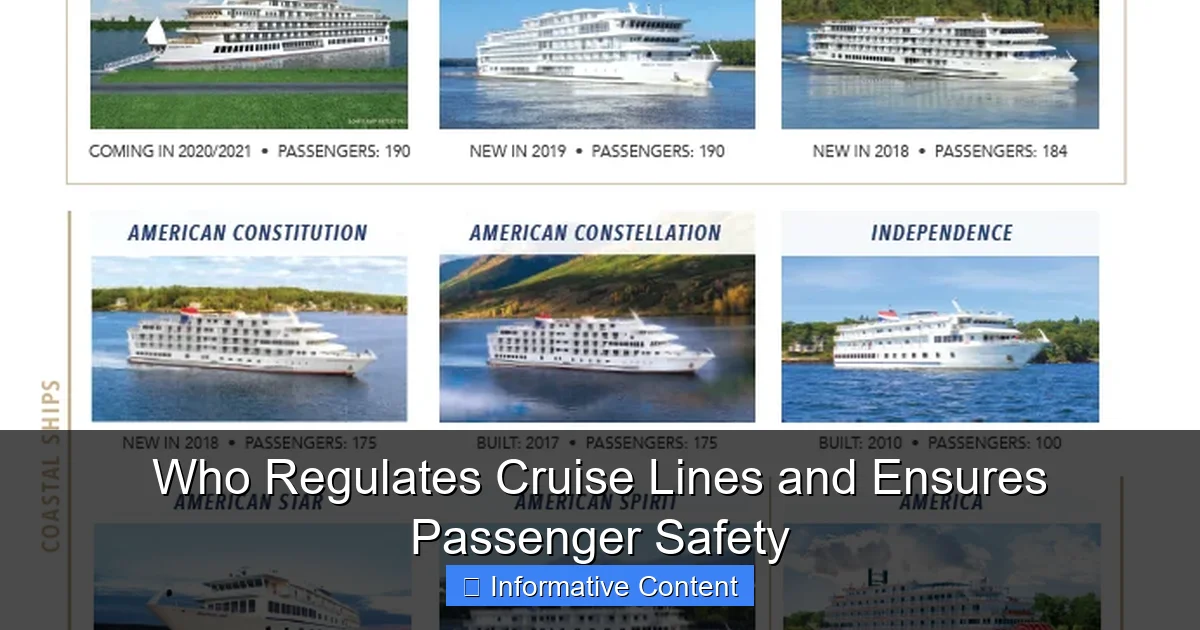
Featured image for who regulates cruise lines
Image source: myvirtualvacations.net
Cruise lines are primarily regulated by international maritime laws enforced by flag states—the countries where ships are registered—ensuring compliance with safety, environmental, and labor standards. Key oversight comes from organizations like the International Maritime Organization (IMO) and regional bodies such as the U.S. Coast Guard and European Maritime Safety Agency, which conduct inspections and set operational protocols. These entities work together to safeguard passengers and maintain industry accountability.
Key Takeaways
- Flag states primarily regulate cruise lines under international maritime law.
- International Maritime Organization sets global safety and environmental standards.
- Port state controls enforce compliance during inspections in foreign countries.
- U.S. Coast Guard oversees safety for ships docking in American ports.
- CDC and VSP monitor health outbreaks and sanitation on cruise ships.
- Passenger rights laws vary by country—know your legal protections before sailing.
📑 Table of Contents
- Who Regulates Cruise Lines and Ensures Passenger Safety
- International Oversight: The Role of the IMO and SOLAS
- Flag States and Port State Control: Who’s Watching the Ship?
- National and Regional Regulators: The Local Watchdogs
- Industry Self-Regulation: The Role of Cruise Lines and Trade Groups
- Environmental and Passenger Rights: Beyond Safety
- Data Table: Key Regulators and Their Roles
- Putting It All Together: How Safe Are Cruise Ships?
Who Regulates Cruise Lines and Ensures Passenger Safety
Imagine you’re standing at the edge of a massive floating city, the ocean breeze in your hair, ready to embark on a dream vacation. The ship is enormous, with pools, restaurants, and entertainment options that rival any land-based resort. But as you board, you might wonder: who makes sure this floating paradise is safe? Who ensures the water you drink is clean, the food you eat won’t make you sick, and that the ship won’t end up on the evening news for the wrong reasons? These aren’t just random questions—they’re critical to understanding how cruise lines are held accountable.
Cruise ships operate in a unique gray zone. They’re not just businesses—they’re floating cities that cross international waters, making them subject to a complex web of regulations. From fire safety to sanitation, from environmental standards to passenger rights, the oversight is a mix of international agreements, national laws, and private industry standards. It’s not always straightforward, but it’s designed to protect you, the traveler. Whether you’re a first-time cruiser or a seasoned sea-goer, knowing who regulates cruise lines can help you travel smarter and with more confidence.
International Oversight: The Role of the IMO and SOLAS
The International Maritime Organization (IMO)
The International Maritime Organization (IMO) is the United Nations agency responsible for global maritime safety and environmental protection. Think of it as the United Nations of the sea. Founded in 1948, the IMO sets the baseline standards that apply to all ships, including cruise lines, no matter where they sail. It’s not a regulator in the traditional sense—it doesn’t enforce rules directly—but it creates the rules that countries and flag states must follow.
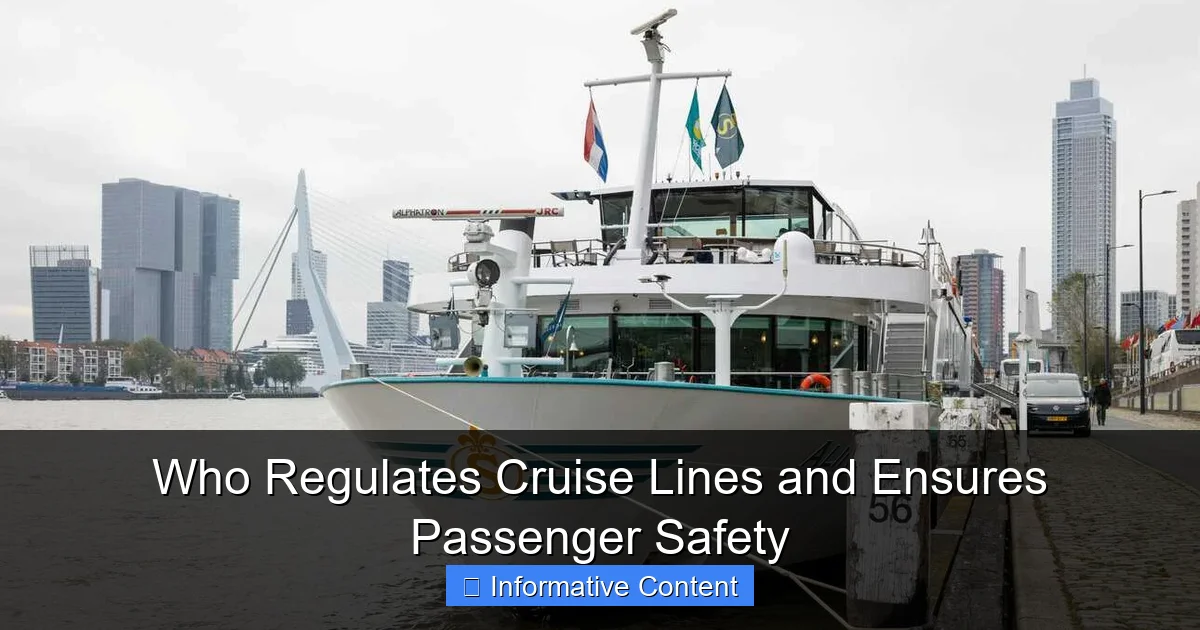
Visual guide about who regulates cruise lines
Image source: rotterdamstyle.com
For example, the IMO’s Safety of Life at Sea (SOLAS) convention is the most important international treaty covering maritime safety. It outlines everything from fire protection systems to lifeboat capacity, emergency procedures, and crew training. Every cruise ship must comply with SOLAS to be certified for international travel. If a ship fails to meet these standards, it can’t legally sail in international waters.
SOLAS: The Backbone of Cruise Safety
SOLAS is updated regularly to reflect new technologies and lessons learned from maritime incidents. After the Costa Concordia disaster in 2012, for instance, SOLAS was revised to improve emergency training, passenger muster procedures, and bridge resource management. These changes mean that today’s cruise ships must conduct drills more frequently and ensure all crew members can guide passengers during emergencies.
Here’s a real-world example: When you board a cruise ship, you’re required to attend a mandatory safety drill (often called a muster drill). This isn’t just a formality. It’s a SOLAS requirement. The drill ensures every passenger knows where their lifejacket is, where their muster station is, and what to do in case of an emergency. It’s a small step, but one that’s been proven to save lives.
Tip: Don’t skip the muster drill, even if you’ve been on a cruise before. Procedures can vary by ship, and it’s your responsibility to be prepared. Also, pay attention to the safety video—it might seem repetitive, but it’s packed with crucial info.
Flag States and Port State Control: Who’s Watching the Ship?
Flag States: The Ship’s “Nationality”
Every cruise ship is registered under a specific country, known as its flag state. This is similar to how cars have license plates from a particular state. But unlike cars, cruise ships often choose flags from countries with less stringent regulations—a practice known as a “flag of convenience.”
Popular flag states for cruise lines include the Bahamas, Panama, and Liberia. These countries offer favorable tax conditions and lower registration fees, but they’re still required to enforce IMO standards. The flag state is responsible for inspecting the ship, issuing certificates (like safety and pollution prevention), and ensuring compliance with international rules.
For example, if a cruise ship is flagged in the Bahamas, the Bahamian government (or an authorized body) must conduct annual safety inspections and audits. They also investigate any serious incidents that occur on board. However, critics argue that some flag states lack the resources or political will to enforce rules rigorously, which can create gaps in oversight.
Port State Control: The Safety Net
To close these gaps, Port State Control (PSC) acts as a safety net. When a cruise ship docks in a foreign port, the local maritime authority can inspect it—regardless of its flag. This is a powerful tool because it means even if a ship’s flag state is lax, the country it’s visiting can step in.
Organizations like Paris MoU (Europe), Tokyo MoU (Asia-Pacific), and US Coast Guard (USA) coordinate PSC efforts. They conduct unannounced inspections, focusing on areas like fire safety, machinery, pollution controls, and crew welfare. If a ship fails inspection, it can be detained until the issues are fixed—costing the cruise line millions in lost revenue.
Example: In 2019, the Carnival Legend was detained in Australia after a PSC inspection found issues with its life-saving appliances and fire safety systems. The ship had to fix the problems before being allowed to sail again. This shows how PSC can catch problems that flag states might miss.
Tip: If you’re curious about a ship’s inspection history, check the Paris MoU website or the US Coast Guard database. These tools let you see if a ship has a clean record or has faced detentions.
National and Regional Regulators: The Local Watchdogs
The US Coast Guard and CDC: America’s Dual Oversight
In the United States, two major agencies play a key role in cruise safety: the US Coast Guard (USCG) and the Centers for Disease Control and Prevention (CDC). The USCG enforces safety and security rules, while the CDC focuses on public health—especially sanitation and disease control.
The USCG conducts regular inspections of all cruise ships calling at US ports. They check everything from fire suppression systems to navigation equipment. They also enforce the International Ship and Port Facility Security (ISPS) Code, which ensures ships are protected against terrorism and piracy.
The CDC’s Vessel Sanitation Program (VSP) is another critical player. Every cruise ship must undergo a surprise inspection at least twice a year. Inspectors evaluate food storage, water quality, pest control, and general cleanliness. Scores are posted online and in terminals—a 95 or above is excellent, while anything below 85 is a failing grade.
Example: In 2022, the Norwegian Encore scored 100 on its CDC inspection, while the MSC Meraviglia scored 82—triggering a follow-up inspection. The CDC doesn’t have the power to detain ships, but a low score can damage a cruise line’s reputation and lead to passenger lawsuits.
Other National Regulators: EU, Canada, and Australia
Outside the US, other countries have their own oversight systems. In the European Union, the European Maritime Safety Agency (EMSA) supports member states in enforcing maritime rules. The Marine Safety Investigation Unit (MSIU) in countries like the UK and Germany investigates serious incidents.
In Canada, Transport Canada regulates ships calling at Canadian ports, with a focus on environmental protection and crew safety. Australia’s Maritime Safety Authority (AMSA) is known for its strict PSC inspections—often detaining ships with minor defects.
Tip: If you’re sailing in a specific region, research the local regulator’s reputation. For example, AMSA is known for being tough, while some smaller nations may have fewer resources to conduct thorough inspections.
Industry Self-Regulation: The Role of Cruise Lines and Trade Groups
Cruise Line Internal Standards
Beyond government oversight, cruise lines have their own internal safety and quality programs. Companies like Carnival, Royal Caribbean, and Norwegian invest millions in safety training, technology, and risk management. For example, many lines use predictive maintenance systems to monitor engine performance and prevent mechanical failures.
They also conduct internal audits, often more frequent than required by regulators. Some lines have even adopted ISO 14001 (environmental management) and OHSAS 45001 (occupational health and safety) standards, which go beyond legal requirements.
Example: Royal Caribbean’s “Safety First” program includes advanced fire detection systems, real-time monitoring of lifeboats, and mandatory safety training for all crew members. They also use AI-powered analytics to predict and prevent incidents before they happen.
Trade Associations: CLIA and the Power of Peer Pressure
The Cruise Lines International Association (CLIA) is the world’s largest cruise trade organization. While not a regulator, CLIA sets voluntary standards that member lines agree to follow. These include:
- Enhanced sanitation protocols (beyond CDC requirements)
- Environmental stewardship (e.g., reducing carbon emissions)
- Passenger rights (e.g., refund policies and communication during delays)
CLIA also advocates for industry-wide changes. After the pandemic, they introduced mandatory health screenings, improved air filtration, and flexible booking policies. While these aren’t legally binding, they create a form of peer pressure—no cruise line wants to be the only one without these measures.
Tip: Look for the CLIA logo when booking. It means the cruise line is part of a global network committed to high standards, even if enforcement isn’t perfect.
Environmental and Passenger Rights: Beyond Safety
Environmental Regulations: MARPOL and Beyond
Protecting the ocean is a growing concern for cruise lines. The International Convention for the Prevention of Pollution from Ships (MARPOL) sets strict rules on waste disposal, air emissions, and ballast water management. Cruise ships must:
- Treat sewage and graywater before discharge
- Use low-sulfur fuels or scrubbers to reduce air pollution
- Prevent invasive species spread via ballast water
Some countries go further. In the Arctic and Antarctic, special rules ban heavy fuel oil and limit ship traffic to protect fragile ecosystems. The International Council on Clean Transportation (ICCT) monitors compliance and publishes reports on cruise line environmental performance.
Example: In 2021, Disney Cruise Line became the first to install advanced wastewater treatment systems on all its ships, exceeding MARPOL requirements. This move was praised by environmental groups and set a new industry standard.
Passenger Rights: What You’re Entitled To
Regulators also protect passenger rights. The EU Passenger Rights Regulation (EC 1177/2010) guarantees compensation for delays, cancellations, and denied boarding. The US Department of Transportation (DOT) requires cruise lines to provide clear information about itinerary changes and refund policies.
If you’re injured or fall ill on a cruise, you have legal recourse. Most cruise contracts include a limitation of liability clause, but courts have ruled that cruise lines must provide a “safe environment” and proper medical care. In 2019, a passenger won a $4.5 million settlement after suffering a brain injury due to a fall on a poorly maintained deck.
Tip: Always read the cruise contract carefully. If something goes wrong, document everything—photos, medical records, witness statements. This strengthens your case if you need to file a claim.
Data Table: Key Regulators and Their Roles
| Regulator | Region/Scope | Primary Focus | Enforcement Power |
|---|---|---|---|
| International Maritime Organization (IMO) | Global | Safety, environmental protection | Sets standards; enforcement by flag states |
| US Coast Guard (USCG) | United States | Ship safety, security, navigation | Detains non-compliant ships |
| CDC Vessel Sanitation Program | United States | Food, water, disease control | Inspections, public scores |
| Port State Control (Paris/Tokyo MoU) | Europe, Asia-Pacific | Inspections in foreign ports | Detains ships until fixes |
| Cruise Lines International Association (CLIA) | Global (membership) | Voluntary standards, best practices | Peer pressure, reputation |
| MARPOL (IMO Convention) | Global | Pollution prevention | Fines, detentions, blacklisting |
Putting It All Together: How Safe Are Cruise Ships?
So, who regulates cruise lines? The answer is: everyone—from international bodies like the IMO to local inspectors in port cities, from government agencies to industry groups. It’s a multi-layered system designed to catch problems at every level.
Is it perfect? No. Gaps exist, especially with flag states that lack resources. But the combination of international standards, port inspections, internal audits, and public accountability makes cruising one of the safest forms of travel. In fact, the US Coast Guard reports that cruise ships have a lower accident rate than commercial airlines or even highways.
The key takeaway? Knowledge is power. By understanding who regulates cruise lines, you can make smarter choices—like checking inspection records, reading contracts, and knowing your rights. And if something goes wrong, you’ll know where to turn.
Next time you board a cruise ship, remember: the safety systems are working behind the scenes. From the SOLAS-certified lifeboats to the CDC’s sanitation scores, every detail is designed to protect you. So relax, enjoy the sunset, and sail with confidence—because someone, somewhere, is making sure your dream vacation stays safe.
Frequently Asked Questions
Who regulates cruise lines to ensure passenger safety?
Cruise lines are regulated by a combination of international organizations, national governments, and port states. The International Maritime Organization (IMO) sets global safety and environmental standards, while agencies like the U.S. Coast Guard and CDC enforce rules in territorial waters.
What agency oversees cruise ship safety in the United States?
The U.S. Coast Guard and the Centers for Disease Control and Prevention (CDC) are key agencies that regulate cruise lines operating in U.S. waters. They enforce safety protocols, sanitation standards, and emergency response requirements.
How does the IMO regulate cruise lines internationally?
The International Maritime Organization (IMO) establishes treaties like SOLAS (Safety of Life at Sea) to standardize cruise ship design, navigation, and crew training. These rules apply to all member nations and are enforced by flag states.
Are cruise lines required to follow environmental regulations?
Yes, cruise lines must comply with environmental rules set by the IMO, including MARPOL (Marine Pollution) regulations. National agencies like the EPA also monitor waste disposal and emissions in specific regions.
Who investigates cruise ship accidents or safety violations?
Accidents are investigated by the flag state (the country where the ship is registered) and port state authorities. In the U.S., the National Transportation Safety Board (NTSB) may also probe major incidents involving cruise lines.
How do passenger rights factor into cruise line regulations?
Passenger rights are protected under international conventions like the Athens Convention and local laws such as the U.S. Cruise Vessel Security and Safety Act. These mandate transparency, medical care, and compensation for service failures.