Featured image for who owns which cruise lines
Image source: thumbs.dreamstime.com
The cruise industry is dominated by three major parent companies: Carnival Corporation, Royal Caribbean Group, and Norwegian Cruise Line Holdings. These giants own well-known brands like Carnival Cruise Line, Princess Cruises, Royal Caribbean International, and Norwegian Cruise Line, shaping much of the global vacation experience. Understanding these ownership structures reveals how innovation, pricing, and service standards ripple across multiple lines under each corporate umbrella.
Key Takeaways
- Carnival Corporation owns 9 major cruise lines, including Carnival, Princess, and Holland America.
- Royal Caribbean Group operates Royal Caribbean, Celebrity, and Silversea under one parent.
- Norwegian Cruise Line Holdings controls Norwegian, Oceania, and Regent Seven Seas Cruises.
- MSC Group dominates with MSC Cruises and recently acquired luxury line Explora Journeys.
- Disney Cruise Line remains independently owned by The Walt Disney Company.
- Luxury segment is shared by smaller groups like Viking and Ponant with unique ownership models.
📑 Table of Contents
- Introduction: The Hidden Giants Behind Your Favorite Cruise Lines
- The Big Three: Carnival Corporation & plc, Royal Caribbean Group, and Norwegian Cruise Line Holdings
- Emerging and Niche Players: Smaller Parent Companies with Big Impact
- Regional and Specialty Ownership: How Geography Shapes Cruise Brands
- How Ownership Affects Your Cruise Experience
- Conclusion: Choose Your Cruise with Ownership in Mind
Introduction: The Hidden Giants Behind Your Favorite Cruise Lines
When you book a cruise vacation, you’re likely drawn to the dazzling amenities, exotic destinations, and onboard entertainment. But have you ever wondered who owns which cruise lines? Behind the glamorous ships and tropical itineraries lie a complex network of parent companies, mergers, and global business strategies. The cruise industry is dominated by a handful of multinational corporations that control multiple brands, each targeting different market segments—from luxury travelers to budget-conscious families.
Understanding the ownership structure of cruise lines isn’t just a trivia exercise—it can help you make smarter travel decisions. For instance, knowing that a parent company operates both a luxury brand and a mass-market brand can explain why certain ships share technology, loyalty programs, or even crew training standards. Whether you’re a seasoned cruiser or a first-time traveler, uncovering the top parent companies of cruise lines reveals how your vacation experience is shaped by corporate strategy, economies of scale, and global branding. In this comprehensive guide, we’ll reveal the hidden hierarchies of the cruise world and explore how ownership impacts everything from onboard dining to environmental policies.
The Big Three: Carnival Corporation & plc, Royal Caribbean Group, and Norwegian Cruise Line Holdings
The cruise industry is largely controlled by three major parent companies, often referred to as the “Big Three.” Together, these corporations operate over 60% of the world’s cruise capacity. Their dominance stems from decades of strategic acquisitions, brand differentiation, and global expansion. Let’s break down each group and the cruise lines they own.
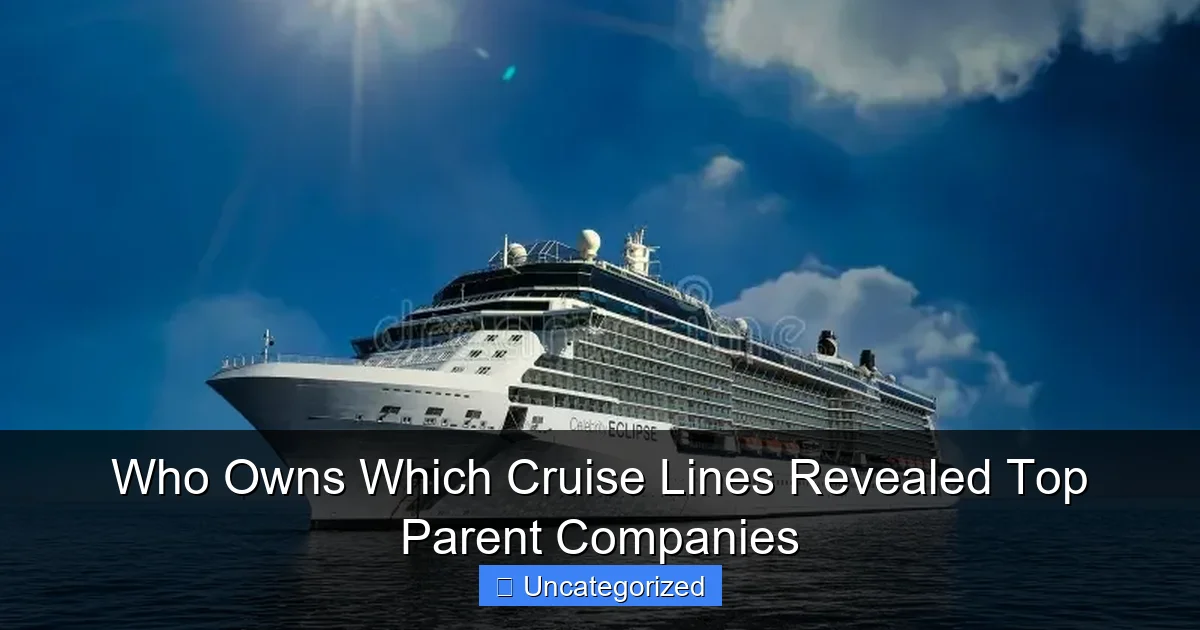
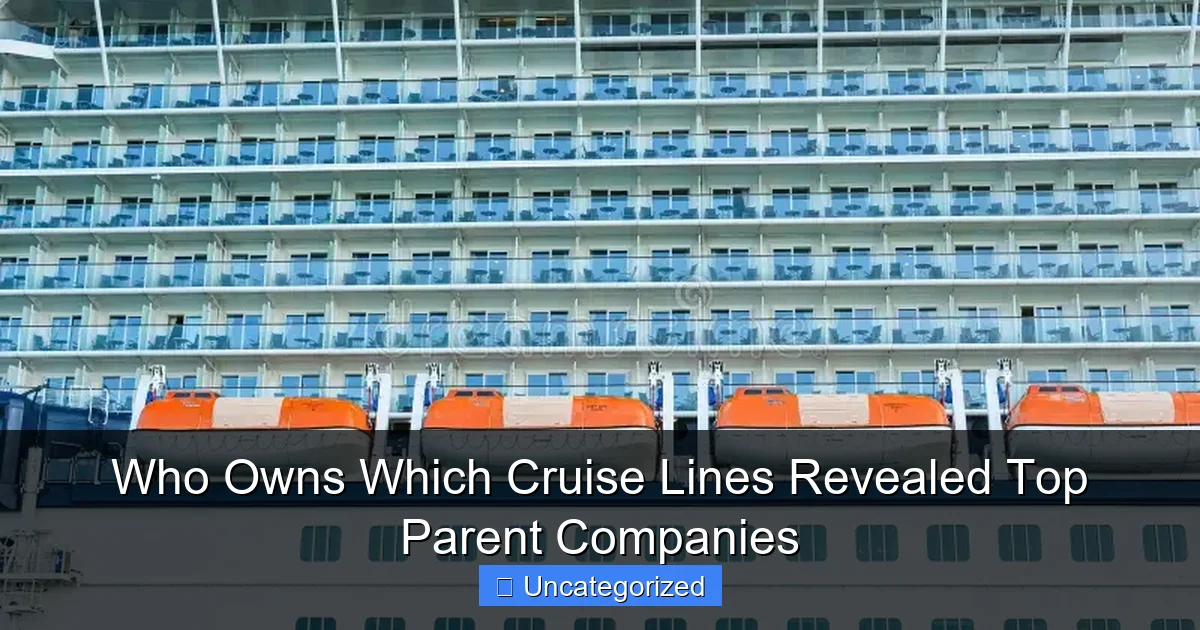
Visual guide about who owns which cruise lines
Image source: thumbs.dreamstime.com
Carnival Corporation & plc: The World’s Largest Cruise Operator
Carnival Corporation & plc is the undisputed leader in the cruise industry, operating 10 cruise brands across six continents. With a fleet of over 90 ships and annual revenue exceeding $20 billion, it’s the largest cruise company by market share. Founded in 1972, Carnival grew through aggressive expansion and acquisitions, including the 2003 merger with P&O Princess Cruises, which created the dual-listed structure (Carnival Corporation in the U.S. and Carnival plc in the U.K.).
- Carnival Cruise Line – The flagship brand known for fun-filled, family-friendly vacations with affordable pricing and a “Fun Ship” theme.
- Princess Cruises – A premium brand offering refined service, diverse itineraries (including Alaska and the Mediterranean), and the popular “MedallionClass” technology.
- Holland America Line – A heritage brand with over 150 years of history, focusing on longer voyages and cultural immersion.
- Seabourn – A luxury line offering all-suite accommodations, personalized service, and expedition cruises.
- AIDA Cruises – Germany’s largest cruise brand, known for vibrant, music-themed ships and European itineraries.
- P&O Cruises (UK and Australia) – Two distinct brands under one umbrella, catering to British and Australian travelers respectively.
- Costa Cruises – Italy’s leading cruise line, popular in Europe with Italian-style dining and entertainment.
- Cunard Line – A luxury brand with a storied history, operating iconic ships like Queen Mary 2 and Queen Elizabeth.
- Fathom – A short-lived social impact brand (now discontinued) that focused on volunteer travel and cultural exchange.
- P&O Cruises World Cruising – A niche brand offering world cruises and extended voyages.
Tip: If you’re booking a cruise with Carnival-owned brands, consider joining the Carnival World Rewards loyalty program. While each brand has its own program, they share reciprocal benefits, allowing you to earn and redeem points across multiple lines.
Royal Caribbean Group: Innovation and Global Reach
Royal Caribbean Group (RCG), headquartered in Miami, Florida, is the second-largest cruise company and a pioneer in ship design and onboard experiences. Known for its Quantum and Oasis class ships—some of the largest in the world—RCG has invested heavily in technology, sustainability, and destination development (e.g., Perfect Day at CocoCay).
- Royal Caribbean International – The flagship brand, famous for mega-ships with attractions like rock climbing walls, surf simulators, and robotic bars.
- Norwegian Cruise Line – Acquired in 2020, this brand emphasizes “Freestyle Cruising” with flexible dining, no fixed seating, and vibrant onboard entertainment.
- Celebrity Cruises – A premium brand focused on modern luxury, gourmet dining, and wellness-focused amenities.
- Silversea Cruises – A luxury line offering all-inclusive, small-ship experiences with butler service and curated excursions.
- TUI Cruises – A joint venture with TUI Group (Germany), targeting the German-speaking market with high-end, European-style cruising.
- Azamara – A boutique brand specializing in longer port stays, immersive cultural experiences, and destination-focused itineraries.
Example: The Wonder of the Seas, launched in 2022, is the largest cruise ship in the world and a hallmark of Royal Caribbean’s innovation. It features the Ultimate Abyss (a 10-story slide), Central Park (an open-air garden), and a suite neighborhood with private lounges.
Norwegian Cruise Line Holdings: The “Freestyle” Pioneer
Although Norwegian Cruise Line Holdings (NCLH) is now part of the Royal Caribbean Group, it maintains operational independence and a distinct brand identity. Founded in 1966, NCLH was a trailblazer in “Freestyle Cruising,” eliminating rigid dining schedules and formal dress codes. The company operates three brands, each targeting different luxury tiers.
- Norwegian Cruise Line – The core brand, offering flexible itineraries, diverse dining options, and innovative ships like the Norwegian Prima.
- Oceania Cruises – A premium line with small ships (600–1,200 guests), gourmet cuisine, and destination-rich itineraries.
- Regent Seven Seas Cruises – A luxury brand offering all-inclusive voyages with spacious suites, free airfare, and unlimited shore excursions.
Tip: When booking with NCLH brands, pay attention to their all-inclusive packages. Regent Seven Seas, for example, includes airfare, gratuities, and shore excursions in the base price—ideal for travelers who want a hassle-free experience.
Emerging and Niche Players: Smaller Parent Companies with Big Impact
While the Big Three dominate, a growing number of independent and niche parent companies are carving out unique spaces in the cruise market. These players often focus on luxury, sustainability, or experiential travel, appealing to discerning travelers who seek authenticity and exclusivity.
Viking: The Rise of a Luxury River and Ocean Cruise Leader
Viking, founded in 1997 by Norwegian entrepreneur Torstein Hagen, has rapidly expanded into one of the most respected names in luxury cruising. Originally focused on river cruises in Europe, Viking launched its ocean line in 2015 and now operates over 80 vessels across river, ocean, and expedition segments.
- Viking Ocean Cruises – Elegant mid-sized ships (930 guests) with Scandinavian design, cultural enrichment programs, and no kids’ clubs (adults-only).
- Viking River Cruises – The original brand, offering intimate, destination-focused river voyages in Europe, Asia, and Egypt.
- Viking Expedition Cruises – Launched in 2022, these ships explore remote regions like Antarctica and the Arctic with expert-led excursions.
Data Point: Viking’s ocean ships are consistently rated among the top in the Condé Nast Traveler Readers’ Choice Awards. Their focus on enrichment (e.g., onboard historians, language lessons) sets them apart from mass-market competitors.
Lindblad Expeditions: Adventure Meets Conservation
Lindblad Expeditions, a U.S.-based company founded in 1958, partners with National Geographic to offer expedition cruises with a strong emphasis on education and environmental stewardship. Their small ships (100–200 guests) access remote areas like the Galápagos, Patagonia, and the Amazon.
- Lindblad Expeditions – Operates expedition ships with National Geographic photographers, naturalists, and undersea specialists.
- National Geographic Expeditions – Co-branded voyages that combine adventure with storytelling and scientific research.
Tip: If you’re passionate about wildlife and conservation, Lindblad’s “Citizen Science” programs allow guests to assist researchers with data collection—a unique way to contribute while traveling.
MSC Cruises: The Fastest-Growing Independent Brand
MSC Cruises, part of the Mediterranean Shipping Company (MSC), is the largest privately owned cruise line in the world. Founded in 1987, it has grown rapidly through new ship construction and strategic partnerships (e.g., with Cirque du Soleil). MSC targets the European and North American markets with a mix of affordability and innovation.
- MSC Cruises – Known for large, family-friendly ships with extensive kids’ programs and European-style service.
- MSC Seaside and MSC Meraviglia – Modern ships with outdoor promenades, water parks, and digital concierge services.
- MSC World Europa – A LNG-powered ship (launched 2022) that reduces emissions and sets new standards for sustainability.
Example: MSC’s “MSC for Me” app uses wearable wristbands for contactless payments, wayfinding, and personalized recommendations—showcasing their tech-forward approach.
Regional and Specialty Ownership: How Geography Shapes Cruise Brands
Ownership isn’t just about corporate structure—it’s also influenced by regional preferences, cultural nuances, and local regulations. Some parent companies focus exclusively on specific markets, creating cruise lines tailored to regional tastes and travel habits.
Genting Hong Kong: Asia’s Cruise Powerhouse (Now Restructured)
Once a dominant force in Asian cruising, Genting Hong Kong operated multiple brands before financial difficulties led to restructuring. Its legacy includes:
- Dream Cruises – Targeted Asian travelers with large ships, Asian cuisine, and cultural entertainment.
- Star Cruises – The first cruise line in Asia (1993), focusing on short getaways from Singapore, Hong Kong, and Shanghai.
- Crystal Cruises – A luxury brand (now owned by A&K Travel Group) that Genting acquired in 2015.
Note: After Genting’s collapse in 2022, Crystal Cruises was acquired by A&K Travel Group, which relaunched it as an ultra-luxury brand in 2023 with new ships and itineraries.
Ponant: French Elegance and Polar Exploration
Compagnie du Ponant, founded in 1988, is a French-owned company specializing in luxury expedition and yacht-style cruising. With a fleet of small, ice-class ships, Ponant focuses on French-speaking travelers and unique itineraries (e.g., Arctic, Antarctica, French Polynesia).
- Ponant – Offers all-inclusive voyages with French gastronomy, bilingual crew, and eco-conscious practices.
- Ponant Yacht Cruises – Intimate ships (180–260 guests) with personalized service and exclusive ports.
Tip: Ponant’s “Blue Horizon” program uses hybrid propulsion and wastewater treatment systems to minimize environmental impact—ideal for eco-conscious travelers.
How Ownership Affects Your Cruise Experience
Understanding who owns which cruise lines goes beyond brand names—it impacts everything from service quality to sustainability efforts. Here’s how corporate ownership shapes your vacation:
Shared Technology and Infrastructure
Parent companies often centralize operations, allowing brands to share resources. For example:
- Royal Caribbean Group uses the same reservation system (Royal IQ) across all brands, enabling seamless loyalty point transfers.
- Carnival Corporation developed the “MedallionClass” platform for Princess and Carnival ships, offering wearable tech for contactless payments and personalized service.
Sustainability and Environmental Policies
Corporate ownership drives environmental initiatives. For instance:
- MSC Cruises invested in LNG-powered ships to reduce emissions.
- Royal Caribbean Group launched the “Destination Net Zero” plan to achieve carbon neutrality by 2050.
Service Standards and Training
Training programs are often centralized. Carnival’s “Carnival University” trains crew for all its brands, ensuring consistent service quality. Similarly, Norwegian’s “Freestyle” philosophy is embedded across its fleet.
Data Table: Top Parent Companies and Key Metrics (2023)
| Parent Company | Brands | Fleet Size | Market Focus | Notable Innovation |
|---|---|---|---|---|
| Carnival Corporation & plc | 10 | 90+ | Global (mass-market to luxury) | MedallionClass wearable tech |
| Royal Caribbean Group | 6 | 60+ | Global (innovation-focused) | Oasis-class mega-ships |
| Norwegian Cruise Line Holdings | 3 | 30+ | Premium to luxury | Freestyle Cruising |
| MSC Cruises | 1 | 20+ | Europe, North America | LNG-powered ships |
| Viking | 3 | 80+ | Adults-only luxury | Cultural enrichment programs |
Conclusion: Choose Your Cruise with Ownership in Mind
Now that you know who owns which cruise lines, you’re equipped to make more informed travel choices. Whether you’re drawn to the innovation of Royal Caribbean, the luxury of Viking, or the sustainability of Lindblad, understanding the parent company behind your cruise can enhance your experience. Ownership affects service standards, technology, environmental practices, and even loyalty programs—factors that go beyond the glossy brochures.
As the cruise industry evolves, consolidation and specialization will continue. New players like A&K Travel Group (owner of Crystal Cruises) and sustainability-focused brands like Ponant are reshaping the landscape. For travelers, this means more options, higher standards, and greater accountability. So next time you book a cruise, take a moment to research the parent company. You might just discover a hidden advantage—like shared loyalty benefits, eco-friendly ships, or a corporate commitment to cultural preservation. In the world of cruising, knowledge isn’t just power—it’s the key to unforgettable adventures.
Frequently Asked Questions
Who owns the major cruise lines in the industry?
The top parent companies in cruising include Carnival Corporation & plc, Royal Caribbean Group, and Norwegian Cruise Line Holdings. These three corporations control over 70% of the global cruise market through multiple brands like Carnival, Royal Caribbean International, and Norwegian Cruise Line.
Is Royal Caribbean owned by Carnival Corporation?
No, Royal Caribbean Group and Carnival Corporation are separate, publicly traded competitors. Royal Caribbean Group owns Royal Caribbean International, Celebrity Cruises, and Silversea, while Carnival Corporation operates Carnival Cruise Line, Princess Cruises, and Holland America Line.
Which parent company owns the most cruise lines?
Carnival Corporation & plc owns the most cruise lines, including nine major brands like Carnival, Princess, Holland America, Seabourn, and Costa. This diversification allows them to target different market segments from budget to luxury travelers.
What cruise lines are owned by Norwegian Cruise Line Holdings?
Norwegian Cruise Line Holdings owns three brands: Norwegian Cruise Line (mainstream), Oceania Cruises (upper-premium), and Regent Seven Seas Cruises (luxury). The parent company focuses on differentiated experiences across its portfolio.
Are smaller cruise lines like Viking or Virgin Voyages owned by larger corporations?
Viking Cruises is independently owned, while Virgin Voyages is a subsidiary of Virgin Group. Both operate outside the “Big Three” parent companies but compete in the premium and luxury segments.
How do I find out who owns a specific cruise line?
Check the cruise line’s corporate website or financial filings (for public companies like Carnival or Royal Caribbean Group). Many brands also disclose ownership in their “About Us” section or press releases, especially during mergers or rebranding efforts.