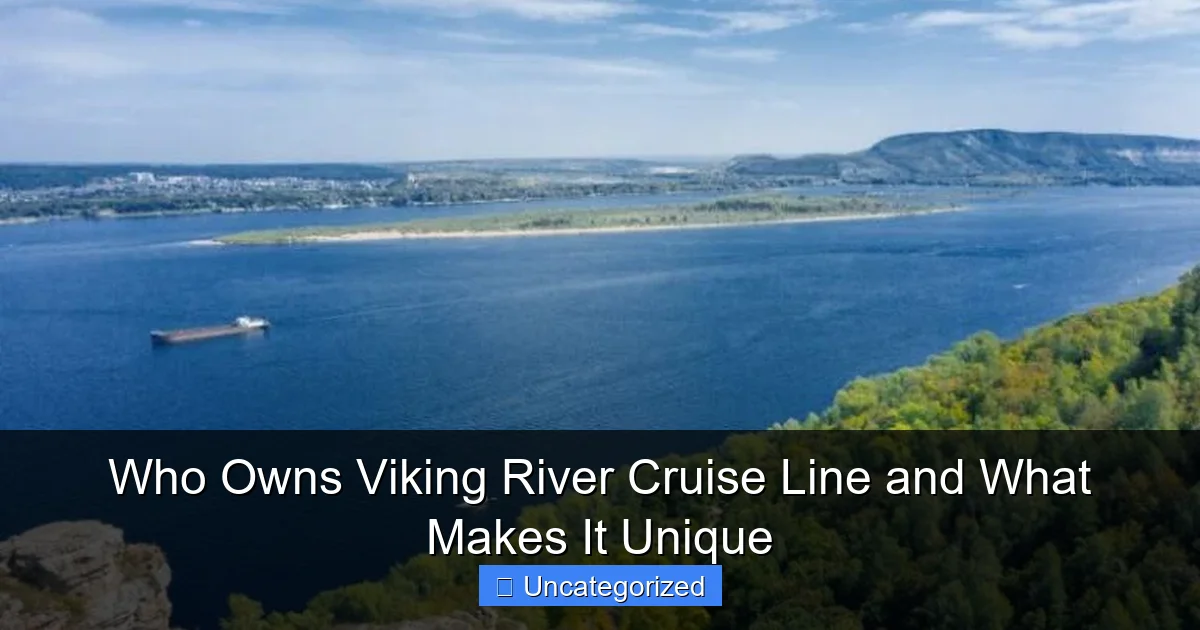
Featured image for who owns viking river cruise line
Image source: cruisemummy.co.uk
Viking River Cruise Line is owned by Viking Cruises, a privately held company founded by Norwegian entrepreneur Torstein Hagen. Headquartered in Switzerland, the brand has grown into a global leader in river and ocean cruising, known for its adults-only, culturally immersive experiences and elegantly designed, intimate ships that access smaller ports larger vessels can’t reach.
Key Takeaways
- Viking River Cruises is owned by Torstein Hagen, a Norwegian billionaire with deep industry expertise.
- Hagen founded Viking in 1997, aiming to revolutionize river cruising with cultural immersion.
- Viking is privately held, ensuring consistent quality and customer-centric decisions.
- Ownership under Hagen ensures brand consistency across river, ocean, and expedition cruises.
- Viking’s ownership prioritizes innovation, from longships to cutting-edge sustainability initiatives.
📑 Table of Contents
- Who Owns Viking River Cruise Line and What Makes It Unique
- The Visionary Behind Viking: Torstein Hagen
- The Viking Fleet: Engineering Elegance and Efficiency
- What Makes Viking River Cruises Unique?
- Expansion Beyond Europe: Viking’s Global Reach
- Sustainability and Community Engagement
- The Viking Experience: Why Travelers Keep Returning
Who Owns Viking River Cruise Line and What Makes It Unique
Imagine gliding along the serene waters of the Rhine, Seine, or Mekong, where ancient castles, vineyards, and charming villages line the banks. This is the world of Viking River Cruise Line, a name synonymous with luxury, culture, and immersive travel experiences. But who stands behind this global phenomenon that has redefined river cruising? The answer lies not with a faceless corporation but with a visionary entrepreneur whose passion for exploration and education has shaped an entire industry. Viking River Cruises is owned by Torstein Hagen, a Norwegian-born businessman who founded the company in 1997. Hagen, a former executive at Royal Viking Line, brought decades of maritime expertise to his new venture, aiming to create a cruise experience that prioritized cultural enrichment over entertainment.
What sets Viking apart is its relentless focus on delivering destination-centric voyages. Unlike traditional cruise lines that prioritize onboard activities, Viking’s philosophy is simple: the river is the destination. This approach has attracted millions of travelers, including a growing number of first-time cruisers, to its elegant vessels. From its Scandinavian-inspired design to its all-inclusive pricing model, Viking has carved a niche in the competitive cruise market. But ownership is just one piece of the puzzle. This blog post dives deep into the story behind Viking River Cruises, exploring its ownership structure, unique business model, and the innovations that have made it a leader in the river cruise industry.
The Visionary Behind Viking: Torstein Hagen
From Royal Viking Line to Viking River Cruises
Torstein Hagen’s journey into the cruise industry began with Royal Viking Line, where he served as CEO during its golden era in the 1980s. Known for his innovative thinking, Hagen pioneered the concept of “destination cruising,” emphasizing ports of call over onboard glitz. After Royal Viking Line’s decline, Hagen saw an opportunity to revolutionize river cruising. In 1997, he founded Viking River Cruises with a modest fleet of four vessels, focusing on Europe’s most iconic waterways. His goal was to create a cruise line that felt more like a moving boutique hotel than a floating resort.
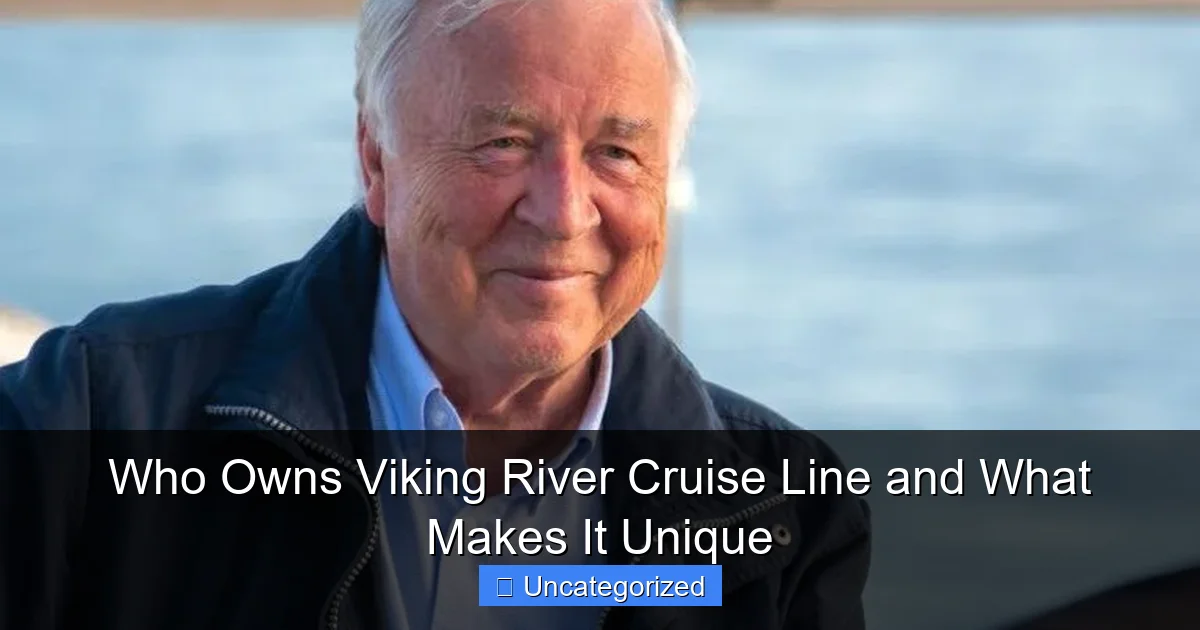
Visual guide about who owns viking river cruise line
Image source: cruisemummy.co.uk
Leadership Philosophy and Company Culture
Hagen’s leadership style is deeply rooted in Scandinavian values: simplicity, efficiency, and respect for nature. He famously avoids flashy marketing, instead relying on word-of-mouth and repeat customers. Viking’s “no nickel-and-diming” policy—where drinks, Wi-Fi, and shore excursions are included—reflects his belief in transparency and value. Under Hagen’s guidance, Viking has grown from a niche player to a global brand with over 80 river vessels and 10 ocean ships. Notably, Hagen remains actively involved in the company, serving as Chairman, while his daughter, Karine Hagen, contributes as an Executive Vice President and onboard cultural expert.
Practical Tip:
- For first-time cruisers: Viking’s all-inclusive pricing eliminates budget surprises. Unlike competitors, tips, gratuities, and even premium wines are covered.
The Viking Fleet: Engineering Elegance and Efficiency
Design Philosophy: Scandinavian Minimalism Meets Functionality
Viking’s river ships are a masterclass in design. Unlike the ornate interiors of many competitors, Viking vessels feature clean lines, neutral tones, and floor-to-ceiling windows. The “Scandinavian design” aesthetic isn’t just about looks—it’s engineered for comfort. For example, the Viking Longships, introduced in 2012, use a patented “long and narrow” hull to navigate Europe’s shallow rivers, while their solar panels reduce environmental impact. Each ship has a capacity of 190 guests, ensuring an intimate, uncrowded experience.
Onboard Amenities: Less is More
Viking’s ships lack casinos, nightclubs, and kids’ zones—features Hagen considers distractions. Instead, you’ll find:
- The Aquavit Terrace: A glass-enclosed lounge for al fresco dining.
- The Library: Stocked with books on destinations, curated by Karine Hagen.
- The Restaurant: Offers regionally inspired cuisine, like French onion soup on the Seine or German schnitzel on the Danube.
This focus on “less but better” aligns with Viking’s target demographic: affluent, culturally curious travelers aged 50+.
Case Study:
A 2022 passenger survey revealed that 89% of Viking guests rated the ship’s design as “excellent” or “outstanding,” citing spacious cabins and quiet public areas as key factors.
What Makes Viking River Cruises Unique?
Destination-Centric Itineraries
Viking’s itineraries are meticulously crafted to maximize cultural immersion. Unlike ocean cruises, which often spend days at sea, Viking’s river voyages dock at multiple ports daily. For example, the “Romantic Danube” cruise includes stops in Passau, Linz, and Vienna, with guided tours to UNESCO World Heritage Sites like the Wachau Valley. Viking partners with local experts to offer “Cultural Highlights” excursions, such as a private concert in a Viennese palace or a visit to a family-owned vineyard in Burgundy.
All-Inclusive Pricing Model
Viking’s pricing strategy is a game-changer. While competitors advertise low base fares but charge for drinks, excursions, and Wi-Fi, Viking includes:
- All shore excursions (with optional “Enrichment” upgrades).
- Unlimited beer, wine, and soft drinks with meals.
- Complimentary 24-hour specialty coffee and tea service.
- Free Wi-Fi (a rarity in river cruising).
This model has proven so successful that rivals like AmaWaterways and Scenic have adopted similar policies.
Data Table: Viking vs. Competitors (2023 Pricing Comparison)
| Cruise Line | Base Fare (7-Day Rhine Cruise) | Excursions Included? | Drinks Included? | Wi-Fi Included? |
|---|---|---|---|---|
| Viking River Cruises | $3,499 | Yes (all) | Yes (with meals) | Yes |
| AmaWaterways | $2,999 | Yes (some) | No | No |
| Uniworld | $4,599 | Yes (all) | Yes (all) | Yes |
Practical Tip:
- For budget-conscious travelers: Viking’s all-inclusive model often results in lower total costs. Use the “Price Comparison Calculator” on their website to compare.
Expansion Beyond Europe: Viking’s Global Reach
Asia and Africa: Untapped Markets
While Europe remains Viking’s stronghold, the company has aggressively expanded into Asia and Africa. In 2017, Viking launched the Viking Mekong, a 38-cabin ship offering voyages through Vietnam and Cambodia. The itinerary includes a private tour of Angkor Wat and a cooking class in Hoi An. Similarly, the Viking Osiris (2022) and Viking Aton (2023) now cruise Egypt’s Nile River, with stops at the Valley of the Kings and Luxor Temple. These expansions target travelers seeking “bucket-list” experiences beyond Europe.
Ocean Cruises: The Viking Ocean Fleet
In 2015, Viking entered the ocean cruise market with the Viking Star, a 930-passenger ship designed to mimic the intimacy of a river vessel. The ocean fleet now includes 10 ships, offering itineraries to Antarctica, the Mediterranean, and even the Great Lakes. A standout feature is the “Viking Resident Historian” program, where scholars give lectures on topics like Viking sagas or ancient Greek mythology.
Case Study:
Viking’s Nile cruises saw a 40% increase in bookings after partnering with Egyptologist Dr. Zahi Hawass for onboard talks, demonstrating the power of expert-led enrichment.
Sustainability and Community Engagement
Eco-Friendly Innovations
Viking has committed to reducing its carbon footprint through:
- Solar panels on all Longships.
- Hybrid propulsion systems on newer vessels.
- Zero single-use plastics policy.
The company also partners with the World Wildlife Fund (WWF) to protect endangered species in the Amazon, where Viking operates the Viking Mississippi.
Supporting Local Communities
Viking’s “Local Life” excursions prioritize small businesses. For example, on the “Grand France” cruise, guests visit a family-run goat farm in Provence or a cooperage in Bordeaux. In 2021, Viking launched a $1 million fund to support artisans along its routes, such as glassblowers in Venice and weavers in Uzbekistan.
Practical Tip:
- For eco-conscious travelers: Look for Viking’s “Green Itineraries,” which offset 100% of carbon emissions through reforestation projects.
The Viking Experience: Why Travelers Keep Returning
Viking River Cruise Line’s success isn’t accidental—it’s the result of Torstein Hagen’s unwavering vision, a fleet designed for comfort and sustainability, and an all-inclusive model that eliminates stress. Whether you’re sipping Riesling in a German vineyard, exploring ancient temples in Cambodia, or learning about Norse mythology in a cozy lounge, Viking offers a travel experience that feels both luxurious and authentic. The company’s expansion into new markets and commitment to cultural enrichment ensure it will remain a leader in river cruising for years to come.
What truly sets Viking apart is its ability to make every journey feel personal. From the moment you board a Viking ship, you’re not just a passenger—you’re a guest in a floating home, where every detail is tailored to deepen your connection to the world. As Hagen himself once said, “Travel is the best education.” With Viking River Cruises, that education comes with a side of elegance, comfort, and unforgettable memories.
Frequently Asked Questions
Who owns Viking River Cruise Line?
Viking River Cruise Line is owned by Viking Cruises, a privately held company founded in 1997 by Torstein Hagen, a Norwegian entrepreneur and former CEO of Royal Viking Line. The company operates under the parent brand Viking, which includes ocean, river, and expedition cruises.
Is Viking River Cruise Line part of a larger cruise corporation?
No, Viking River Cruise Line remains independently owned by its parent company, Viking Cruises, with no affiliations to major cruise corporations like Carnival or Royal Caribbean. This independence allows Viking to maintain its focus on destination-centric, culturally immersive experiences.
What makes Viking River Cruise Line unique compared to other river cruise brands?
Viking’s ownership under Torstein Hagen emphasizes a philosophy of “exploring the world in comfort,” with a strong focus on enrichment programs, Scandinavian design, and no children onboard. Their all-inclusive model, featuring included excursions and regional dining, sets them apart in the river cruise line industry.
Does Viking River Cruise Line share ownership with Viking Ocean Cruises?
Yes, both Viking River and Viking Ocean Cruises are owned by the same parent company, Viking Cruises. While they operate as separate divisions, they share the same ownership, branding, and core values of cultural exploration and understated luxury.
How has Viking River Cruise Line’s ownership influenced its growth?
Under private ownership, Viking River Cruise Line has expanded rapidly, launching new ships and itineraries annually without the constraints of public shareholders. This agility has solidified its position as a leader in the river cruise line market, particularly in Europe.
Are Viking River Cruise Line ships owned by third-party investors?
No, Viking Cruises owns and operates its entire fleet directly, ensuring consistent quality and service standards. This vertical integration under one owner avoids third-party leasing or partnerships common in other cruise lines.