Featured image for who owns the different cruise lines
Image source: premiumcruiseholidays.com.au
The cruise industry is dominated by three major parent companies: Carnival Corporation, Royal Caribbean Group, and Norwegian Cruise Line Holdings. These global giants own well-known brands like Carnival Cruise Line, Princess Cruises, Royal Caribbean International, Celebrity Cruises, Norwegian Cruise Line, and more—revealing a tightly controlled market behind the scenes. Understanding these ownership structures helps travelers see how pricing, service, and innovation flow from a few key players shaping the high seas.
Key Takeaways
- Carnival Corporation owns 9 major cruise brands, including Princess and Holland America.
- Royal Caribbean Group operates Royal Caribbean, Celebrity, and Silversea under one umbrella.
- Norwegian Cruise Line Holdings controls Norwegian, Oceania, and Regent Seven Seas Cruises.
- MSC Cruises is family-owned, expanding rapidly with new luxury and eco-friendly ships.
- Disney Cruise Line remains fully owned by Disney, offering exclusive family-themed voyages.
- Smaller brands like Viking are privately held, focusing on niche markets and experiences.
📑 Table of Contents
- Who Owns the Different Cruise Lines Revealed
- Major Cruise Conglomerates: The Big Three and Beyond
- Independent and Niche Cruise Line Owners
- Ownership Impact: How Parent Companies Shape Your Cruise Experience
- Ownership Changes: Mergers, Acquisitions, and Industry Trends
- Data Table: Major Cruise Line Ownership Overview
- Conclusion: Choosing the Right Cruise Line Starts with Knowing the Owner
Who Owns the Different Cruise Lines Revealed
When you step aboard a luxurious cruise ship, the experience often feels like a seamless escape from reality. From gourmet dining and Broadway-style shows to exotic destinations and state-of-the-art amenities, the cruise industry delivers unforgettable vacations for millions of travelers each year. But behind the glittering decks and polished service lies a complex web of corporate ownership, mergers, and global brands. Have you ever wondered who owns the different cruise lines that sail the seven seas?
Understanding cruise line ownership isn’t just a matter of trivia—it’s essential for travelers who want to make informed decisions. Whether you’re comparing value, service standards, or environmental practices, knowing the corporate parent behind a cruise brand can reveal a lot. For example, one parent company may own multiple brands targeting different demographics, from budget-friendly getaways to ultra-luxury expeditions. Others may focus on regional dominance or niche markets like river cruising or expedition voyages. In this in-depth exploration, we’ll peel back the layers of the cruise industry to reveal the key players, their portfolios, and how ownership impacts your vacation experience.
Major Cruise Conglomerates: The Big Three and Beyond
The cruise industry is dominated by a few powerful parent companies that control the majority of the market. These conglomerates own multiple cruise brands, each tailored to specific customer segments. Understanding these ownership structures helps clarify why certain cruise lines share similarities in service, technology, or even onboard experiences—despite appearing to be competitors.

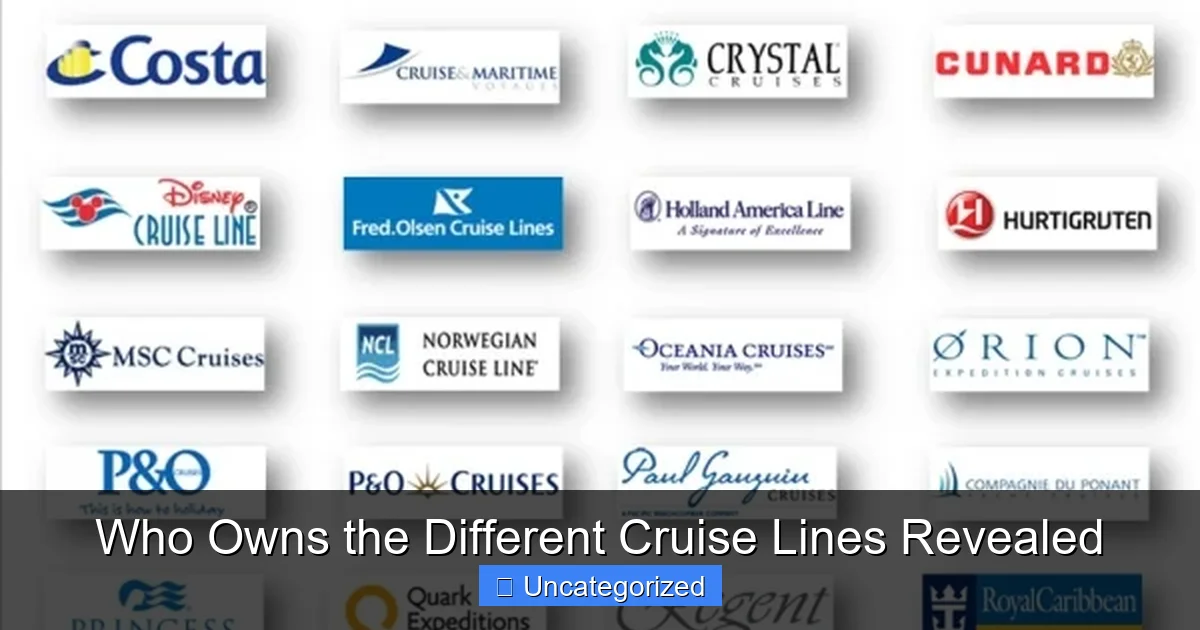
Visual guide about who owns the different cruise lines
Image source: thumbs.dreamstime.com
Carnival Corporation & plc: The World’s Largest Cruise Operator
Founded in 1972 and headquartered in Miami, Florida, Carnival Corporation & plc is the largest cruise company in the world by fleet size and passenger volume. It operates under a dual-listed structure with Carnival plc (UK), allowing it to be publicly traded in both the U.S. and Europe. This unique setup gives the company financial flexibility and a strong global presence.
Carnival Corporation owns 10 major cruise brands, including:
- Carnival Cruise Line – The flagship brand known for fun, family-friendly, and affordable Caribbean cruises.
- Princess Cruises – A premium brand with a focus on scenic destinations, including Alaska and the Panama Canal.
- Holland America Line – A legacy brand offering refined, traditional cruising with a strong emphasis on service and itineraries.
- Seabourn – An ultra-luxury brand with all-suite ships and personalized service.
- Costa Cruises – An Italian brand popular in Europe, especially with Mediterranean and Northern Europe itineraries.
- AIDA Cruises – A German brand focused on younger, more energetic travelers with a party atmosphere.
- Cunard Line – A historic British brand known for transatlantic crossings and formal elegance.
- P&O Cruises (UK and Australia) – Regional brands serving the British and Australian markets, respectively.
- Oceania Cruises – A premium, small-ship brand emphasizing gourmet dining and destination immersion.
- Windstar Cruises – A luxury small-ship line with sailing yachts and motorized vessels.
Pro Tip: If you’re comparing Carnival, Princess, and Holland America, remember they share corporate resources like IT systems, loyalty programs (e.g., OceanMedallion), and even some crew training. However, each brand maintains a distinct culture and guest experience—researching the brand, not just the parent, is key.
Royal Caribbean Group: Innovation and Global Reach
Headquartered in Miami, Royal Caribbean Group (formerly Royal Caribbean Cruises Ltd.) is the second-largest cruise company globally. Known for its innovation, the group operates three primary brands and has a strategic partnership with another.
The group’s core brands include:
- Royal Caribbean International – The flagship brand, famous for mega-ships like Icon of the Seas and Symphony of the Seas, featuring surf simulators, robotic bars, and skydiving simulators.
- Royal Caribbean Cruises (Silversea) – Acquired in 2018, Silversea Cruises is an ultra-luxury, all-inclusive line with small ships and expedition voyages to remote destinations.
- TUI Cruises – A 50/50 joint venture with TUI Group (Germany), catering to German-speaking travelers with a modern, relaxed onboard atmosphere.
Additionally, Royal Caribbean Group owns a 67% stake in Dream Cruises (now rebranded as Resorts World Cruises), a brand targeting the Asian market with luxury and entertainment-focused experiences.
Practical Insight: Royal Caribbean’s focus on technology and guest experience is evident across its brands. For example, the Royal App and Smart Check-In systems are now standard, even on Silversea ships. If you value innovation and cutting-edge amenities, Royal Caribbean Group brands are strong contenders.
Norwegian Cruise Line Holdings: The “Freestyle” Pioneer
Norwegian Cruise Line Holdings Ltd. (NCLH) is the third major player in the cruise industry, known for its “freestyle cruising” concept—no assigned dining times, flexible schedules, and a more casual atmosphere. Headquartered in Miami, NCLH operates three distinct brands, each serving different market segments.
Its portfolio includes:
- Norwegian Cruise Line (NCL) – The main brand, offering a wide range of itineraries from the Caribbean to Europe, with a focus on affordability and flexibility.
- Oceania Cruises – A premium, small-ship brand with a strong emphasis on culinary excellence, destination-focused itineraries, and mid-range luxury.
- Regent Seven Seas Cruises – An all-inclusive, ultra-luxury brand where nearly everything (including airfare, excursions, and drinks) is included in the fare.
Interestingly, while Carnival Corporation owns Oceania Cruises, NCLH owns Regent Seven Seas. However, in 2023, Carnival Corporation acquired the remaining shares of Oceania from NCLH, making it a Carnival-owned brand. This strategic shift highlights how ownership can shift due to market dynamics and corporate strategy.
Traveler Tip: If you’re considering Regent Seven Seas, remember its all-inclusive model can offer better value for luxury travelers who enjoy excursions, premium wines, and fine dining. However, the price point is significantly higher than NCL or even Oceania.
Independent and Niche Cruise Line Owners
While the Big Three control the bulk of the market, numerous independent and niche cruise lines operate under different ownership structures. These brands often focus on specific regions, travel styles, or customer demographics, offering unique experiences that larger conglomerates can’t replicate.
Luxury and Expedition: Small-Ship Specialists
Several high-end cruise lines are independently owned or operate under private equity, allowing them greater flexibility to innovate and maintain exclusivity.
- Lindblad Expeditions – Owned by National Geographic Partners (a joint venture between The Walt Disney Company and the National Geographic Society), Lindblad specializes in eco-conscious, educational expedition cruises. Ships are equipped with National Geographic experts, undersea cameras, and kayaks for close encounters with wildlife.
- Hurtigruten Expeditions – Now part of Hurtigruten Group, this Norwegian company focuses on sustainable Arctic and Antarctic expeditions. It rebranded from Hurtigruten to emphasize its expedition focus, with ships featuring science labs and citizen science programs.
- Scenic Luxury Cruises & Tours – Owned by the Scenic Group (Australia), this brand offers all-inclusive river and ocean cruises with private balconies and butler service. Its ocean ships feature the “Scenic Space-Slide,” a retractable platform for launching water sports.
- Azamara – Formerly owned by Royal Caribbean, Azamara was sold to Sycamore Partners, a private equity firm, in 2021. It now operates independently, focusing on destination immersion with longer stays and overnight port visits.
Why It Matters: Independent ownership often means more personalized service and fewer corporate constraints. For example, Lindblad’s partnership with National Geographic allows it to offer unique educational programming not found on mass-market lines.
River and Coastal Cruising: Regional Focus
River cruising is a growing sector, with many operators owned by regional or family-run companies. Unlike ocean giants, river cruise lines often operate on smaller, specialized ships designed for navigating narrow waterways.
- Viking Cruises – Founded by Torstein Hagen, Viking is privately owned and operates both river and ocean ships. It’s known for its Scandinavian-inspired design, no-kids policy, and destination-focused itineraries. Viking is one of the few major river cruise lines not owned by a conglomerate.
- AmaWaterways – Family-owned by the Duthoit family, AmaWaterways focuses on European rivers and Southeast Asia. It offers active excursions like biking and hiking, along with wellness programs.
- Emerald Cruises – Owned by the Emerald Group (Australia), this brand offers river and yacht-style coastal cruises in Europe, the Adriatic, and the Mekong.
- American Cruise Lines – A U.S.-based, family-owned company that operates small ships along American rivers and coastlines, including the Mississippi and Columbia Rivers.
Traveler Insight: If you prefer intimate, culturally immersive experiences, independent river cruise lines often outperform larger brands in service quality and itinerary depth. Viking’s no-kids policy, for instance, appeals to adults seeking a quiet, sophisticated atmosphere.
Specialty and Themed Cruise Lines
Some cruise lines cater to niche interests, from music festivals to LGBTQ+ communities. These brands are often owned by private investors or entertainment companies.
- Virgin Voyages – Owned by Virgin Group (Richard Branson), this brand targets millennials and Gen Z with a “no kids, no buffet” policy, vibrant nightlife, and a tech-forward app experience.
- Atlas Ocean Voyages – Owned by Atlas Oceanic Holdings, this luxury expedition line focuses on polar regions and remote destinations with small, ice-class ships.
- Music and Themed Cruises (e.g., Sixthman) – Sixthman, a subsidiary of Carnival Corporation, organizes music-themed cruises with artists like KISS and Zac Brown Band. These are charter operations, not traditional cruise lines.
Pro Tip: Themed cruises often book out years in advance. If you’re interested, join mailing lists early and set alerts for when cabins go on sale.
Ownership Impact: How Parent Companies Shape Your Cruise Experience
Understanding who owns a cruise line goes beyond corporate trivia—it directly impacts your vacation. Parent companies influence everything from pricing and service standards to sustainability practices and technological innovation.
Brand Differentiation vs. Shared Resources
While parent companies own multiple brands, they strategically differentiate them to avoid cannibalizing their own market. For example:
- Norwegian Cruise Line (budget-friendly, casual) vs. Regent Seven Seas (ultra-luxury, all-inclusive) – Same parent, vastly different experiences.
- Princess Cruises (premium, scenic) vs. Holland America Line (traditional, refined) – Both under Carnival, but with distinct onboard cultures.
However, shared resources can be a benefit. Carnival’s MedallionClass technology (wearable OceanMedallion) is now available across Princess, Carnival, and Holland America, offering seamless check-in, keyless room entry, and personalized service.
Environmental and Sustainability Initiatives
Parent companies often lead sustainability efforts. For example:
- Royal Caribbean Group has committed to net-zero emissions by 2050, investing in LNG-powered ships and advanced wastewater treatment.
- Carnival Corporation launched the “Green Marine” program, aiming to reduce emissions by 40% by 2030.
- Norwegian Cruise Line Holdings is testing biofuels and shore power connections to reduce port emissions.
Independent brands like Lindblad and Hurtigruten are often pioneers in eco-tourism, with carbon-neutral voyages and strict wildlife interaction guidelines.
Technology and Innovation
Large conglomerates have the capital to invest in cutting-edge technology. Royal Caribbean’s Icon of the Seas features the first floating roller coaster at sea, while Carnival’s MedallionNet offers high-speed Wi-Fi across its fleet. Smaller lines may lag in tech but excel in personalized service.
Traveler Tip: If you value tech amenities like app-based navigation or in-room tablets, opt for brands under Royal Caribbean or Carnival. For a more intimate, low-tech experience, consider independents like Viking or AmaWaterways.
Ownership Changes: Mergers, Acquisitions, and Industry Trends
The cruise industry is dynamic, with frequent ownership changes driven by economic shifts, market competition, and strategic growth. Understanding these trends helps predict future developments.
Recent Mergers and Acquisitions
- Carnival’s Acquisition of Oceania (2023) – Carnival bought the remaining shares of Oceania from NCLH, consolidating its luxury portfolio.
- Royal Caribbean’s Stake in Silversea (2018) – Acquired from the Lefebvre family, this move strengthened Royal’s ultra-luxury presence.
- Hurtigruten’s Rebranding (2020) – Shifted focus from coastal Norway to global expedition cruises, backed by private equity.
Emerging Trends: Sustainability, Digitalization, and Niche Markets
- Sustainability – Parent companies are investing in green technologies to meet consumer demand and regulatory pressure.
- Digitalization – Apps, AI, and wearable tech are becoming standard, especially in conglomerate-owned brands.
- Niche Markets – Independent brands are thriving in expedition, river, and themed cruising, where personalization matters.
Future Outlook: Expect more consolidation in the luxury and expedition sectors, as smaller players seek the resources of larger companies to survive post-pandemic challenges.
Data Table: Major Cruise Line Ownership Overview
| Parent Company | Headquarters | Key Brands | Fleet Size (Approx.) | Market Focus |
|---|---|---|---|---|
| Carnival Corporation & plc | Miami, USA / Southampton, UK | Carnival, Princess, Holland America, Seabourn, Costa, AIDA, Cunard, P&O, Oceania, Windstar | 90+ ships | Mass-market to ultra-luxury |
| Royal Caribbean Group | Miami, USA | Royal Caribbean, Silversea, TUI Cruises, Resorts World Cruises | 60+ ships | Innovation, luxury, global reach |
| Norwegian Cruise Line Holdings | Miami, USA | Norwegian, Regent Seven Seas | 30+ ships | Freestyle, premium, all-inclusive |
| Viking Cruises (Private) | Basel, Switzerland | Viking Ocean, Viking River | 80+ ships | Adult-focused, destination immersion |
| Lindblad Expeditions (Nat Geo) | New York, USA | Lindblad Expeditions | 15+ ships | Eco-conscious, educational |
Conclusion: Choosing the Right Cruise Line Starts with Knowing the Owner
The cruise industry may appear as a collection of independent vacation brands, but beneath the surface lies a tightly woven network of corporate ownership. From Carnival’s sprawling portfolio to Royal Caribbean’s tech-driven innovation and the niche focus of independent players like Viking and Lindblad, who owns the different cruise lines plays a crucial role in shaping your travel experience.
By understanding the parent companies, you gain insight into service standards, technological capabilities, sustainability commitments, and even loyalty program integrations. Whether you’re seeking a family-friendly mega-ship adventure, a serene river cruise through Europe, or an eco-conscious expedition to Antarctica, knowing the ownership structure helps you align your vacation with your values and expectations.
As the industry evolves—through mergers, sustainability mandates, and digital transformation—staying informed about ownership trends ensures you’re not just booking a cruise, but investing in a brand that delivers on its promises. So the next time you browse cruise deals, look beyond the glossy brochures. Ask: Who owns this cruise line? The answer might just make your next voyage even more extraordinary.
Frequently Asked Questions
Who owns the different cruise lines in the industry?
The cruise industry is dominated by a few major parent companies. For example, Carnival Corporation & plc owns Carnival Cruise Line, Princess Cruises, and Holland America, while Royal Caribbean Group owns Royal Caribbean International, Celebrity Cruises, and Silversea.
Is Norwegian Cruise Line owned by a larger company?
Norwegian Cruise Line (NCL) is the flagship brand of Norwegian Cruise Line Holdings Ltd., which also owns Oceania Cruises and Regent Seven Seas Cruises. The company operates independently but has partnerships with global investors.
Who owns Royal Caribbean and its sister cruise lines?
Royal Caribbean International, Celebrity Cruises, and Silversea Cruises are all owned by the Royal Caribbean Group. The group also holds a majority stake in TUI Cruises and Hapag-Lloyd Cruises in Europe.
Does Carnival Corporation own Disney Cruise Line?
No, Disney Cruise Line is fully owned by The Walt Disney Company and operates separately from Carnival Corporation. While Carnival is a giant in the industry, Disney remains an independent player with a family-focused brand.
Who owns the luxury cruise lines like Regent and Oceania?
Luxury brands Regent Seven Seas Cruises and Oceania Cruises are both owned by Norwegian Cruise Line Holdings Ltd. These lines cater to high-end travelers with all-inclusive experiences and smaller ships.
Are any major cruise lines publicly traded companies?
Yes, several parent companies of top cruise lines are publicly traded, including Carnival Corporation (CCL), Royal Caribbean Group (RCL), and Norwegian Cruise Line Holdings (NCLH). Their stock performance often reflects broader travel industry trends.