Featured image for who operates norwegian cruise lines
Image source: c8.alamy.com
Norwegian Cruise Line Holdings Ltd. (NCLH) operates Norwegian Cruise Lines, overseeing its fleet, itineraries, and brand strategy as a publicly traded company listed on the NYSE. Headquartered in Miami, Florida, NCLH also manages sister brands Oceania Cruises and Regent Seven Seas Cruises, solidifying its position as a global leader in premium and luxury cruising. The company’s innovative “Freestyle Cruising” model sets it apart, offering passengers unmatched flexibility and diverse onboard experiences.
Key Takeaways
- Norwegian Cruise Line Holdings Ltd. operates Norwegian Cruise Lines and two other major cruise brands.
- Publicly traded company: NCLH trades on NYSE under symbol NCLH—check filings for financial insights.
- Three subsidiaries: Oversees Norwegian Cruise Line, Oceania Cruises, and Regent Seven Seas Cruises.
- HQ in Miami: Global operations led from Florida, with itineraries worldwide.
- Fleet modernization: Actively investing in newer, eco-friendly ships for competitive advantage.
- Leadership matters: CEO Harry Sommer’s strategy focuses on premium experiences and global expansion.
📑 Table of Contents
- Who Operates Norwegian Cruise Lines Revealed Here
- The Corporate Structure: Who Owns and Leads Norwegian Cruise Lines
- Operational Management: How NCL Runs Its Fleet and Crew
- Third-Party Partners: Vendors, Contractors, and Strategic Alliances
- Regulatory and Safety Oversight: Compliance with Global Standards
- Technology and Innovation: The Digital Backbone of NCL
- Key Data: Norwegian Cruise Lines Operational Snapshot
- Conclusion: The Human and Corporate Forces Behind NCL
Who Operates Norwegian Cruise Lines Revealed Here
When you picture a dream vacation aboard a Norwegian Cruise Lines (NCL) ship, you might imagine sun-drenched decks, world-class dining, and entertainment that keeps you on your toes. But have you ever wondered: who actually operates Norwegian Cruise Lines? Behind the glittering façade of Broadway-style shows and Freestyle Cruising lies a complex network of corporate entities, operational teams, and strategic partnerships that keep NCL sailing smoothly. Whether you’re a seasoned cruiser or planning your first voyage, understanding the structure and operators behind this cruise giant can enhance your appreciation of the brand—and even influence your next booking decision.
Norwegian Cruise Lines isn’t just a name on a ship; it’s a global brand with roots in innovation, luxury, and customer-centric experiences. From its founding in 1966 to its current status as one of the world’s leading cruise companies, NCL has evolved through mergers, expansions, and technological advancements. But who pulls the strings? Who manages the logistics of 20+ ships, thousands of crew members, and millions of passengers annually? In this comprehensive guide, we’ll peel back the curtain to reveal the key players—corporate executives, operational teams, third-party partners, and even regulatory bodies—that keep Norwegian Cruise Lines afloat. By the end, you’ll have a clear picture of the organizational backbone that powers your next unforgettable cruise.
The Corporate Structure: Who Owns and Leads Norwegian Cruise Lines
To understand who operates Norwegian Cruise Lines, we must first examine its corporate hierarchy. NCL is not an independent entity but part of a larger parent company with global reach and strategic oversight.
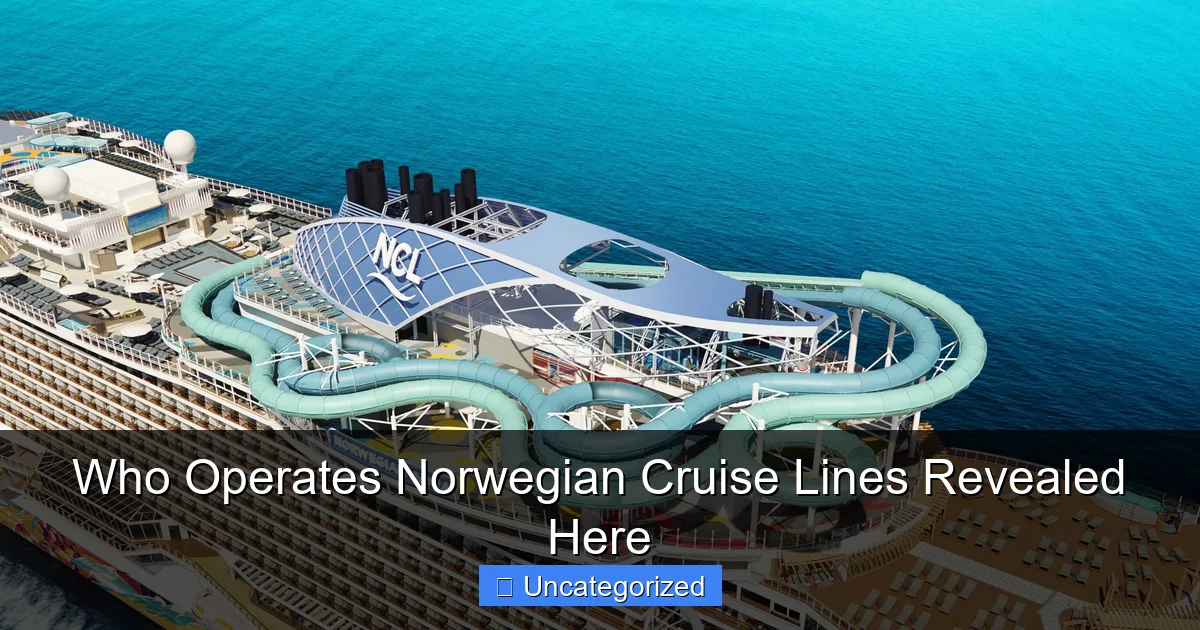
Visual guide about who operates norwegian cruise lines
Image source: cruiseshipinteriors-expo.com
Parent Company: Norwegian Cruise Line Holdings Ltd. (NCLH)
Norwegian Cruise Lines is operated under the umbrella of Norwegian Cruise Line Holdings Ltd. (NCLH), a publicly traded company listed on the New York Stock Exchange under the ticker symbol NCLH. Founded in 2013, NCLH was established as the holding company for Norwegian Cruise Lines, Oceania Cruises, and Regent Seven Seas Cruises. This structure allows NCLH to manage multiple premium cruise brands under one corporate roof, leveraging shared resources while maintaining distinct identities.
- Headquarters: Miami, Florida, USA
- Global Offices: London, UK; Sydney, Australia; Shanghai, China
- Employees: Over 40,000 (including shipboard and shore-side staff)
NCLH’s leadership team includes seasoned executives with decades of experience in hospitality, logistics, and finance. Their strategic decisions directly impact NCL’s operations, from fleet expansion to sustainability initiatives.
Executive Leadership Team
At the helm of NCLH is Harry J. Sommer, President and CEO of Norwegian Cruise Line, who took the reins in 2023. Sommer brings over 30 years of experience in the cruise and hospitality industry, having previously served in senior roles at Royal Caribbean Group and Carnival Corporation. He leads a team of executives responsible for day-to-day operations, including:
- Chief Operating Officer (COO): Oversees fleet performance, safety protocols, and guest experience
- Chief Marketing Officer (CMO): Manages global marketing, brand positioning, and digital campaigns
- Chief Financial Officer (CFO): Handles budgeting, financial reporting, and investor relations
- Chief Human Resources Officer (CHRO): Manages recruitment, training, and employee welfare
These executives meet regularly to align corporate strategy with operational realities, ensuring NCL remains competitive in a fast-evolving travel market.
Board of Directors and Shareholders
NCLH is governed by a Board of Directors composed of industry experts, legal advisors, and investor representatives. The board approves major decisions such as new ship orders, route expansions, and sustainability goals. As of 2023, major institutional shareholders include:
- BlackRock (largest shareholder)
- Vanguard Group
- Fidelity Investments
These stakeholders influence long-term strategy through shareholder meetings and voting rights, ensuring the company remains accountable to its investors while delivering value to passengers.
Operational Management: How NCL Runs Its Fleet and Crew
While corporate leadership sets the vision, the real magic happens on the water. Norwegian Cruise Lines’ operational management ensures that every ship sails safely, efficiently, and with an unforgettable guest experience.
Fleet Management and Marine Operations
NCL operates a diverse fleet of 20+ vessels, ranging from mid-sized ships like the Norwegian Encore to the massive Norwegian Prima. The Marine Operations Department is responsible for:
- Navigation and route planning
- Fuel efficiency and emissions compliance
- Maintenance and dry-dock scheduling
- Emergency response and safety drills
Each ship is staffed with a Captain (Master) and a team of deck officers, engineers, and safety personnel. For example, the Norwegian Escape employs over 1,500 crew members, including a Chief Engineer who oversees the propulsion systems and a Safety Officer who conducts monthly drills. NCL uses advanced Marine Traffic Management Systems (MTMS) to monitor ship positions, weather conditions, and port arrivals in real time.
Crew Recruitment and Training
NCL sources crew from over 100 countries, with major recruitment hubs in the Philippines, India, and Eastern Europe. The Human Resources Department runs a rigorous hiring process that includes:
- Background checks and medical evaluations
- Language proficiency tests (English is mandatory)
- Specialized training (e.g., hospitality, safety, culinary arts)
All crew members undergo a 4–6 week training program at NCL’s Crew Training Academy in Miami. For instance, stewards learn how to fold towels into animal shapes, while bar staff are trained in mixology and customer service. This investment in training ensures consistency across the fleet.
Onboard Guest Experience
Delivering NCL’s signature “Freestyle Cruising” experience requires a well-coordinated team of hospitality professionals. Key departments include:
- Guest Services: Handles check-in, complaints, and special requests
- Dining and Beverage: Manages 10+ restaurants, room service, and bars
- Entertainment: Coordinates shows, activities, and kids’ programs
- Housekeeping: Ensures cabins are cleaned and restocked daily
To maintain quality, NCL uses mystery shoppers and guest feedback surveys to evaluate staff performance. For example, a recent survey revealed that 92% of passengers rated their cabin steward as “excellent,” a testament to the training programs in place.
Third-Party Partners: Vendors, Contractors, and Strategic Alliances
NCL doesn’t operate in isolation. The company relies on a vast network of third-party partners to deliver services, maintain ships, and enhance guest experiences.
Food and Beverage Suppliers
NCL spends over $500 million annually on food and beverages. Key suppliers include:
- Sysco Corporation: Provides fresh produce, meat, and dry goods
- Diageo: Supplies premium spirits and wines
- Starbucks: Operates onboard coffee shops on select ships
To ensure quality, NCL conducts supplier audits and requires all vendors to meet strict safety and sustainability standards. For example, Sysco delivers seafood that is certified by the Marine Stewardship Council (MSC).
Entertainment and Technology Partners
NCL partners with leading entertainment companies to deliver Broadway-style shows, such as Jersey Boys and Burn the Boats. These partnerships involve:
- Licensing agreements with production studios
- Hiring of professional performers and directors
- Set design and costume production
On the tech front, NCL uses Oracle Hospitality for reservation systems and Norwegian Edge (a proprietary app) for mobile check-in, dining reservations, and shore excursion bookings. The app has over 2 million downloads and is used by 70% of guests.
Port and Logistics Providers
With 300+ ports of call, NCL works with local port authorities, ground transportation companies, and excursion operators. For example, in Juneau, Alaska, NCL partners with Juneau Tours & Whale Watch to offer glacier tours and wildlife safaris. These partnerships are managed by NCL’s Port Operations Team, which ensures smooth embarkation, debarkation, and shore excursion logistics.
Regulatory and Safety Oversight: Compliance with Global Standards
Cruise lines operate in a highly regulated environment. NCL must comply with international, national, and port-specific laws to ensure safety, security, and environmental protection.
International Maritime Organization (IMO)
NCL adheres to regulations set by the IMO, a specialized agency of the United Nations. Key compliance areas include:
- Safety of Life at Sea (SOLAS): Mandates lifeboats, fire safety, and crew training
- Ballast Water Management Convention: Prevents invasive species transfer
- Sulphur Cap 2020: Limits sulfur emissions from ship fuels
NCL has invested over $1 billion in scrubber systems to reduce emissions, allowing ships to burn heavy fuel oil while meeting IMO standards.
U.S. Coast Guard and CDC
In U.S. waters, NCL is regulated by the U.S. Coast Guard and the Centers for Disease Control and Prevention (CDC). The CDC’s Vessel Sanitation Program conducts unannounced inspections to ensure hygiene standards. In 2022, NCL ships received an average score of 98/100 on these inspections.
Environmental and Sustainability Initiatives
NCL is committed to sustainability through its “Sail & Sustain” program. Initiatives include:
- Zero single-use plastics on all ships
- Advanced wastewater treatment systems
- Partnerships with the Ocean Conservancy
For example, the Norwegian Prima uses LNG-powered engines, reducing greenhouse gas emissions by 25% compared to traditional fuels.
Technology and Innovation: The Digital Backbone of NCL
NCL is a leader in cruise tech, using digital tools to streamline operations and enhance guest experiences.
Norwegian Edge App
The Norwegian Edge app is a game-changer for cruisers. Features include:
- Mobile check-in and digital boarding passes
- Real-time dining reservations and wait times
- Interactive maps and excursion bookings
- Chat with crew and request services
Guests who use the app report 30% faster embarkation and 20% higher satisfaction scores.
Onboard Technology
NCL ships are equipped with cutting-edge tech, such as:
- RFID wristbands: Replace room keys and payment cards
- AI-powered chatbots: Answer common guest questions
- High-speed internet: Powered by Starlink on newer ships
For instance, the Norwegian Encore offers Wi-Fi speeds up to 100 Mbps, rivaling land-based hotels.
Data Analytics and Personalization
NCL uses big data analytics to personalize the guest experience. By analyzing booking history, dining preferences, and activity participation, the company can:
- Send targeted promotions (e.g., spa discounts for frequent spa-goers)
- Adjust menu offerings based on regional tastes
- Predict and prevent service issues
This data-driven approach has increased customer retention by 15% over the past five years.
Key Data: Norwegian Cruise Lines Operational Snapshot
| Category | Details |
|---|---|
| Parent Company | Norwegian Cruise Line Holdings Ltd. (NCLH) |
| CEO | Harry J. Sommer |
| Fleet Size | 20+ ships (as of 2024) |
| Annual Passengers | Over 3 million |
| Employees | 40,000+ (ship and shore) |
| Key Partners | Sysco, Diageo, Oracle, Starlink |
| Sustainability Program | Sail & Sustain |
| Tech Platform | Norwegian Edge App |
Conclusion: The Human and Corporate Forces Behind NCL
Norwegian Cruise Lines is more than a cruise brand—it’s a symphony of human talent, corporate strategy, technological innovation, and global partnerships. From the boardroom decisions of Norwegian Cruise Line Holdings Ltd. to the daily efforts of crew members serving breakfast in the Garden Café, every layer of the organization contributes to the magic of Freestyle Cruising. The operational excellence of NCL stems from a well-oiled machine: a CEO with a clear vision, a fleet managed with precision, and a commitment to safety, sustainability, and guest satisfaction.
Understanding who operates Norwegian Cruise Lines empowers travelers to make informed choices. Whether you’re curious about the chefs sourcing local ingredients in the Caribbean or the engineers ensuring your ship’s engine runs smoothly, knowing the people behind the scenes adds depth to your journey. As NCL continues to innovate—with LNG-powered ships, AI-driven apps, and immersive entertainment—one thing remains constant: the dedication of thousands of professionals who turn your vacation dreams into reality. So the next time you board a Norwegian ship, remember: it’s not just a cruise. It’s a global operation, meticulously orchestrated to deliver unforgettable experiences on the high seas.
Frequently Asked Questions
Who operates Norwegian Cruise Lines?
Norwegian Cruise Lines (NCL) is operated by Norwegian Cruise Line Holdings Ltd., a global cruise company headquartered in Miami, Florida. The company manages NCL alongside its sister brands, Oceania Cruises and Regent Seven Seas Cruises.
Is Norwegian Cruise Lines part of a larger parent company?
Yes, Norwegian Cruise Lines is a subsidiary of Norwegian Cruise Line Holdings Ltd., which oversees its operations, fleet management, and strategic direction. The parent company trades on the New York Stock Exchange under the ticker symbol “NCLH.”
Who are the key executives running Norwegian Cruise Lines?
The day-to-day operations are led by a team including CEO Harry Sommer and other senior executives. They report to the board of directors at Norwegian Cruise Line Holdings Ltd., which sets long-term goals for the brand.
Does Norwegian Cruise Line Holdings Ltd. operate other cruise brands?
Yes, the parent company operates three premium cruise brands: Norwegian Cruise Lines, Oceania Cruises, and Regent Seven Seas Cruises. Each brand caters to different segments, from casual luxury to all-inclusive high-end experiences.
Where is Norwegian Cruise Lines’ operational headquarters located?
The main operational hub for Norwegian Cruise Lines is in Miami, Florida, though the parent company has offices worldwide. This location handles marketing, customer service, and fleet coordination for the brand.
How is Norwegian Cruise Lines different from its parent company?
Norwegian Cruise Lines is the consumer-facing brand known for its “Freestyle Cruising” concept, while the parent company, Norwegian Cruise Line Holdings Ltd., manages corporate strategy and financial decisions. The brand focuses on guest experiences, while the parent company ensures business growth across its portfolio.