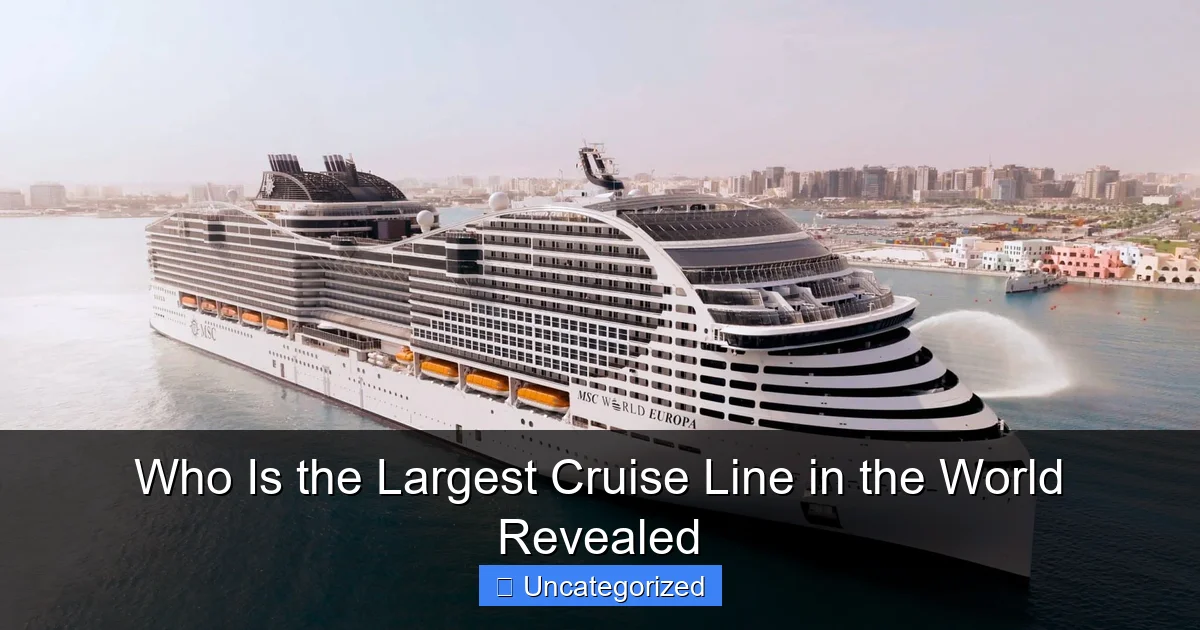
Featured image for who is the largest cruise line in the world
Image source: cruisefever.net
The largest cruise line in the world is Carnival Corporation & plc, boasting a fleet of over 90 ships across 10 global brands, including Carnival Cruise Line, Princess Cruises, and Holland America. With unmatched passenger capacity and annual revenue exceeding $20 billion, it dominates the industry through scale, innovation, and diverse itineraries. No other cruise operator comes close in global reach or market share.
Key Takeaways
- Carnival Corporation is the world’s largest cruise line by fleet size and passenger capacity.
- 10 global brands operate under Carnival, including Princess, Holland America, and Costa.
- Largest market share in North America and Europe, dominating key cruise regions.
- 200+ ships across its brands, offering diverse itineraries and onboard experiences.
- Innovation leader in sustainability, tech, and family-friendly amenities.
- Book early for best deals on Carnival brands, especially during wave season.
📑 Table of Contents
- The Rise of the Cruise Industry: A Global Voyage
- Defining “Largest”: What Metrics Matter in the Cruise Industry
- Carnival Corporation: The Undisputed Leader in Fleet and Brands
- Royal Caribbean Group: The Close Competitor
- Other Major Players: Norwegian, MSC, and Beyond
- How Size Impacts Your Cruise Experience
- Data Table: Top Cruise Lines by Key Metrics (2023)
- Conclusion: Why Carnival Reigns Supreme
The Rise of the Cruise Industry: A Global Voyage
The cruise industry has undergone a remarkable transformation over the past few decades, evolving from a niche luxury experience into a mainstream vacation option embraced by millions worldwide. With the allure of all-inclusive amenities, exotic destinations, and onboard entertainment, modern cruise ships have become floating cities, offering everything from Broadway-style shows to gourmet dining, rock climbing walls, and even ice skating rinks. As global tourism continues to rebound post-pandemic, the cruise sector is experiencing unprecedented growth, with new ships launched annually and itineraries expanding to cover nearly every corner of the planet.
Among the dozens of cruise lines competing for passengers, one name consistently emerges at the top: Carnival Corporation & plc. But what truly makes it the largest cruise line in the world? Is it sheer number of ships, passenger capacity, revenue, or global reach? In this comprehensive exploration, we’ll dive deep into the metrics that define size in the cruise industry, analyze Carnival’s dominance, and examine how other major players like Royal Caribbean Group and Norwegian Cruise Line Holdings measure up. Whether you’re a first-time cruiser or a seasoned sailor, understanding who leads the pack can help you make informed decisions about your next vacation at sea.
Defining “Largest”: What Metrics Matter in the Cruise Industry
When we ask, “Who is the largest cruise line in the world?” we must first define what “largest” actually means. The cruise industry measures size through several key metrics, each offering a different perspective on dominance. Understanding these criteria is essential to appreciating the full picture of Carnival Corporation’s leadership.
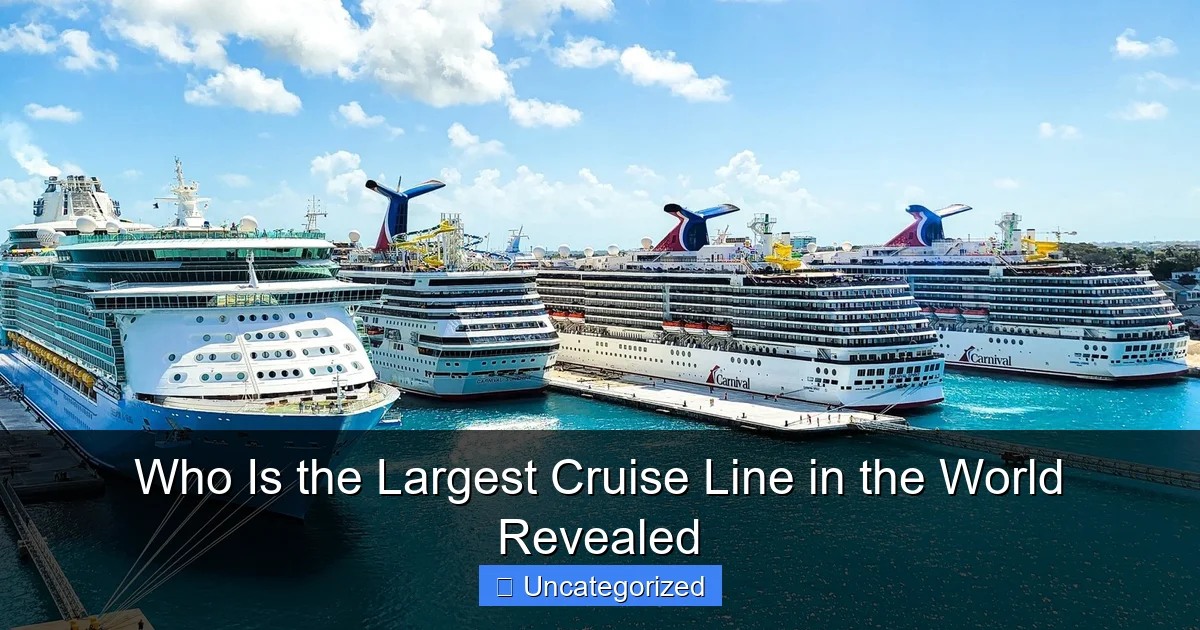
Visual guide about who is the largest cruise line in the world
Image source: cruisefever.net
1. Fleet Size and Number of Brands
One of the most straightforward indicators of size is the number of ships and brands a company operates. Unlike airlines or hotel chains, cruise lines often manage multiple brands under a single corporate umbrella, each targeting different demographics and price points. For example, a luxury brand like Seabourn appeals to high-net-worth travelers, while a budget-friendly brand like Carnival Cruise Line caters to families and first-time cruisers.
Carnival Corporation leads in this category with 10 distinct cruise brands and over 90 active ships globally. In contrast, Royal Caribbean Group operates 6 brands and approximately 65 ships, while Norwegian Cruise Line Holdings manages 3 brands with around 30 vessels. This diversified portfolio allows Carnival to capture a broader market share, from budget to ultra-luxury, giving it unmatched reach.
Practical Tip: When comparing cruise lines, don’t just count ships—look at the variety of brands. A larger number of brands often means more options for different budgets, travel styles, and destination preferences.
2. Passenger Capacity and Revenue
Another critical metric is total passenger capacity and annual revenue. Carnival Corporation consistently leads in both areas. According to 2023 data from Cruise Market Watch, Carnival’s annual passenger volume exceeds 13 million, while Royal Caribbean Group serves around 7 million, and Norwegian Cruise Line Holdings accommodates about 4 million.
In terms of revenue, Carnival generated over $15.4 billion in 2023, significantly outpacing Royal Caribbean’s $11.3 billion and Norwegian’s $6.8 billion. This financial dominance enables Carnival to invest heavily in new ship construction, technology, and marketing, further solidifying its lead.
Example: The launch of MSC World Europa in 2022 (operated by MSC Cruises, a Carnival competitor) showcased cutting-edge LNG propulsion and a 7,000-passenger capacity. Yet, even with such innovations, MSC still trails Carnival in overall fleet size and revenue, highlighting Carnival’s scale advantage.
3. Global Itinerary Coverage
Size isn’t just about ships and money—it’s also about reach. Carnival Corporation operates in over 100 countries, with homeports in North America, Europe, Australia, and Asia. Its brands sail to more than 700 ports worldwide, including unique destinations like Antarctica (via Holland America Line) and the Galápagos (via Princess Cruises).
This global footprint allows Carnival to offer itineraries that smaller lines simply can’t match. Whether you’re interested in a Caribbean getaway, a transatlantic crossing, or a round-the-world voyage, Carnival’s network ensures you’ll find a cruise that fits your dream.
Carnival Corporation: The Undisputed Leader in Fleet and Brands
To understand why Carnival Corporation is the largest cruise line in the world, we must examine its corporate structure and brand portfolio. Founded in 1972, Carnival has grown through strategic acquisitions and organic expansion, becoming a true global powerhouse.
The Power of a Multi-Brand Strategy
Carnival’s success lies in its ability to serve every segment of the cruise market. Its 10 brands include:
- Carnival Cruise Line – Fun, budget-friendly, family-oriented (e.g., Carnival Breeze, Carnival Horizon)
- Princess Cruises – Premium experience with modern elegance (e.g., Sky Princess, Discovery Princess)
- Holland America Line – Classic, refined cruising with cultural enrichment (e.g., Nieuw Statendam, Rotterdam)
- Seabourn – Ultra-luxury, all-suite ships with personalized service (e.g., Seabourn Ovation)
- Cunard Line – Iconic British heritage, transatlantic voyages (e.g., Queen Mary 2, Queen Anne)
- AIDA Cruises – German-speaking, vibrant, casual European cruises (e.g., AIDAprima)
- P&O Cruises – British market, traditional and modern mix (e.g., Arvia, Iona)
- Costa Cruises – Italian flair, Mediterranean and global itineraries (e.g., Costa Toscana)
- P&O Australia – Australia and South Pacific focus (e.g., Pacific Explorer)
- Fathom – Social impact travel (currently paused but part of the portfolio)
This multi-brand model allows Carnival to avoid “cannibalizing” its own customers. A traveler who outgrows Carnival Cruise Line’s casual vibe can seamlessly move to Princess or Holland America, while luxury seekers can opt for Seabourn. This retention strategy is a key driver of Carnival’s long-term growth.
Fleet Modernization and Sustainability
Carnival isn’t just big—it’s also investing heavily in innovation. The company has committed to net-zero emissions by 2050 and is rolling out LNG-powered ships, such as the Carnival Celebration and Mardi Gras, which use cleaner-burning fuel to reduce carbon output. Additionally, Carnival is piloting shore power connections, advanced wastewater treatment, and AI-driven energy management systems across its fleet.
Practical Tip: If sustainability matters to you, look for Carnival ships with LNG engines or “Green Cruising” certifications. These vessels offer a more eco-friendly way to explore the world.
Global Workforce and Operational Scale
With over 160,000 employees worldwide—including crew, officers, and shore staff—Carnival operates one of the largest private maritime workforces. Its training academies in the Philippines, India, and the U.S. ensure consistent service quality across brands, a critical factor in maintaining customer satisfaction.
Royal Caribbean Group: The Close Competitor
While Carnival is the largest, Royal Caribbean Group is its most formidable rival. Known for innovation and record-breaking ships, Royal Caribbean has carved out a strong second-place position through bold design and technological advancement.
Innovation in Ship Design
Royal Caribbean’s Oasis-class ships—like Symphony of the Seas and Wonder of the Seas—are the largest passenger ships ever built, with capacities exceeding 6,000 guests. These “mega-ships” feature groundbreaking amenities such as:
- Central Park (an open-air botanical garden)
- Boardwalk with a carousel and zip line
- Ultimate Abyss (the tallest slide at sea)
- FlowRider surf simulators and ice skating rinks
These innovations attract thrill-seekers and families looking for non-stop entertainment, differentiating Royal Caribbean from Carnival’s more traditional approach.
Brand Portfolio and Market Position
Royal Caribbean Group operates three major brands:
- Royal Caribbean International – Mainstream, high-energy cruises
- Silversea Cruises – All-suite, ultra-luxury, small-ship experiences
- TUI Cruises – German market, premium European itineraries
While its brand count is smaller than Carnival’s, Royal Caribbean excels in luxury (via Silversea) and cutting-edge design. Its acquisition of a majority stake in Silversea in 2018 marked a strategic move into the high-end market, directly competing with Seabourn and Regent Seven Seas.
Revenue and Growth Trajectory
Royal Caribbean’s revenue has surged post-pandemic, driven by strong demand for its new ships and premium experiences. However, it still trails Carnival in total fleet size and passenger volume. Royal Caribbean’s strength lies in revenue per passenger, which is higher due to its focus on premium amenities and onboard spending.
Example: A Royal Caribbean cruise may cost more upfront, but guests often spend heavily on specialty dining, spa treatments, and shore excursions, boosting the line’s overall profitability per passenger.
Other Major Players: Norwegian, MSC, and Beyond
While Carnival and Royal Caribbean dominate the top two spots, other cruise lines play significant roles in the global market, each with unique strengths and strategies.
Norwegian Cruise Line Holdings (NCLH)
NCLH operates three brands:
- Norwegian Cruise Line – “Freestyle Cruising” with no set dining times or formal nights
- Oceania Cruises – Upscale, destination-focused, with gourmet cuisine
- Regent Seven Seas Cruises – All-inclusive luxury, including airfare and excursions
Norwegian’s “Freestyle” concept appeals to travelers who dislike rigid schedules, offering flexibility and a casual atmosphere. However, with only around 30 ships, NCLH lacks the fleet size and global reach of Carnival or Royal Caribbean. Its strength is in niche markets—particularly luxury (Regent) and culinary excellence (Oceania).
MSC Cruises
MSC Cruises, part of the privately held MSC Group, has grown rapidly, now operating over 20 ships and planning to launch 10 new vessels by 2030. Its World-class ships, like MSC World Europa, rival Royal Caribbean’s Oasis-class in size and innovation.
MSC’s competitive edge is affordability and European-centric itineraries. It’s particularly popular in the Mediterranean and offers attractive pricing for budget-conscious travelers. However, MSC still lags in brand diversity and global homeport availability compared to Carnival.
Celebrity Cruises and Smaller Luxury Lines
Celebrity Cruises (part of Royal Caribbean Group) focuses on modern luxury with sleek design and wellness programs. Meanwhile, smaller lines like Lindblad Expeditions (adventure travel), Viking Ocean Cruises (adults-only, cultural enrichment), and Ponant (French luxury) cater to specialized niches.
Practical Tip: If you value intimacy and unique experiences over size, consider smaller lines. But if you want variety, global options, and proven reliability, Carnival’s scale is hard to beat.
How Size Impacts Your Cruise Experience
Understanding which cruise line is the largest isn’t just about bragging rights—it has real implications for your vacation. Here’s how Carnival’s size translates into tangible benefits for passengers.
More Itinerary Choices and Departure Ports
With 90+ ships and 10 brands, Carnival offers more sailing dates, destinations, and homeports than any other line. Whether you want to depart from Miami, Barcelona, Sydney, or Seattle, chances are Carnival has a cruise that fits your schedule.
Example: A family from Dallas might find a Carnival cruise from Galveston to the Western Caribbean, while a retiree from London could book a Cunard transatlantic voyage—all under the same corporate umbrella.
Economies of Scale and Pricing
Carnival’s massive size allows it to negotiate better deals with suppliers, ports, and airlines, which can translate into lower ticket prices. Additionally, its frequent promotions (e.g., “Early Saver” rates, onboard credit offers) make cruising more accessible.
Consistency and Reliability
With decades of operational experience, Carnival has refined its systems for safety, service, and crisis management. Its standardized training and technology (e.g., MedallionNet Wi-Fi, OceanMedallion wearables) ensure a consistent experience across brands.
Practical Tip: If you’re a first-time cruiser, Carnival’s size means you’re more likely to find user-friendly booking tools, clear policies, and reliable customer support—reducing stress and enhancing enjoyment.
Onboard Amenities and Entertainment
Large cruise lines can afford to build ships with more amenities. Carnival’s ships feature:
- Multiple pools and water slides
- Broadway-style theaters and live music
- Specialty dining (e.g., Guy’s Burger Joint, Bonsai Teppanyaki)
- Kids’ clubs and teen programs
- Casinos, spas, and fitness centers
While smaller lines may offer more personalized service, Carnival’s variety ensures there’s something for everyone.
Data Table: Top Cruise Lines by Key Metrics (2023)
| Cruise Line | # of Brands | # of Ships | Annual Passengers (Millions) | Annual Revenue (USD) | Key Strengths |
|---|---|---|---|---|---|
| Carnival Corporation | 10 | 90+ | 13+ | $15.4B | Fleet size, global reach, brand diversity |
| Royal Caribbean Group | 6 | 65 | 7 | $11.3B | Ship innovation, luxury (Silversea), revenue per passenger |
| Norwegian Cruise Line Holdings | 3 | 30 | 4 | $6.8B | Freestyle cruising, luxury (Regent), gourmet dining |
| MSC Cruises | 1 (plus MSC Yacht Club) | 22 | 3.5 | $5.2B | Affordability, European itineraries, LNG ships |
| Disney Cruise Line | 1 | 5 | 2 | $2.1B | Family entertainment, themed experiences |
Conclusion: Why Carnival Reigns Supreme
After analyzing fleet size, revenue, passenger volume, brand diversity, and global reach, the answer to “Who is the largest cruise line in the world?” is clear: Carnival Corporation. Its unmatched combination of 10 brands, 90+ ships, and a presence in over 100 countries gives it a scale that no other cruise company can match. From the budget-friendly fun of Carnival Cruise Line to the refined luxury of Seabourn, Carnival offers a cruise for every traveler, every budget, and every destination.
That said, size isn’t everything. Royal Caribbean’s innovation, Norwegian’s flexibility, and MSC’s affordability all provide compelling alternatives. But for those seeking choice, reliability, and global access, Carnival’s dominance is undeniable. As the cruise industry continues to evolve—with new ships, sustainable technologies, and expanded itineraries—Carnival’s size ensures it will remain at the forefront, shaping the future of ocean travel for years to come.
So, whether you’re dreaming of a Caribbean escape, a European river cruise, or a once-in-a-lifetime world voyage, remember: the largest cruise line isn’t just the biggest in numbers—it’s the one that can turn your vacation dreams into reality, no matter where in the world you want to go.
Frequently Asked Questions
Who is the largest cruise line in the world by fleet size?
Carnival Corporation & plc holds the title of the largest cruise line in the world, operating over 90 ships across 10 global brands, including Carnival Cruise Line, Princess Cruises, and Holland America. Its unmatched fleet size and passenger capacity make it the industry leader.
Which cruise line carries the most passengers annually?
Carnival Corporation dominates in annual passenger volume, hosting over 13 million guests each year across its brands. This far exceeds competitors like Royal Caribbean Group, cementing its status as the largest cruise line by ridership.
Is Royal Caribbean the largest cruise line?
While Royal Caribbean International is one of the largest cruise lines, it operates under Royal Caribbean Group, which trails behind Carnival Corporation in total fleet size and passenger numbers. Carnival remains the largest cruise line globally.
How does Carnival Corporation maintain its position as the largest cruise line?
Carnival Corporation’s scale comes from its diverse portfolio of brands, global itineraries, and continuous fleet expansion, including new mega-ships. Its focus on mass-market appeal and affordability also drives high passenger demand.
What makes a cruise line “the largest” in the world?
The title is typically based on fleet size, passenger capacity, and revenue. Carnival Corporation leads in all categories, with the most ships, highest annual ridership, and largest market share in the industry.
Are there any competitors close to the largest cruise line?
Royal Caribbean Group and Norwegian Cruise Line Holdings are key rivals, but neither matches Carnival Corporation’s combined fleet size or passenger volume. Carnival’s multi-brand strategy keeps it far ahead of the competition.