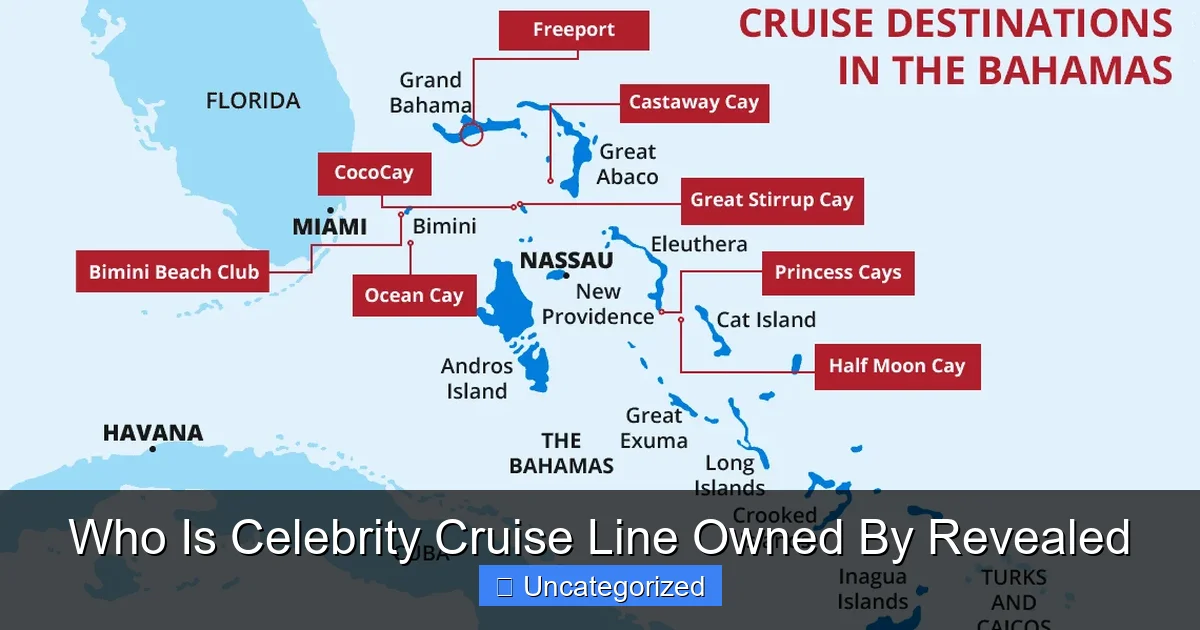
Featured image for who is celebrity cruise line owned by
Image source: cruiseradio.net
Celebrity Cruise Line is owned by Royal Caribbean Group, one of the world’s largest and most influential cruise corporations. This powerhouse parent company also operates Royal Caribbean International, Silversea Cruises, and other luxury travel brands, giving Celebrity access to cutting-edge innovation and global reach. Discover how this ownership fuels Celebrity’s premium guest experiences and industry-leading standards.
Key Takeaways
- Celebrity Cruises is owned by: Royal Caribbean Group, a global cruise leader.
- Parent company expertise: Royal Caribbean brings innovation and premium travel experiences.
- Fleet expansion: Backed by Royal Caribbean’s resources, Celebrity grows sustainably.
- Shared loyalty benefits: Cruise with both brands for enhanced rewards.
- Premium positioning: Celebrity targets upscale travelers within Royal Caribbean’s portfolio.
- Global reach: Leverages Royal Caribbean’s worldwide network for diverse itineraries.
📑 Table of Contents
- Introduction: The Allure of Celebrity Cruises
- The Corporate Parent: Royal Caribbean Group
- Brand Positioning Within the Royal Caribbean Portfolio
- Historical Evolution of Ownership and Brand Identity
- Financial and Operational Synergies
- Future Outlook: Innovation and Expansion
- Conclusion: The Power Behind the Brand
Introduction: The Allure of Celebrity Cruises
When you think of luxury cruising, Celebrity Cruises likely comes to mind. With its sleek ships, gourmet dining, and immersive itineraries, the brand has become a favorite among travelers seeking a premium vacation experience. From the award-winning Celebrity Edge to the intimate Galapagos-bound vessels, the cruise line has redefined modern ocean travel. But behind this glamorous facade lies a complex corporate structure that many passengers—and even industry insiders—know little about. Have you ever wondered who is Celebrity Cruise Line owned by?
The answer isn’t just a single name or a faceless conglomerate. Celebrity Cruises is part of a larger, globally influential cruise empire that shapes not only the brand’s identity but also its operational strategies, financial stability, and future innovations. Understanding the ownership structure of Celebrity Cruises offers valuable insights into its business model, market positioning, and long-term vision. Whether you’re a loyal cruiser, a travel enthusiast, or a business analyst, uncovering the ownership of this premium brand reveals the power players driving one of the most respected names in the cruise industry.
The Corporate Parent: Royal Caribbean Group
The Birth of a Cruise Giant
At the heart of Celebrity Cruise Line’s ownership is Royal Caribbean Group (formerly Royal Caribbean Cruises Ltd.), one of the world’s largest and most innovative cruise companies. Founded in 1968, Royal Caribbean Group has grown from a single ship operation into a global powerhouse with a diverse portfolio of cruise brands. In 1997, the company made a strategic acquisition that would reshape the luxury cruising landscape: it purchased a majority stake in Celebrity Cruises, then an independent brand known for its upscale service and modern fleet.
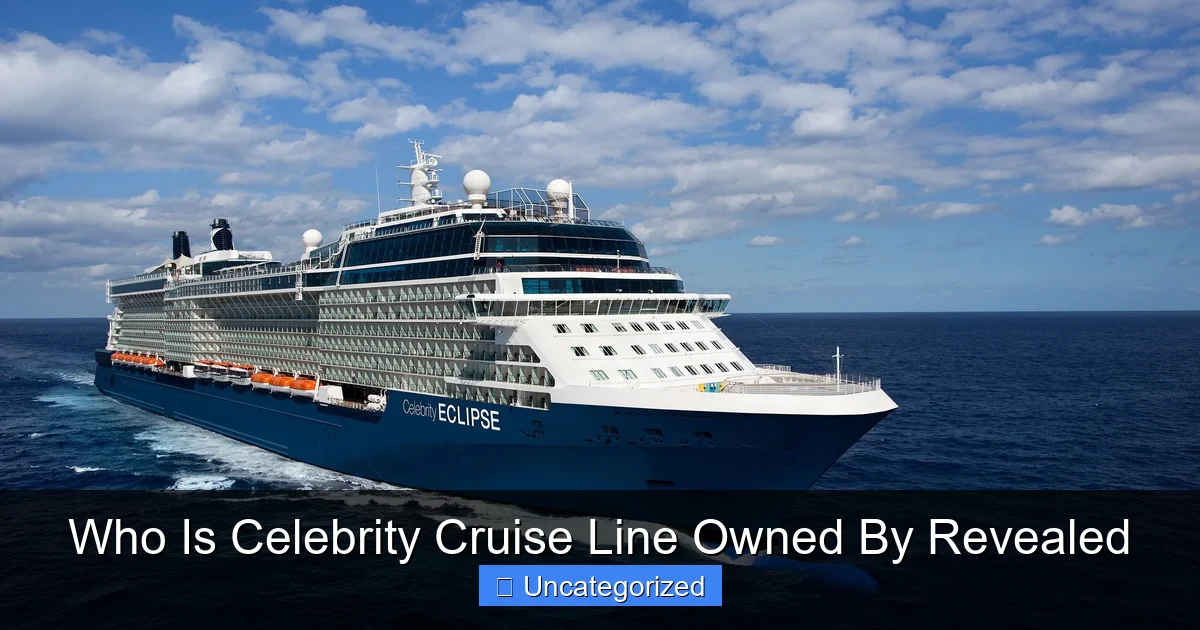
Visual guide about who is celebrity cruise line owned by
Image source: celebritycruises.com
The acquisition was a calculated move. At the time, Celebrity was already gaining a reputation for offering a more refined, adult-oriented experience compared to the family-centric model of Royal Caribbean International. By integrating Celebrity into its portfolio, Royal Caribbean Group diversified its offerings and gained a foothold in the premium and luxury market segments. This allowed the company to cater to a broader demographic—families, couples, solo travelers, and luxury seekers—under one corporate umbrella.
Ownership Structure and Shareholding
Today, Royal Caribbean Group owns 100% of Celebrity Cruises, having fully acquired the brand after initially holding a majority stake. The company is publicly traded on the New York Stock Exchange under the ticker symbol RCL, with institutional investors, mutual funds, and individual shareholders holding equity. As of 2023, the largest institutional shareholders include The Vanguard Group, BlackRock, and State Street Corporation, reflecting strong investor confidence in the group’s diversified cruise strategy.
Here’s a simplified breakdown of the ownership chain:
- Royal Caribbean Group (RCL) – Parent company, NYSE-listed
- Celebrity Cruises – 100% owned subsidiary
- Other brands – Royal Caribbean International, Silversea Cruises, TUI Cruises (50% JV), Pullmantur (formerly), and Azamara
This structure allows Celebrity Cruises to operate with a high degree of autonomy while benefiting from the financial strength, technological resources, and global infrastructure of its parent company. For example, Celebrity’s Edge-class ships were developed with significant investment from Royal Caribbean Group, showcasing the synergy between brand identity and corporate backing.
Strategic Advantages of Being Under the Royal Caribbean Umbrella
Being owned by Royal Caribbean Group provides Celebrity Cruises with several strategic advantages:
- Economies of scale: Shared procurement, marketing, and IT systems reduce operational costs.
- Fleet modernization: Access to capital for building next-gen ships like the Celebrity Beyond.
- Global reach: Leveraging Royal Caribbean’s international sales offices and partnerships.
- Crisis resilience: Financial backing during downturns, such as the 2020 pandemic, when RCL secured billions in liquidity.
For travelers, this means greater stability and innovation. Celebrity doesn’t have to worry about short-term survival during market fluctuations—it can focus on long-term brand development, sustainability initiatives, and guest experience enhancements.
Brand Positioning Within the Royal Caribbean Portfolio
Where Celebrity Fits in the Family Tree
Royal Caribbean Group operates multiple brands, each targeting a distinct market segment. Celebrity Cruises occupies a unique position as the premium/luxury bridge between the mass-market Royal Caribbean International and the ultra-luxury Silversea Cruises. Think of it as the “sweet spot” for travelers who want more than mainstream cruising but aren’t ready to pay Silversea’s six-figure prices for a world cruise.
Here’s how the brands compare:
| Brand | Target Market | Price Range (Per Person, 7-Day) | Key Features | Ownership |
|---|---|---|---|---|
| Royal Caribbean International | Families, first-time cruisers, thrill-seekers | $1,000–$2,500 | Water slides, rock climbing, Broadway shows | 100% Royal Caribbean Group |
| Celebrity Cruises | Couples, luxury seekers, mature travelers | $1,500–$4,000 | Gourmet dining, spa focus, modern design | 100% Royal Caribbean Group |
| Silversea Cruises | Ultra-high-net-worth individuals | $5,000–$20,000+ | All-suite, all-inclusive, expedition voyages | 100% Royal Caribbean Group |
| Azamara | Culturally curious, destination-focused | $2,500–$6,000 | Longer stays, overnight port calls | 100% Royal Caribbean Group |
This tiered strategy allows Royal Caribbean Group to capture revenue across multiple price points while maintaining brand differentiation. Celebrity Cruises, in particular, has leaned into its “modern luxury” ethos—offering a more intimate, design-forward experience than Royal Caribbean International, but with more accessibility and variety than Silversea.
How Celebrity Stands Out
While owned by the same parent, Celebrity Cruises has cultivated a distinct identity. Key differentiators include:
- Ship design: Collaborations with architects like Kelly Hoppen and Tom Wright (designer of the Burj Al Arab) for interiors and public spaces.
- Dining: Partnerships with Michelin-starred chefs like Daniel Boulud and Thomas Keller for specialty restaurants.
- Wellness: The Spa & Wellness program includes fitness studios, meditation zones, and holistic treatments.
- Itineraries: Focus on destination immersion, with overnight stays and curated shore excursions.
For example, the Celebrity Ascent, launched in 2023, features the Magic Carpet—a cantilevered platform that serves as a lounge, tender dock, and specialty dining venue. This innovation, while shared conceptually with Royal Caribbean’s Quantum-class ships, is reimagined for Celebrity’s more refined audience.
Marketing and Brand Autonomy
Despite being fully owned, Celebrity Cruises maintains its own marketing team, brand guidelines, and customer experience strategy. This autonomy is crucial for preserving its unique voice. You won’t see Celebrity using the same flashy, family-oriented ads as Royal Caribbean International. Instead, its campaigns emphasize sophistication, relaxation, and cultural exploration.
Tip: When booking, look for promotions that highlight Celebrity’s “Always Included” pricing model—unlike Royal Caribbean’s add-on packages, this includes gratuities, Wi-Fi, and basic drinks, simplifying the guest experience.
Historical Evolution of Ownership and Brand Identity
From Independence to Integration (1988–1997)
Celebrity Cruises was founded in 1988 as an independent company by a group of Greek shipping magnates, including George Pateras. The brand’s early ships, like the Horizon and Zenith, were known for their clean lines, European-inspired service, and focus on adult travelers. In the 1990s, Celebrity gained rapid popularity, winning awards for innovation and service quality.
However, the cruise industry was consolidating. Smaller brands struggled to compete with giants like Carnival Corporation and Royal Caribbean. In 1997, Royal Caribbean Cruises Ltd. acquired a 50% stake in Celebrity, with the option to buy the remainder. By 2000, the acquisition was complete, marking the end of Celebrity’s independent era.
The Post-Acquisition Transformation (2000–2015)
The early 2000s were a period of growth and rebranding. Royal Caribbean invested heavily in new ships, including the Millennium-class (2000) and Solstice-class (2008). These vessels introduced:
- Modern design: Glass elevators, open-plan atriums, and contemporary art installations.
- Environmental tech: Advanced wastewater treatment systems and energy-efficient engines.
- Guest experience: Larger staterooms, more balcony cabins, and enhanced dining options.
During this time, Celebrity also began to distance itself from its Greek roots, rebranding as a “modern luxury” brand with a global appeal. The Solstice-class ships, for instance, featured the Lawn Club—a real grass lawn on deck—symbolizing a shift toward experiential luxury.
The Edge-Class Revolution (2018–Present)
The launch of the Celebrity Edge in 2018 marked a new chapter. Designed in collaboration with Yacht Club de Monaco, the ship introduced groundbreaking features like:
- The Magic Carpet: A moving platform on the ship’s side.
- Infinite Verandas: Balcony staterooms with floor-to-ceiling glass that can be opened or closed.
- Resort Deck: A redesigned pool area with cabanas and a cantilevered pool.
These innovations were not just aesthetic—they reflected a deeper shift in Celebrity’s strategy: to become a leader in design-driven luxury, a niche that complements (but doesn’t compete with) Royal Caribbean’s focus on entertainment and family-friendly activities.
Financial and Operational Synergies
Shared Infrastructure and Cost Savings
While Celebrity Cruises operates as a separate brand, it benefits from Royal Caribbean Group’s vast infrastructure. Key synergies include:
- Port operations: Shared terminals in Miami, Barcelona, and Singapore.
- IT systems: Unified reservation platforms, mobile apps, and guest databases.
- Procurement: Bulk purchasing of food, fuel, and supplies reduces costs.
- Human resources: Shared training programs and crew recruitment networks.
For example, Celebrity’s Beyond and Ascent ships were built at the same Meyer Werft shipyard in Germany as Royal Caribbean’s Wonder of the Seas. This shared construction timeline allowed for cost-sharing in design, engineering, and logistics.
Financial Performance and Revenue Streams
Celebrity Cruises contributes significantly to Royal Caribbean Group’s overall revenue. In 2023, the group reported $13.8 billion in revenue, with Celebrity accounting for approximately 25% of total passenger capacity and 30% of premium segment revenue. The brand’s higher per-passenger spending (driven by onboard purchases, specialty dining, and spa services) makes it a key profit driver.
Key financial metrics (2023, estimated):
- Celebrity fleet: 16 ships
- Passenger capacity: ~38,000
- Load factor (average): 105% (due to double occupancy)
- Onboard spending per passenger: $180/day (vs. $150 for Royal Caribbean International)
Tip: If you’re a frequent cruiser, consider joining Celebrity’s Captain’s Club—its loyalty program offers perks like priority boarding, free drinks, and exclusive events. The program is managed by Royal Caribbean Group, so points are shared across brands, increasing flexibility.
Crisis Management and Resilience
The pandemic tested the strength of Royal Caribbean Group’s ownership model. In 2020, Celebrity Cruises suspended operations, but unlike smaller independent brands (e.g., Pullmantur, which collapsed), it survived due to RCL’s financial reserves. The group raised $6.5 billion in debt and equity, ensuring liquidity for all brands.
Post-pandemic, Celebrity was one of the first to resume operations, thanks to RCL’s robust health and safety protocols, including:
- Enhanced sanitation
- Contactless check-in
- Air filtration systems
- Medical staff on board
This resilience underscores the value of being part of a larger, diversified corporation.
Future Outlook: Innovation and Expansion
Upcoming Ships and Fleet Modernization
Royal Caribbean Group has committed over $10 billion to new ship construction through 2027, with Celebrity receiving a significant share. Upcoming vessels include:
- Celebrity Xcel: The fourth Edge-class ship, launching in 2025, featuring AI-powered guest services and expanded wellness spaces.
- Project Evolution: A hydrogen-powered cruise ship concept in development, aiming for zero emissions.
- Galapagos expansion: Two new expedition yachts (2024–2025) with enhanced sustainability features.
These projects reflect Celebrity’s commitment to innovation and environmental stewardship—a priority shared across the Royal Caribbean Group.
Sustainability and ESG Initiatives
Under RCL’s Destination Net Zero program, Celebrity Cruises has pledged to reduce carbon emissions by 35% by 2035 and achieve net zero by 2050. Initiatives include:
- LNG-powered ships (e.g., Celebrity Ascent)
- Advanced wastewater treatment
- Plastic reduction (eliminated single-use plastics in 2022)
- Port partnerships for shore power connections
For eco-conscious travelers, Celebrity offers Green Itineraries with low-impact excursions and carbon-offset options.
Market Expansion and Global Reach
Celebrity Cruises is expanding its footprint in emerging markets like Asia and the Middle East. In 2024, it will homeport ships in Singapore and Dubai for the first time, targeting luxury travelers in these regions. This global strategy is supported by Royal Caribbean Group’s international sales network and marketing expertise.
Tip: If you’re booking a cruise, check Celebrity’s Global Passport Program, which allows you to combine itineraries from different regions—ideal for world cruisers.
Conclusion: The Power Behind the Brand
So, who is Celebrity Cruise Line owned by? The answer is clear: Royal Caribbean Group—a global leader with the vision, resources, and stability to propel Celebrity Cruises into the future. But ownership is more than just a corporate hierarchy. It’s a strategic partnership that allows Celebrity to maintain its unique identity while benefiting from the scale, innovation, and resilience of a larger organization.
From the Edge-class ships to its sustainability goals, Celebrity Cruises is not just riding the wave of luxury travel—it’s helping to shape it. And with Royal Caribbean Group’s backing, the brand is poised for continued growth, innovation, and excellence. Whether you’re a first-time cruiser or a seasoned sailor, knowing the ownership story behind your vacation adds a deeper layer of appreciation for the experience you’re about to enjoy. After all, behind every elegant stateroom and gourmet meal is a powerful corporate engine driving the journey.
As the cruise industry evolves, one thing remains certain: Celebrity Cruises, under the stewardship of Royal Caribbean Group, will continue to redefine what it means to travel in style.
Frequently Asked Questions
Who owns Celebrity Cruise Line?
Celebrity Cruise Line is owned by Royal Caribbean Group, one of the largest cruise companies in the world. The parent company acquired Celebrity in 1997, rebranding it as a premium luxury-focused brand within its portfolio.
Is Celebrity Cruise Line part of Royal Caribbean?
Yes, Celebrity Cruise Line operates as a wholly owned subsidiary of Royal Caribbean Group. While both brands share the same parent company, they maintain distinct identities, with Celebrity targeting upscale travelers seeking refined experiences.
Who is the parent company of Celebrity Cruise Line?
The parent company of Celebrity Cruise Line is Royal Caribbean Group (formerly Royal Caribbean Cruises Ltd.). This ownership allows Celebrity to leverage global resources while maintaining its focus on modern luxury and innovative ship designs.
Did Celebrity Cruise Line used to be independently owned?
Yes, Celebrity Cruise Line was founded in 1988 as an independent company by the Chandris Group, a Greek shipping family. It was acquired by Royal Caribbean Group in 1997 and fully integrated into its operations by 1999.
How does Royal Caribbean Group’s ownership affect Celebrity Cruise Line?
Royal Caribbean Group’s ownership provides Celebrity with financial stability, shared technologies, and operational synergies. However, Celebrity retains its unique branding, service standards, and itineraries to cater to its premium market segment.
Are there other cruise brands under the same owner as Celebrity?
Yes, Royal Caribbean Group owns several cruise brands, including Royal Caribbean International, Silversea Cruises, and TUI Cruises (via a joint venture). Each brand targets different traveler demographics while benefiting from the parent company’s global reach.