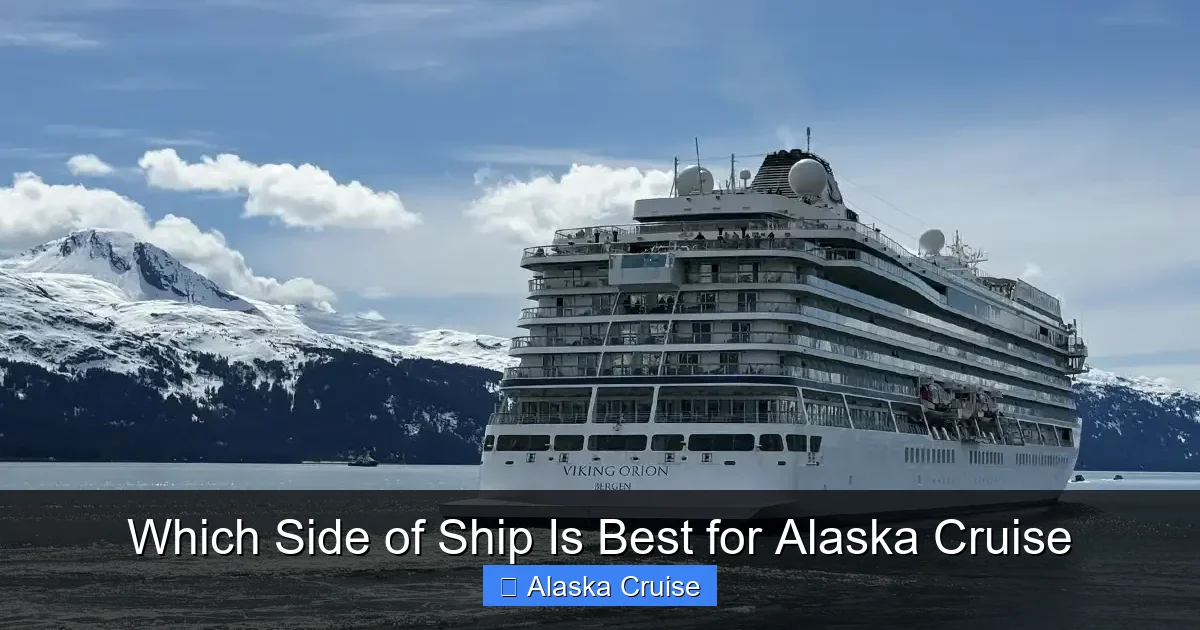
Choosing the best side of ship for an Alaska cruise depends on your itinerary, interests, and sailing direction. Whether you’re chasing glaciers, wildlife, or mountain vistas, understanding port locations and ship orientation can dramatically enhance your experience.
Key Takeaways
- Port location determines the best side: Most Alaska cruises dock on the starboard (right) side, making port-side cabins ideal for easy disembarkation and scenic arrivals.
- Glacier viewing is often port-side: In popular spots like Glacier Bay and Hubbard Glacier, the ship typically positions the port side toward the ice, offering prime views.
- Wildlife sightings vary by direction: Whales, bears, and seabirds are often spotted on the starboard side in certain regions, especially near Icy Strait Point and Ketchikan.
- Sailing direction matters: Northbound cruises may offer better morning light on the starboard side, while southbound voyages favor port-side sunrises.
- Cabin type influences the view: Balcony cabins provide unobstructed views, while oceanview or interior cabins may limit your ability to choose sides effectively.
- Weather and lighting change daily: Cloud cover, rain, and sunlight angles can shift which side offers the best photography and viewing opportunities.
- Flexibility enhances enjoyment: Even if you pick a side, staying mobile on deck ensures you don’t miss key moments, regardless of cabin location.
📑 Table of Contents
- Introduction: Why the Side of Your Ship Matters in Alaska
- Understanding Port vs. Starboard: The Basics
- Glacier Viewing: Which Side Gets the Best Views?
- Wildlife Spotting: Where to Be for the Best Sightings
- Port Arrivals and Departures: The Docking Advantage
- Weather, Lighting, and Time of Day: The X-Factors
- Choosing Your Cabin: Practical Tips and Strategies
- Conclusion: There’s No One-Size-Fits-All Answer
Introduction: Why the Side of Your Ship Matters in Alaska
Alaska is one of the most visually stunning cruise destinations on Earth. From towering glaciers and misty fjords to snow-capped peaks and abundant wildlife, every moment at sea can feel like a scene from a nature documentary. But here’s a little-known secret: where you are on the ship can make a big difference in what you see and how you experience it.
Unlike tropical cruises where the ocean stretches endlessly in every direction, Alaska’s coastline is dramatic and narrow. Ships sail close to shore, weaving through narrow channels like the Inside Passage, and often position themselves strategically to showcase the most breathtaking views. This means that one side of the ship might offer a front-row seat to a calving glacier, while the other side looks out onto open water or dense forest. Choosing the right side—port (left) or starboard (right)—can enhance your trip in ways you might not expect.
But it’s not just about scenery. The side of your cabin affects everything from sunrise views and wildlife spotting to how easily you can get off the ship in port. Some cruisers plan their entire cabin selection around this decision, while others don’t realize it matters until they’re already onboard. Whether you’re a first-time Alaska cruiser or a seasoned traveler, understanding which side of the ship is best for an Alaska cruise can help you make smarter choices and get the most out of your adventure.
Understanding Port vs. Starboard: The Basics
Before diving into which side is better, let’s clarify the basics. In nautical terms, port refers to the left side of the ship when facing the bow (front), and starboard is the right side. These terms are used universally in maritime settings to avoid confusion, especially since “left” and “right” can vary depending on which way a person is facing.
Knowing which side your cabin is on is essential, but it’s only part of the equation. The real key is understanding how the ship docks and sails through Alaska’s iconic routes. Most major ports in Alaska—like Juneau, Ketchikan, and Skagway—are designed with docking facilities on one side of the ship. In the vast majority of cases, cruise ships dock on the starboard (right) side. This means that if your cabin is on the starboard side, you’ll have a direct view of the town, the gangway, and the excitement of arrival.
But docking isn’t the only factor. When the ship is sailing, especially through narrow passages or near glaciers, the crew often maneuvers the vessel to position the most scenic views on one side. For example, in Glacier Bay National Park, ships typically turn so that the port side faces the glaciers. This allows passengers on that side to enjoy unobstructed views of ice calving, blue ice formations, and wildlife like seals and puffins.
So while starboard may be better for port arrivals, port side often wins for glacier viewing. It’s a trade-off, and one that depends heavily on your cruise itinerary and personal priorities.
Glacier Viewing: Which Side Gets the Best Views?
If you’re taking an Alaska cruise, chances are you’re hoping to see a glacier up close. And not just any glacier—majestic, ancient rivers of ice like Hubbard Glacier, Mendenhall Glacier, or the glaciers of Glacier Bay. These are the crown jewels of any Alaskan voyage, and getting a good view can be a once-in-a-lifetime experience.
Here’s the good news: glacier viewing is often best on the port side of the ship. Cruise lines are well aware of passenger expectations, and they plan their routes accordingly. In Glacier Bay, for instance, ships enter the park and slowly cruise past multiple glaciers, positioning the port side toward the ice. This allows for optimal viewing, photography, and even the chance to hear the thunderous crack of ice calving into the water.
Why port side? It’s largely due to the geography of the bay and the direction of the current. Ships enter Glacier Bay from the south and move northward, hugging the western shore. Since the most dramatic glaciers—like Margerie and Lamplugh—are on the west side, the ship naturally turns to face them with the port side forward. Passengers on the port side get unobstructed views, while those on starboard may see more of the open water or distant mountains.
The same pattern often holds true in other glacier-heavy areas. When sailing near Hubbard Glacier—one of the most active glaciers in North America—ships typically approach from the east and position the port side toward the ice. This gives passengers a front-row seat to one of nature’s most powerful displays.
That said, it’s not a hard and fast rule. Weather, tides, and park regulations can influence the ship’s path. On some days, the captain may choose a different angle for safety or visibility. But if glacier viewing is your top priority, booking a port-side cabin increases your chances of being on the right side at the right time.
Tips for Glacier Viewing
- Arrive early on deck: The best spots fill up quickly, especially during peak glacier passages. Aim to be on deck at least 30 minutes before the ship reaches the glacier.
- Bring binoculars: Even from the port side, some details—like wildlife on the ice or distant calving events—are easier to see with magnification.
- Dress in layers: Glacier viewing can be chilly, even in summer. Wind off the ice can make it feel much colder than the air temperature.
- Stay flexible: If you’re on the starboard side, don’t despair. Many ships have open decks or promenade areas where you can move around and still get great views.
Wildlife Spotting: Where to Be for the Best Sightings
Alaska is a wildlife paradise. From humpback whales breaching in the distance to bald eagles soaring overhead, every day at sea offers new opportunities to connect with nature. But just like with glaciers, your position on the ship can influence what you see and when.
Whales, in particular, are often spotted on the starboard side during certain parts of the journey. This is especially true in areas like Icy Strait Point and near the mouth of Glacier Bay, where nutrient-rich waters attract large numbers of marine mammals. Humpback whales, orcas, and even gray whales can be seen feeding, playing, or migrating through these waters.
Why starboard? It often comes down to the direction of the current and the ship’s route. In Icy Strait, for example, ships typically sail westward, with the starboard side facing the open ocean and the nutrient-rich currents that draw whales. Passengers on that side may spot pods of whales breaching or spouting in the distance, while those on port see more of the forested shoreline.
Bears are another highlight of Alaska cruises, especially in places like Ketchikan and Juneau, where bears frequent the rivers to catch salmon. While you’re unlikely to see bears from the ship itself, the side of your cabin can affect your view of the shore. If your ship docks starboard-side in Ketchikan, for instance, starboard cabins offer a direct view of the town, the docks, and the surrounding rainforest—where bears are sometimes spotted along the water’s edge.
Seabirds, seals, and sea lions are also common sightings, and they can appear on either side depending on the time of day and the ship’s path. However, early morning and late afternoon tend to be the best times for wildlife activity, and the side of the ship that faces the sun during these times often offers better lighting for spotting and photography.
Maximizing Your Wildlife Experience
- Choose a cabin with a balcony: A private balcony gives you a quiet, unobstructed space to scan the horizon with binoculars.
- Use the ship’s naturalist programs: Most Alaska cruises offer onboard naturalists who provide commentary and help passengers spot wildlife. Attend their talks and follow their guidance.
- Keep a wildlife journal: Note the time, location, and side of the ship when you spot animals. Over time, you’ll start to see patterns.
- Be patient and observant: Wildlife doesn’t follow a schedule. Sometimes the best sightings happen when you least expect them.
Port Arrivals and Departures: The Docking Advantage
One of the most practical reasons to consider which side of the ship you’re on is docking. As mentioned earlier, most Alaska cruise ships dock on the starboard side. This means that if your cabin is on the starboard side, you’ll have a direct view of the port, the gangway, and the activity as you arrive and depart.
For many cruisers, this is a big advantage. Imagine waking up in Juneau and seeing the bustling waterfront, the colorful buildings, and the mountains rising behind the town—all from the comfort of your cabin. Or picture yourself in Skagway, watching the historic railroad tracks and gold rush-era buildings come into view as the ship pulls into port. These moments set the tone for your shore excursion and can make the arrival feel even more exciting.
Starboard-side cabins also offer a practical benefit: easier access to the gangway. When it’s time to disembark, passengers on the starboard side are already facing the dock, which can make the process smoother and faster. This is especially helpful if you have a tight schedule or are eager to start your shore excursion.
Of course, port-side cabins have their own charm. While you may not have a direct view of the dock, you’ll often see the open water, distant islands, or the opposite shore. In some ports, like Ketchikan, the port side offers views of the Tongass National Forest and the surrounding wilderness—perfect for nature lovers who prefer solitude over town scenes.
Choosing Based on Your Travel Style
- If you love photography: A starboard-side cabin gives you great shots of port arrivals, especially in the morning light.
- If you prefer quiet mornings: A port-side cabin facing the water can offer a peaceful, scenic start to your day.
- If you’re traveling with kids: Starboard-side cabins near the gangway can make it easier to manage gear and keep an eye on little ones during disembarkation.
- If you’re on a budget: Port-side cabins are often slightly less expensive, making them a smart choice for cost-conscious travelers.
Weather, Lighting, and Time of Day: The X-Factors
Even with the best planning, Alaska’s weather can be unpredictable. Clouds, rain, fog, and sudden changes in sunlight can affect which side of the ship offers the best views on any given day. Understanding how lighting and weather interact with your position can help you adapt and still enjoy the journey.
Morning light, for example, often favors the starboard side on northbound cruises. As the sun rises in the east, it illuminates the right side of the ship, creating golden-hour conditions perfect for photography. This is especially true in ports like Juneau and Skagway, where the mountains catch the early light beautifully.
In contrast, southbound cruises may offer better morning light on the port side, depending on the route. If your ship is sailing south in the morning, the sun will hit the left side, making port-side cabins ideal for sunrise views.
Afternoon and evening light can shift the advantage back to starboard, especially during glacier viewing. The low angle of the evening sun can make the ice glow with a blue or pink hue, creating stunning photo opportunities. But if it’s overcast or raining, the difference between sides may be minimal—visibility is limited regardless.
Wind and waves also play a role. In rough seas, the side of the ship facing the wind may experience more motion, which can affect comfort. Some passengers prefer to be on the leeward (sheltered) side during choppy conditions, though this varies by ship and sea state.
Adapting to Changing Conditions
- Check the daily itinerary: The cruise director often announces which side will have the best views for key events like glacier passages.
- Use the ship’s app or announcements: Many cruise lines provide real-time updates on wildlife sightings and scenic highlights.
- Stay mobile: Even if your cabin is on one side, spend time on both sides of the ship to catch different views and lighting.
- Pack a rain jacket: Alaska’s weather can change quickly. Being prepared means you can enjoy the views no matter the conditions.
Choosing Your Cabin: Practical Tips and Strategies
Now that you understand the factors that influence which side of the ship is best, it’s time to make a decision. Choosing your cabin wisely can enhance your Alaska cruise experience in meaningful ways. Here are some practical tips to help you pick the right side—and the right cabin—for your needs.
First, consider your cruise itinerary. Are you visiting Glacier Bay? Then a port-side cabin may be worth the extra cost. Is Icy Strait Point on your route? A starboard-side cabin could give you better whale-watching opportunities. Look at the map of your cruise and identify the key scenic highlights, then match them to the likely ship orientation.
Next, think about your travel style. Do you love waking up to a new view every morning? A balcony cabin on the preferred side can make each day feel special. Do you prefer quiet and privacy? A higher deck with fewer crowds might be more important than the side.
Also, consider the ship itself. Some vessels have more open deck space on one side, or better viewing areas like bow lounges or aft promenades. Research your ship’s layout before booking to understand where the best public viewing spots are.
Finally, don’t forget about price. Starboard-side cabins are often in higher demand, especially on popular routes, which can drive up the cost. If budget is a concern, a port-side cabin with a good view of the water or mountains can still offer a fantastic experience.
Cabin Selection Checklist
- Review the itinerary map: Identify key scenic areas and note which side is likely to face them.
- Check cabin location: Use the cruise line’s deck plan to see exactly where your cabin is positioned.
- Read recent reviews: Other passengers often share insights about specific cabins and views.
- Book early: The best cabins—especially on the preferred side—sell out quickly.
- Consider a midship location: Cabins in the middle of the ship tend to have less motion and better balance.
Conclusion: There’s No One-Size-Fits-All Answer
So, which side of the ship is best for an Alaska cruise? The honest answer is: it depends. There’s no single side that’s perfect for every traveler, every itinerary, or every day at sea. The best choice depends on your priorities—whether you’re chasing glaciers, wildlife, port views, or simply a peaceful morning with a cup of coffee and a view.
For glacier lovers, the port side often offers the most dramatic views. For wildlife enthusiasts, the starboard side may provide better opportunities to spot whales and seabirds. For those who value convenience and port arrivals, starboard-side cabins are usually the way to go. And for travelers who want flexibility, staying mobile and spending time on both sides of the ship can be the smartest strategy of all.
Ultimately, the beauty of an Alaska cruise is in its unpredictability. No two days are the same, and no two views are identical. Whether you’re on the port or starboard side, you’re guaranteed to see breathtaking scenery, encounter incredible wildlife, and create memories that will last a lifetime.
So go ahead—choose your side with confidence, but stay open to the magic of the moment. Because in Alaska, the journey is just as important as the destination.
Frequently Asked Questions
Is the port side always better for glacier viewing?
Not always, but it’s common. Ships often position the port side toward glaciers in places like Glacier Bay and near Hubbard Glacier. However, weather, tides, and park regulations can influence the ship’s path, so it’s not guaranteed.
Do cruise ships always dock on the starboard side in Alaska?
Yes, in most cases. The majority of Alaska ports are designed for starboard-side docking, making it easier for passengers to disembark. This means starboard-side cabins offer better views of port arrivals.
Can I change sides during the cruise?
No, you can’t change your cabin side during the cruise. However, you can move around the ship to enjoy views from both sides, especially on open decks and promenades.
Are starboard-side cabins more expensive?
Often, yes. Because they offer better port views and easier disembarkation, starboard-side cabins are in higher demand and may cost more than port-side cabins.
What if I’m prone to seasickness? Does the side matter?
Yes, slightly. Midship cabins on lower decks tend to have the least motion. The side of the ship has less impact on seasickness than location, but being on the leeward (sheltered) side during rough seas can help.
Should I book a balcony cabin for the best views?
A balcony cabin offers the most flexibility and privacy for viewing, but it’s not essential. Many passengers enjoy scenic moments from public decks, especially during glacier passages and wildlife sightings.