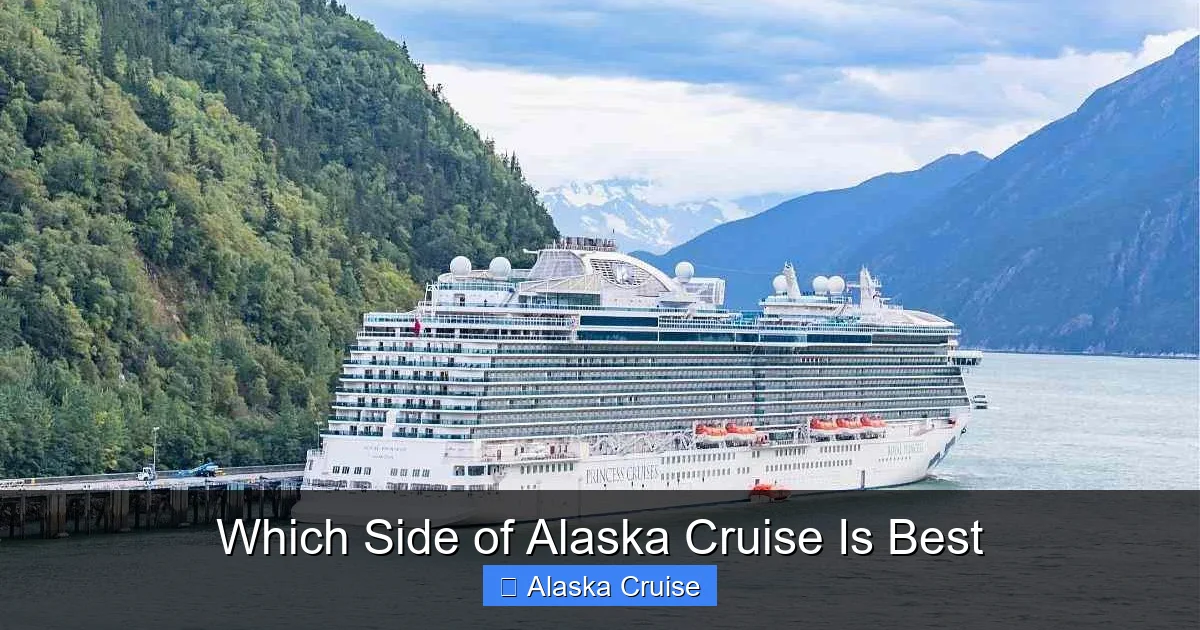
Choosing the best side of an Alaska cruise depends on your travel style and what you want to see. The Inside Passage offers lush rainforests and charming towns, while the Gulf Coast delivers dramatic glaciers and wildlife. This guide breaks down both routes so you can pick the perfect Alaskan adventure.
So, you’ve decided to take an Alaska cruise—congratulations! You’re in for jaw-dropping scenery, incredible wildlife, and some of the most pristine wilderness on Earth. But now comes the big question: which side of Alaska cruise is best?
Alaska isn’t just one destination—it’s a vast, diverse region with two main cruise routes: the **Inside Passage** and the **Gulf Coast** (also called the Gulf of Alaska). Each offers a completely different experience, from the types of ports you visit to the wildlife you’ll see and the landscapes that will leave you speechless. The “best” side really depends on what you’re looking for. Are you dreaming of towering glaciers and icy fjords? Or do you prefer charming coastal towns, totem poles, and lush rainforests?
In this guide, we’ll break down both routes in detail—what you’ll see, where you’ll go, and what to expect. Whether you’re a first-time cruiser or a seasoned traveler, this will help you choose the Alaska cruise that fits your style. Let’s dive in and explore which side of Alaska cruise is best for you.
Key Takeaways
- Inside Passage cruises are ideal for first-time visitors who want scenic beauty, mild weather, and access to historic towns like Juneau and Ketchikan.
- Gulf Coast (Gulf of Alaska) cruises offer more glacier viewing, including Hubbard Glacier and Glacier Bay, and better chances to see marine wildlife like whales and sea lions.
- Departure city matters—Seattle-based cruises typically follow the Inside Passage, while Vancouver and Seward departures often include Gulf Coast destinations.
- Itinerary length impacts experience—7-day cruises may stick to one region, while 10–14-day voyages can combine both sides for a fuller Alaska experience.
- Wildlife sightings vary by route—bears and eagles are common in the Inside Passage, while orcas, humpbacks, and puffins thrive along the Gulf Coast.
- Weather and sea conditions differ—the Inside Passage is calmer and warmer; the Gulf Coast can be rougher but offers more dramatic coastal views.
- Personal preference is key—nature lovers may prefer the Gulf Coast, while culture seekers might enjoy the towns and Native heritage of the Inside Passage.
📑 Table of Contents
- Understanding the Two Main Alaska Cruise Routes
- Inside Passage: Scenic Beauty and Historic Towns
- Gulf Coast: Glaciers, Wildlife, and Raw Nature
- Departure Cities: How They Affect Your Route
- Itinerary Length: Short vs. Long Cruises
- Wildlife and Scenery: What You’ll See on Each Route
- Which Side Is Best for You?
- Final Tips for Choosing Your Alaska Cruise
Understanding the Two Main Alaska Cruise Routes
When planning an Alaska cruise, the first thing to understand is that there are two primary routes: the **Inside Passage** and the **Gulf Coast**. These aren’t just different directions—they offer entirely different experiences in terms of scenery, wildlife, ports, and even weather.
The **Inside Passage** runs along the southeastern coast of Alaska, a narrow network of waterways protected by islands and fjords. This route is known for its calm waters, dense temperate rainforests, and historic Gold Rush towns. Cruises here typically depart from Seattle or Vancouver and visit ports like Juneau, Skagway, and Ketchikan. It’s the most popular route for first-time cruisers because it’s scenic, accessible, and packed with cultural and natural attractions.
On the other hand, the **Gulf Coast** (or Gulf of Alaska) route ventures further north and west, hugging the open waters of the Pacific Ocean. This route includes destinations like Seward, Whittier, and Hubbard Glacier. It’s known for its dramatic glaciers, rugged coastlines, and abundant marine wildlife. Cruises here often depart from Vancouver or Seward and may include a stop at Glacier Bay National Park, a UNESCO World Heritage Site.
So, which is better? That depends on what you value most. If you love small towns, Native culture, and lush greenery, the Inside Passage might be your match. But if you’re all about glaciers, whales, and raw natural power, the Gulf Coast could be the way to go. Many travelers don’t realize they can experience both—some longer cruises combine elements of both routes, giving you the best of both worlds.
Inside Passage: Scenic Beauty and Historic Towns

Visual guide about Which Side of Alaska Cruise Is Best
Image source: lifesporttravel.com
If you’re looking for a classic Alaska cruise experience, the Inside Passage is where it all begins. This route is like stepping into a postcard—misty mountains, emerald waters, and towering evergreens line the shores. It’s no wonder this is the most popular route for first-time cruisers.
Ports of Call and Cultural Highlights
One of the biggest draws of the Inside Passage is its charming ports. Each stop offers a unique slice of Alaskan life, from Gold Rush history to Native heritage.
**Juneau**, the state capital, is accessible only by boat or plane—no roads connect it to the rest of Alaska. Here, you can visit the Mendenhall Glacier, a stunning 13-mile-long glacier just 12 miles from downtown. Take a guided hike, go kayaking on the lake in front of the glacier, or visit the Alaska State Museum to learn about local history and culture. Juneau is also a great spot for whale watching—humpbacks are frequently spotted in the surrounding waters.
**Skagway** is a step back in time. This former Gold Rush boomtown has preserved its wooden boardwalks and false-front buildings, giving it a Wild West vibe. Walk down Broadway, visit the Klondike Gold Rush National Historical Park, or take the White Pass and Yukon Route Railway—a narrow-gauge train that climbs 2,865 feet through steep mountain passes. It’s one of the most scenic train rides in North America.
**Ketchikan** calls itself the “Salmon Capital of the World,” and it’s easy to see why. This colorful town clings to the side of a mountain, with houses built on stilts over the water. Visit Creek Street, a historic red-light district turned tourist hotspot, or explore the Totem Heritage Center, which houses some of the oldest totem poles in Alaska. You can also take a floatplane tour to nearby Misty Fjords National Monument, a breathtaking wilderness area of sheer cliffs and waterfalls.
Wildlife and Natural Wonders
The Inside Passage is rich in wildlife, especially birds and land animals. Bald eagles are everywhere—perched on treetops, soaring over the water, or diving for fish. You might spot black bears foraging along the shoreline, especially in areas like Tongass National Forest, the largest national forest in the United States.
Marine life is abundant too. While you won’t see as many whales as on the Gulf Coast, humpbacks and orcas do pass through, especially near Juneau. Sea lions and harbor seals are common, and you might even catch a glimpse of a sea otter floating on its back.
One of the most magical experiences is cruising through **Tracy Arm** or **Endicott Arm**, narrow fjords surrounded by 3,000-foot granite walls. Icebergs calve from the Sawyer Glaciers and float into the water, creating a surreal, icy landscape. It’s quiet, peaceful, and utterly unforgettable.
Weather and Comfort
The Inside Passage is known for its mild weather and calm seas. Because the route is protected by islands, the water is generally smooth, making it ideal for travelers who are prone to seasickness. Summer temperatures range from the 50s to 60s Fahrenheit, with occasional rain—hence the lush greenery.
This route is also more accessible. Most cruises depart from Seattle or Vancouver, major cities with easy flight connections. That makes it a convenient choice for travelers coming from the lower 48 or international destinations.
Gulf Coast: Glaciers, Wildlife, and Raw Nature
If the Inside Passage is Alaska’s gentle side, the Gulf Coast is its wild heart. This route takes you into the open waters of the Pacific, where glaciers calve into the sea, whales breach in the distance, and the landscape feels untamed and powerful.
Glaciers and Icebergs
The Gulf Coast is glacier country. One of the most famous stops is **Hubbard Glacier**, North America’s largest tidewater glacier. Stretching over 7 miles wide and rising 300 feet above the water, it’s a sight to behold. As your ship approaches, you’ll hear the deep rumble of ice calving—chunks of glacier breaking off and crashing into the sea. It’s loud, dramatic, and completely awe-inspiring.
Another highlight is **Glacier Bay National Park**, a UNESCO World Heritage Site and one of the most protected areas in Alaska. Here, you’ll cruise past massive glaciers like Margerie and Grand Pacific, surrounded by snow-capped peaks and pristine wilderness. Park rangers often come aboard to share insights about the glaciers and wildlife, making the experience both educational and unforgettable.
Marine Wildlife and Birdwatching
The Gulf Coast is a hotspot for marine life. The nutrient-rich waters attract huge numbers of whales, especially humpbacks and orcas. During peak season (July and August), it’s common to see multiple pods feeding and playing near the ship. Sea lions haul out on rocky islands, puffins dart across the water, and bald eagles soar overhead.
One of the best wildlife experiences is a stop at **St. Lazaria Island**, a small bird sanctuary near Sitka. Here, you can see thousands of seabirds, including tufted puffins, murres, and kittiwakes. It’s a noisy, lively place—and a photographer’s dream.
Ports and Adventure Opportunities
The Gulf Coast includes ports like **Seward** and **Whittier**, both gateway cities to **Kenai Fjords National Park**. From Seward, you can take a day cruise into the park to see more glaciers, fjords, and wildlife. Kayaking among icebergs, hiking on Exit Glacier, or taking a flightseeing tour over the Harding Icefield are all popular activities.
Whittier is a small, quirky town accessible through a 2.5-mile tunnel—the only way in or out by car. It’s a launching point for glacier tours and fishing charters. Some cruises also stop at **Icy Strait Point**, a private Native-owned destination near Hoonah, where you can zipline through the rainforest, watch brown bears from a viewing platform, or learn about Tlingit culture.
Weather and Sea Conditions
The Gulf Coast is more exposed to the open ocean, so seas can be rougher—especially in early summer or late fall. If you’re prone to motion sickness, consider medication or choosing a midship cabin on a larger ship for more stability.
Weather is also cooler and more variable. Temperatures range from the 40s to 60s, and rain is common. But don’t let that deter you—the dramatic scenery and wildlife sightings more than make up for it.
Departure Cities: How They Affect Your Route
Where your cruise starts and ends plays a big role in which side of Alaska you’ll see. Most cruises fall into one of three categories: round-trip from Seattle, round-trip from Vancouver, or one-way between Vancouver and Seward/Whittier.
Seattle-Based Cruises
Cruises departing from **Seattle** almost always follow the Inside Passage. These are typically 7-day round-trip voyages that visit Juneau, Skagway, and Ketchikan. They’re convenient for U.S. travelers and offer a classic Alaska experience with minimal travel hassle.
Vancouver-Based Cruises
**Vancouver** is a major cruise hub and offers more flexibility. Round-trip Vancouver cruises often stick to the Inside Passage, but one-way cruises (northbound or southbound) can include Gulf Coast destinations. For example, a northbound cruise might start in Vancouver, visit Inside Passage ports, then continue to Seward or Whittier before ending in Alaska.
Seward and Whittier Departures
Cruises that begin or end in **Seward** or **Whittier** are almost always Gulf Coast-focused. These one-way itineraries often include Hubbard Glacier, Glacier Bay, and Kenai Fjords. They’re ideal for travelers who want to maximize glacier viewing and wildlife sightings.
Choosing the Right Departure City
If you’re set on seeing glaciers and don’t mind a one-way trip, consider a Seward departure. If you prefer round-trip convenience and charming towns, Seattle or Vancouver might be better. And if you want a mix of both, look for longer cruises (10+ days) that combine Inside Passage and Gulf Coast stops.
Itinerary Length: Short vs. Long Cruises
The length of your cruise also affects which side of Alaska you’ll experience.
7-Day Cruises
Most 7-day cruises stick to one region. Seattle and Vancouver round-trips focus on the Inside Passage, while Seward-based cruises emphasize the Gulf Coast. These are great for first-timers or those with limited time.
10- to 14-Day Cruises
Longer cruises offer the best of both worlds. You might start in Vancouver, cruise the Inside Passage, then cross the Gulf of Alaska to visit Seward and Hubbard Glacier before ending in Whittier. These itineraries give you more time in port, more wildlife viewing, and a fuller sense of Alaska’s diversity.
Land-and-Sea Combinations
Many travelers choose a **cruise tour**, which combines a cruise with a land portion. For example, you might cruise the Inside Passage, then disembark in Seward and take a train to Denali National Park for bear and moose sightings. These trips offer a complete Alaska experience but require more time and planning.
Wildlife and Scenery: What You’ll See on Each Route
Both routes offer incredible wildlife and scenery, but the types of experiences differ.
Inside Passage Wildlife
– Bald eagles (very common)
– Black bears (especially in Tongass Forest)
– Humpback whales (seasonal, near Juneau)
– Sea lions and harbor seals
– Salmon runs (summer)
Gulf Coast Wildlife
– Humpback and orca whales (more frequent sightings)
– Sea otters and puffins
– Brown bears (near Icy Strait Point)
– Steller sea lions
– Seabird colonies (St. Lazaria Island)
Scenery Comparison
– **Inside Passage**: Lush rainforests, misty fjords, historic towns, calm waters.
– **Gulf Coast**: Towering glaciers, icy fjords, rugged coastlines, open ocean views.
Which Side Is Best for You?
So, which side of Alaska cruise is best? The answer depends on your priorities.
Choose the **Inside Passage** if you:
– Are a first-time cruiser
– Prefer mild weather and calm seas
– Love small towns and cultural experiences
– Want easy access from major cities
Choose the **Gulf Coast** if you:
– Are passionate about glaciers and wildlife
– Don’t mind rougher seas or cooler weather
– Want a more remote, adventurous experience
– Are okay with a one-way itinerary
And if you can’t decide? Consider a longer cruise that combines both. You’ll get the best of Alaska’s scenic beauty, wildlife, and culture—all in one unforgettable trip.
Final Tips for Choosing Your Alaska Cruise
– **Book early**: Alaska cruises fill up fast, especially for peak season (June–August).
– **Pack layers**: Weather changes quickly, even in summer.
– **Bring binoculars**: Essential for wildlife and glacier viewing.
– **Choose the right cabin**: Midship, lower decks for stability; outside cabins for views.
– **Research excursions**: Book popular tours (like whale watching or glacier hikes) in advance.
No matter which side you choose, an Alaska cruise is a journey you’ll never forget. The glaciers will take your breath away, the wildlife will amaze you, and the sheer scale of nature will leave you humbled. So go ahead—pick your route, pack your bags, and get ready for the adventure of a lifetime.
Frequently Asked Questions
Which side of Alaska cruise has more glaciers?
The Gulf Coast route offers more glacier viewing, including Hubbard Glacier and Glacier Bay National Park. These areas feature massive tidewater glaciers that calve into the sea, creating dramatic and unforgettable sights.
Is the Inside Passage or Gulf Coast better for wildlife?
Both routes offer great wildlife, but the Gulf Coast has more marine mammals like whales and sea lions. The Inside Passage is better for land animals like bears and eagles, especially in forested areas and near salmon streams.
Can I see both sides on one cruise?
Yes! Longer cruises (10–14 days) often combine Inside Passage and Gulf Coast destinations. These itineraries typically start in Vancouver and end in Seward or Whittier, giving you a full Alaska experience.
Which route is better for first-time cruisers?
The Inside Passage is ideal for first-timers due to its calm seas, mild weather, and charming ports. It’s also more accessible, with round-trip departures from Seattle and Vancouver.
Are Gulf Coast cruises rougher?
Yes, the Gulf Coast can have rougher seas because it’s more exposed to the open ocean. If you’re prone to motion sickness, choose a midship cabin and consider medication.
What’s the best time to cruise Alaska?
Peak season is June through August, when weather is warmest and wildlife is most active. May and September offer fewer crowds and lower prices, but some excursions may be limited.