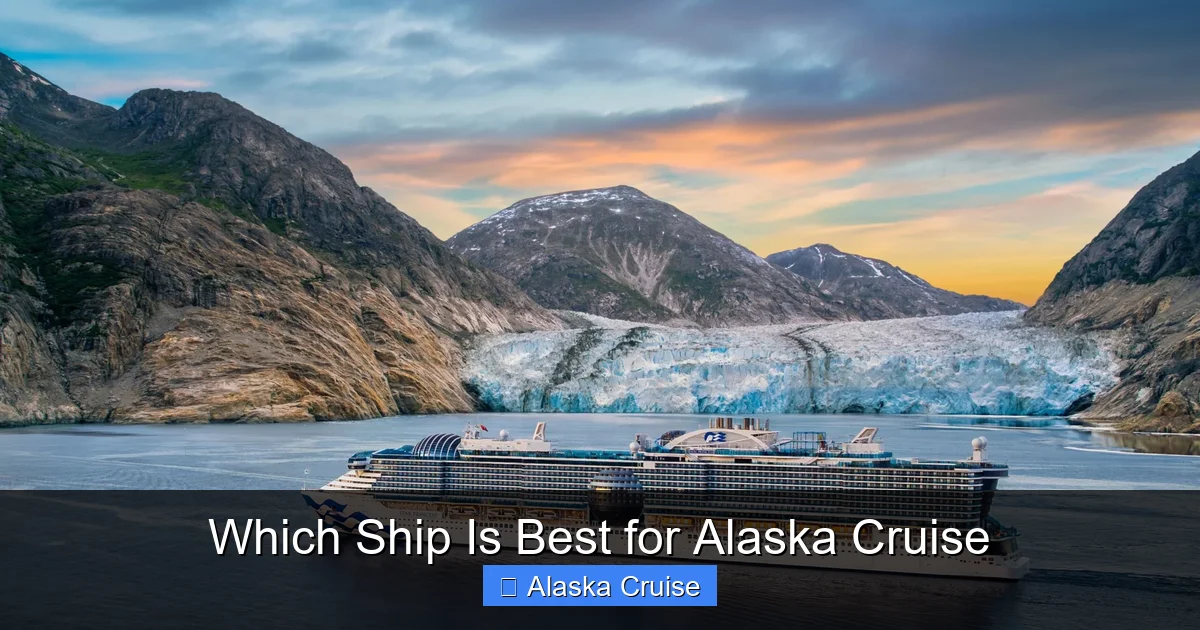
Choosing the best ship for an Alaska cruise depends on your travel style, budget, and priorities. Whether you crave luxury, adventure, or family-friendly fun, the right vessel can elevate your experience in America’s last frontier. From intimate expedition ships to massive floating resorts, we break down the top options so you can sail with confidence.
Planning an Alaska cruise is one of the most exciting travel decisions you’ll ever make. The rugged coastline, towering glaciers, and abundant wildlife create a backdrop unlike any other destination on Earth. But before you can marvel at a breaching humpback whale or hike through a temperate rainforest, you need to answer a crucial question: which ship is best for Alaska cruise?
It’s not just about picking a name from a brochure. The right ship can mean the difference between a good trip and an unforgettable one. Some vessels are built for luxury, others for adventure, and many strike a balance between comfort and exploration. Your ideal match depends on what you value most—whether that’s gourmet meals, kid-friendly activities, intimate wildlife encounters, or simply the freedom to relax with a cocktail while glaciers calve in the distance.
In this guide, we’ll walk you through the key factors to consider when choosing your Alaska cruise ship. We’ll compare ship sizes, cruise lines, itineraries, onboard experiences, and seasonal considerations. By the end, you’ll have a clear picture of which ship aligns with your travel personality and Alaskan dreams.
Key Takeaways
- Smaller ships access remote ports: Expedition-style vessels under 200 passengers can dock in smaller towns like Ketchikan and Haines, offering more authentic Alaskan experiences.
- Luxury lines offer premium service: Brands like Seabourn and Silversea provide all-inclusive packages with gourmet dining, expert guides, and personalized excursions.
- Family-friendly ships have more amenities: Carnival, Royal Caribbean, and Disney Cruise Line feature kids’ clubs, water parks, and Broadway-style shows for multi-generational travelers.
- Itinerary matters as much as the ship: Look for routes that include Glacier Bay National Park, Hubbard Glacier, and wildlife-rich areas like Icy Strait Point.
- Season impacts wildlife and weather: May–June offers calmer seas and migrating whales; July–August is peak season with warmer temps but more crowds.
- Expedition ships focus on nature: Hurtigruten and Lindblad Expeditions prioritize wildlife viewing, Zodiac tours, and onboard naturalists over onboard entertainment.
- Consider onboard dining and enrichment: Ships with local Alaskan cuisine, cultural talks, and ranger-led programs enhance the educational value of your journey.
📑 Table of Contents
- Why Ship Choice Matters in Alaska
- Top Cruise Lines for Alaska: A Breakdown
- Ship Size: Small vs. Large—What’s Right for You?
- Itineraries: Where the Ship Takes You
- Onboard Experience: Dining, Entertainment, and Enrichment
- Seasonal Considerations: When to Sail
- Final Tips for Choosing the Best Alaska Cruise Ship
Why Ship Choice Matters in Alaska
Alaska isn’t like cruising the Caribbean or the Mediterranean. The geography is wilder, the ports are smaller, and the natural wonders are front and center. Unlike tropical destinations where the ship is mainly a floating hotel, in Alaska, the vessel itself becomes part of the experience. It’s your front-row seat to glaciers, your launchpad for kayaking adventures, and your cozy retreat after a day of exploring.
The size of your ship directly impacts where you can go. Larger cruise ships—those with 2,000+ passengers—are impressive floating cities with theaters, surf simulators, and multiple dining venues. But they’re also limited in where they can dock. Many major lines can’t access smaller, more scenic ports like Haines or Skagway’s historic downtown due to draft restrictions or port capacity. Instead, they may anchor offshore and use tenders to ferry passengers ashore.
Smaller ships, especially those under 200 passengers, can slip into these hidden gems. They often spend more time in port, allowing for early morning wildlife tours or late-evening walks through quiet towns. These vessels also tend to have more flexible itineraries, able to reposition based on weather or wildlife sightings.
Then there’s the matter of onboard culture. A mega-ship might offer 10 different dining options and a rock-climbing wall, but it may lack the intimate, educational atmosphere that many Alaska travelers seek. Expedition ships, on the other hand, often feature marine biologists, historians, and local guides who deliver daily lectures and lead shore excursions. The focus shifts from entertainment to enrichment.
Ultimately, the best ship for your Alaska cruise is the one that matches your expectations. Are you looking for a relaxing, all-inclusive getaway? A high-energy family vacation? Or a rugged, nature-focused adventure? Your answer will guide you toward the right vessel.
Top Cruise Lines for Alaska: A Breakdown
Not all cruise lines are created equal when it comes to Alaska. Some specialize in luxury, others in family fun, and a few in immersive exploration. Let’s look at the top players and what they bring to the table.
Luxury Lines: Seabourn, Silversea, and Regent Seven Seas
If you’re seeking elegance and personalized service, luxury lines are hard to beat. Seabourn, Silversea, and Regent Seven Seas all offer all-inclusive Alaska cruises with spacious suites, gourmet dining, and exceptional staff-to-guest ratios.
Seabourn’s ships, like the Seabourn Odyssey, are intimate (around 450 passengers) and designed for comfort. They include complimentary shore excursions, premium beverages, and fine dining with menus crafted by celebrity chefs. Their Alaska itineraries often include Glacier Bay and Hubbard Glacier, with expert naturalists onboard to enhance the experience.
Silversea takes luxury a step further with smaller ships (under 300 passengers) and ultra-personalized service. Their Silver Whisper and Silver Spirit vessels offer butler service, all-suite accommodations, and inclusive experiences like Zodiac landings and guided hikes. Silversea also partners with National Geographic, adding photography workshops and enhanced wildlife viewing opportunities.
Regent Seven Seas Cruises is known for its “all-inclusive, all-suite” model. Their ships, such as the Seven Seas Explorer, include airfare, unlimited shore excursions, premium drinks, and specialty dining. Regent’s Alaska routes often feature extended port times and overnight stays in cities like Juneau, giving guests more time to explore.
These lines are ideal for travelers who want to see Alaska in style—without sacrificing access to remote destinations. However, they come at a premium price, with suites often starting at $10,000+ per person.
Mainstream Lines: Royal Caribbean, Carnival, and Norwegian
For families and travelers seeking variety and value, mainstream cruise lines offer some of the best Alaska cruise ships in terms of amenities and entertainment.
Royal Caribbean’s Ovation of the Seas and Quantum of the Seas are floating resorts with skydiving simulators, robotic bartenders, and Broadway-style shows. These ships are perfect for multi-generational trips, with dedicated kids’ clubs, teen lounges, and family-friendly dining. Their Alaska itineraries typically include Juneau, Skagway, Ketchikan, and Glacier Bay, with plenty of onboard activities to keep everyone engaged.
Carnival Cruise Line brings its signature fun vibe to Alaska with ships like the Carnival Spirit. While not as large as some competitors, the Spirit offers water slides, comedy clubs, and 24-hour pizza. Carnival’s Alaska cruises are budget-friendly and great for first-time cruisers or those looking for a relaxed, party-friendly atmosphere.
Norwegian Cruise Line (NCL) stands out with its “Freestyle Cruising” concept—no fixed dining times or dress codes. Ships like the Norwegian Bliss feature go-kart tracks, laser tag, and multiple specialty restaurants. NCL’s Alaska routes often include Icy Strait Point, a private wildlife sanctuary with zip-lining and bear viewing, making it a hit with adventure seekers.
These lines are excellent for travelers who want a mix of port exploration and onboard fun. However, their larger size means they may miss some smaller ports and offer less personalized service.
Expedition Lines: Hurtigruten, Lindblad Expeditions, and UnCruise
For travelers who prioritize nature over nightlife, expedition cruise lines offer a completely different Alaska experience. These small ships focus on wildlife, education, and immersive shore excursions.
Hurtigruten (now Hurtigruten Expeditions) operates ships like the MS Roald Amundsen, named after the famous polar explorer. These vessels are designed for polar regions, with reinforced hulls and advanced navigation systems. They carry around 500 passengers and feature science centers, expert guides, and daily excursions via Zodiac or kayak. Hurtigruten’s itineraries often include remote areas like the Inside Passage, Tracy Arm Fjord, and even Arctic extensions to the Pribilof Islands.
Lindblad Expeditions, in partnership with National Geographic, offers some of the most educational Alaska cruises available. Their ships, such as the National Geographic Sea Bird, carry fewer than 100 passengers and are led by a team of naturalists, photographers, and historians. Guests can participate in citizen science projects, attend photography workshops, and explore tide pools with marine biologists. Lindblad’s focus is on conservation and discovery, making it ideal for curious, eco-conscious travelers.
UnCruise Adventures takes intimacy to the next level with ships that carry only 22 to 86 passengers. Their vessels, like the Wilderness Adventurer, are built for adventure—offering kayaking, paddleboarding, and hiking directly from the ship. UnCruise itineraries often include Glacier Bay, whale watching in Frederick Sound, and visits to indigenous communities. The experience is informal, active, and deeply connected to the Alaskan wilderness.
These expedition lines are perfect for travelers who want to get off the beaten path and learn from experts. However, they offer fewer onboard luxuries and may not suit those looking for traditional cruise entertainment.
Ship Size: Small vs. Large—What’s Right for You?
One of the biggest decisions when choosing an Alaska cruise ship is size. Do you prefer the intimacy of a small vessel or the variety of a mega-ship? Let’s break down the pros and cons.
Small Ships (Under 200 Passengers)
Small ships offer a more personal, immersive experience. With fewer guests, you’ll enjoy faster service, more attentive staff, and a stronger sense of community. These vessels can access remote ports and navigate narrow fjords that larger ships can’t reach.
For example, a small ship might spend the entire day in Tracy Arm Fjord, allowing passengers to watch glaciers calve from multiple angles. They can also anchor closer to shore, making Zodiac landings and kayaking excursions more accessible.
Small ships often have open decks and flexible seating, so you’re never fighting for a spot to see wildlife. Many also feature expert-led programs, with naturalists and historians giving daily talks on Alaskan ecology, culture, and history.
However, small ships come with trade-offs. Amenities are limited—no rock climbing walls, ice skating rinks, or multiple dining venues. Cabins may be smaller, and entertainment is usually low-key. If you’re looking for nonstop action, a small ship might feel too quiet.
Large Ships (2,000+ Passengers)
Large ships are like floating cities, offering endless entertainment and dining options. Think multiple pools, Broadway-style shows, surf simulators, and specialty restaurants from world-renowned chefs. These ships are ideal for families, couples, and groups who want variety and convenience.
On a large ship, you can spend the morning watching a glacier from the deck, then enjoy a sushi lunch, catch a comedy show, and end the day with a cocktail at a rooftop bar. The sheer scale means there’s always something to do, even on sea days.
But large ships have limitations. They can’t dock in many smaller Alaskan ports, so you may spend more time on tenders or miss out on scenic stops altogether. Crowds can be an issue, especially during peak season. And while they offer great views, they may not get as close to wildlife or glaciers as smaller vessels.
Mid-Sized Ships (500–1,500 Passengers)
Mid-sized ships strike a balance between intimacy and amenities. Lines like Holland America and Princess Cruises operate ships in this range, offering a mix of comfort, service, and access.
Holland America’s Westerdam and Zaandam carry around 1,400 passengers and feature elegant interiors, multiple dining venues, and enrichment programs. Their Alaska itineraries often include Glacier Bay and Icy Strait Point, with onboard rangers from the National Park Service.
Princess Cruises’ Grand Princess and Coral Princess offer similar experiences, with Movies Under the Stars, specialty dining, and a focus on Alaskan culture. Their ships are designed for scenic cruising, with panoramic views from the upper decks.
Mid-sized ships are a great middle ground—offering enough amenities to keep you entertained without sacrificing access to key ports.
Itineraries: Where the Ship Takes You
The best ship for Alaska cruise isn’t just about the vessel—it’s about where it goes. Alaska’s coastline is vast, and not all itineraries are created equal. Here are the must-see destinations and what to look for in a route.
Glacier Bay National Park
A UNESCO World Heritage Site, Glacier Bay is one of the most iconic stops on any Alaska cruise. Only ships with National Park Service rangers onboard are allowed to enter, making it a highlight for nature lovers. Look for itineraries that include a full day in Glacier Bay, with time to see tidewater glaciers like Margerie and Lamplugh.
Hubbard Glacier
At over 7 miles wide, Hubbard Glacier is one of the largest tidewater glaciers in North America. Ships often spend several hours cruising near its face, giving passengers incredible views of calving ice. Some lines, like Princess and Holland America, offer extended viewing time.
Icy Strait Point
This private wildlife sanctuary near Hoonah is a favorite for adventure seekers. It features a zip-line, bear viewing platforms, and cultural performances by the Tlingit people. Ships like Norwegian Bliss and Royal Caribbean’s Ovation of the Seas include Icy Strait Point on their routes.
Juneau, Skagway, and Ketchikan
These three ports are staples of most Alaska itineraries. Juneau offers glacier tours and whale watching; Skagway is rich in Gold Rush history; and Ketchikan is known for its totem poles and rainforest hikes. Look for ships that spend full days in these ports, allowing time for excursions.
Inside Passage and Tracy Arm Fjord
The Inside Passage is a scenic waterway dotted with islands, fjords, and wildlife. Ships that sail this route often include stops in Wrangell, Petersburg, or Sitka. Tracy Arm Fjord, home to the twin Sawyer Glaciers, is a highlight for smaller ships that can navigate its narrow channels.
When comparing itineraries, consider the number of sea days versus port days. A good Alaska cruise should have at least 4–5 port stops, with minimal back-to-back sea days.
Onboard Experience: Dining, Entertainment, and Enrichment
What you do on the ship matters just as much as where you go. The best Alaska cruise ships offer experiences that enhance your connection to the destination.
Dining with a Local Flavor
Top ships feature Alaskan-inspired menus, with fresh seafood like king crab, halibut, and salmon. Holland America and Princess Cruises often partner with local chefs to create regional dishes. Luxury lines like Seabourn and Silversea offer gourmet dining with wine pairings and chef’s table experiences.
Some ships even host “dock-to-dish” events, where ingredients are sourced directly from local fishermen and served that evening.
Entertainment and Activities
Mainstream ships offer a full lineup of entertainment—live music, comedy shows, dance parties, and Broadway-style productions. Royal Caribbean and Norwegian are known for their high-energy performances.
Expedition ships focus more on enrichment. Daily lectures on marine biology, geology, and indigenous culture are common. Some ships host photography workshops or stargazing sessions on clear nights.
Enrichment Programs and Guest Speakers
Many ships feature guest speakers, including National Park Service rangers, historians, and wildlife experts. These programs add depth to your journey, helping you understand the significance of what you’re seeing.
For example, a ranger might explain the science behind glacier calving, or a Tlingit elder might share stories of traditional life in Southeast Alaska. These moments turn a scenic cruise into a meaningful journey.
Seasonal Considerations: When to Sail
The time of year you choose affects everything—weather, wildlife, crowds, and pricing.
May–June: Shoulder Season
Early season offers cooler temperatures, fewer crowds, and lower prices. Wildlife is active, with bears emerging from hibernation and whales beginning their migration. Sea conditions are generally calm, making for smooth sailing.
July–August: Peak Season
This is the most popular time to cruise Alaska, with warm weather, long daylight hours, and peak wildlife activity. However, ports can be crowded, and prices are at their highest. Book early to secure your preferred ship and cabin.
September: Fall Foliage and Fewer Crowds
Late-season cruises offer stunning fall colors, especially in the Tongass National Forest. Wildlife is still active, and the crowds have thinned. Some ships may offer last-minute deals, but selection is limited.
Final Tips for Choosing the Best Alaska Cruise Ship
To summarize, here’s how to find the perfect ship for your Alaska adventure:
– Decide your priorities: luxury, adventure, family fun, or education.
– Consider ship size and its impact on port access and onboard experience.
– Compare itineraries to ensure key destinations are included.
– Look for ships with enrichment programs and local dining.
– Book early for peak season, or consider shoulder months for better value.
The best ship for Alaska cruise is the one that aligns with your travel style and enhances your connection to this wild, beautiful destination.
Frequently Asked Questions
What is the best time of year for an Alaska cruise?
The best time depends on your preferences. May–June offers calm seas and migrating whales, while July–August is peak season with warmer weather and more activities. September brings fall colors and fewer crowds.
Can large cruise ships visit Glacier Bay?
Yes, but only if they carry National Park Service rangers and meet strict environmental guidelines. Most major lines, including Princess and Holland America, include Glacier Bay on their itineraries.
Are Alaska cruises suitable for families?
Absolutely. Ships like Royal Caribbean, Carnival, and Disney offer kids’ clubs, water parks, and family-friendly excursions. Mid-sized ships like those from Holland America also cater well to families.
Do I need to book excursions in advance?
Yes, especially for popular activities like whale watching, dog sledding, and helicopter tours. Many sell out months in advance, particularly during peak season.
What should I pack for an Alaska cruise?
Pack layers, including a waterproof jacket, warm fleece, and comfortable hiking shoes. Don’t forget binoculars, sunscreen, and a camera with a zoom lens for wildlife viewing.
Are Alaska cruises all-inclusive?
It depends on the line. Luxury and expedition ships often include drinks, excursions, and gratuities. Mainstream lines typically charge extra for specialty dining, drinks, and shore tours.