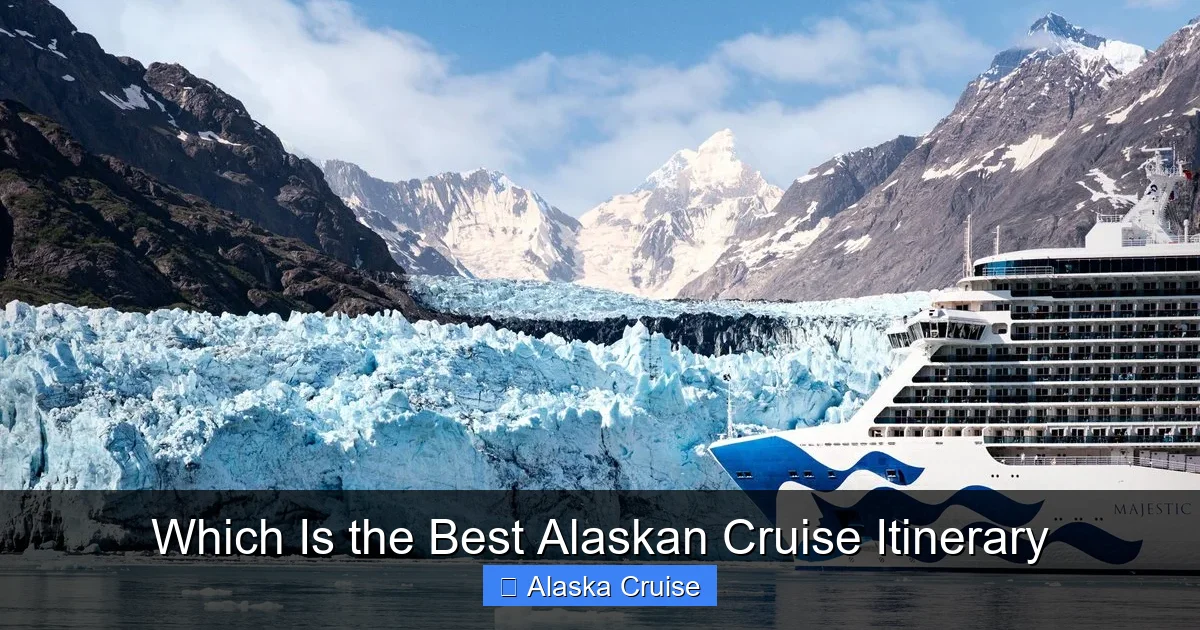
Choosing the best Alaskan cruise itinerary depends on your interests, travel style, and time available. Whether you crave glacier views, wildlife sightings, or cultural experiences, Alaska offers unforgettable journeys along its rugged coastlines and pristine wilderness.
Key Takeaways
- Inside Passage vs. Gulf of Alaska: Inside Passage cruises offer lush rainforests and charming towns, while Gulf itineraries include dramatic glaciers and remote wilderness.
- Duration Matters: 7-day cruises are most popular, but 10- to 14-day trips allow deeper exploration of Alaska’s vast coastline.
- Best Time to Cruise: May to September offers mild weather, long daylight hours, and peak wildlife activity.
- Ports of Call Define the Experience: Key stops like Juneau, Ketchikan, Skagway, and Glacier Bay offer unique adventures from dog sledding to totem pole carving.
- Land-and-Sea Combinations: Cruises paired with land tours (e.g., Denali National Park) provide a fuller Alaskan experience.
- Ship Size Impacts Access: Smaller ships can reach secluded inlets and wildlife hotspots larger vessels can’t access.
- Wildlife and Scenery Vary by Route: Some itineraries prioritize whale watching, while others focus on glacier calving or mountain vistas.
📑 Table of Contents
- Which Is the Best Alaskan Cruise Itinerary?
- Understanding Alaska’s Cruise Regions
- Top Alaskan Cruise Itineraries Compared
- Choosing the Right Itinerary for Your Interests
- Best Time to Cruise Alaska
- Ship Size and Cruise Line Considerations
- Practical Tips for Choosing Your Itinerary
- Conclusion: Finding Your Perfect Alaska Cruise
Which Is the Best Alaskan Cruise Itinerary?
If you’ve ever dreamed of standing on the deck of a ship, binoculars in hand, watching a humpback whale breach beside a towering glacier, then an Alaskan cruise might just be the adventure of a lifetime. Alaska isn’t just a destination—it’s a sensory overload of raw beauty, from misty fjords and snow-capped peaks to bustling salmon runs and quiet Native villages. But with so many cruise lines, routes, and departure ports, how do you choose the best Alaskan cruise itinerary?
The truth is, there’s no single “best” itinerary—only the one that best fits your travel style, interests, and schedule. Some travelers want to see as many glaciers as possible. Others are eager to spot bears, eagles, and whales up close. Some prefer a relaxed pace with time to explore charming coastal towns, while others crave adventure—think zodiac tours, kayaking among icebergs, or hiking through old-growth forests.
In this guide, we’ll break down the top Alaskan cruise itineraries, compare the most popular routes, and help you decide which journey will leave you with memories to last a lifetime. Whether you’re a first-time cruiser or a seasoned traveler, understanding the differences between Inside Passage cruises, Gulf of Alaska voyages, and extended land-and-sea packages will help you pick the perfect trip.
Understanding Alaska’s Cruise Regions

Visual guide about Which Is the Best Alaskan Cruise Itinerary
Image source: alaskatrippers.com
Before diving into specific itineraries, it helps to understand the two main cruise regions in Alaska: the Inside Passage and the Gulf of Alaska. Each offers a distinctly different experience, and your choice will shape everything from scenery to wildlife sightings.
The Inside Passage: A Lush, Coastal Journey
The Inside Passage is a network of protected waterways that wind through southeastern Alaska, hugging the coast and weaving between islands, forests, and mountain ranges. This route is typically associated with 7-day round-trip cruises departing from Seattle or Vancouver.
Cruises through the Inside Passage are known for their calm waters, making them ideal for first-time cruisers or those prone to seasickness. The scenery is lush and green, with dense temperate rainforests, cascading waterfalls, and charming coastal towns. You’ll pass through narrow channels where eagles soar overhead and sea lions lounge on rocky outcrops.
Key ports include Ketchikan, known as the “Salmon Capital of the World” and home to the largest collection of totem poles in the world. Here, you can visit the Totem Heritage Center or take a floatplane tour over the Misty Fjords National Monument. Further north, Juneau offers access to the Mendenhall Glacier and opportunities for whale watching in Stephens Passage. Skagway, a historic gold rush town, is your gateway to the White Pass & Yukon Route railway and dog sledding adventures on the glaciers.
One of the biggest draws of the Inside Passage is its accessibility. Most cruises operate on a loop, meaning you don’t have to worry about backtracking or long sea days. It’s a great option if you want a mix of nature, culture, and comfort.
The Gulf of Alaska: Wild, Remote, and Dramatic
In contrast, Gulf of Alaska itineraries are longer, often 10 to 14 days, and venture further north into the open waters of the Pacific. These cruises typically depart from Seattle or San Francisco and sail up the coast, making stops in both Alaska and British Columbia before returning.
The Gulf route offers a more rugged, untamed experience. You’ll cruise past massive tidewater glaciers like Hubbard Glacier and Glacier Bay, where ice calves into the sea with thunderous crashes. The scenery is more dramatic—think towering cliffs, snow-dusted peaks, and vast expanses of open water.
Ports on this route often include Seward and Whittier, which serve as gateways to Kenai Fjords National Park and the wildlife-rich waters of Resurrection Bay. From here, you can take a boat tour to see sea otters, puffins, and orcas, or hike to Exit Glacier. Further north, you might visit Haines, a quiet community known for its art scene and bald eagle population.
Because Gulf itineraries cover more ground, they often include longer sea days. But for travelers seeking a deeper connection with Alaska’s wild heart, these cruises are hard to beat. They offer a sense of remoteness and grandeur that’s difficult to find elsewhere.
Top Alaskan Cruise Itineraries Compared
Now that you understand the regions, let’s look at some of the most popular Alaskan cruise itineraries and what makes each one special.
7-Day Inside Passage Round-Trip from Seattle
This is one of the most popular options for first-time cruisers. Departing from Seattle, this itinerary typically includes stops in Ketchikan, Juneau, Skagway, and a scenic cruise through Glacier Bay or the Tracy Arm Fjord.
Why it’s great: It’s convenient, family-friendly, and packed with highlights. You get a taste of Alaska’s culture, wildlife, and glaciers without leaving the comfort of a major U.S. city. Plus, you don’t need a passport if you’re a U.S. citizen.
Best for: Families, couples, and travelers who want a classic Alaskan experience with minimal hassle.
7-Day Inside Passage Round-Trip from Vancouver
Similar to the Seattle departure, this itinerary sails from Vancouver, Canada, and visits the same key ports. The main difference is the international departure, which may require a passport and adds a bit of travel time.
Why it’s great: Vancouver is a beautiful city to explore before or after your cruise, and the scenery as you sail north is stunning. You’ll pass through the Inside Passage’s most scenic stretches, including the narrow channels near Prince Rupert.
Best for: International travelers or those who want to combine a city break with their cruise.
10- to 14-Day Gulf of Alaska One-Way Cruises
These longer itineraries often sail from Seattle to Vancouver (or vice versa), with extended time in Alaska. They include multiple glacier stops, longer port stays, and often a visit to a land destination like Denali National Park via a land tour add-on.
Why it’s great: You get more time to explore, fewer crowds, and a deeper immersion in Alaska’s natural wonders. The one-way format means you’re always moving forward, covering more territory.
Best for: Adventure seekers, nature lovers, and travelers who want a comprehensive Alaska experience.
Land-and-Sea Packages: The Ultimate Alaska Adventure
Many cruise lines offer combined cruise and land tours, where you spend a few days on a ship and then continue your journey by train or motorcoach into the Alaskan interior. These packages often include stays in Denali National Park, Fairbanks, or Anchorage.
Why it’s great: You get the best of both worlds—coastal scenery and inland wilderness. Denali, home to North America’s tallest peak, offers incredible wildlife viewing, including grizzly bears, moose, and caribou.
Best for: Travelers who want a full Alaska experience and don’t mind a more structured itinerary.
Choosing the Right Itinerary for Your Interests
With so many options, how do you pick the best Alaskan cruise itinerary for you? Here’s a breakdown based on what you care about most.
For Glacier Lovers
If seeing glaciers is your top priority, look for itineraries that include Glacier Bay National Park, Hubbard Glacier, or Tracy Arm Fjord. These areas offer some of the most dramatic ice formations in the world.
Tip: Choose a cruise that spends at least a full day in Glacier Bay. The park is a UNESCO World Heritage Site, and ranger-led programs on board add educational value.
For Wildlife Enthusiasts
Alaska is a wildlife paradise, but sightings vary by region and season. For whales, Juneau and Seward are prime spots, especially in July and August when humpbacks are most active. For bears, consider a land tour to Katmai National Park or a visit to Anan Creek near Wrangell.
Tip: Bring binoculars and book wildlife-focused excursions in advance. Smaller ships often offer better wildlife viewing due to their ability to get closer to shore.
For History and Culture Buffs
Skagway’s gold rush history, Ketchikan’s Native heritage, and the Russian influence in Sitka offer rich cultural experiences. Look for itineraries that include guided tours, cultural centers, and local performances.
Tip: Attend a traditional Tlingit dance performance in Ketchikan or visit the Alaska State Museum in Juneau for a deeper dive into local history.
For Adventure Seekers
If you’re looking for more than just sightseeing, choose an itinerary that offers active excursions. Kayaking among icebergs in Tracy Arm, hiking to a glacier in Juneau, or taking a zodiac tour in Kenai Fjords are all thrilling options.
Tip: Check the cruise line’s excursion offerings before booking. Some lines, like Lindblad Expeditions or UnCruise Adventures, specialize in adventure travel.
Best Time to Cruise Alaska
Timing can make or break your Alaskan cruise experience. The official cruise season runs from May to September, but each month offers something different.
May and Early June: Quiet and Blooming
These shoulder months offer fewer crowds, lower prices, and the chance to see spring blooms and newborn wildlife. However, some excursions may be limited, and weather can be unpredictable.
July and August: Peak Season
These are the most popular months, with warm weather, long daylight hours, and the best chance for whale and bear sightings. But expect larger crowds and higher prices.
September: Fall Colors and Calm Waters
As summer ends, the landscape transforms with golden aspens and red fireweed. Wildlife is still active, and the weather is often calm. It’s a great time for photographers and those seeking a quieter experience.
Ship Size and Cruise Line Considerations
Not all ships are created equal when it comes to Alaska. The size of your vessel can impact your experience in big ways.
Large Ships: Comfort and Amenities
Major cruise lines like Royal Caribbean, Norwegian, and Carnival operate large ships with pools, theaters, and multiple dining options. These are great for families and those who want a resort-like experience.
But larger ships can’t access narrow fjords or small ports, limiting your scenic views and excursion options.
Small Ships: Intimacy and Access
Smaller ships, such as those from Seabourn, Silversea, or American Queen Voyages, offer a more intimate experience. They can navigate tighter channels, get closer to wildlife, and visit remote communities.
These cruises often include expert naturalists and more personalized service, but they come at a higher price point.
Expedition Ships: Adventure-Focused
Expedition-style ships, like those from Hurtigruten or National Geographic, are designed for exploration. They carry Zodiacs, kayaks, and expert guides, and focus on immersive, educational experiences.
These are ideal for travelers who want to get off the beaten path and learn about Alaska’s ecosystems and cultures.
Practical Tips for Choosing Your Itinerary
Here are a few final tips to help you make the best decision:
- Book early: Popular itineraries and cabins fill up fast, especially for July and August sailings.
- Check port times: Some cruises spend only a few hours in port, while others offer full-day stops. Choose based on how much time you want to explore.
- Consider add-ons: Land tours, flightseeing, and helicopter rides can enhance your experience but add to the cost.
- Pack wisely: Weather in Alaska can change quickly. Bring layers, waterproof gear, and sturdy shoes.
- Read reviews: Look for recent passenger reviews on sites like Cruise Critic to get a sense of the ship and itinerary.
Conclusion: Finding Your Perfect Alaska Cruise
So, which is the best Alaskan cruise itinerary? The answer depends on what you’re looking for. If you want a classic, family-friendly trip with a mix of culture and nature, a 7-day Inside Passage cruise from Seattle or Vancouver is hard to beat. For a more rugged, immersive experience, a Gulf of Alaska itinerary or a land-and-sea package will take you deeper into the wild heart of Alaska.
No matter which route you choose, one thing is certain: Alaska will leave you in awe. From the thunder of calving glaciers to the quiet beauty of a bald eagle in flight, the Last Frontier offers experiences that few other destinations can match. Take the time to compare your options, think about your travel style, and choose the itinerary that speaks to your sense of adventure. Your perfect Alaskan cruise is out there—waiting to carry you into one of the most beautiful places on Earth.
Frequently Asked Questions
What is the best month to take an Alaskan cruise?
The best time to cruise Alaska is July and August, when weather is warmest, daylight is longest, and wildlife is most active. However, May and September offer fewer crowds and lower prices.
Do I need a passport for an Alaskan cruise?
If your cruise departs and returns to the same U.S. port (like Seattle), U.S. citizens do not need a passport. However, if the cruise departs from Canada (like Vancouver), a passport is required.
Which cruise line is best for Alaska?
The best cruise line depends on your preferences. For luxury and small ships, consider Seabourn or Silversea. For family fun, try Royal Caribbean or Norwegian. For adventure, look at UnCruise or Lindblad Expeditions.
Can you see whales on an Alaskan cruise?
Yes, whale watching is one of the highlights of an Alaskan cruise. Humpback, orca, and gray whales are commonly spotted, especially in July and August near Juneau, Seward, and Icy Strait.
Are Alaskan cruises expensive?
Prices vary widely based on cruise line, ship size, and itinerary. Budget options start around $800 per person, while luxury or expedition cruises can cost $5,000 or more. Booking early can help you save.
What should I pack for an Alaskan cruise?
Pack layers, including a waterproof jacket, warm fleece, and comfortable walking shoes. Don’t forget binoculars, sunscreen, and a camera. Even in summer, temperatures can be cool, especially on deck.