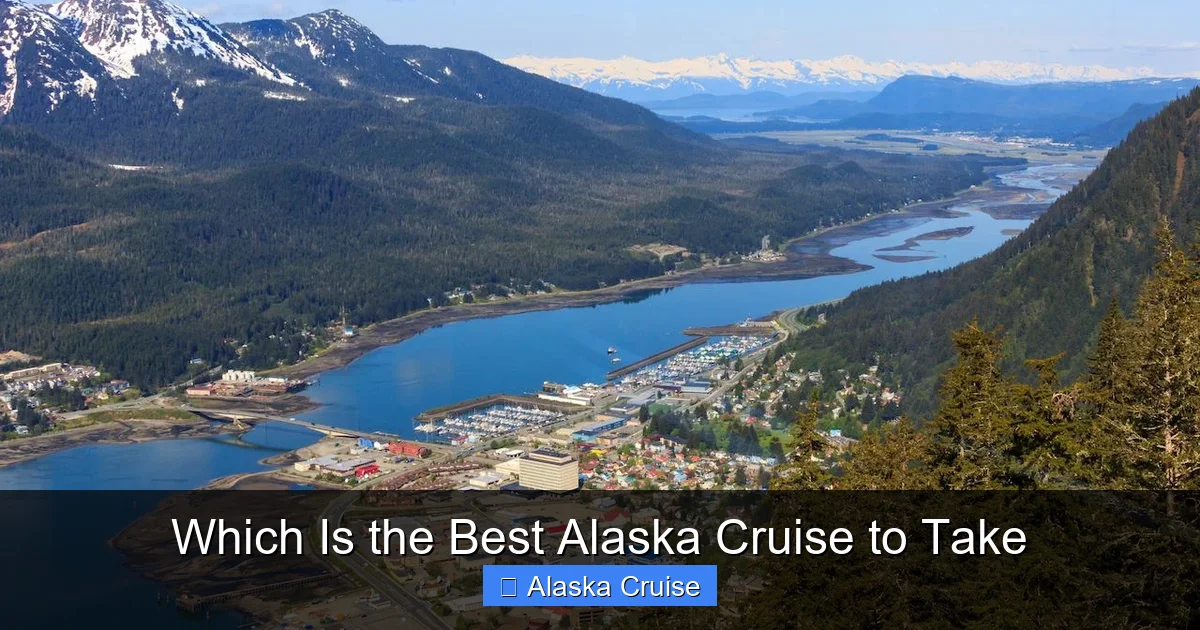
Choosing the best Alaska cruise depends on your travel style, budget, and interests. Whether you want luxury, family fun, or wildlife adventures, this guide breaks down the top options so you can pick the perfect voyage.
Key Takeaways
- Itinerary matters most: Look for cruises that visit Glacier Bay, Juneau, Skagway, and Ketchikan for the full Alaska experience.
- Ship size affects your experience: Smaller ships offer more intimate wildlife viewing and access to remote ports, while larger ships provide more onboard activities.
- Time of year impacts scenery and wildlife: May and September offer fewer crowds and lower prices, while July and August have the best weather and longest days.
- Cruise line style varies widely: Luxury lines like Seabourn focus on service and gourmet dining, while family-friendly lines like Carnival offer entertainment and kids’ programs.
- Shore excursions enhance your trip: Book whale watching, dog sledding, or glacier hikes in advance for the best availability and prices.
- Inside passage vs. Gulf itineraries: Inside Passage cruises are calmer and more scenic, while Gulf routes (like roundtrip from Seattle) include more sea days and diverse ports.
- Budget wisely: Factor in airfare, excursions, drinks, and gratuities—many “bargain” cruises cost more once extras are added.
📑 Table of Contents
- Which Is the Best Alaska Cruise to Take?
- Understanding Alaska Cruise Itineraries
- Top Cruise Lines for Alaska
- Best Time to Take an Alaska Cruise
- Ship Size: Big vs. Small
- Shore Excursions: Make the Most of Your Ports
- Budgeting for Your Alaska Cruise
- Final Tips for Choosing the Best Alaska Cruise
- Conclusion
Which Is the Best Alaska Cruise to Take?
So, you’ve decided to go on an Alaska cruise—smart move. There’s nothing quite like watching a glacier calve into the sea, spotting a humpback whale breach near your ship, or walking through a gold rush town frozen in time. But with so many cruise lines, ships, and itineraries to choose from, how do you pick the best Alaska cruise for you?
Don’t worry—you’re not alone. Most first-time cruisers feel overwhelmed by the choices. Do you go with a big-name line like Royal Caribbean or a luxury brand like Holland America? Should you sail from Seattle or Vancouver? And what about those smaller expedition ships that promise up-close wildlife encounters?
The truth is, there’s no single “best” Alaska cruise. The right one for you depends on what you value most: comfort, adventure, value, or scenery. But by understanding the key factors—like itinerary, ship size, timing, and cruise line style—you can narrow down your options and choose a voyage that feels tailor-made.
In this guide, we’ll walk you through everything you need to know to pick the perfect Alaska cruise. From the most scenic routes to the best ships for families, couples, and solo travelers, we’ve got you covered. By the end, you’ll have the confidence to book the trip of a lifetime.
Understanding Alaska Cruise Itineraries
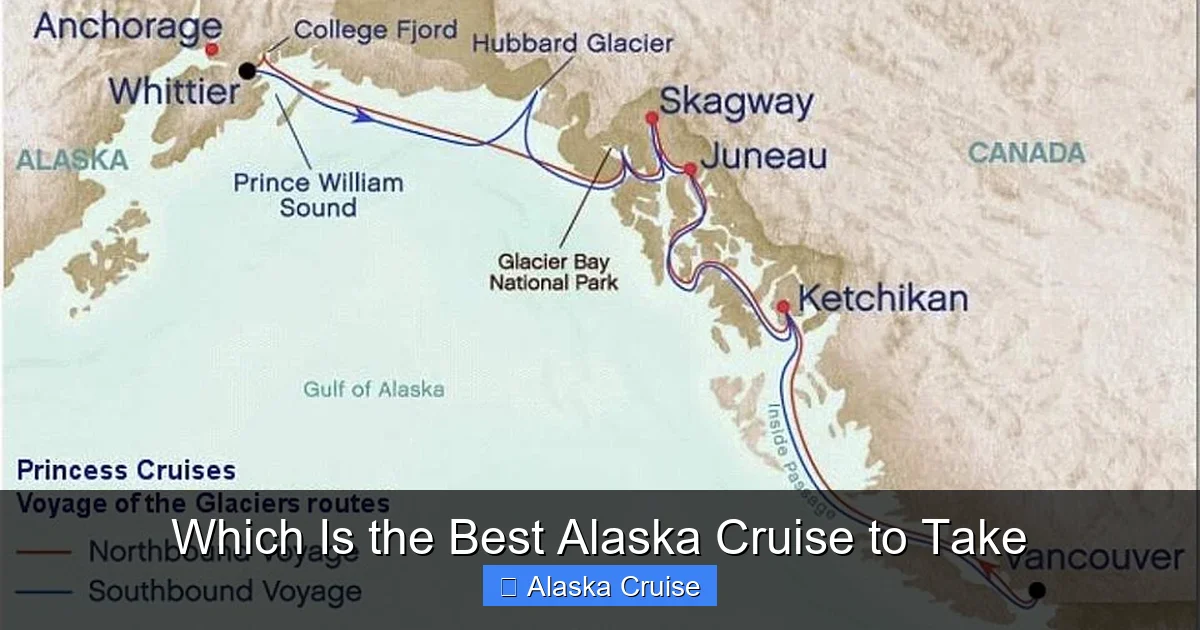
Visual guide about Which Is the Best Alaska Cruise to Take
Image source: uploads.alaska.org
One of the first things to consider when choosing an Alaska cruise is the itinerary. Not all routes are created equal, and the ports you visit can make or break your experience.
Most Alaska cruises fall into two main categories: Inside Passage itineraries and Gulf of Alaska (or one-way) routes.
Inside Passage Cruises
These are the most popular Alaska cruises, typically sailing roundtrip from Seattle or Vancouver. They follow the protected waterways along the coast, passing through lush rainforests, towering fjords, and charming coastal towns.
A classic Inside Passage itinerary includes stops at:
– Ketchikan: Known as the “Salmon Capital of the World,” this town offers Native cultural experiences, boardwalks over the water, and rainforest hikes.
– Juneau: Alaska’s capital, accessible only by boat or plane. Highlights include Mendenhall Glacier, whale watching tours, and the Mount Roberts Tram.
– Skagway: A Gold Rush-era town with historic saloons, the White Pass & Yukon Route Railway, and access to the Chilkoot Trail.
These cruises usually last 7 days and are ideal for first-timers who want a balanced mix of scenery, culture, and onboard comfort.
Gulf of Alaska Cruises
These one-way itineraries typically sail between Vancouver and Seward (near Anchorage) or Whittier. They spend more time in open water, offering dramatic views of the Gulf and access to more remote areas.
Ports on Gulf routes often include:
– Seward: Gateway to Kenai Fjords National Park, where you can see glaciers and marine wildlife.
– Hubbard Glacier: One of the largest tidewater glaciers in North America—many ships do a full-day scenic cruising here.
– Icy Strait Point: A private destination near Hoonah, offering bear viewing, zip-lining, and cultural shows.
Gulf cruises are great for travelers who want a deeper Alaskan experience and don’t mind a few extra sea days. They’re also perfect if you’re flying into or out of Anchorage.
Expedition Cruises
For the ultimate adventure, consider an expedition-style cruise. These smaller ships—often under 200 passengers—venture into remote areas like Glacier Bay, Tracy Arm, or even the Aleutian Islands.
Lines like UnCruise Adventures and Lindblad Expeditions (in partnership with National Geographic) focus on wildlife, photography, and immersive experiences. You might kayak next to icebergs, hike on a glacier, or attend a lecture by a naturalist.
These cruises are pricier but offer unparalleled access and intimacy. They’re best for active travelers who want to get off the beaten path.
Top Cruise Lines for Alaska
Now that you know the itineraries, let’s talk about the cruise lines. Each has its own vibe, so matching your personality to the right brand is key.
Holland America Line: Classic & Comfortable
If you love tradition, elegance, and a relaxed pace, Holland America is a top pick. Their mid-sized ships—like the Koningsdam and Zuiderdam—offer a refined experience with excellent service, fine dining, and enrichment programs.
Holland America cruises often include Glacier Bay National Park, a UNESCO World Heritage Site, and their ships are known for their spacious verandas—perfect for glacier viewing.
They also offer longer 14-day itineraries that combine Alaska with the Pacific Northwest or even a stop in Hawaii. Ideal for couples and mature travelers.
Princess Cruises: Scenic & Family-Friendly
Princess is one of the most popular lines for Alaska, and for good reason. They offer a great balance of comfort, entertainment, and scenic cruising.
Their ships, like the Grand Princess and Royal Princess, feature the “Movies Under the Stars” pool deck theater and the “Discovery at SEA” program, which brings in experts from Discovery Channel for wildlife talks.
Princess also has exclusive access to College Fjord and operates the McKinley Explorer train from Seward to Denali, making it easy to combine your cruise with a land tour.
Great for families, couples, and multigenerational trips.
Royal Caribbean: Fun & Action-Packed
If you want non-stop entertainment, Royal Caribbean delivers. Their larger ships—like the Radiance of the Seas and Serenade of the Seas—come with rock climbing walls, surf simulators, ice skating rinks, and Broadway-style shows.
While their Alaska itineraries are similar to others (Seattle roundtrip, Inside Passage), the onboard experience is anything but typical. They’re perfect for families with teens or travelers who want to stay busy between ports.
Just note: their ships are bigger, so you may not get as close to glaciers or wildlife as on smaller vessels.
Carnival Cruise Line: Budget-Friendly & Lively
Carnival is all about fun, value, and a party atmosphere. Their ships, like the Carnival Spirit and Carnival Miracle, offer affordable fares, casual dining, and a wide range of activities—from comedy shows to water slides.
Carnival’s Alaska cruises are great for first-timers on a budget or families looking for a lively vibe. They sail from Seattle and visit the standard ports: Ketchikan, Juneau, Skagway.
Keep in mind: service can be more casual, and cabins are smaller. But if you’re there for the adventure and don’t mind a less formal experience, Carnival is a solid choice.
Seabourn: Luxury & Intimacy
For a high-end experience, Seabourn is hard to beat. Their small, all-suite ships—like the Seabourn Odyssey—carry fewer than 500 guests and offer personalized service, gourmet dining, and all-inclusive pricing (including drinks and gratuities).
Seabourn cruises often include unique experiences, like Zodiac landings on remote shores, private glacier viewings, and caviar tastings on deck.
They’re ideal for luxury travelers who want comfort, privacy, and a more exclusive feel. Prices are steep, but the experience is unmatched.
UnCruise Adventures: Adventure & Authenticity
If you’re looking for something completely different, UnCruise is the way to go. These small, adventure-focused ships (under 100 passengers) sail to remote areas like the Tongass National Forest, Glacier Bay, and even the Pribilof Islands.
Activities include kayaking, hiking, snorkeling, and wildlife photography. The vibe is casual, friendly, and immersive—think fleece jackets instead of formal wear.
UnCruise is perfect for active travelers, nature lovers, and anyone who wants to experience Alaska like a local.
Best Time to Take an Alaska Cruise
Timing your cruise right can make a huge difference in your experience. Alaska’s cruise season runs from mid-May to mid-September, but each month has its pros and cons.
May: Shoulder Season Bargains
May is the start of the season. The weather is cooler, and some attractions may still be closed, but you’ll find lower prices and fewer crowds.
Wildlife is active—bears are emerging from hibernation, and birds are nesting. Glaciers are still impressive, and the scenery is lush and green.
Best for: Budget travelers and those who don’t mind cooler temps.
June: Long Days & Mild Weather
June offers nearly 19 hours of daylight, making it ideal for sightseeing. The weather is mild, and most tours and attractions are open.
It’s a great time for whale watching—humpbacks and orcas are commonly spotted. Wildflowers are in bloom, and the mountains are still snow-capped.
Best for: Families and first-time cruisers who want good weather and long days.
July: Peak Season
July is the busiest and most expensive month. The weather is warmest, and everything is in full swing—tours, wildlife, and onboard activities.
It’s also the best time for glacier viewing, as calving is most active in warmer temps. But expect crowds at ports and higher prices.
Best for: Travelers who want the full Alaska experience and don’t mind the crowds.
August: Wildlife & Fall Colors
August is still warm, but the crowds begin to thin. It’s a great time for bear viewing—especially in places like Pack Creek on Admiralty Island.
The first hints of fall color appear in the tundra, and the light is golden and soft. Whale activity remains high.
Best for: Nature photographers and travelers seeking a balance of weather and solitude.
September: Quiet & Scenic
September is the end of the season. The weather can be unpredictable—cooler and wetter—but the scenery is stunning, with autumn colors and fewer tourists.
Wildlife is active as animals prepare for winter. Some tours may close, but you’ll have a more intimate experience.
Best for: Solo travelers, couples, and those looking for a peaceful, scenic voyage.
Ship Size: Big vs. Small
Another key factor is ship size. Do you want a floating resort with endless activities, or a cozy vessel that gets you closer to nature?
Large Ships (2,000+ passengers)
Pros:
– More dining options, entertainment, and amenities
– Better for families with kids and teens
– Often more stable in rough seas
Cons:
– May not get as close to glaciers or wildlife
– Can feel crowded at ports
– Less personalized service
Best for: Families, first-timers, and travelers who want variety.
Mid-Sized Ships (500–1,500 passengers)
Pros:
– Good balance of comfort and access
– Often include Glacier Bay and scenic cruising
– More attentive service than large ships
Cons:
– Fewer onboard activities than mega-ships
– May still face crowding at popular ports
Best for: Couples, multigenerational groups, and travelers who want comfort with a touch of adventure.
Small Ships (Under 500 passengers)
Pros:
– Can navigate narrow fjords and remote areas
– Closer wildlife encounters and glacier views
– Intimate, personalized experience
Cons:
– Fewer amenities and dining options
– Can be less stable in rough seas
– Higher price per person
Best for: Adventure seekers, nature lovers, and luxury travelers.
Shore Excursions: Make the Most of Your Ports
A cruise is only as good as the experiences you have on land. Shore excursions can turn a good trip into a great one—but they can also be expensive if you’re not careful.
Popular Excursions by Port
– Ketchikan: Misty Fjords flightseeing, Totem Bight State Park, salmon bake dinner
– Juneau: Mendenhall Glacier hike, whale watching tour, Mount Roberts Tram
– Skagway: White Pass & Yukon Route Railway, dog sledding on a glacier, gold panning
– Seward: Kenai Fjords boat tour, Exit Glacier hike, wildlife cruise
Tips for Booking Excursions
– Book early: Popular tours sell out fast, especially in peak season.
– Compare prices: Cruise line excursions are convenient but often more expensive than independent operators.
– Check reviews: Use sites like TripAdvisor or Viator to find highly rated tours.
– Consider your fitness level: Some hikes and kayaking tours are strenuous—don’t overestimate your abilities.
– Pack layers: Weather changes quickly in Alaska. Bring waterproof gear, even in summer.
Budgeting for Your Alaska Cruise
Alaska cruises can be a great value—or a budget buster—depending on how you plan.
What’s Included
Most cruises include:
– Accommodations
– Main dining and buffet meals
– Basic entertainment
– Access to pools, gyms, and public areas
What’s Not Included
Be prepared to pay extra for:
– Airfare to/from departure city
– Shore excursions ($50–$300+ per tour)
– Drinks (sodas, alcohol, specialty coffee)
– Gratuities ($14–$18 per day per person)
– Wi-Fi and specialty dining
Tips to Save Money
– Book early: Early-bird discounts can save you 10–20%.
– Travel in shoulder season: May and September offer lower fares.
– Choose an inside cabin: Oceanview and balcony rooms cost more.
– Skip the drink package: If you don’t drink much, buying drinks à la carte is cheaper.
– Use credit card points: Many travel cards offer cruise discounts or points redemption.
Final Tips for Choosing the Best Alaska Cruise
Picking the best Alaska cruise comes down to knowing what you want. Here’s a quick checklist to help you decide:
– Are you traveling with kids? Choose a family-friendly line like Princess or Royal Caribbean.
– Do you want luxury? Go with Seabourn or Holland America.
– Are you on a budget? Carnival or early-season deals are your best bet.
– Do you love nature? Opt for a small ship or expedition cruise.
– Want the full Alaska experience? Look for itineraries that include Glacier Bay, Hubbard Glacier, and multiple ports.
And don’t forget to read reviews. Sites like Cruise Critic and Reddit’s r/Cruise community offer real passenger insights that can help you avoid surprises.
Conclusion
So, which is the best Alaska cruise to take? The answer is: the one that fits your style, budget, and sense of adventure.
Whether you’re sipping champagne on a luxury suite as a glacier calves in front of you, hiking through a rainforest in Ketchikan, or watching a pod of orcas from the deck of a small expedition ship, Alaska will leave you in awe.
Take the time to compare itineraries, research cruise lines, and plan your excursions. With the right preparation, your Alaska cruise won’t just be a vacation—it’ll be a once-in-a-lifetime experience.
Pack your bags, bring your camera, and get ready for the adventure of a lifetime.
Frequently Asked Questions
What is the best month to take an Alaska cruise?
July and August offer the best weather, longest days, and peak wildlife activity, making them the most popular months. However, May and September provide fewer crowds, lower prices, and beautiful scenery—ideal for budget-conscious travelers.
Do I need a passport for an Alaska cruise?
If your cruise departs and returns to the same U.S. port (like Seattle), a passport is not required—but it’s highly recommended in case of emergencies. For cruises starting in Canada or visiting foreign ports, a passport is mandatory.
Are Alaska cruises suitable for families?
Yes! Lines like Princess, Royal Caribbean, and Carnival offer kids’ clubs, family-friendly activities, and shore excursions that appeal to all ages. Just choose a ship with enough entertainment to keep everyone happy.
Can you see the Northern Lights on an Alaska cruise?
It’s rare. The Northern Lights are best seen in winter, but Alaska cruises run from May to September—when nights are too bright. You’d need a winter expedition cruise to have a real chance.
How far in advance should I book an Alaska cruise?
Book 9–12 months in advance for the best prices, cabin selection, and shore excursion availability. Early-bird discounts often end 6–8 months before departure.
What should I pack for an Alaska cruise?
Pack layers: a waterproof jacket, warm fleece, gloves, and sturdy shoes. Don’t forget binoculars, sunscreen, and a camera. Even in summer, temperatures can drop near glaciers.