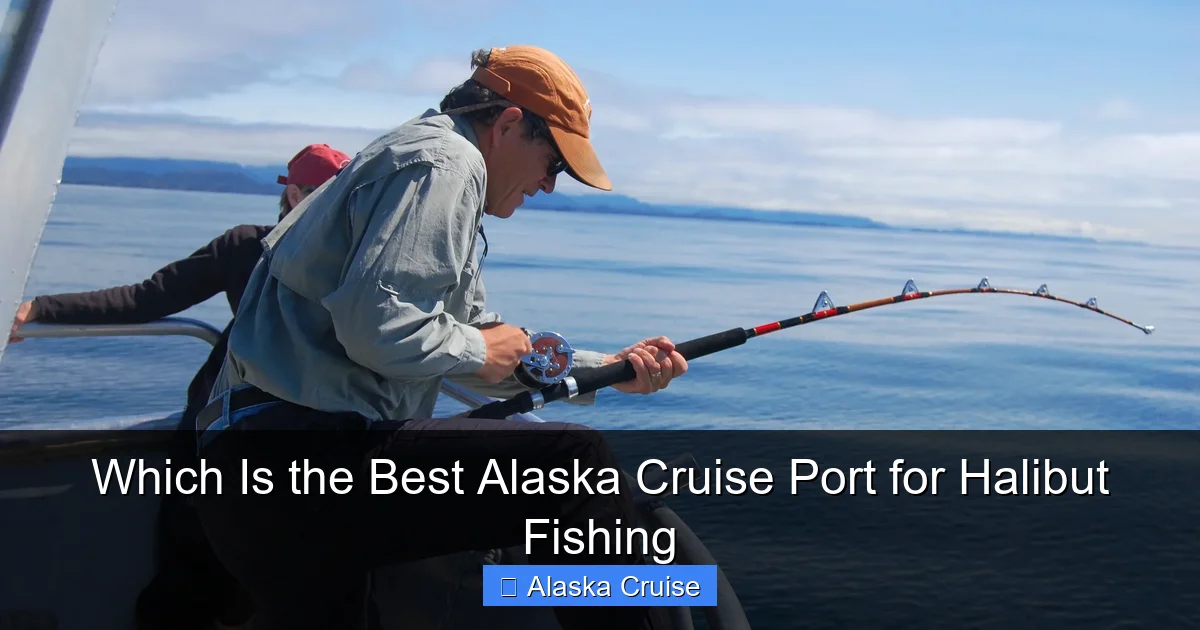
If you’re planning an Alaska cruise and dreaming of reeling in a massive Pacific halibut, choosing the right port can make all the difference. While several ports offer excellent fishing opportunities, one stands out for its combination of accessibility, halibut abundance, and top-rated charters—making it the ultimate destination for anglers.
Dreaming of standing on the deck of a boat, rod bent double, battling a Pacific halibut that could outweigh your luggage? You’re not alone. For many travelers, an Alaska cruise isn’t complete without trying their hand at catching one of the ocean’s most prized flatfish. But with so many ports to choose from—Juneau, Ketchikan, Skagway, Seward, and Whittier—how do you know which one gives you the best shot at landing a trophy halibut?
The good news? You don’t have to be a seasoned angler to enjoy a successful halibut fishing trip in Alaska. With the right port, timing, and charter, even first-timers can reel in a fish of a lifetime. But not all ports are created equal when it comes to halibut fishing. Some offer easier access, better infrastructure, and more reliable catches. After comparing location, seasonality, charter availability, and local expertise, one port consistently rises to the top: Juneau.
In this guide, we’ll break down why Juneau is the best Alaska cruise port for halibut fishing, compare it to other popular ports, and give you practical tips to make your fishing adventure unforgettable. Whether you’re a seasoned fisherman or just looking for a fun excursion, this article will help you plan the perfect halibut fishing trip during your Alaska cruise.
Key Takeaways
- Juneau is the best Alaska cruise port for halibut fishing due to its prime location, consistent halibut runs, and wide range of charter options.
- Peak halibut season runs from May to September, with June and July offering the highest catch rates.
- Most cruise ships dock within walking distance of charter boats, making it easy to book same-day excursions.
- Halibut can weigh over 100 pounds, so experienced guides and proper gear are essential for a safe and successful trip.
- Booking a half-day or full-day charter in advance increases your chances of securing a spot and getting the best boats.
- Fishing licenses and gear are typically included in charter packages, so you don’t need to bring your own equipment.
- Halibut is not only fun to catch but also delicious—many charters offer to clean and prepare your fish for dinner or shipping home.
📑 Table of Contents
Why Halibut Fishing in Alaska Is a Must-Do Experience
There’s something magical about fishing in Alaska. The crisp air, the rugged coastline, and the sheer size of the wildlife—both above and below the water—make it a bucket-list destination for outdoor enthusiasts. And when it comes to fishing, few experiences compare to battling a Pacific halibut.
Halibut are flat, bottom-dwelling fish that can grow to enormous sizes. The average catch ranges from 20 to 50 pounds, but it’s not uncommon to hook fish over 100 pounds—some even exceed 200 pounds. These powerful fish put up a serious fight, testing your strength and patience. But the real reward isn’t just the thrill of the catch—it’s the taste. Halibut has a mild, sweet flavor and firm, flaky texture, making it a favorite among seafood lovers.
What makes Alaska the ideal place to fish for halibut? For starters, the cold, nutrient-rich waters of the North Pacific support a thriving halibut population. The state’s extensive coastline and deep fjords create perfect habitats for these fish to feed and grow. Plus, Alaska has strict fishing regulations to ensure sustainability, so you can feel good about your catch.
But beyond the fish itself, the experience of fishing in Alaska is unlike anywhere else. Imagine casting your line from a small charter boat, surrounded by snow-capped mountains and glaciers, with eagles soaring overhead. You might even spot humpback whales breaching in the distance. It’s not just fishing—it’s an adventure.
The Thrill of the Catch
Let’s be honest: catching a halibut isn’t like reeling in a trout or bass. These fish live in deep water, often 100 to 300 feet below the surface, and they don’t give up easily. When a halibut bites, you’ll feel a strong, steady pull—then the real battle begins. It can take 10 to 20 minutes (or more) to bring a large halibut to the surface, and your arms will definitely feel it.
But that’s part of the fun. The struggle, the teamwork with your guide, and the moment you see that massive flatfish break the surface—it’s an adrenaline rush you won’t forget. And if you’re lucky enough to land a “barn door” (a halibut over 70 pounds), you’ll have a story to tell for years.
Halibut as a Culinary Delight
Even if you’re not a die-hard fisherman, the chance to enjoy fresh halibut might be reason enough to give it a try. Many charter boats offer to clean and fillet your catch on the spot. Some even pack it in ice so you can take it back to your cruise ship or ship it home. Imagine grilling up your own Alaskan halibut that evening—there’s no better way to celebrate a successful trip.
Top Alaska Cruise Ports for Halibut Fishing
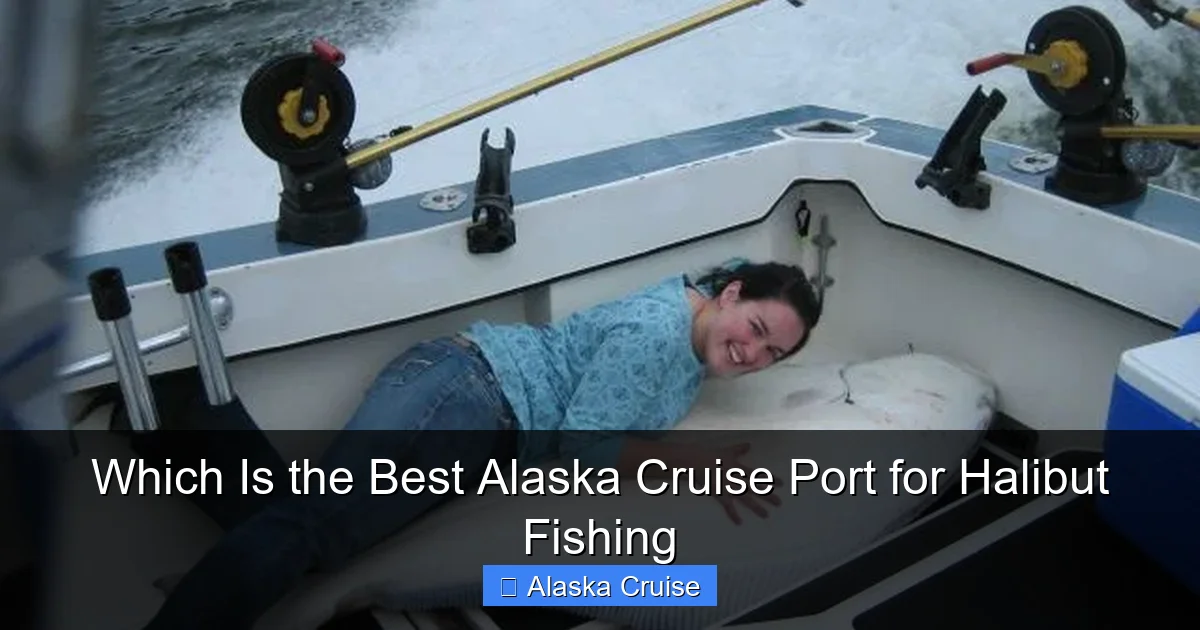
Visual guide about Which Is the Best Alaska Cruise Port for Halibut Fishing
Image source: i.pinimg.com
Alaska’s cruise ports each offer unique experiences, but when it comes to halibut fishing, some stand out more than others. Let’s take a closer look at the five most popular ports and how they stack up for anglers.
Juneau: The Halibut Fishing Capital
Juneau is widely regarded as the best Alaska cruise port for halibut fishing—and for good reason. Located in the heart of Southeast Alaska, Juneau sits along the Inside Passage, a network of protected waterways that are rich in marine life. The nearby waters of Stephens Passage and the Gulf of Alaska are prime halibut territory, with consistent populations and easy access for charter boats.
One of Juneau’s biggest advantages is its infrastructure. The cruise ship dock is located right in the city center, within walking distance of numerous charter operators. This makes it incredibly convenient to book a same-day fishing trip, even if you didn’t pre-book. Many charters offer half-day (4–5 hours) and full-day (8–10 hours) excursions, with options for both beginners and experienced anglers.
Juneau also boasts some of the most experienced fishing guides in Alaska. Many have been fishing these waters for decades and know exactly where the halibut are biting. They’ll provide all the gear, including heavy-duty rods, reels, and bait (usually herring or octopus), so you don’t need to bring anything except your sense of adventure.
Ketchikan: A Close Second
Ketchikan, known as the “Salmon Capital of the World,” is another strong contender for halibut fishing. Located further south along the Inside Passage, Ketchikan offers excellent fishing opportunities, especially in the waters near Revillagigedo Island. Halibut are abundant here, and the scenery is stunning—lush rainforests, waterfalls, and abundant wildlife.
However, Ketchikan’s cruise dock is a bit more spread out, and charter boats may require a short shuttle or tender ride to reach. While this isn’t a dealbreaker, it does add a little extra time and complexity compared to Juneau. That said, Ketchikan’s charters are highly rated, and many offer combo trips that include halibut, salmon, and even whale watching.
Skagway: Scenic but Limited
Skagway is one of Alaska’s most historic ports, with a charming Gold Rush-era downtown and dramatic mountain views. But when it comes to halibut fishing, it’s not the top choice. The waters near Skagway are deeper and more exposed, which can make fishing conditions rougher. Halibut are present, but they’re less concentrated than in Juneau or Ketchikan.
Additionally, Skagway has fewer charter operators, and many focus on salmon or sightseeing rather than dedicated halibut trips. If you’re set on fishing in Skagway, it’s best to book well in advance and confirm that halibut is a target species.
Seward and Whittier: Gulf of Alaska Gems
Seward and Whittier, located on the Kenai Peninsula, offer a different kind of Alaska experience. These ports provide access to the Gulf of Alaska, where halibut fishing can be exceptional—especially in the summer months. The waters here are deeper and colder, which attracts large halibut.
However, these ports are less commonly visited by major cruise lines, and when they are, ships often arrive later in the day. This can limit your time for a full fishing excursion. That said, if your cruise includes Seward or Whittier, it’s worth considering a halibut charter—just be prepared for a longer trip and potentially rougher seas.
Why Juneau Takes the Crown
So, what makes Juneau the best Alaska cruise port for halibut fishing? It’s not just one thing—it’s the combination of location, accessibility, charter quality, and fishing success rates.
Prime Location and Halibut Habitat
Juneau is perfectly positioned for halibut fishing. The nearby Stephens Passage is a deep, nutrient-rich channel that serves as a migration route for halibut moving between the Gulf of Alaska and the Inside Passage. This means fish are constantly passing through, increasing your chances of a bite.
The area also has a mix of rocky reefs, sandy bottoms, and underwater drop-offs—ideal habitats for halibut, which like to ambush prey from the ocean floor. Guides know these spots well and can take you directly to the action.
Convenience and Accessibility
One of Juneau’s biggest advantages is how easy it is to get from your cruise ship to a fishing boat. Most major cruise lines dock at the Juneau Cruise Ship Dock, which is just a few blocks from the harbor where charter boats are moored. You can literally walk off the ship and onto a boat in under 15 minutes.
This convenience is a game-changer, especially if you’re booking last-minute or have limited time in port. Many charters offer flexible scheduling and can accommodate walk-ins, though it’s always better to reserve ahead.
Top-Notch Charter Operators
Juneau is home to some of Alaska’s most reputable fishing charters. Companies like Alaska Saltwater Charters, Juneau Halibut Fishing, and Alaskan Excursions have excellent reviews and experienced captains. They offer a range of packages, from 4-hour “quick catch” trips to full-day adventures with gourmet lunches.
Most charters include everything you need: rods, reels, bait, tackle, and even rain gear. They’ll also handle the fishing license (required for anyone 16 and older) and provide a brief safety and technique overview before you head out.
High Success Rates
Anglers in Juneau consistently report high catch rates, especially during peak season. Guides use fish finders and depth sounders to locate schools of halibut, and they know the best techniques for hooking and landing these powerful fish. Even if you don’t land a monster, you’re likely to catch something—and have a great time doing it.
Best Time to Fish for Halibut in Alaska
Timing is everything when it comes to halibut fishing. While halibut can be caught year-round in Alaska, the best time is during the summer months, when the weather is milder and the fish are most active.
Peak Season: May to September
The prime halibut fishing season in Alaska runs from late May through September. During this time, water temperatures rise slightly, and halibut move into shallower waters to feed. June and July are particularly productive, with long daylight hours and calm seas.
Monthly Breakdown
- May: The season kicks off with migrating halibut. Catches can be hit-or-miss, but the fish are often larger as they move in from deeper waters.
- June: One of the best months for halibut fishing. The weather is improving, and fish are abundant near the coast.
- July: Peak season. Halibut are actively feeding, and charter boats report consistent catches. This is also the busiest time, so book early.
- August: Still excellent fishing, though some fish begin moving back to deeper waters. Great for combo trips with salmon.
- September: The tail end of the season. Catches can still be good, but weather becomes less predictable.
Daily Timing Tips
Halibut are most active during tidal changes, especially incoming tides. Many guides schedule trips around these windows for the best results. Early morning and late afternoon are also prime times, as halibut tend to feed more actively during low-light conditions.
What to Expect on a Halibut Fishing Charter
If you’ve never been on a halibut fishing trip, you might be wondering what to expect. Here’s a breakdown of a typical charter experience in Juneau.
Before You Go
Most charters require you to arrive 15–30 minutes before departure for check-in and safety briefing. You’ll receive a fishing license (if needed), and the crew will go over basic techniques and safety procedures. Don’t worry—they’ll teach you how to bait your hook, set the hook, and reel in a fish.
On the Water
Once you’re underway, the captain will head to a productive fishing spot, often 15–30 minutes from the dock. You’ll drop your line to the bottom using heavy sinkers, then wait for a bite. When a halibut takes the bait, you’ll feel a strong pull—then it’s time to start reeling.
The crew will help you land the fish, which may involve a team effort for larger catches. Once onboard, they’ll measure and photograph your fish (great for bragging rights!), then clean and fillet it if you’d like to keep it.
After the Trip
Most charters return to the dock within the scheduled time, though some may run a bit late if the fishing is hot. You’ll receive your cleaned fish, and many companies offer to pack it in ice for transport. Some even ship it directly to your home for a fee.
Tips for a Successful Halibut Fishing Trip
To make the most of your halibut fishing adventure, keep these tips in mind:
- Book in advance: Popular charters fill up quickly, especially in July and August. Reserve your spot as soon as your cruise itinerary is confirmed.
- Dress in layers: Alaska weather can change fast. Wear waterproof outer layers, warm base layers, and non-slip shoes.
- Bring motion sickness remedies: If you’re prone to seasickness, take medication before boarding.
- Don’t forget your camera: You’ll want to capture the moment you land your halibut—and the stunning scenery.
- Tip your crew: It’s customary to tip 15–20% of the charter cost for good service.
- Check baggage policies: If you plan to take your fish home, confirm with your cruise line about transporting frozen seafood.
Conclusion
If you’re looking for the best Alaska cruise port for halibut fishing, Juneau is the clear winner. With its prime location, easy access, top-rated charters, and consistent halibut catches, it offers everything an angler could want. Whether you’re a first-timer or a seasoned fisherman, a halibut fishing trip in Juneau is an unforgettable addition to your Alaska cruise.
While other ports like Ketchikan and Seward offer great fishing too, Juneau’s combination of convenience and quality sets it apart. So next time you’re planning an Alaska cruise, make sure to schedule a halibut fishing excursion in Juneau. You might just reel in the catch of a lifetime—and a story you’ll tell for years to come.
Frequently Asked Questions
What is the best month for halibut fishing in Alaska?
The best months are June and July, when halibut are most active and weather conditions are favorable. May and August also offer good fishing, but July is peak season.
Do I need to bring my own fishing gear?
No, most charter boats provide all necessary gear, including rods, reels, bait, and tackle. Just bring appropriate clothing and a sense of adventure.
Can I keep the halibut I catch?
Yes, within Alaska’s fishing regulations. Most charters will clean and fillet your fish, and some offer shipping services to send it home.
How much does a halibut fishing charter cost?
Prices typically range from $250 to $500 per person for a half-day trip, depending on the charter and group size. Full-day trips can cost $600 or more.
Is halibut fishing safe for beginners?
Absolutely. Guides provide instruction and support, making it accessible for all skill levels. Safety briefings are standard on all charters.
What should I wear on a halibut fishing trip?
Dress in layers with a waterproof jacket, warm base layers, gloves, and non-slip shoes. Avoid cotton, which stays wet in cold weather.