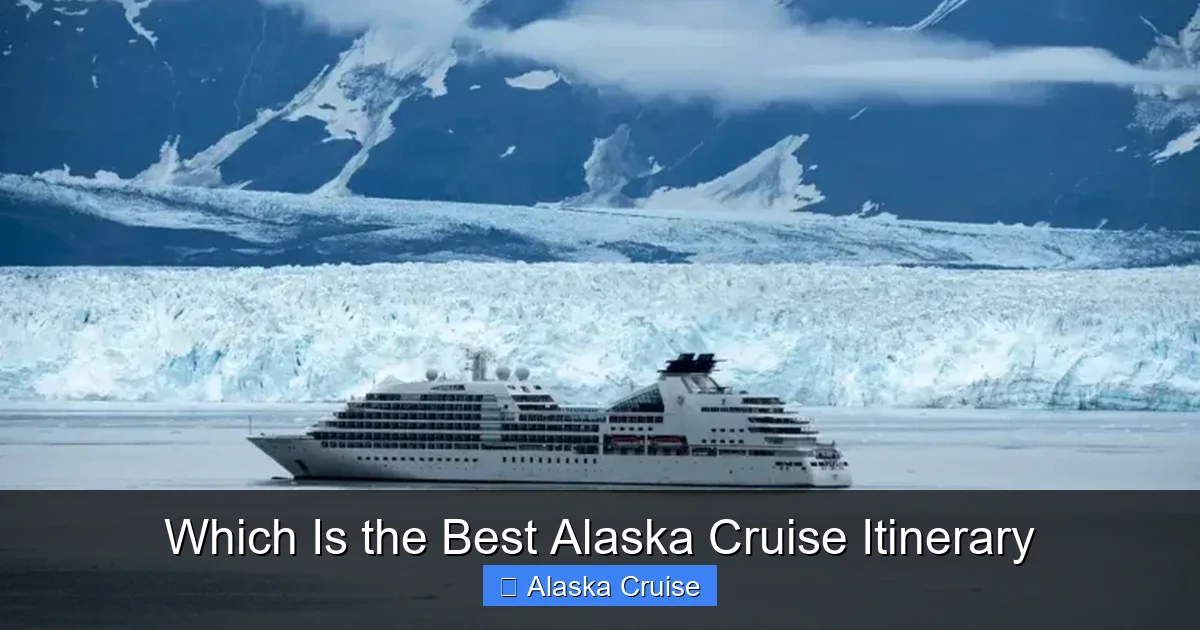
Choosing the best Alaska cruise itinerary depends on your travel style, time, and interests. Whether you prefer scenic coastal routes, wildlife-rich fjords, or cultural stops, Alaska offers diverse options. This guide breaks down top itineraries to help you pick the perfect voyage.
Key Takeaways
- Round-trip vs. one-way cruises: Round-trip itineraries from Seattle or Vancouver offer convenience, while one-way cruises (e.g., Seattle to Seward) allow for land extensions like Denali National Park.
- Inside Passage vs. Gulf of Alaska routes: Inside Passage cruises focus on lush forests and coastal towns, while Gulf routes include glacier-heavy areas like Hubbard Glacier and Icy Strait Point.
- Best time to cruise: May to September offers mild weather, long daylight hours, and peak wildlife activity—July and August are busiest but most scenic.
- Port highlights matter: Key stops like Juneau, Ketchikan, Skagway, and Glacier Bay offer unique excursions, from whale watching to gold rush history.
- Small ships vs. large ships: Smaller vessels access remote areas and offer intimate experiences, while larger ships provide more amenities and entertainment.
- Land-and-sea combos: Cruises paired with rail or bus tours to Denali or Fairbanks maximize your Alaskan experience beyond the coast.
- Wildlife and glacier viewing: Prioritize itineraries that include Glacier Bay National Park or Tracy Arm Fjord for guaranteed natural wonders.
📑 Table of Contents
- Introduction: Why an Alaska Cruise Is a Once-in-a-Lifetime Adventure
- Understanding Alaska Cruise Itinerary Types
- Top Alaska Cruise Itineraries Compared
- Choosing the Right Cruise Line and Ship
- Best Time to Cruise Alaska: Timing Your Trip
- Maximizing Your Alaska Cruise Experience
- Conclusion: Finding Your Perfect Alaska Cruise
Introduction: Why an Alaska Cruise Is a Once-in-a-Lifetime Adventure
Imagine cruising through icy blue waters, surrounded by towering snow-capped mountains, as a humpback whale breaches just off the starboard bow. Or picture yourself standing on the deck of a ship, wrapped in a warm jacket, watching a glacier calve—sending massive chunks of ice crashing into the sea with a thunderous roar. This is Alaska, and a cruise is one of the most breathtaking ways to experience it.
Alaska isn’t just a destination—it’s a sensory journey. From the misty rainforests of the Inside Passage to the dramatic fjords of the Gulf Coast, every mile reveals something new. Whether you’re drawn to wildlife, history, or raw natural beauty, an Alaska cruise delivers it all. But with so many cruise lines, ships, and routes to choose from, figuring out which is the best Alaska cruise itinerary can feel overwhelming.
That’s where this guide comes in. We’ll walk you through the top itineraries, compare key routes, and help you match your travel style to the perfect voyage. Whether you’re a first-time cruiser or a seasoned adventurer, understanding the differences between round-trip and one-way cruises, coastal and inland routes, and small versus large ships will ensure you pick the trip that’s right for you.
Understanding Alaska Cruise Itinerary Types

Visual guide about Which Is the Best Alaska Cruise Itinerary
Image source: foreverkaren.com
Before diving into specific routes, it helps to understand the main types of Alaska cruise itineraries. Each offers a different pace, scenery, and experience, so knowing the difference is key to choosing wisely.
Round-Trip Cruises: Convenience and Comfort
Round-trip cruises depart and return to the same port—typically Seattle, Vancouver, or San Francisco. These are ideal for travelers who want a hassle-free vacation without worrying about flights or transfers. Most round-trip itineraries last 7 days and focus on the Inside Passage, visiting ports like Ketchikan, Juneau, and Skagway.
One major advantage? You only unpack once. Your luggage stays with you, and you return to the same city, making logistics simple. These cruises are also great for families or first-timers who want a classic Alaska experience with familiar comforts.
However, round-trip cruises often miss some of the more remote, glacier-rich areas like Hubbard Glacier or College Fjord. If your priority is seeing massive tidewater glaciers up close, you might want to consider a one-way option.
One-Way Cruises: The Ultimate Alaskan Journey
One-way cruises, also known as open-jaw itineraries, start in one city and end in another. The most popular routes sail from Seattle or Vancouver to Seward (near Anchorage) or Whittier, or vice versa. These cruises typically last 7 to 10 days and cover more ground, including the Gulf of Alaska.
Why choose one-way? First, you get to see more of Alaska. These itineraries often include glacier-heavy stops like Hubbard Glacier, Icy Strait Point, and Glacier Bay National Park. Second, they allow for seamless land extensions. After your cruise ends in Seward, you can easily take a train or bus to Denali National Park, adding a whole new dimension to your trip.
The downside? You’ll need to book a one-way flight home or arrange transportation between the disembarkation city and your departure airport. But for many travelers, the extra effort is worth it for the richer experience.
Inside Passage vs. Gulf of Alaska: Choosing Your Scenery
The Inside Passage is Alaska’s classic cruise route—a narrow, winding waterway dotted with lush forests, charming towns, and abundant wildlife. It’s perfect for those who love coastal scenery, cultural stops, and mild weather. Most round-trip cruises stick to this route.
In contrast, Gulf of Alaska itineraries venture further north, into more remote and dramatic landscapes. These cruises often include glacier-rich areas like Hubbard Glacier (one of the most active in the world) and College Fjord, where you can see dozens of glaciers at once. The scenery is more rugged, and the wildlife sightings can be more intense—think sea lions, puffins, and even orcas.
If you’re torn between the two, consider a hybrid itinerary. Some cruise lines offer 9- to 10-day cruises that combine both regions, giving you the best of both worlds.
Top Alaska Cruise Itineraries Compared
Now that you understand the basics, let’s look at some of the best Alaska cruise itineraries available today. We’ve broken them down by route, duration, and highlights to help you compare.
7-Day Inside Passage Round-Trip (Seattle or Vancouver)
This is the most popular Alaska cruise itinerary, offered by major lines like Holland America, Princess, and Norwegian Cruise Line. Departing from Seattle or Vancouver, these cruises typically include:
– Ketchikan: Known as the “Salmon Capital of the World,” this port offers rainforest hikes, totem pole parks, and cultural tours of Native Alaskan heritage.
– Juneau: Alaska’s capital, accessible only by boat or plane, Juneau is a gateway to Mendenhall Glacier and whale-watching excursions.
– Skagway: A gold rush town frozen in time, Skagway offers historic railroads, gold panning, and stunning mountain views.
– Tracy Arm or Endicott Arm: These fjords are famous for their narrow channels, towering cliffs, and frequent glacier sightings.
This itinerary is ideal for first-time cruisers, families, or anyone who wants a classic, stress-free Alaska experience. The weather is mild, the ports are well-developed, and the scenery is consistently beautiful.
7-Day One-Way Gulf of Alaska (Vancouver to Seward)
Offered by cruise lines like Princess and Holland America, this itinerary is a favorite among repeat cruisers and nature lovers. Starting in Vancouver and ending in Seward, it includes:
– Ketchikan and Juneau: Same as the round-trip, but with more time to explore.
– Icy Strait Point: A Native-owned eco-tourism destination with zip-lining, bear viewing, and orca watching.
– Hubbard Glacier: One of the largest and most active tidewater glaciers in North America. Ships often get within a mile, offering jaw-dropping views.
– College Fjord: A lesser-known gem with over 20 glaciers spilling into the water.
This route is perfect for travelers who want to see Alaska’s raw, untamed beauty. The glacier viewing is unparalleled, and the wildlife sightings are more frequent. Plus, ending in Seward opens the door to Denali National Park via the Alaska Railroad.
9-Day Glacier Bay & Inside Passage Combo
For those who want the full Alaska experience, a 9-day combo itinerary is hard to beat. These cruises, often offered by smaller lines like UnCruise Adventures or major lines like Celebrity, blend the Inside Passage with Glacier Bay National Park.
Highlights include:
– Glacier Bay National Park: A UNESCO World Heritage Site with over a dozen active glaciers. Rangers come aboard to share insights, and the scenery is otherworldly.
– Haines: A quiet, artsy town with excellent bear viewing opportunities in the nearby Chilkat River.
– Juneau and Skagway: As above, but with more time for excursions.
This itinerary is ideal for travelers who want depth and variety. You get the cultural richness of the Inside Passage and the awe-inspiring power of Glacier Bay—all in one trip.
10-Day Ultimate Alaska (Round-Trip from Seattle)
Some cruise lines, like Norwegian and Royal Caribbean, offer extended 10-day round-trip itineraries that go beyond the standard route. These cruises might include:
– Victoria, BC: A charming Canadian stop with British flair, gardens, and afternoon tea.
– Sitka: A historic Russian-influenced town with stunning coastal views and bald eagle sightings.
– Additional glacier stops: Such as Dawes Glacier or Sawyer Glacier in Tracy Arm.
These longer cruises are great for travelers who want to maximize their time at sea and see more ports. They’re also ideal for those who want a mix of relaxation and adventure.
Choosing the Right Cruise Line and Ship
Once you’ve picked your ideal itinerary, the next step is choosing the right cruise line and ship. Not all ships are created equal, and your experience can vary widely depending on size, amenities, and onboard culture.
Large Ships: Amenities and Entertainment
Major cruise lines like Royal Caribbean, Norwegian, and Carnival operate large ships with thousands of passengers. These vessels offer:
– Multiple dining options, from casual buffets to specialty restaurants
– Broadway-style shows, casinos, and nightclubs
– Spas, fitness centers, and multiple pools
– Kids’ clubs and family-friendly activities
Large ships are great for families, couples, and first-time cruisers who want a full-service vacation. However, they can feel crowded, and you may have less time in port due to tendering (using smaller boats to reach shore).
Small Ships: Intimacy and Access
Smaller cruise lines like UnCruise Adventures, Lindblad Expeditions, and Seabourn operate ships with fewer than 200 passengers. These vessels offer:
– More personalized service and attention
– Access to remote, shallow-water areas that large ships can’t reach
– Expert naturalists and guides on board
– Flexible itineraries that can change based on weather and wildlife
Small ships are ideal for travelers who prioritize nature, wildlife, and authentic experiences over luxury amenities. They’re also perfect for photographers, birdwatchers, and anyone who wants a quieter, more immersive journey.
Boutique and Luxury Lines: Comfort and Exclusivity
Luxury lines like Silversea, Regent Seven Seas, and Crystal Cruises offer all-inclusive experiences with high-end service, gourmet dining, and spacious suites. These cruises often include:
– Butler service and private balconies
– Premium shore excursions with small groups
– Fine wines, champagne, and specialty dining
– Onboard enrichment programs with guest speakers
While more expensive, luxury cruises provide a stress-free, pampered experience. They’re ideal for travelers who want to see Alaska in style without sacrificing comfort.
Best Time to Cruise Alaska: Timing Your Trip
Timing is everything when it comes to an Alaska cruise. The season runs from May to September, but each month offers a different experience.
May and Early June: Quiet and Affordable
The shoulder season (May to early June) is a great time to cruise if you want fewer crowds and lower prices. The weather is cool but pleasant, and the landscapes are lush and green. Wildlife is active, and you’ll have a good chance of seeing bears, moose, and migratory birds.
Downsides? Some ports and excursions may not be fully open, and daylight hours are shorter than in summer. But for budget-conscious travelers, this is a smart choice.
July and August: Peak Season
These are the most popular months to cruise Alaska—and for good reason. The weather is warmest, with daytime temperatures in the 60s and 70s. Daylight lasts up to 18 hours, giving you more time to explore.
Wildlife is abundant: whales are frequently spotted, bears fish for salmon, and wildflowers bloom across the tundra. All ports and excursions are operational, and the scenery is at its most vibrant.
The downside? Crowds are heavier, prices are higher, and cabins book up fast. If you’re flexible, consider late August for slightly lower prices and fewer tourists.
September: Fall Colors and Calm Seas
Late September offers a unique Alaska experience. The crowds have thinned, prices drop, and the landscapes transform with fall colors. The weather is still mild, and wildlife is active as animals prepare for winter.
You might even catch the northern lights in late September, especially on northern routes. However, some ports and tours may begin closing, and daylight hours shorten quickly.
Maximizing Your Alaska Cruise Experience
No matter which itinerary you choose, a few smart strategies can make your trip even better.
Book Shore Excursions Early
Popular excursions—like whale watching in Juneau, dog sledding on a glacier, or the White Pass Railroad in Skagway—sell out fast. Book them as soon as your cruise is confirmed, either through the cruise line or a trusted third-party provider.
Pack Smart for Variable Weather
Alaska’s weather can change quickly. Even in summer, temperatures can range from 40°F to 70°F. Pack layers, a waterproof jacket, sturdy walking shoes, and binoculars for wildlife viewing.
Bring a Camera—and Extra Memory Cards
You’ll want to capture every glacier, whale, and mountain vista. Bring a good camera, extra batteries, and plenty of storage. A telephoto lens is helpful for wildlife shots.
Stay Flexible
Weather and wildlife are unpredictable. Your captain may alter the route to avoid storms or get closer to a whale pod. Embrace the changes—they’re part of the adventure.
Try Local Food
Don’t miss Alaska’s culinary highlights: fresh salmon, king crab, reindeer sausage, and blueberry pie. Many ships offer local dishes, and ports often have great seafood restaurants.
Conclusion: Finding Your Perfect Alaska Cruise
So, which is the best Alaska cruise itinerary? The truth is, there’s no one-size-fits-all answer. The best itinerary is the one that matches your interests, budget, and travel style.
If you want convenience and classic ports, a 7-day round-trip from Seattle or Vancouver is a great choice. If you’re after glaciers and wildlife, a one-way Gulf of Alaska cruise ending in Seward will deliver. For the ultimate experience, consider a 9- or 10-day combo that includes Glacier Bay and multiple fjords.
No matter which route you pick, an Alaska cruise is more than a vacation—it’s a journey into one of the last great wildernesses on Earth. With stunning scenery, incredible wildlife, and unforgettable moments, it’s an adventure you’ll cherish forever.
Start planning today, and get ready to fall in love with Alaska.
Frequently Asked Questions
What is the best month to take an Alaska cruise?
The best time to cruise Alaska is July and August, when the weather is warmest, daylight is longest, and wildlife is most active. However, May and September offer fewer crowds and lower prices, making them great alternatives.
Should I choose a round-trip or one-way Alaska cruise?
Round-trip cruises are more convenient and ideal for first-timers, while one-way cruises offer more scenic variety and the chance to add a land tour to Denali National Park. Choose based on your travel style and itinerary preferences.
Which cruise line is best for an Alaska cruise?
It depends on your priorities. Holland America and Princess are known for their classic Alaska itineraries and Glacier Bay access. Smaller lines like UnCruise offer intimate, nature-focused experiences. Luxury lines like Silversea provide all-inclusive comfort.
Do I need to book shore excursions in advance?
Yes, popular excursions like whale watching, dog sledding, and train rides often sell out. Book early through your cruise line or a reputable third-party provider to secure your spot.
Can I see glaciers on an Alaska cruise?
Absolutely. Most Alaska cruises include glacier viewing, with highlights like Hubbard Glacier, Tracy Arm, and Glacier Bay National Park. One-way Gulf itineraries typically offer the most dramatic glacier experiences.
Is an Alaska cruise suitable for families?
Yes, many cruise lines offer family-friendly activities, kids’ clubs, and educational programs. Round-trip itineraries from Seattle or Vancouver are especially convenient for families with children.