Choosing between an Outside Passage or Inside Passage Alaska cruise depends on your travel style and what you want to see. Inside Passage cruises offer calmer waters, lush rainforests, and frequent port stops, while Outside Passage routes deliver wilder landscapes, open ocean views, and a more rugged experience. Both offer unforgettable Alaskan beauty—your ideal choice hinges on comfort, adventure, and must-see sights.
Key Takeaways
- Inside Passage cruises are ideal for first-time visitors who want calm seas, frequent port calls, and access to charming coastal towns like Juneau and Ketchikan.
- Outside Passage routes offer more dramatic, remote scenery with expansive ocean views, towering glaciers, and a sense of true wilderness.
- Weather and sea conditions are generally calmer in the Inside Passage, making it better for travelers prone to motion sickness or those seeking a smoother ride.
- Wildlife sightings differ between the two—Inside Passage cruises often feature orcas, sea lions, and bald eagles, while Outside Passage routes may offer humpback whales, sea otters, and even bears along coastal shores.
- Itinerary length and cruise lines vary—Inside Passage trips are often 7-day round-trips from Seattle or Vancouver, while Outside Passage cruises may extend to 10–14 days and include destinations like Glacier Bay or Hubbard Glacier.
- Photography enthusiasts may prefer the Outside Passage for its vast horizons and dramatic light, while nature lovers who enjoy hiking and cultural stops may lean toward the Inside Passage.
- Both routes include glacier viewing, but Outside Passage cruises often get closer to massive tidewater glaciers like Hubbard or Dawes Glacier.
📑 Table of Contents
Introduction: The Great Alaska Cruise Debate
So you’ve decided to take an Alaska cruise—congratulations! You’re about to experience one of the most breathtaking natural destinations on Earth. Glaciers that calve into icy waters, snow-capped mountains rising from the sea, and wildlife that roams freely in pristine wilderness. But now comes the big question: Which is best—Outside Passage or Inside Passage Alaska cruise?
This isn’t just a matter of preference. It’s about matching your travel personality to the right kind of Alaskan adventure. Are you looking for a relaxing, scenic journey with plenty of time to explore charming coastal towns? Or are you craving a more rugged, immersive experience with sweeping ocean views and a sense of true remoteness? The answer will shape your entire trip.
In this guide, we’ll break down the key differences between the Inside Passage and Outside Passage Alaska cruises. We’ll look at scenery, weather, wildlife, itineraries, and what each route offers in terms of comfort and adventure. By the end, you’ll have a clear picture of which path—calm waters or open seas—suits your ideal Alaskan escape.
What Is the Inside Passage?
The Inside Passage is a protected waterway that runs along the Pacific coast of North America, stretching from Washington State through British Columbia and into southeastern Alaska. It’s a network of narrow channels, fjords, and inlets sheltered by dense forests and rugged mountain ranges. This route is one of the most popular for Alaska cruises, especially for first-time visitors.

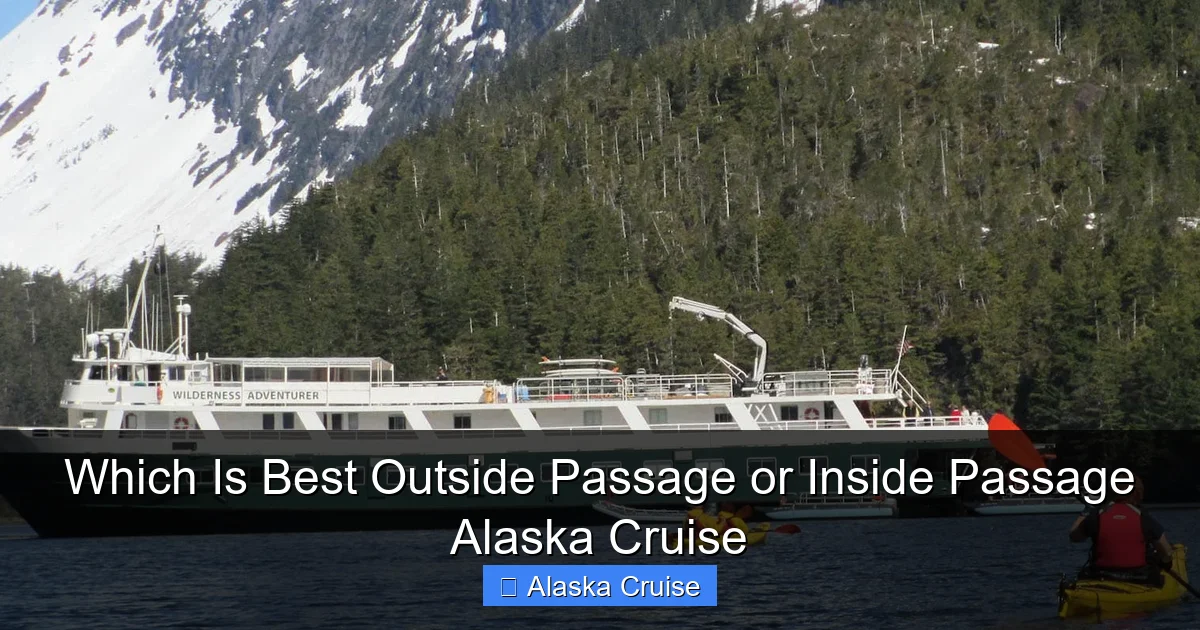
Visual guide about Which Is Best Outside Passage or Inside Passage Alaska Cruise
Image source: velvetescape.com
Geography and Route Overview
The Inside Passage hugs the coastline, offering a sheltered journey through some of the most beautiful and accessible parts of Alaska. Cruises typically depart from Seattle or Vancouver and travel north through British Columbia before entering Alaskan waters. Major ports include Ketchikan, Juneau, Skagway, and Haines. Some itineraries also include a stop in Victoria, BC, on the return trip.
Because the waters are protected by islands and peninsulas, the seas are generally calm. This makes the Inside Passage ideal for travelers who are sensitive to motion sickness or prefer a smoother sailing experience. The route also allows for frequent port stops—often every day or every other day—giving passengers plenty of opportunities to explore.
Scenery and Highlights
The scenery in the Inside Passage is lush and green, with towering evergreens, cascading waterfalls, and misty mountains. You’ll pass through narrow channels like the famous Tracy Arm or Endicott Arm, where glaciers calve into the water and icebergs float like jewels. Wildlife is abundant—keep an eye out for orcas, humpback whales, sea lions, and bald eagles.
One of the biggest draws is the accessibility of natural wonders. Many Inside Passage cruises include excursions like whale watching in Juneau, dog sledding on a glacier near Skagway, or a ride on the historic White Pass & Yukon Route railway. These activities are well-organized and easy to access, making the Inside Passage a great choice for families, seniors, or anyone who wants a mix of nature and comfort.
Best For: First-Timers and Comfort Seekers
If you’re new to Alaska or cruising in general, the Inside Passage is often the best starting point. The itineraries are well-established, the ports are tourist-friendly, and the onboard experience is typically more relaxed. You’ll have time to enjoy spa treatments, fine dining, and evening entertainment between stops.
Plus, the Inside Passage offers a great balance of nature and culture. In Ketchikan, you can learn about Native Alaskan heritage at the Totem Heritage Center. In Juneau, take a helicopter tour to a glacier or visit the Alaska State Museum. These experiences are enriching without being overwhelming.
What Is the Outside Passage?
The Outside Passage refers to cruise routes that travel through the open waters of the Pacific Ocean and the Gulf of Alaska, rather than staying within the sheltered channels of the Inside Passage. These cruises often venture further north and west, reaching destinations like Glacier Bay National Park, Hubbard Glacier, and even the remote wilderness of the Kenai Fjords.
Geography and Route Overview
Outside Passage cruises typically depart from cities like Seattle, Vancouver, or even San Francisco, and may travel one-way between Alaska and the Pacific Northwest. These itineraries often last 10 to 14 days and include longer stretches at sea. Instead of hugging the coast, ships sail across open water, offering expansive views of the ocean and distant mountain ranges.
Because these routes are less protected, sea conditions can be rougher—especially in the Gulf of Alaska. However, modern cruise ships are built to handle these conditions, and many travelers find the experience exhilarating rather than uncomfortable. The trade-off is access to some of Alaska’s most dramatic and remote landscapes.
Scenery and Highlights
The Outside Passage delivers a more rugged, untamed version of Alaska. You’ll see towering glaciers that stretch for miles, like the massive Hubbard Glacier, which is over 7 miles wide and rises 300 feet above the water. These glaciers are often more accessible on Outside Passage routes, allowing ships to get closer for awe-inspiring views.
The open ocean also means more opportunities for whale sightings. Humpback whales, orcas, and even blue whales can be spotted feeding in the nutrient-rich waters. Sea otters, porpoises, and Dall’s porpoises are common, and on clear days, you might even see the distant peaks of the Saint Elias Mountains.
One of the most unforgettable experiences on an Outside Passage cruise is sailing through Glacier Bay National Park. This UNESCO World Heritage Site is home to over a dozen active glaciers and is best accessed from the open water. The silence of the bay, broken only by the crack of calving ice, is truly magical.
Best For: Adventurers and Nature Purists
If you’re drawn to raw, untouched nature and don’t mind a bit of unpredictability, the Outside Passage is for you. These cruises attract travelers who want to feel like explorers, venturing into remote regions where few people go. The longer sea days allow for relaxation, reading, and stargazing on the open deck.
Outside Passage cruises also tend to be less crowded, with fewer ships and more space to enjoy the scenery. This makes them ideal for photographers, nature lovers, and anyone seeking a more intimate connection with Alaska’s wild side.
Comparing Scenery: Lush vs. Wild
One of the biggest differences between the Inside and Outside Passage is the type of scenery you’ll encounter. The Inside Passage is like a lush, green dream—think emerald forests, misty fjords, and charming coastal towns. It’s picturesque and inviting, with a sense of warmth and accessibility.
The Outside Passage, on the other hand, is all about scale and drama. Imagine standing on the deck as a 100-foot wall of ice crashes into the sea, sending spray high into the air. Or watching a pod of humpback whales breach in the open ocean, their bodies glistening in the sunlight. The Outside Passage feels more primal, more powerful.
Glacier Viewing: Which Route Gets You Closer?
Both routes offer glacier viewing, but the experience differs. Inside Passage cruises often visit Tracy Arm or Endicott Arm, where you can see smaller, tidewater glaciers up close. These fjords are stunning, with waterfalls cascading down cliffs and icebergs floating in turquoise water.
Outside Passage cruises, however, frequently include Hubbard Glacier—one of the largest and most active glaciers in North America. Ships can often get within a mile of the glacier’s face, giving passengers an up-close view of its towering blue ice. The sheer scale is breathtaking, and the sound of calving ice echoes across the water.
Wildlife Encounters: What You’re Likely to See
Wildlife is abundant on both routes, but the species and viewing opportunities vary. In the Inside Passage, you’re more likely to see orcas, sea lions, and bald eagles near the shore. Shore excursions often include bear viewing in places like Pack Creek on Admiralty Island.
On the Outside Passage, open-water species dominate. Humpback whales are common, and you might spot minke or fin whales as well. Sea otters float on their backs in kelp beds, and puffins can be seen nesting on coastal cliffs. The further north you go, the greater the chance of seeing marine mammals in their natural habitat.
Weather and Sea Conditions: Comfort vs. Adventure
Weather plays a big role in your cruise experience, and the two routes differ significantly in this regard. The Inside Passage is known for its mild, temperate climate. Summer temperatures typically range from 50°F to 70°F, and rain is common—hence the lush greenery. But because the waters are sheltered, seas are usually calm, with minimal rocking.
The Outside Passage, especially in the Gulf of Alaska, can be much more unpredictable. Winds and waves are stronger, and fog is common. While modern ships are designed to handle these conditions, some passengers may feel the motion more. If you’re prone to seasickness, this is an important consideration.
Packing Tips for Each Route
For an Inside Passage cruise, pack layers, a waterproof jacket, and comfortable walking shoes. You’ll be doing a lot of exploring onshore, so breathable clothing and a daypack are essential. Don’t forget binoculars for wildlife spotting!
For an Outside Passage cruise, bring warmer layers, even in summer. The open ocean can be chilly, especially near glaciers. A windbreaker, gloves, and a warm hat are smart additions. And if you’re prone to motion sickness, consider bringing seasickness medication or acupressure bands.
Best Time to Cruise Each Route
The Alaska cruise season runs from May to September. For the Inside Passage, late May to early June offers fewer crowds and blooming wildflowers, while July and August are peak season with the best weather. September brings fall colors and fewer tourists.
Outside Passage cruises are best in July and August, when weather is most stable and wildlife is most active. Earlier or later in the season may mean rougher seas and colder temperatures, but also more solitude and dramatic lighting for photography.
Itineraries and Cruise Lines: What to Expect
Inside Passage cruises are typically 7-day round-trips from Seattle or Vancouver. Major cruise lines like Holland America, Princess, and Norwegian offer these routes, often with a focus on comfort and onboard amenities. Ports of call are well-developed, with plenty of excursion options.
Outside Passage cruises are often longer—10 to 14 days—and may be one-way between Seattle and Seward or Whittier (near Anchorage). These itineraries are popular with lines like Celebrity, Royal Caribbean, and smaller expedition ships like those from UnCruise or Lindblad Expeditions. They often include more remote destinations and a greater emphasis on nature and adventure.
Expedition vs. Traditional Cruises
If you choose an Outside Passage route, you might consider an expedition cruise. These smaller ships carry fewer passengers and focus on wildlife, geology, and cultural education. Naturalists and guides are onboard to enhance the experience, and Zodiac boats allow for up-close exploration.
Traditional cruise ships, common on Inside Passage routes, offer more entertainment, dining, and relaxation options. They’re great for families and those who want a balance of activity and leisure.
Which Is Right for You?
So, which is best—Outside Passage or Inside Passage Alaska cruise? The answer depends on your priorities.
If you value comfort, frequent port stops, and a well-organized itinerary, the Inside Passage is likely your best bet. It’s perfect for first-time cruisers, families, and anyone who wants to experience Alaska’s beauty without rough seas or long stretches at sea.
If you’re seeking adventure, dramatic scenery, and a deeper connection with nature, the Outside Passage offers a more immersive experience. It’s ideal for photographers, nature enthusiasts, and travelers who don’t mind a bit of unpredictability.
And remember—you don’t have to choose just one. Many travelers take both routes over multiple trips, experiencing the best of both worlds. Whether you sail through sheltered fjords or across the open ocean, Alaska will leave you in awe.
Final Thoughts: Embrace the Journey
There’s no wrong way to see Alaska. Both the Inside and Outside Passage offer unforgettable experiences, each with its own unique charm. The Inside Passage welcomes you with green forests and friendly towns, while the Outside Passage challenges you with raw power and vast horizons.
Ultimately, the best cruise is the one that matches your spirit of adventure. So ask yourself: Do you want to explore cozy coastal villages and enjoy a smooth sail? Or are you ready to chase glaciers across the open sea? Whatever you choose, Alaska will reward you with memories that last a lifetime.
Frequently Asked Questions
Which route is better for first-time Alaska cruisers?
The Inside Passage is generally better for first-timers. It offers calmer seas, frequent port stops, and well-organized excursions, making it easier to experience Alaska’s highlights without the unpredictability of open-ocean travel.
Are Outside Passage cruises rougher?
Yes, Outside Passage cruises can have rougher seas, especially in the Gulf of Alaska. However, modern ships are built to handle these conditions, and many passengers enjoy the sense of adventure that comes with open-water sailing.
Can you see glaciers on both routes?
Absolutely. Inside Passage cruises visit fjords with tidewater glaciers, while Outside Passage routes often get closer to massive glaciers like Hubbard or in Glacier Bay. Both offer incredible glacier viewing, just in different settings.
Which route has better wildlife sightings?
Both routes offer excellent wildlife, but the types differ. Inside Passage cruises are great for orcas, sea lions, and bears near shore, while Outside Passage routes offer more open-ocean species like humpback whales and sea otters.
Are Outside Passage cruises more expensive?
Not necessarily. While some expedition-style Outside Passage cruises can be pricier, traditional cruise lines also offer these routes at similar prices to Inside Passage trips. It often depends on the cruise line, itinerary length, and cabin category.
Can you do both routes on one trip?
It’s rare to do both on a single cruise, but some extended itineraries may combine elements of both. More commonly, travelers take separate trips—one Inside Passage and one Outside Passage—to experience the full range of Alaska’s beauty.