Featured image for which cruise lines have smaller ships
Image source: thumbs.dreamstime.com
For a more intimate and personalized cruising experience, several top cruise lines specialize in smaller ships with fewer passengers. Lines like Seabourn, Windstar Cruises, and Lindblad Expeditions operate boutique vessels that access hidden ports, offer immersive itineraries, and emphasize luxury, adventure, and exceptional service. These cozy voyages deliver a refined, uncrowded alternative to mainstream mega-ships.
Key Takeaways
- Choose boutique lines: Windstar and Seabourn offer intimate, <1,000-guest ships.
- Prioritize exclusivity: Regent Seven Seas and Silversea provide all-suite, small-ship luxury.
- Explore niche destinations: Lindblad partners with National Geographic for expedition voyages.
- Maximize space ratio: Small ships ensure more room per guest and personalized service.
- Book early: Limited capacity on small ships sells out fast—reserve early.
- Look for yacht-like fleets: Ponant and SeaDream mimic private yacht experiences.
📑 Table of Contents
- Why Choose a Smaller Ship for Your Next Cruise?
- 1. The Benefits of Sailing on a Smaller Cruise Ship
- 2. Top Cruise Lines Specializing in Smaller Ships
- 3. Niche and Expedition Cruise Lines for Adventurous Travelers
- 4. How to Choose the Right Small-Ship Cruise Line
- 5. Smaller Ships vs. Mega-Ships: A Comparative Overview
- 6. Final Thoughts: Embracing the Cozy Voyage
Why Choose a Smaller Ship for Your Next Cruise?
When most people think of cruising, they picture massive floating cities with towering decks, endless dining options, and thousands of passengers. While mega-ships like those from Royal Caribbean or Carnival offer undeniable excitement, they’re not for everyone. For travelers seeking a more intimate, personalized, and immersive experience, smaller cruise ships provide a refreshing alternative. With fewer passengers, these vessels can access hidden ports, offer tailored excursions, and create a cozy, unhurried atmosphere that feels more like a private retreat than a crowded resort.
The appeal of smaller ships lies in their ability to deliver a destination-focused journey rather than an activity-packed one. Instead of spending your days navigating crowded pools and long buffet lines, you can enjoy quiet moments on deck, engage in meaningful conversations with fellow travelers, and explore off-the-beaten-path destinations. Whether you’re a seasoned cruiser looking for something different or a first-timer who values comfort and exclusivity, smaller ships offer a unique way to see the world. But which cruise lines specialize in these intimate voyages? Let’s dive into the best options for a cozy, unforgettable cruise experience.
1. The Benefits of Sailing on a Smaller Cruise Ship
Before we explore specific cruise lines, it’s worth understanding why smaller ships stand out. From personalized service to unique itineraries, the advantages are compelling for the right kind of traveler.
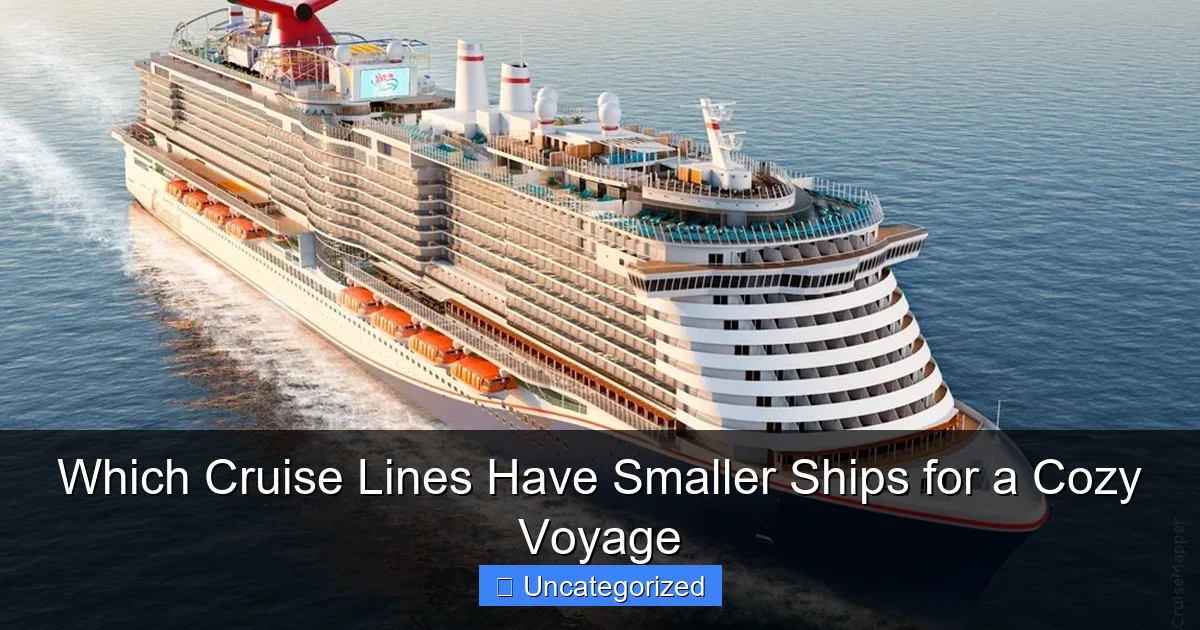
Visual guide about which cruise lines have smaller ships
Image source: cruisemapper.com
Intimate Atmosphere and Personalized Service
With passenger counts often ranging from 50 to 1,000, smaller ships foster a sense of community. Crew members remember your name, preferences, and even your favorite drink. This level of service is rare on larger vessels, where staff-to-guest ratios are stretched thin. For example, Silversea Cruises maintains a staff-to-guest ratio of nearly 1:1, ensuring every need is met with care.
- Tip: If you value privacy but still want social opportunities, look for ships with communal lounges and optional group activities.
- Example: On a Windstar Cruises sailing, the captain often dines with guests, creating a relaxed, family-like vibe.
Access to Unique Ports and Destinations
Larger ships are limited to major ports due to size and infrastructure requirements. Smaller ships can dock in secluded harbors, remote islands, and historic city centers. For instance, Ponant’s 264-passenger ships can navigate the narrow waterways of Norway’s fjords or the icy channels of Antarctica—places where megaships simply can’t go.
- Tip: Research itineraries that include lesser-known stops, like Croatia’s Hvar Island or the Greek Cyclades, for a more authentic experience.
Flexible and Immersive Excursions
Smaller ships often partner with local guides for bespoke shore excursions. Instead of crowded bus tours, you might join a small-group kayaking trip, a private wine tasting, or a guided hike through a rainforest. Azamara excels here with their “AzAmazing Evenings”—exclusive cultural events like flamenco performances in Seville or jazz nights in New Orleans.
Less Crowding, More Space
Even with fewer passengers, smaller ships offer spacious cabins, open decks, and fewer queues. On a Seabourn vessel, you’ll find expansive suites, a relaxed dress code, and no formal nights—perfect for unwinding in comfort.
2. Top Cruise Lines Specializing in Smaller Ships
Now that we’ve covered the perks, let’s explore the cruise lines leading the small-ship revolution. These brands combine luxury, adventure, and intimacy to create unforgettable voyages.
Windstar Cruises: Sailing the Seas in Style
Windstar’s fleet of six small ships (148–310 passengers) includes sleek motor yachts and iconic sailing ships. Their Star Pride, Star Legend, and Star Breeze (212 passengers each) feature open decks, water sports platforms, and a relaxed ambiance. With a focus on Caribbean, Mediterranean, and Tahiti itineraries, Windstar excels at blending adventure with comfort.
- Unique Feature: The “Signature Onboard Barbecue” lets guests dine under the stars with live music.
- Tip: Book a suite for a private veranda and complimentary amenities like premium spirits.
Silversea Cruises: Ultra-Luxury on a Small Scale
Silversea’s all-suite ships (100–608 passengers) cater to discerning travelers with butler service, gourmet dining, and inclusive excursions. Their Silver Muse (596 guests) and Silver Cloud (274 guests) offer a “home away from home” feel, with spacious suites, a relaxed dress code, and a focus on cultural immersion.
- Unique Feature: All-inclusive pricing covers tips, drinks, and even private transfers.
- Tip: Opt for a Silver Suite for a dedicated concierge and access to the exclusive Otium Spa.
Ponant: French Elegance and Expedition Cruising
Ponant’s fleet of 11 small ships (184–264 passengers) combines French luxury with expedition capabilities. Their Le Champlain and Le Laperouse feature sleek designs, a spa, and a focus on sustainability. Ponant specializes in polar expeditions, the Amazon, and Southeast Asia, often with expert naturalists onboard.
- Unique Feature: The “Blue Eye” underwater lounge on select ships lets you observe marine life in real-time.
- Tip: Choose a “Prestige Suite” for a balcony and priority dining reservations.
Seabourn: Intimacy Meets Adventure
Seabourn’s four identical ships (458–600 passengers) offer a blend of luxury and exploration. Their Seabourn Ovation and Seabourn Encore feature all-suite accommodations, a relaxed dress code, and a focus on wellness. Seabourn’s “Ventures by Seabourn” program includes guided kayaking, snorkeling, and Zodiac excursions.
- Unique Feature: The “Caviar in the Surf” beach party is a guest favorite.
- Tip: Book a Veranda Suite for a private balcony and complimentary minibar.
UnCruise Adventures: Small-Group, Active Exploration
For travelers seeking adrenaline and authenticity, UnCruise’s six ships (22–86 passengers) deliver. Their Wilderness Adventurer (60 guests) explores Alaska, Baja, and the Galápagos with a focus on wildlife viewing, hiking, and kayaking. All-inclusive pricing covers gear, excursions, and even alcohol.
- Unique Feature: The “Beer & Wine Tasting” events highlight local breweries and vineyards.
- Tip: Choose a “Premier Cabin” for extra space and better views.
3. Niche and Expedition Cruise Lines for Adventurous Travelers
Beyond luxury, smaller ships also cater to adventurers, nature lovers, and cultural enthusiasts. These lines specialize in immersive, off-the-grid experiences.
Lindblad Expeditions: National Geographic Partnership
Lindblad’s fleet of eight ships (62–148 passengers) partners with National Geographic to deliver expert-led expeditions. Their National Geographic Quest (100 guests) sails to Alaska, Costa Rica, and the Arctic, with onboard naturalists, photo instructors, and kayaking excursions.
- Unique Feature: Guests receive a complimentary National Geographic book at the end of the voyage.
- Tip: Book a “Category A” cabin for a window and priority seating in the lounge.
Hurtigruten: Norway’s Coastal Icon
Hurtigruten’s 11 ships (200–500 passengers) are a staple of Norway’s coastal route, but they also sail to Antarctica, Greenland, and Iceland. Their Fridtjof Nansen (530 guests) features a science center, a hybrid propulsion system, and a focus on sustainability.
- Unique Feature: The “Science Center” lets guests participate in research projects.
- Tip: Choose a “Polar Outside Cabin” for a window and extra storage space.
Azamara: Destination Immersion
Azamara’s four ships (694–702 passengers) prioritize longer stays in port, overnight visits, and cultural events. Their “AzAmazing Evenings” program includes exclusive performances, like a private concert in a Venetian palace.
- Unique Feature: “White Night” parties on deck with gourmet dining and live music.
- Tip: Book a “Club Veranda Plus” stateroom for a larger balcony and priority dining.
4. How to Choose the Right Small-Ship Cruise Line
With so many options, selecting the perfect small-ship cruise requires careful consideration. Here’s how to narrow down your choices.
Define Your Priorities
Ask yourself: Do you value luxury, adventure, or cultural immersion? Silversea and Seabourn excel in luxury, while UnCruise and Lindblad cater to adventurers. For cultural depth, Ponant and Azamara are ideal.
Consider the Itinerary
Smaller ships excel in specific regions. Windstar is perfect for the Caribbean, Ponant for polar expeditions, and Hurtigruten for Norway. Match your dream destination with the line’s strengths.
- Tip: Look for “off-season” sailings for fewer crowds and lower prices.
Evaluate Onboard Amenities
Some ships prioritize spas and fine dining (Silversea), while others focus on active excursions (UnCruise). Check if the ship has a pool, gym, or library if these matter to you.
Read Reviews and Ask Questions
Websites like Cruise Critic and TripAdvisor offer insights from past guests. Reach out to cruise specialists for personalized advice.
5. Smaller Ships vs. Mega-Ships: A Comparative Overview
To help you decide, here’s a data table comparing key aspects of smaller and larger cruise ships:
| Feature | Smaller Ships (e.g., Windstar, Silversea) | Mega-Ships (e.g., Royal Caribbean, Carnival) |
|---|---|---|
| Passenger Capacity | 50–1,000 | 3,000–7,000+ |
| Port Access | Small, remote, historic ports | Major commercial ports only |
| Onboard Experience | Intimate, personalized, relaxed | Fast-paced, activity-packed, crowded |
| Excursions | Bespoke, small-group, local guides | Large-group tours, pre-packaged |
| Pricing | Often all-inclusive, higher base fare | Lower base fare, add-ons common |
| Best For | Travelers seeking exclusivity and immersion | Families, first-time cruisers, thrill-seekers |
6. Final Thoughts: Embracing the Cozy Voyage
Smaller cruise ships offer a world of difference—literally and figuratively. Whether you’re sipping champagne on a Silversea deck, kayaking in Alaska with UnCruise, or exploring Norway’s fjords with Hurtigruten, the experience is richer, deeper, and more meaningful. These vessels aren’t just a mode of transport; they’re gateways to authentic connections with destinations, cultures, and fellow travelers.
As you plan your next cruise, consider stepping away from the megaship crowds and embracing the intimacy of a smaller vessel. The trade-off—fewer pools, no Broadway shows—is more than made up for by the personalized service, unique ports, and unhurried pace. In a world of mass tourism, smaller ships are a reminder that the best journeys are often the quietest, the most personal, and the most unforgettable.
So, which cruise lines have smaller ships for a cozy voyage? Now you know. Whether you choose Windstar’s sailing yachts, Ponant’s French elegance, or Lindblad’s expeditions, your next adventure awaits—one intimate deck at a time.
Frequently Asked Questions
Which cruise lines have smaller ships for a more intimate experience?
Several cruise lines specialize in smaller ships, including **Lindblad Expeditions, UnCruise Adventures, and Paul Gauguin Cruises**. These lines offer vessels with fewer than 300 passengers, creating a cozy, personalized atmosphere. Their focus on exploration and unique destinations makes them ideal for travelers seeking a quieter voyage.
What are the benefits of choosing a cruise line with smaller ships?
Smaller ships provide easier boarding, fewer crowds, and access to ports larger ships can’t reach. Cruise lines with smaller ships, like **Seabourn and Windstar**, emphasize personalized service and immersive experiences, such as kayaking in remote bays or dining under the stars.
Which luxury cruise lines operate smaller ships?
Luxury lines like **Silversea, Regent Seven Seas, and Oceania** operate smaller, high-end ships (typically 500–700 passengers). These vessels combine intimate settings with premium amenities, including spacious suites and gourmet dining, for a refined yet cozy voyage.
Are there affordable cruise lines with smaller ships?
Yes! **Ponant and Hurtigruten** offer budget-friendly small-ship options, often with expedition-style itineraries. While not as luxurious as premium lines, they provide unique destinations (like Antarctica or Norway’s fjords) and a relaxed, uncrowded experience.
Do smaller ships mean fewer onboard activities?
Not necessarily. While smaller ships lack mega-resort amenities, many cruise lines with smaller vessels focus on curated experiences, like cultural lectures, local cuisine tastings, or guided nature tours. Lines like **Aqua Expeditions** blend adventure with comfort, ensuring plenty to do.
Which small-ship cruise lines are best for solo travelers?
**UnCruise Adventures and Alaskan Dream Cruises** cater to solo travelers with single-friendly pricing and communal dining. Their small ships foster a social vibe, making it easy to connect with like-minded explorers while enjoying off-the-beaten-path adventures.