Featured image for which cruise lines are affiliated with royal caribbean
Image source: cruisefever.net
Royal Caribbean Group owns and operates multiple cruise lines, including its namesake Royal Caribbean International, the premium Celebrity Cruises, and the luxury Silversea Cruises. These brands cater to diverse travelers, from family-friendly adventures to ultra-luxury expeditions, all under one corporate umbrella.
Key Takeaways
- Royal Caribbean Group owns Royal Caribbean International, Celebrity Cruises, and Silversea.
- Joint ventures include TUI Cruises and Hapag-Lloyd, expanding European market reach.
- Shared technology and innovation across brands enhance guest experiences fleet-wide.
- Loyalty perks are not transferable between affiliated lines despite common ownership.
- Each brand maintains distinct identities targeting different traveler preferences and budgets.
- Strategic partnerships drive growth in luxury, premium, and mass-market cruise segments.
📑 Table of Contents
- Which Cruise Lines Are Affiliated With Royal Caribbean Revealed
- The Royal Caribbean Group: The Parent Company Behind the Brands
- Royal Caribbean International: The Flagship Brand
- Celebrity Cruises: The Premium Sister Brand
- Silversea Cruises: The Ultra-Luxury Expedition Arm
- Joint Ventures and Strategic Partnerships
- Comparative Data: Fleet Size, Market Position, and Key Features
- Conclusion: Navigating the Royal Caribbean Family
Which Cruise Lines Are Affiliated With Royal Caribbean Revealed
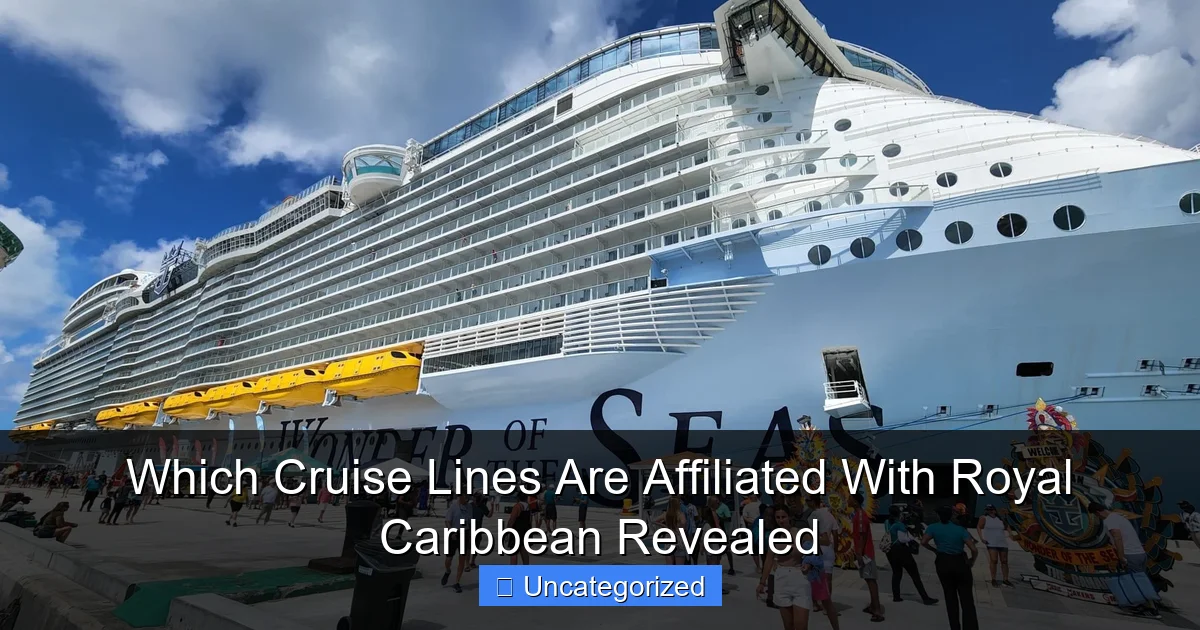
When you think of Royal Caribbean International, images of massive, innovative cruise ships like Icon of the Seas and Wonder of the Seas likely come to mind. These floating cities boast sky-high waterslides, robot bartenders, surf simulators, and Broadway-caliber entertainment. But behind the glitz and glamour of one of the world’s most recognizable cruise brands lies a broader, more strategic corporate structure—one that includes multiple cruise lines operating under the same parent company. While Royal Caribbean International is the flagship brand, many travelers are surprised to learn that several other well-known cruise lines are, in fact, affiliated with Royal Caribbean. This affiliation isn’t just about branding; it’s about shared resources, operational synergies, and a unified vision for delivering unforgettable cruise experiences across diverse market segments.
Understanding which cruise lines are affiliated with Royal Caribbean is essential for travelers who want to maximize value, loyalty benefits, and onboard experiences. Whether you’re a first-time cruiser or a seasoned sea-goer, knowing the connections between these brands can help you make smarter decisions—especially when it comes to booking perks, loyalty programs, and itineraries. In this comprehensive guide, we’ll explore the full scope of the Royal Caribbean Group, its subsidiaries, joint ventures, and strategic partnerships. From luxury ocean liners to expedition-style adventure cruises, we’ll reveal the full family tree of brands connected to Royal Caribbean and explain how each contributes to a diversified cruise portfolio. Whether you’re eyeing a family-friendly Caribbean getaway or a once-in-a-lifetime Antarctic expedition, this breakdown will help you navigate the waters of choice with confidence.
The Royal Caribbean Group: The Parent Company Behind the Brands
A Global Cruise Powerhouse
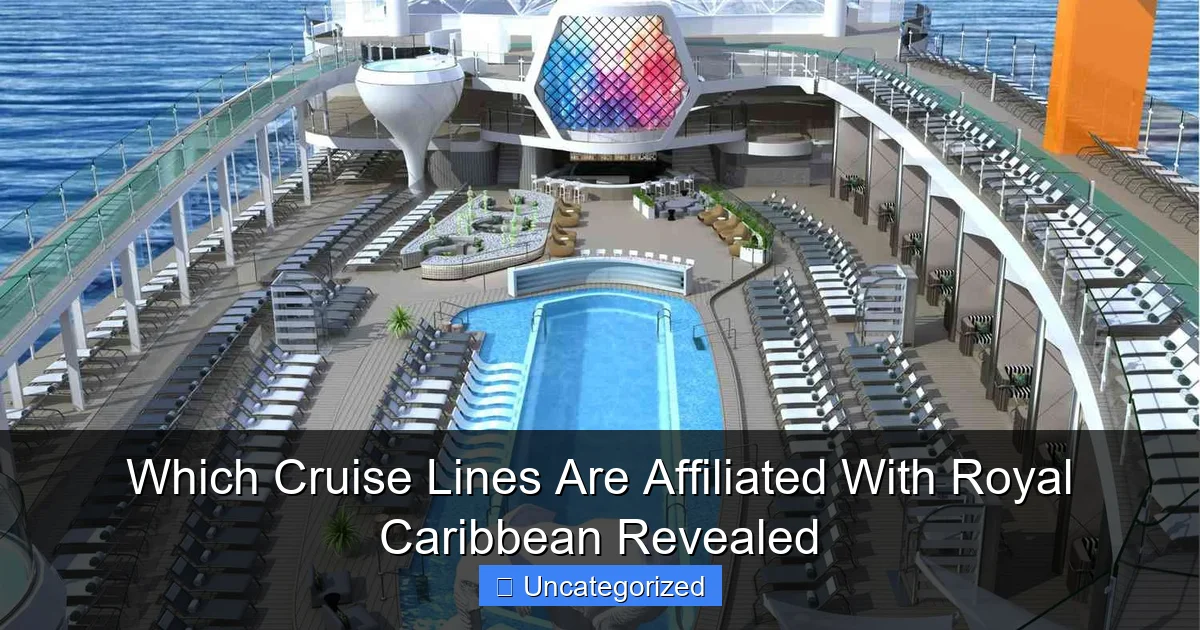
The umbrella organization that encompasses Royal Caribbean International and its affiliated brands is the Royal Caribbean Group (formerly Royal Caribbean Cruises Ltd.), a publicly traded company headquartered in Miami, Florida. Founded in 1968, the group has grown into one of the largest and most influential cruise corporations in the world. As of 2024, the Royal Caribbean Group operates over 60 ships across its portfolio, serving more than 10 million guests annually and offering itineraries to more than 1,000 destinations worldwide. The group’s success is built on a strategy of diversification—offering cruise experiences that cater to a wide range of traveler preferences, from budget-conscious families to high-end luxury seekers and adventure enthusiasts.
Visual guide about which cruise lines are affiliated with royal caribbean
Image source: touristsecrets.com
Unlike some cruise companies that focus on a single brand, the Royal Caribbean Group leverages a multi-brand approach. This allows them to capture market share across different segments without diluting the identity of any one brand. For example, while Royal Caribbean International targets families and first-time cruisers with its high-energy, amenity-rich mega-ships, other affiliated brands focus on luxury, cultural immersion, or expedition cruising. This strategic segmentation ensures that each brand maintains its unique voice while benefiting from the Group’s vast resources in operations, marketing, technology, and sustainability initiatives.
Financial and Operational Synergies
One of the key advantages of being part of the Royal Caribbean Group is the shared infrastructure. All affiliated brands benefit from centralized functions such as:
- Fleet management and maintenance – Shared shipyards, dry-dock scheduling, and technical expertise.
- Procurement and supply chain – Bulk purchasing of food, fuel, and onboard supplies reduces costs.
- Technology and IT systems – Unified reservation platforms, mobile apps, and guest experience tools.
- Marketing and distribution – Global advertising campaigns and travel agent partnerships.
- Environmental and safety standards – The Group’s “Destination Net Zero” initiative applies across all brands.
These synergies allow each brand to operate more efficiently and sustainably. For example, when Royal Caribbean International developed its advanced wastewater treatment system, it was later adopted by sister brands to meet stricter environmental regulations in regions like Alaska and the Galápagos. Similarly, the Group’s investment in AI-driven guest personalization tools is being rolled out across multiple brands to enhance the onboard experience.
Royal Caribbean International: The Flagship Brand
The Pioneer of Modern Mega-Ships
Royal Caribbean International (RCI) is the crown jewel of the Royal Caribbean Group. Launched in 1969 with the Song of Norway, the brand revolutionized the cruise industry by introducing larger, more amenity-rich ships. Today, RCI is synonymous with innovation, consistently pushing the boundaries of what’s possible at sea. The brand’s Oasis-class and Quantum-class ships are among the largest and most technologically advanced in the world, featuring:
- Central Park – a real botanical garden with over 20,000 plants
- North Star – a glass capsule that lifts guests 300 feet above sea level
- FlowRider surf simulators and Ultimate Abyss dry slides
- Smart check-in kiosks and wearable tech for keyless staterooms
RCI primarily targets families, couples, and first-time cruisers with itineraries in the Caribbean, Alaska, Europe, and Asia. Its “Royal Way” service philosophy emphasizes fun, convenience, and personalized experiences. With 27 ships in its fleet as of 2024, RCI remains the largest single brand within the Group in terms of passenger capacity and revenue.
Why It Matters: The Hub of Innovation
Because RCI is the flagship, it often serves as the testing ground for new technologies and concepts that later benefit other affiliated brands. For example:
- The Royal App, introduced in 2018, allowed guests to book dining, shows, and excursions from their smartphones. This app has since been adapted for use on Celebrity Cruises and Silversea.
- The Royal Genie concierge service, launched on select ships, offers personalized itineraries and VIP experiences. This concept has inspired similar high-touch services on luxury brands within the Group.
- RCI’s Perfect Day at CocoCay private island has become a blueprint for other brands’ private destinations, including Celebrity’s Perfect Day at CocoCay and Silversea’s Silver Cove in the Galápagos.
For travelers, this means that booking with RCI gives you access to cutting-edge experiences that may not yet be available—or may be priced higher—on other affiliated brands. It also means that loyalty benefits earned with RCI can often be leveraged across the Group’s broader network.
Celebrity Cruises: The Premium Sister Brand
Redefining Modern Luxury
Founded in 1988 and acquired by Royal Caribbean in 1997, Celebrity Cruises occupies the premium segment of the Group’s portfolio. Positioned as “modern luxury,” Celebrity offers a more refined, adult-oriented experience compared to the high-energy, family-friendly vibe of Royal Caribbean International. Its ships feature sleek Scandinavian design, farm-to-table dining, and a strong emphasis on wellness and enrichment.
Celebrity’s Edge-class ships—such as Celebrity Edge and Celebrity Apex—are architectural marvels, featuring the Magic Carpet, a robotic platform that moves up and down the side of the ship to serve as a bar, dining space, or embarkation point. The brand also offers Celebrity Beyond, which debuted in 2022 with expanded outdoor spaces and a focus on sustainability, including LNG-powered engines.
Shared Benefits and Cross-Brand Opportunities
While Celebrity operates independently in terms of branding and guest experience, it shares significant resources with Royal Caribbean International:
- Fleet maintenance – Both brands use the same dry-dock facilities and technical teams.
- Onboard technology – Celebrity uses the same reservation and check-in systems as RCI.
- Loyalty program integration – The Crown & Anchor Society (RCI) and Celebrity Select (Celebrity) are linked, allowing guests to earn and redeem points across both brands.
- Itinerary coordination – In regions like Alaska and the Caribbean, RCI and Celebrity ships often sail similar routes, allowing for shared port operations and excursion providers.
Pro Tip: If you’re a frequent cruiser with Royal Caribbean International, consider booking a Celebrity cruise to experience a more relaxed, upscale atmosphere while still benefiting from your loyalty status. Many Crown & Anchor members receive perks like onboard credit, priority boarding, and complimentary upgrades when sailing with Celebrity.
Silversea Cruises: The Ultra-Luxury Expedition Arm
Small Ships, Big Adventures
Acquired by Royal Caribbean Group in 2018 (with a 75% stake, later increased to 100%), Silversea Cruises represents the pinnacle of luxury and expedition cruising. With a fleet of small, intimate ships (averaging 380 guests), Silversea specializes in immersive, all-inclusive experiences to remote destinations like Antarctica, the Arctic, the Galápagos, and the South Pacific. Every suite includes a butler, and fares cover premium drinks, gratuities, and most excursions.
Silversea’s Project Evolution initiative introduced the Silver Nova in 2023—the world’s first hybrid-powered cruise ship, using LNG and fuel cells to reduce emissions. The ship features a revolutionary asymmetrical design, with 80% of staterooms having a balcony.
Strategic Role in the Royal Caribbean Group
Silversea serves a dual purpose within the Group:
- Market expansion – It allows the Group to compete with luxury giants like Regent Seven Seas and Seabourn.
- Sustainability leadership – Silversea’s focus on eco-friendly expeditions aligns with the Group’s “Destination Net Zero” goal.
Guests can also benefit from cross-brand loyalty. While Silversea has its own Venetian Society loyalty program, Royal Caribbean Group is working toward greater integration. For example, top-tier Crown & Anchor members may receive invitations to exclusive Silversea sailings or onboard perks like spa credits.
Example: The Galápagos Connection
Silversea operates two ships in the Galápagos: Silver Origin and Silver Galapagos. These cruises are fully compliant with Ecuador’s strict environmental regulations. Royal Caribbean International guests who book a pre- or post-cruise extension with Silversea in the Galápagos often receive seamless transfers, shared excursions, and coordinated itineraries—showcasing the operational synergy between the brands.
Joint Ventures and Strategic Partnerships
TUI Cruises (Hapag-Lloyd Cruises) – The German Connection
While not a direct subsidiary, TUI Cruises is a key joint venture partner of the Royal Caribbean Group. Established in 2008, the 50/50 partnership with TUI AG (a German tourism giant) operates the Mein Schiff (My Ship) brand, targeting the German-speaking market. The ships—such as Mein Schiff 1 and Mein Schiff 6—are built by Royal Caribbean Group’s shipyard partners and feature design elements inspired by RCI and Celebrity.
This partnership allows the Group to:
- Access the lucrative German cruise market without launching a new brand from scratch.
- Share R&D costs for new ship designs and sustainable technologies.
- Coordinate itineraries in the Mediterranean and Northern Europe.
Hurtigruten Expeditions – Adventure at Sea
In 2021, the Royal Caribbean Group acquired a 50% stake in Hurtigruten Expeditions, a Norwegian-based adventure cruise line specializing in polar and coastal expeditions. This move strengthened the Group’s presence in the growing expedition cruise market, complementing Silversea’s offerings.
Key synergies include:
- Shared expedition teams and naturalist guides.
- Cross-promotion of itineraries (e.g., Arctic with Hurtigruten, Antarctic with Silversea).
- Joint investment in eco-friendly ships, such as Hurtigruten’s hybrid-powered Roald Amundsen.
Other Collaborations
The Group also partners with:
- Dream Cruises (via Genting Hong Kong) – Although Genting filed for bankruptcy in 2022, the Group previously co-developed ships for the Asian market.
- Port Everglades and Miami Cruise Port – Strategic alliances to streamline operations and reduce turnaround times.
Comparative Data: Fleet Size, Market Position, and Key Features
To better understand the scope of the Royal Caribbean Group’s affiliated brands, here’s a comparative table highlighting key metrics as of 2024:
| Brand | Fleet Size | Target Market | Signature Feature | Loyalty Program | Average Passenger Capacity |
|---|---|---|---|---|---|
| Royal Caribbean International | 27 | Families, first-time cruisers | Oasis-class mega-ships, private islands | Crown & Anchor Society | 4,000–6,000 |
| Celebrity Cruises | 15 | Premium travelers, couples | Edge-class ships, Magic Carpet | Celebrity Select | 2,900–3,200 |
| Silversea Cruises | 12 | Ultra-luxury, expeditions | All-suite, all-inclusive, butler service | Venetian Society | 100–600 |
| TUI Cruises (JV) | 8 | German-speaking market | Mein Schiff “Wellness” focus | Mein Schiff Club | 2,500–3,000 |
| Hurtigruten Expeditions (JV) | 10 | Adventure, polar expeditions | Hybrid-powered ships, Zodiac landings | Hurtigruten Expeditions Club | 100–500 |
This data illustrates the Group’s strategic diversification. From massive family-friendly ships to intimate, all-inclusive expedition vessels, the portfolio is designed to capture every segment of the cruise market. The loyalty programs, while brand-specific, are increasingly interconnected, allowing for cross-brand benefits and a unified guest experience.
Conclusion: Navigating the Royal Caribbean Family
The Royal Caribbean Group is more than just a cruise company—it’s a global travel ecosystem. By understanding which cruise lines are affiliated with Royal Caribbean, travelers gain a powerful advantage. Whether you’re drawn to the high-energy fun of Royal Caribbean International, the refined elegance of Celebrity Cruises, the ultra-luxury expeditions of Silversea, or the niche adventures of Hurtigruten and TUI Cruises, you’re tapping into a network of shared innovation, sustainability, and guest-focused excellence.
For cruisers, this affiliation means more than just brand names on a ship’s hull. It means access to a broader range of destinations, enhanced loyalty benefits, and consistent operational quality. It means that the technology you love on an Oasis-class ship might soon appear on a Celebrity Edge vessel. It means that your Crown & Anchor points could unlock a once-in-a-lifetime Antarctic journey with Silversea. And it means that, no matter which brand you choose, you’re sailing under the same commitment to safety, sustainability, and unforgettable experiences.
So the next time you’re planning a cruise, look beyond the brand name. Consider the entire Royal Caribbean Group portfolio. With strategic planning, you can leverage your loyalty, discover new destinations, and enjoy a seamless, elevated travel experience across multiple brands. The seas are vast, but with the right knowledge, your journey can be smarter, more rewarding, and infinitely more enjoyable. After all, in the world of cruising, family isn’t just about bloodlines—it’s about shared vision, shared innovation, and shared adventure.
Frequently Asked Questions
Which cruise lines are affiliated with Royal Caribbean?
Royal Caribbean Group owns several cruise lines, including Royal Caribbean International, Celebrity Cruises, and Silversea Cruises. The group also holds a majority stake in TUI Cruises and Hapag-Lloyd Cruises through a joint venture.
Is Celebrity Cruises part of Royal Caribbean?
Yes, Celebrity Cruises is a wholly owned subsidiary of Royal Caribbean Group. It operates as a premium brand under the group, offering upscale experiences while sharing corporate resources and operational synergies.
Does Royal Caribbean own Silversea Cruises?
Royal Caribbean Group acquired a majority stake in Silversea Cruises in 2018, making it an affiliated luxury cruise line. Silversea operates independently but benefits from Royal Caribbean’s global support and expertise.
Are TUI Cruises and Hapag-Lloyd Cruises affiliated with Royal Caribbean?
Yes, both are affiliated through a joint venture with TUI AG. Royal Caribbean Group owns 50% of TUI Cruises and a majority stake in Hapag-Lloyd Cruises, catering primarily to the German-speaking market.
Which cruise lines are under the Royal Caribbean Group umbrella?
The Royal Caribbean Group includes Royal Caribbean International, Celebrity Cruises, Silversea Cruises, TUI Cruises, and Hapag-Lloyd Cruises. Each brand targets different market segments while sharing corporate oversight.
Does Royal Caribbean International share ships with its affiliated brands?
No, each affiliated brand operates its own fleet and maintains distinct identities. However, they may share technology, sustainability initiatives, and corporate strategies under the Royal Caribbean Group.