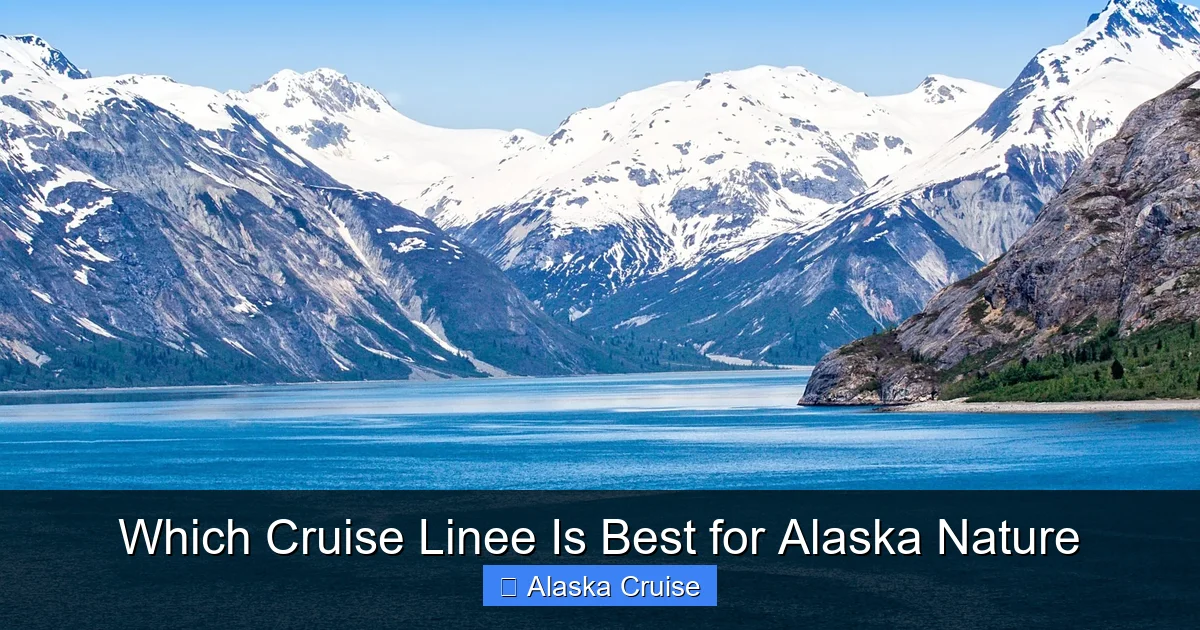
Choosing the right cruise line for Alaska nature can make or break your adventure. With so many options, it’s essential to pick one that prioritizes wildlife viewing, scenic routes, and sustainable practices. This guide breaks down the top cruise lines that deliver unforgettable natural experiences in Alaska.
Key Takeaways
- Holland America Line offers the best balance of comfort and nature immersion, with expert naturalists and extended port stays in key wildlife areas.
- UnCruise Adventures is ideal for small-group, adventure-focused travelers who want intimate wildlife encounters and active excursions like kayaking and hiking.
- Princess Cruises excels in scenic glacier viewing, especially in Glacier Bay National Park, with large ships and reliable itineraries.
- Lindblad Expeditions partners with National Geographic, offering educational programs and high-quality naturalist guides for a deeper understanding of Alaska’s ecosystems.
- Smaller ships access remote fjords and wildlife hotspots that larger vessels can’t reach, enhancing your nature experience.
- Sustainability matters—choose eco-conscious lines that follow strict environmental guidelines to protect Alaska’s fragile wilderness.
- Timing your cruise between May and September ensures the best weather, wildlife activity, and daylight for nature exploration.
📑 Table of Contents
- Why Alaska Is a Nature Lover’s Paradise
- What Makes a Cruise Line Great for Alaska Nature?
- Top Cruise Lines for Alaska Nature Experiences
- Small Ship vs. Large Ship: Which Is Better for Nature?
- Best Times to Cruise Alaska for Nature
- Tips for Maximizing Your Alaska Nature Experience
- Conclusion: Choosing the Best Cruise Line for Alaska Nature
Why Alaska Is a Nature Lover’s Paradise
Alaska is one of the last true wilderness frontiers on Earth. From towering glaciers that calve into icy waters to dense rainforests teeming with bears and eagles, the state offers an unparalleled natural experience. Whether you’re gazing at a humpback whale breaching near your ship or hiking through moss-covered trails in a remote fjord, Alaska’s raw beauty is impossible to forget.
But to truly appreciate this majestic landscape, you need the right cruise line. Not all ships are created equal when it comes to nature immersion. Some prioritize luxury over access, while others pack in too many passengers, diluting the experience. The best cruise lines for Alaska nature combine thoughtful itineraries, knowledgeable guides, and a commitment to environmental stewardship. They get you closer to wildlife, take you to hidden gems, and help you understand the ecosystems you’re witnessing.
What Makes a Cruise Line Great for Alaska Nature?
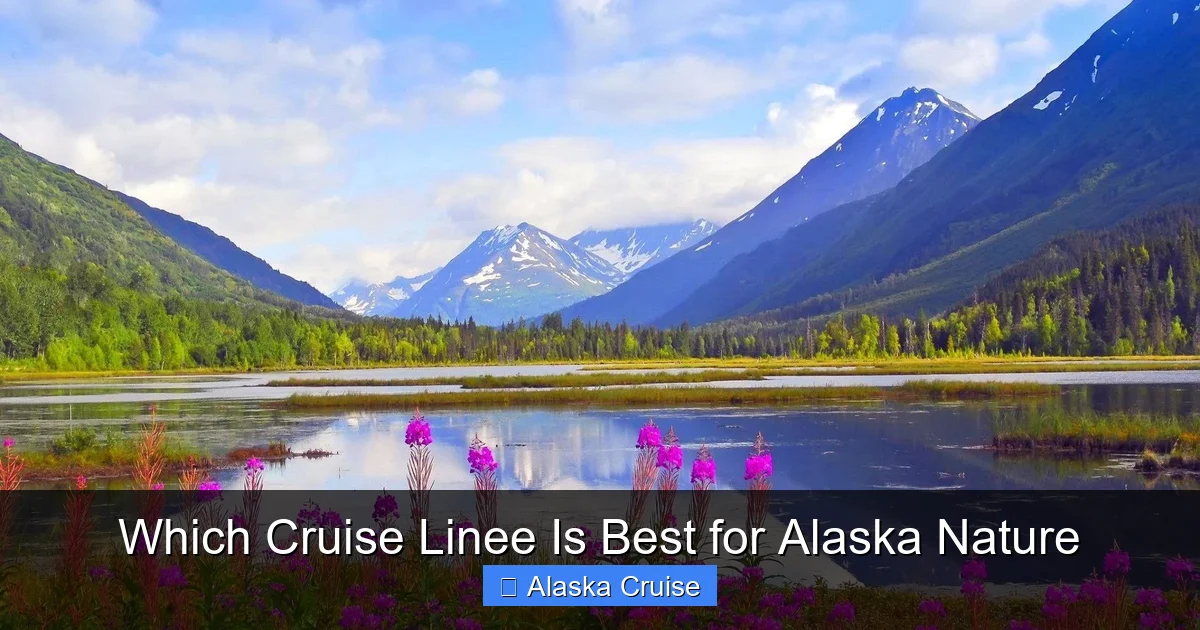
Visual guide about Which Cruise Linee Is Best for Alaska Nature
Image source: wallpaperbat.com
When evaluating which cruise line is best for Alaska nature, several key factors come into play. It’s not just about the destinations—it’s about how you experience them.
Ship Size and Access
Smaller ships have a distinct advantage when it comes to nature exploration. They can navigate narrow channels, dock in remote villages, and anchor closer to wildlife hotspots. Large cruise ships, while comfortable, are often limited to major ports like Juneau, Ketchikan, and Skagway. In contrast, smaller vessels can visit places like Tracy Arm Fjord, Misty Fjords, or the lesser-known waters around Haida Gwaii.
For example, UnCruise Adventures operates ships with fewer than 100 passengers, allowing them to explore areas that larger ships simply can’t reach. This means more intimate whale sightings, quieter kayaking sessions, and fewer crowds at popular viewpoints.
Itinerary Depth and Flexibility
A great nature-focused cruise doesn’t rush from port to port. Instead, it allows time for wildlife viewing, spontaneous stops, and immersive excursions. Look for itineraries that include multiple days in Glacier Bay National Park, extended time in Icy Strait Point, or overnight stays in smaller communities like Wrangell or Haines.
Holland America Line, for instance, often includes two full days in Glacier Bay, giving passengers ample time to witness glacier calving and spot marine mammals. Their ships also make frequent stops in lesser-known ports, offering a more authentic Alaskan experience.
Onboard Naturalists and Educational Programs
One of the biggest differentiators among cruise lines is the quality of their onboard experts. The best nature cruises feature certified naturalists, marine biologists, or National Geographic photographers who lead lectures, guide shore excursions, and help passengers identify wildlife.
Lindblad Expeditions, in partnership with National Geographic, sets the gold standard here. Their team includes photographers, historians, and scientists who enrich every moment with insights about Alaska’s geology, wildlife, and indigenous cultures. These experts often lead Zodiac tours, giving passengers a front-row seat to sea otters, puffins, and even orcas.
Sustainability and Environmental Responsibility
Alaska’s ecosystems are fragile, and responsible tourism is essential. The best cruise lines for Alaska nature follow strict environmental protocols, such as reducing single-use plastics, treating wastewater to high standards, and supporting local conservation efforts.
UnCruise Adventures, for example, is a member of the Green Globe certification program and actively supports marine research initiatives. They also limit passenger numbers to minimize impact and educate guests on sustainable travel practices.
Top Cruise Lines for Alaska Nature Experiences
Now that we know what to look for, let’s dive into the cruise lines that consistently deliver outstanding nature experiences in Alaska.
Holland America Line: The Balanced Nature Explorer
Holland America Line strikes an excellent balance between comfort and nature immersion. Their mid-sized ships—typically carrying 1,400 to 2,000 passengers—are large enough to offer stability in rough waters but small enough to access key natural sites.
One of their standout features is the extended time spent in Glacier Bay National Park. Most itineraries include a full day (or more) in the park, with a park ranger joining the ship to provide commentary. This allows passengers to witness dramatic glacier calving events and spot brown bears, sea lions, and bald eagles in their natural habitat.
Holland America also offers a robust roster of shore excursions, from whale-watching tours in Juneau to dog sledding on a glacier near Skagway. Their “Adventure Ocean” youth program even includes nature-themed activities for kids, making it a great option for families who want to explore Alaska’s wilderness together.
Another advantage is their focus on local culture. In ports like Ketchikan, they partner with Native Alaskan communities to offer authentic cultural experiences, such as totem pole carving demonstrations and traditional dance performances. This adds depth to the nature experience, connecting the land with its people.
UnCruise Adventures: Intimate and Adventure-Packed
If you’re looking for a more rugged, hands-on nature experience, UnCruise Adventures is hard to beat. With ships carrying only 22 to 86 passengers, UnCruise offers an intimate, expedition-style cruise that feels more like a guided wilderness tour than a traditional cruise.
Their itineraries are designed for active travelers. Expect daily kayaking through icy fjords, hiking in temperate rainforests, and even paddleboarding alongside sea otters. One of their most popular routes includes a stop at the Stikine River Delta, where guests can explore tidal flats and spot sandhill cranes and black bears.
UnCruise also emphasizes spontaneity. Their captains often alter course based on wildlife sightings—imagine waking up to find your ship has repositioned overnight to follow a pod of orcas. This flexibility is a huge advantage for nature lovers who want to maximize their chances of unforgettable encounters.
Onboard, the atmosphere is casual and communal. Meals are served family-style, and naturalists lead informal talks on deck. There’s no formal entertainment—just stargazing, wildlife spotting, and deep conversations about the environment. It’s perfect for travelers who want to disconnect and reconnect with nature.
Princess Cruises: Glacier Giants with Scenic Excellence
Princess Cruises is known for its large, modern ships and reliable service. While they cater to a broader audience, they still offer some of the best glacier viewing experiences in Alaska.
Their ships are equipped with “glacier viewing lounges” and outdoor decks designed specifically for watching ice calve into the sea. The “North to Alaska” program enhances the experience with live commentary, local music, and themed dining events.
One of Princess’s biggest strengths is their access to Glacier Bay National Park. Like Holland America, they often spend a full day in the park, with park rangers onboard to provide expert insights. Their ships also visit popular glacier destinations like Hubbard Glacier and College Fjord, where towering walls of ice rise hundreds of feet above the water.
Princess also offers a range of nature-focused excursions, including flightseeing tours over the Juneau Icefield, whale-watching cruises, and guided hikes in Tongass National Forest. Their “Discovery at Sea” program partners with Discovery Channel to offer educational content about Alaska’s wildlife and ecosystems.
While their ships are larger, Princess has made efforts to reduce their environmental impact. They use advanced wastewater treatment systems and have eliminated single-use plastics across their fleet. They also support local communities through their “Princess Giving” program, which funds conservation and education initiatives.
Lindblad Expeditions: The National Geographic Experience
For travelers who want a deeply educational and visually stunning nature cruise, Lindblad Expeditions is the top choice. In partnership with National Geographic, Lindblad offers small-ship expeditions led by world-class experts.
Their ships, such as the National Geographic Quest and Sea Bird, carry fewer than 100 passengers and are designed for exploration. They feature large windows, open decks, and Zodiacs for up-close wildlife encounters.
One of the highlights of a Lindblad cruise is the presence of National Geographic photographers and scientists. These experts lead photo workshops, give lectures on climate change and marine biology, and help guests capture the perfect shot of a breaching whale or a glacier at sunset.
Their itineraries are carefully crafted to maximize wildlife sightings. For example, their “Alaska’s Coastal Wilderness” route includes stops in Sitka, where guests can visit the Alaska Raptor Center, and Icy Strait Point, known for its high concentration of humpback whales. They also explore remote areas like the Inside Passage and the Gulf of Alaska, where orcas and sea lions are commonly seen.
Lindblad is also a leader in sustainable tourism. They follow strict “leave no trace” principles, support local conservation projects, and offset their carbon emissions. Their commitment to environmental education ensures that guests leave not just with amazing photos, but with a deeper understanding of Alaska’s natural wonders.
Small Ship vs. Large Ship: Which Is Better for Nature?
One of the most common questions travelers ask is whether to choose a small or large ship for an Alaskan nature cruise. The answer depends on your priorities.
Advantages of Small Ships
Small ships offer greater access to remote areas, more personalized service, and a quieter, more immersive experience. With fewer passengers, you’ll have better views, shorter lines for excursions, and more opportunities to interact with naturalists.
For example, on a 70-passenger UnCruise ship, you might have three naturalists onboard, allowing for small-group wildlife tours and in-depth conversations. On a 3,000-passenger mega-ship, you might share one naturalist with hundreds of other guests.
Small ships also tend to have more flexible itineraries. If a pod of whales is spotted off the coast, the captain can change course to follow them—something larger ships can’t do due to size and scheduling constraints.
Advantages of Large Ships
Large ships offer more amenities, such as multiple dining options, theaters, and spas. They’re also more stable in rough seas, which can be a plus for travelers prone to motion sickness.
Additionally, large ships often have more extensive shore excursion programs, with a wider variety of activities to choose from. If you want to try everything from zip-lining to helicopter tours, a larger cruise line like Princess or Holland America may be a better fit.
However, large ships are limited in where they can go. They can’t enter narrow fjords or dock in small villages, which means you might miss out on some of Alaska’s most pristine natural areas.
Finding the Right Balance
For many travelers, the ideal choice is a mid-sized ship—large enough for comfort but small enough for access. Holland America and Princess both offer ships in this category, providing a good mix of amenities and nature immersion.
Ultimately, the best ship for you depends on your travel style. If you prioritize adventure and intimacy, go small. If you value comfort and variety, a larger ship may be worth the trade-offs.
Best Times to Cruise Alaska for Nature
Timing your cruise can significantly impact your nature experience. Alaska’s cruise season runs from May to September, but each month offers something different.
May and Early June: Spring Awakening
These months offer the best chance to see newborn wildlife. Bear cubs emerge from hibernation, and migratory birds return to nest. The landscapes are lush and green, and the crowds are smaller.
However, some excursions may be limited due to lingering snow, and glacier calving is less frequent than in summer.
July and August: Peak Season
This is the most popular time to cruise Alaska, and for good reason. The weather is warmest, daylight lasts up to 18 hours, and wildlife is most active. Whale sightings are common, and glaciers are at their most dynamic.
The downside? Crowds are larger, and prices are higher. Popular excursions can sell out quickly, so book early.
September: Fall Colors and Fewer Crowds
As summer winds down, the landscapes transform with vibrant fall colors. The crowds thin out, and you’ll have a more peaceful experience. Wildlife is still active, and some cruise lines offer special fall-themed itineraries.
One thing to note: some ports may close in September, and weather can be less predictable. But for travelers seeking solitude and stunning scenery, it’s a fantastic time to go.
Tips for Maximizing Your Alaska Nature Experience
No matter which cruise line you choose, these tips will help you get the most out of your Alaskan adventure.
Pack the Right Gear
Alaska’s weather can change quickly. Bring layers, waterproof clothing, and sturdy footwear. Don’t forget binoculars—they’re essential for spotting wildlife from a distance.
Book Nature-Focused Excursions
Look for excursions that prioritize wildlife and scenery, such as whale-watching tours, glacier hikes, or guided nature walks. Avoid overly touristy activities that don’t offer real nature immersion.
Be Patient and Present
Nature doesn’t follow a schedule. Some days you’ll see dozens of whales; other days, you might not see any. Embrace the unpredictability and enjoy the journey.
Support Local and Sustainable Tourism
Choose cruise lines and excursions that respect the environment and support local communities. Your choices can help protect Alaska’s natural beauty for future generations.
Conclusion: Choosing the Best Cruise Line for Alaska Nature
So, which cruise line is best for Alaska nature? The answer depends on what you value most. If you want a balance of comfort and nature, Holland America Line is a top choice. For adventure and intimacy, UnCruise Adventures delivers unparalleled experiences. Princess Cruises excels in glacier viewing, while Lindblad Expeditions offers the ultimate educational journey with National Geographic.
Ultimately, the best cruise line is the one that aligns with your travel style, budget, and nature goals. By choosing a line that prioritizes wildlife, sustainability, and immersive experiences, you’ll create memories that last a lifetime.
Alaska’s wilderness is calling—answer it with the right cruise.
Frequently Asked Questions
Which cruise line offers the best wildlife viewing in Alaska?
UnCruise Adventures and Lindblad Expeditions are top choices for wildlife viewing. Their small ships and expert naturalists increase your chances of seeing whales, bears, and seabirds up close.
Are large cruise ships bad for nature experiences in Alaska?
Not necessarily. While large ships can’t access remote areas, lines like Princess and Holland America offer excellent glacier viewing and educational programs. It’s about finding the right balance.
What’s the best time of year for an Alaska nature cruise?
July and August offer the best weather and wildlife activity, but May and September provide fewer crowds and unique seasonal beauty. Choose based on your priorities.
Do I need to book excursions in advance?
Yes, especially for popular nature tours like whale watching or glacier hikes. These often sell out months in advance, particularly during peak season.
How can I travel sustainably on an Alaska cruise?
Choose eco-certified cruise lines, avoid single-use plastics, support local businesses, and participate in conservation-focused excursions.
Can I see glaciers on any Alaska cruise?
Most major cruise lines visit glacier areas like Glacier Bay or Hubbard Glacier. However, smaller ships often get closer and offer more immersive experiences.