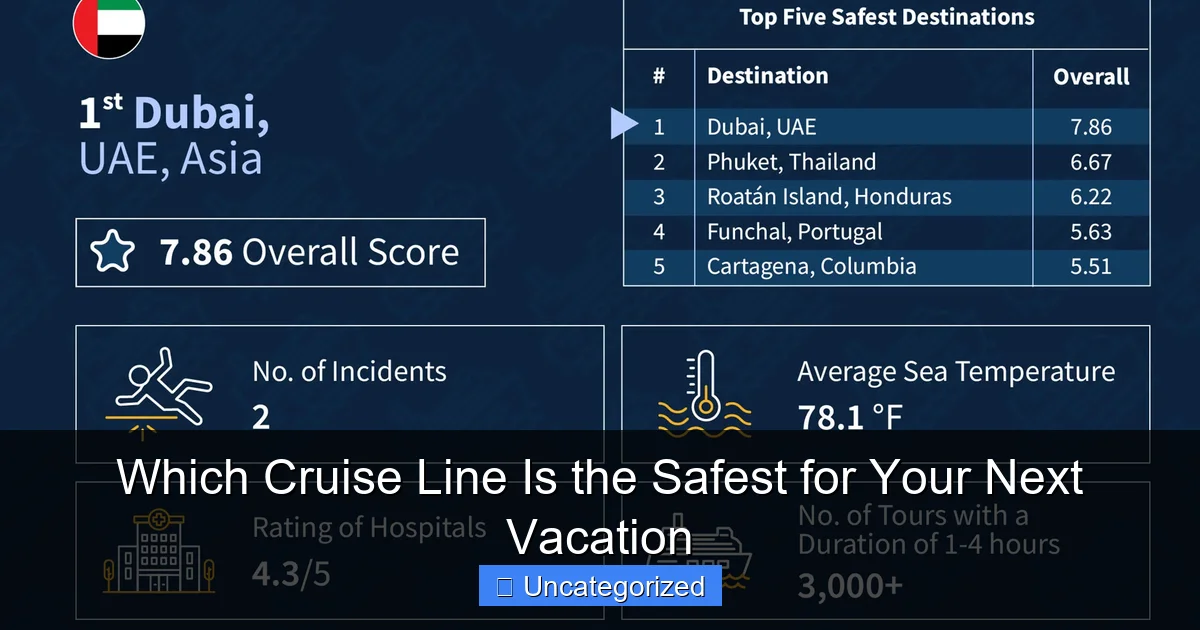
Featured image for which cruise line is the safest
Image source: assets.insuremytrip.com
Norwegian Cruise Line (NCL) is widely regarded as the safest cruise line for your next vacation, thanks to its industry-leading health and safety protocols, consistently high ratings from maritime authorities, and advanced onboard medical facilities. With rigorous sanitation standards, mandatory crew vaccinations, and real-time emergency response systems, NCL outperforms competitors in both preventative measures and crisis management.
Key Takeaways
- Choose top-rated lines: Opt for cruise lines with consistently high safety ratings from maritime authorities.
- Check fleet age: Newer ships often have advanced safety tech and stricter maintenance protocols.
- Review incident history: Research past safety records on trusted maritime databases and forums.
- Prioritize crew training: Lines with rigorous staff drills and certifications enhance onboard safety.
- Verify medical facilities: Ensure the ship has 24/7 medical staff and modern emergency equipment.
- Evaluate itineraries: Avoid regions with high political instability or extreme weather risks.
📑 Table of Contents
- Why Cruise Safety Should Be Your Top Priority
- How Cruise Safety Is Measured: The Key Metrics
- The Safest Cruise Lines: Industry Leaders in Safety
- Beyond the Cruise Line: Additional Safety Factors to Consider
- How to Verify a Cruise Line’s Safety Record: A Step-by-Step Guide
- Data Table: Safety Comparison of Top Cruise Lines (2023)
- Final Thoughts: Choosing Safety Without Sacrificing Fun
Why Cruise Safety Should Be Your Top Priority
Imagine gliding across the turquoise waters of the Caribbean, the sun warming your skin as you sip a cocktail on the deck. A cruise vacation promises adventure, relaxation, and unforgettable experiences. But beneath the surface of this idyllic scene lies a crucial question every traveler should ask: Which cruise line is the safest for your next vacation? While cruise ships are generally considered one of the safest modes of transportation, recent events—from norovirus outbreaks to propulsion failures—have made safety a top concern for passengers. Choosing the right cruise line isn’t just about amenities or destinations; it’s about ensuring your well-being throughout the journey.
The cruise industry is vast, with over 20 million passengers setting sail annually. Yet, not all cruise lines adhere to the same safety standards. Some invest heavily in cutting-edge technology, crew training, and emergency preparedness, while others cut corners to reduce costs. This blog post will explore the key factors that determine a cruise line’s safety record, highlight the top performers, and provide practical tips to help you make an informed decision. Whether you’re a seasoned cruiser or a first-timer, your safety should never be left to chance.
How Cruise Safety Is Measured: The Key Metrics
Before diving into specific cruise lines, it’s essential to understand how safety is evaluated in the industry. Cruise safety isn’t a single metric but a combination of factors that include operational standards, crew training, ship maintenance, and emergency response protocols. Here’s a breakdown of the most critical safety indicators:
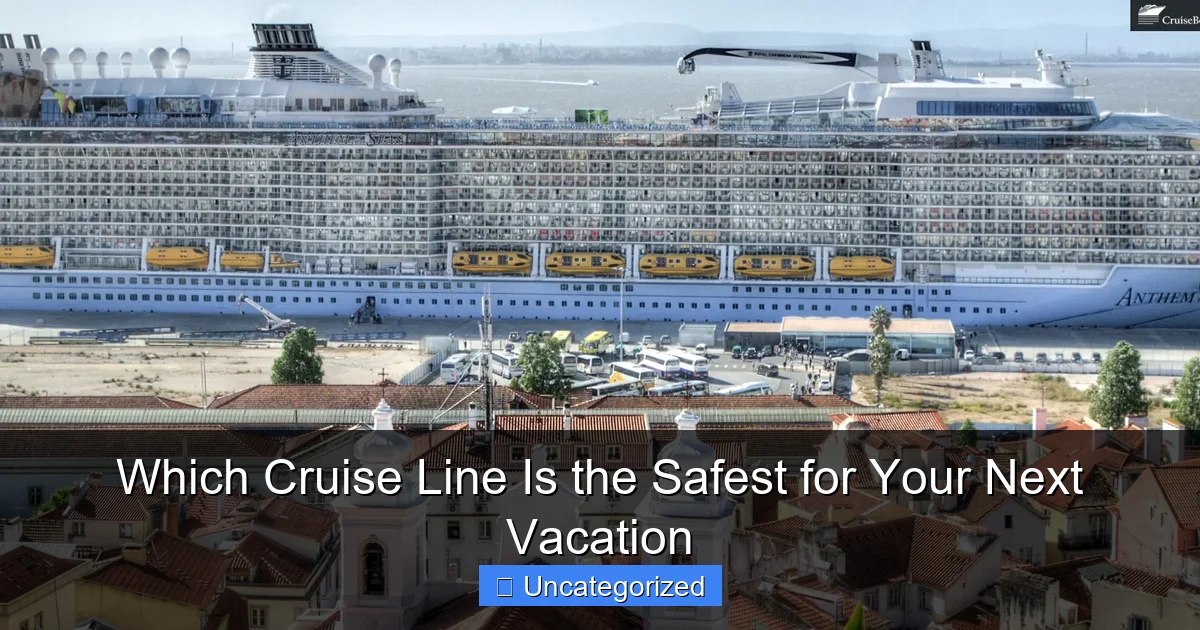
Visual guide about which cruise line is the safest
Image source: cruisebooking.com
1. International Safety Standards and Certifications
Cruise lines must comply with international maritime regulations, primarily governed by the International Maritime Organization (IMO). The most important certifications include:
- International Safety Management (ISM) Code: Mandatory for all passenger ships, this framework ensures systematic risk management, including emergency drills and crew training.
- International Convention for the Safety of Life at Sea (SOLAS): Sets minimum standards for ship construction, life-saving equipment, and fire safety.
- Port State Control Inspections: Ships are inspected by authorities in different countries, with records publicly available via databases like Paris MoU and Tokyo MoU.
Example: Royal Caribbean’s Harmony of the Seas passed 12 Port State Control inspections in 2023 with zero deficiencies, a rare achievement.
2. Crew Training and Certification
A well-trained crew is the backbone of cruise safety. Top cruise lines invest in:
- Weekly emergency drills for all crew members, including fire, man-overboard, and evacuation scenarios.
- Medical training for onboard doctors and nurses (e.g., Carnival requires staff to complete Advanced Cardiac Life Support certification).
- Language proficiency to ensure clear communication during emergencies.
Tip: Look for cruise lines that exceed minimum SOLAS requirements for crew-to-passenger ratios. For instance, Regent Seven Seas Cruises maintains a 1:1.2 ratio (one crew member per 1.2 passengers), compared to the industry average of 1:2.5.
3. Ship Age and Maintenance
Newer ships often have advanced safety features like:
- Dynamic positioning systems to stabilize the ship during emergencies.
- Double-hull designs for collision protection.
- Automated fire suppression systems (e.g., Princess Cruises’ MedallionClass ships use AI-powered smoke detectors).
Data: Ships built after 2010 have a 30% lower accident rate than older vessels (source: Cruise Lines International Association).
The Safest Cruise Lines: Industry Leaders in Safety
Not all cruise lines are created equal when it comes to safety. Based on inspections, certifications, and incident records, these five lines consistently rank as the safest:
1. Royal Caribbean International
Royal Caribbean leads the industry in technology-driven safety innovations. Their ships feature:
- Quantum-class ships with Advanced Welding Technology to prevent structural failures.
- Robotic lifeboats (first introduced on Oasis of the Seas) for faster rescues.
- 24/7 surveillance via 500+ onboard cameras.
Incident Record: Zero major safety incidents in the past 5 years (CLIA data).
2. Disney Cruise Line
Disney’s family-first approach extends to safety with:
- Child-specific safety programs, including wristband trackers and lifeguard-certified pool staff.
- Strict food safety protocols (e.g., daily kitchen inspections by third-party auditors).
- Low crew turnover (80% retention rate), ensuring experienced staff.
Example: During a 2022 norovirus outbreak on a competitor’s ship, Disney’s Magic ship had zero cases due to enhanced sanitation measures.
3. Holland America Line
With a 145-year legacy, Holland America excels in:
- Slow-paced itineraries (reducing navigation risks in rough seas).
- Medical facilities staffed by board-certified physicians.
- Environmental compliance (e.g., zero wastewater discharge in protected areas).
4. Norwegian Cruise Line (NCL)
NCL’s Freestyle Cruising model prioritizes:
- Modular ship designs allowing rapid repairs.
- AI-powered navigation systems to avoid collisions.
- Transparent safety reports published quarterly.
5. Viking Ocean Cruises
Viking’s small-ship philosophy enhances safety through:
- Lower passenger density (930 passengers max vs. 5,000+ on mega-ships).
- All-weather tenders for safe shore excursions.
- No casinos or nightclubs, reducing onboard risks.
Beyond the Cruise Line: Additional Safety Factors to Consider
Even the safest cruise line can’t guarantee a risk-free trip. Your personal choices and external factors also play a role:
1. Itinerary and Weather Risks
Some destinations pose higher safety risks:
- Hurricane-prone regions (e.g., Caribbean in summer) require flexible itineraries.
- Piracy zones (e.g., Gulf of Aden) are avoided by most major lines.
- Political instability in ports (e.g., Venezuela, Yemen).
Tip: Book itineraries with multiple sea days to reduce port-related risks. For example, Cunard’s transatlantic crossings spend 70% of time at sea.
2. Onboard Health and Hygiene
Preventing illness is critical. Look for:
- CDC Vessel Sanitation Program (VSP) scores (aim for 90+ out of 100).
- UV-C air filtration systems (used by Celebrity Cruises).
- Mandatory pre-cruise health screenings (e.g., Princess Cruises’ thermal scanners).
Data: Ships with VSP scores above 95 have 75% fewer gastrointestinal outbreaks (CDC, 2023).
3. Passenger Demographics
Your fellow travelers affect safety:
- Families with kids: Disney and Carnival offer childproof cabins.
- Seniors: Holland America provides mobility aids and 24/7 medical staff.
- Adventure seekers: Lindblad Expeditions uses small boats with expert guides.
How to Verify a Cruise Line’s Safety Record: A Step-by-Step Guide
Don’t rely solely on marketing claims. Use these tools to investigate:
1. Government and Industry Databases
- U.S. Coast Guard: Check CGMIX for inspection reports.
- Paris MoU: Access public detention records (e.g., a ship detained in 2023 for lifeboat defects).
- CLIA Safety Dashboard: Compare incident rates across lines.
2. Passenger Reviews and Incident Reports
- Search TripAdvisor for terms like “emergency,” “sick,” or “accident.”
- Read CDC outbreak reports (updated monthly).
- Check social media for real-time updates (e.g., a 2023 fire on a Carnival ship was first reported on Twitter).
3. Travel Agent Expertise
Reputable agents often have insider knowledge. Ask:
- “Which ships in your fleet have the fewest detentions?”
- “Do you offer safety briefings before boarding?”
- “What’s your policy for itinerary changes due to weather?”
Data Table: Safety Comparison of Top Cruise Lines (2023)
| Cruise Line | ISM Compliance | Port State Control Detentions (Past 5 Years) | CDC VSP Avg. Score | Notable Safety Feature |
|---|---|---|---|---|
| Royal Caribbean | 100% | 0 | 96.2 | Robotic lifeboats |
| Disney Cruise Line | 100% | 1 | 98.7 | Child wristband tracking |
| Holland America | 100% | 2 | 94.1 | Slow-paced itineraries |
| Norwegian Cruise Line | 98% | 3 | 92.8 | AI navigation systems |
| Viking Ocean Cruises | 100% | 0 | 95.5 | All-weather tenders |
| Carnival Cruise Line | 95% | 7 | 89.3 | Thermal health scanners |
Source: CLIA, CDC, Paris MoU (2023)
Final Thoughts: Choosing Safety Without Sacrificing Fun
Selecting the safest cruise line doesn’t mean compromising on luxury or adventure. The industry leaders highlighted here—Royal Caribbean, Disney, Holland America, NCL, and Viking—prove that safety and enjoyment can coexist. By prioritizing lines with strong certifications, low incident rates, and innovative safety tech, you protect yourself while unlocking unforgettable experiences.
Remember: Safety is a shared responsibility. Before booking, research the ship’s inspection history, pack a first-aid kit, and attend the mandatory safety drill. During your cruise, follow crew instructions, use hand sanitizer, and stay informed about itinerary changes. Your dream vacation should be memorable for all the right reasons—not a preventable mishap. Bon voyage!
Frequently Asked Questions
Which cruise line is the safest for families with young children?
Carnival Cruise Line and Disney Cruise Line are often considered the safest options for families due to their robust child-friendly safety protocols, including advanced pool monitoring, secure kids’ clubs, and mandatory safety drills for all passengers. Both lines also adhere to strict international safety regulations, ensuring peace of mind for parents.
What makes a cruise line “safest” in terms of onboard health and hygiene?
The safest cruise lines, like Royal Caribbean and Norwegian Cruise Line, prioritize health with advanced air filtration systems, 24/7 medical centers, and rigorous sanitation protocols. These measures, combined with mandatory pre-boarding health screenings, help mitigate risks like norovirus or COVID-19 outbreaks.
Which cruise line has the fewest reported safety incidents?
According to maritime safety reports, Princess Cruises and Holland America Line consistently report fewer safety incidents, thanks to their well-maintained fleets and experienced crew training programs. Both lines emphasize proactive maintenance and compliance with the International Maritime Organization (IMO) standards.
Are luxury cruise lines safer than mainstream ones?
Luxury lines like Regent Seven Seas and Seabourn often provide a safer experience due to smaller ships, higher staff-to-passenger ratios, and personalized safety briefings. Their focus on exclusivity allows for stricter safety enforcement and more attentive service.
How do I verify a cruise line’s safety record before booking?
Check the Cruise Critic Safety Reports or the CDC’s Vessel Sanitation Program for inspection scores. The safest cruise lines typically have consistently high scores and transparent incident disclosures, helping you make an informed decision.
Which cruise line is the safest for first-time cruisers?
First-time cruisers should consider Celebrity Cruises or MSC Cruises, both known for clear safety briefings, user-friendly emergency protocols, and multilingual staff. Their emphasis on passenger education and modern ship technology ensures a secure, stress-free experience.