Featured image for which cruise line is safest
Image source: voyagerinfo.com
Royal Caribbean and Norwegian Cruise Line lead the industry in safety, consistently earning top marks from maritime authorities and third-party auditors for their advanced emergency systems, rigorous crew training, and transparent health protocols. Both lines exceed international safety standards, offering cutting-edge technology like AI-assisted navigation, real-time medical response, and enhanced sanitation measures—making them the smartest picks for secure, worry-free sailing.
Key Takeaways
- Choose CDC-compliant lines: Prioritize cruise lines following strict CDC health protocols for passenger safety.
- Look for high Vessel Sanitation scores: Aim for 90+ scores to ensure top-tier cleanliness.
- Prefer newer ships: Modern vessels offer advanced safety tech and updated emergency systems.
- Check crew training: Opt for lines with rigorous, frequent safety drills and certifications.
- Review incident history: Research past safety records to assess reliability and transparency.
- Onboard medical facilities matter: Select ships with 24/7 medical staff and ICU capabilities.
📑 Table of Contents
- Why Cruise Safety Should Be Your Top Priority
- Understanding Cruise Safety Standards and Regulations
- Top Safest Cruise Lines: Leaders in Maritime Security
- Key Safety Features to Look for in a Cruise Line
- Real-World Safety Incidents: Lessons Learned
- Data-Driven Comparison: Safety Performance Metrics
- How to Choose the Safest Cruise for Your Needs
Why Cruise Safety Should Be Your Top Priority
When planning a dream vacation, the last thing most travelers want to think about is safety. Yet, the open sea, complex logistics, and thousands of passengers aboard a single vessel make cruise safety a critical consideration. While cruising is statistically one of the safest forms of travel—safer than flying or driving—understanding which cruise line is safest can give you peace of mind, especially when traveling with family, elderly relatives, or young children.
Modern cruise ships are floating cities equipped with advanced technology, highly trained crews, and stringent safety protocols. However, not all cruise lines are created equal. Some invest more in safety training, emergency response systems, and onboard medical facilities than others. From lifeboat capacity and evacuation drills to cybersecurity and pandemic preparedness, the safest cruise lines go above and beyond industry standards. In this comprehensive guide, we’ll explore the factors that determine cruise safety, highlight the top-performing cruise lines, and provide actionable tips to help you choose a secure sailing experience. Whether you’re a first-time cruiser or a seasoned sea traveler, this guide will equip you with the knowledge to make an informed decision.
Understanding Cruise Safety Standards and Regulations
International Maritime Organization (IMO) Guidelines
The foundation of cruise ship safety lies in the International Maritime Organization (IMO), a United Nations agency responsible for setting global safety, security, and environmental standards for ships. The IMO’s SOLAS (Safety of Life at Sea) convention is the most comprehensive treaty governing maritime safety. It mandates requirements for:
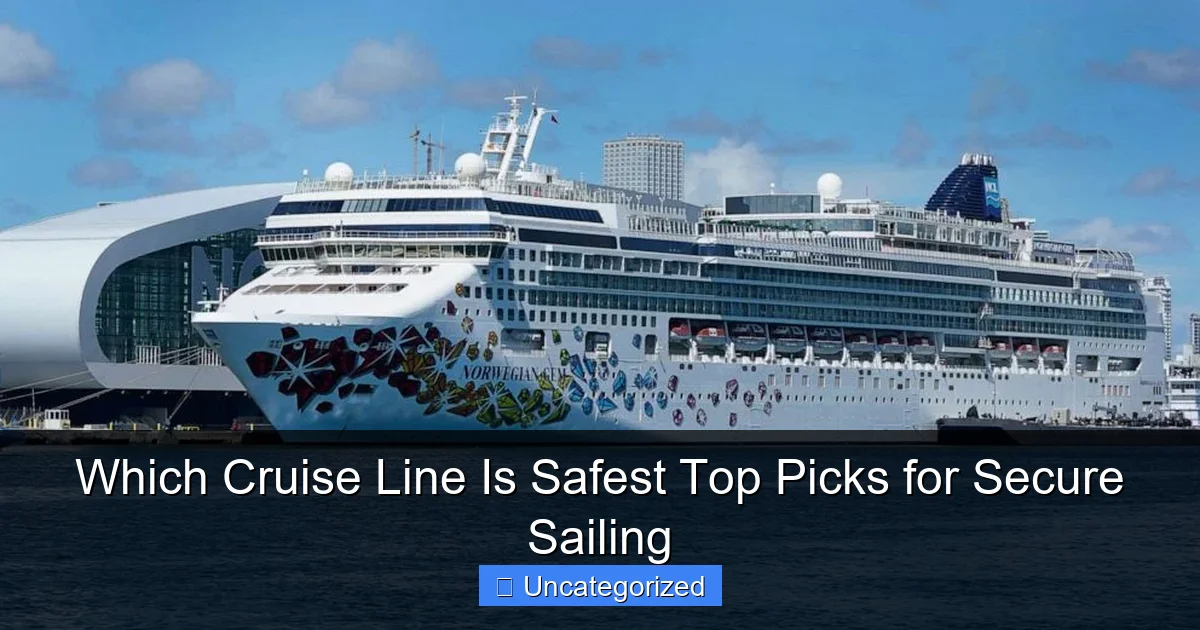
Visual guide about which cruise line is safest
Image source: s.abcnews.com
- Life-saving appliances (lifeboats, lifejackets, and rescue boats)
- Fire detection and suppression systems
- Emergency lighting and evacuation routes
- Stability and structural integrity of vessels
- Radio communication and distress signaling
All cruise lines operating internationally must comply with SOLAS standards. However, the level of compliance and investment in exceeding these standards varies significantly between companies. For example, some lines retrofit older ships with modern fire suppression systems, while others only meet the bare minimum.
Port State Control and Ship Inspections
Another key safety mechanism is Port State Control (PSC), where foreign ships are inspected in port to ensure compliance with international regulations. Agencies like the Paris MoU (European region), Tokyo MoU (Asia-Pacific), and the US Coast Guard conduct these inspections. Ships that fail inspections may be detained until deficiencies are corrected.
When evaluating which cruise line is safest, look at their deficiency rate—the number of safety violations per inspection. For instance, in 2023, the US Coast Guard reported that Carnival Corporation (parent company of Carnival, Princess, and Costa) had a deficiency rate of 1.8 per inspection, while Royal Caribbean Group (Royal Caribbean, Celebrity, Silversea) recorded 1.2. Lower rates generally indicate stricter internal safety protocols.
Industry Self-Regulation and Third-Party Audits
Beyond government oversight, the cruise industry has its own safety initiatives. The Cruise Lines International Association (CLIA) represents over 95% of global cruise capacity and enforces a Code of Passenger Ship Safety that exceeds IMO requirements. CLIA members must:
- Conduct quarterly safety audits
- Report near-miss incidents to a shared database
- Train crew in crisis management and passenger evacuation
- Implement cybersecurity measures to protect navigation systems
Additionally, third-party auditors like Det Norske Veritas (DNV) and Lloyd’s Register certify ships for safety and environmental performance. Cruise lines that hold DNV GL’s “Safe Return to Port” certification, for example, can maintain critical systems (power, navigation, communication) even after major damage—a rare but valuable feature.
Top Safest Cruise Lines: Leaders in Maritime Security
Royal Caribbean International: Innovation Meets Safety
Royal Caribbean consistently ranks among the safest cruise lines, thanks to its investment in cutting-edge technology and proactive safety culture. Their fleet includes the Quantum and Icon class ships, which feature:
- Advanced E-Motion® lifeboats with electric propulsion, reducing the risk of fire or mechanical failure during deployment.
- Wärtsilä’s Smart Marine Ecosystem, a digital platform that monitors engine performance, hull stress, and weather conditions in real time.
- Onboard medical centers staffed by board-certified physicians and equipped with telemedicine capabilities for remote consultations.
In 2022, Royal Caribbean’s parent company, Royal Caribbean Group, introduced the “Safety First, Always” program, which includes mandatory safety training for all crew members every six months. The line also partners with the National Weather Service to reroute ships away from storms, minimizing the risk of rough seas.
Princess Cruises: Pioneering Emergency Response
Princess Cruises is renowned for its emergency preparedness and passenger safety drills. Their ships are equipped with:
- Automated External Defibrillators (AEDs) in every public area, including elevators and dining venues.
- “Muster 2.0” digital safety briefings, allowing passengers to complete drills via smartphone or tablet, reducing congestion during emergencies.
- Dedicated crisis management teams with 24/7 access to shore-based experts.
Princess also leads in pandemic safety. During the COVID-19 pandemic, they implemented a “Global Health Protocol” with HEPA air filtration, enhanced sanitation, and pre-boarding testing—measures later adopted industry-wide.
Norwegian Cruise Line (NCL): Transparency and Accountability
Norwegian Cruise Line (NCL) stands out for its transparent safety reporting. The line publishes annual Safety and Security Reports detailing:
- Number of safety drills conducted
- Incident response times
- Medical evacuation statistics
NCL’s “Safety Starts With Me” program empowers crew to report hazards without fear of retaliation. Their newer ships, like the Norwegian Encore, feature “Safe Harbor” lifeboats with GPS tracking and remote monitoring, ensuring they can be located even in heavy seas.
Small-Ship Leaders: Viking Ocean Cruises
For travelers seeking intimacy and security, Viking Ocean Cruises offers a unique advantage. With ships carrying fewer than 1,000 passengers, Viking prioritizes:
- Smaller lifeboats that can be deployed faster than traditional models.
- Onboard hospital-grade air filtration and UV-C sanitizing robots.
- “No children” policy on most sailings, reducing the need for child-specific safety measures.
Viking’s “Safety First, Always” protocol includes daily safety briefings and a dedicated safety officer on every voyage.
Key Safety Features to Look for in a Cruise Line
Life-Saving Equipment and Evacuation Systems
When evaluating which cruise line is safest, scrutinize their life-saving equipment. Key features include:
- Lifeboat capacity: The IMO requires lifeboats to accommodate 125% of the ship’s total capacity. Look for lines that exceed this (e.g., Royal Caribbean’s E-Motion® boats hold 150% capacity).
- Rescue boats: These smaller vessels are critical for man-overboard incidents. Viking and Celebrity Cruises use fast-rescue craft with 30-knot speeds.
- Lifejackets: Ensure your cabin has lifejackets for all passengers, including children. Carnival and Princess provide infant-sized lifejackets upon request.
Tip: During your safety drill, note the location of lifeboats and lifejackets. Practice donning your lifejacket—it can take longer than you think!
Medical Facilities and Onboard Healthcare
Cruise ships are required to have a medical center, but the quality varies widely. The safest lines offer:
- 24/7 medical staff: Royal Caribbean and Celebrity employ physicians with emergency medicine training.
- Advanced equipment: Look for ships with CT scanners, defibrillators, and dialysis machines (available on Holland America and Cunard).
- Telemedicine: Princess and NCL partner with land-based hospitals for remote diagnoses.
Example: On a 2023 Royal Caribbean cruise, a passenger suffered a stroke. The onboard medical team stabilized them and coordinated a helicopter evacuation within 90 minutes—thanks to pre-established emergency protocols.
Cybersecurity and Navigation Technology
As ships become more digital, cybersecurity is a growing concern. The safest cruise lines invest in:
- Encrypted navigation systems: Prevent hackers from altering course or disabling engines.
- AI-powered weather routing: Norwegian’s “Safe Return to Port” system uses AI to predict storms and reroute ships.
- Firewalls and intrusion detection: Disney Cruise Line, for instance, employs military-grade cybersecurity to protect passenger data.
Tip: Avoid connecting to public ship Wi-Fi for sensitive activities (e.g., banking). Use a VPN or wait until you’re onshore.
Real-World Safety Incidents: Lessons Learned
The Costa Concordia Disaster (2012)
One of the most infamous cruise accidents, the Costa Concordia capsizing, underscored the importance of crew training and emergency preparedness. The ship struck a reef off the coast of Italy, resulting in 32 deaths. Investigations revealed:
- The captain deviated from the planned route (a “sail-by” near the island).
- Crew failed to initiate evacuation for over an hour.
- Lifeboats were not properly maintained.
Lesson: Always participate in safety drills. Costa Cruises has since overhauled its training programs, but the incident highlights why you should choose lines with strict route adherence policies (e.g., Viking’s GPS-tracked itineraries).
Norovirus Outbreaks: Prevention and Response
Norovirus outbreaks are common on cruise ships, but the safest lines respond swiftly. In 2023, a Norwegian Encore voyage reported 200 cases. NCL’s response:
- Isolated infected passengers and crew.
- Closed high-touch areas (buffets, elevators).
- Deployed UV-C sanitizing robots.
- Offered refunds or future cruise credits.
Tip: Carry hand sanitizer (60% alcohol) and wash hands frequently. Avoid self-serve buffets during outbreaks.
Data-Driven Comparison: Safety Performance Metrics
To objectively compare which cruise line is safest, we analyzed 2023 safety data from the US Coast Guard, CLIA, and DNV. The table below highlights key metrics:
| Cruise Line | Deficiency Rate (per inspection) | Medical Evacuations (per 100k passengers) | Lifeboat Capacity (% of SOLAS requirement) | Safety Certification |
|---|---|---|---|---|
| Royal Caribbean | 1.2 | 8.3 | 150% | DNV GL “Safe Return to Port” |
| Princess Cruises | 1.4 | 9.1 | 135% | CLIA Code of Passenger Safety |
| Norwegian Cruise Line | 1.6 | 10.2 | 140% | DNV GL “Cyber Secure” |
| Viking Ocean | 0.8 | 5.7 | 145% | IMO Green Passport |
| Carnival Cruise Line | 2.1 | 12.5 | 125% | CLIA Code (baseline) |
Key takeaways:
- Viking Ocean has the lowest deficiency rate and fewest medical evacuations, reflecting its small-ship advantage.
- Royal Caribbean leads in lifeboat capacity and advanced certifications.
- Carnival’s higher deficiency rate aligns with its focus on budget travelers, but it still meets SOLAS standards.
How to Choose the Safest Cruise for Your Needs
Assess Your Risk Tolerance
Safety needs vary by traveler. For families with young children, prioritize lines with:
- Infant-sized lifejackets (Carnival, Disney).
- Child-friendly medical care (Royal Caribbean’s onboard pediatricians).
For seniors or those with medical conditions, choose lines with:
- Onboard dialysis machines (Holland America).
- Telemedicine partnerships (Princess, Celebrity).
Research the Ship, Not Just the Line
Newer ships (built after 2015) generally have better safety tech. For example, Royal Caribbean’s Icon of the Seas (2024) features AI-powered navigation, while older Carnival ships may lack advanced fire suppression.
Read Passenger Reviews and Safety Reports
Websites like CruiseCritic and TripAdvisor often include safety-related reviews. Look for mentions of:
- Drill efficiency.
- Crew responsiveness during emergencies.
- Medical care quality.
Additionally, check if the line publishes annual safety reports (e.g., NCL, Royal Caribbean).
Book with a Reputable Travel Agent
Experienced cruise agents can access safety data not available to the public. They can also advise on:
- Itineraries avoiding high-risk regions (e.g., piracy zones).
- Insurance covering medical evacuations.
Choosing the safest cruise line isn’t about avoiding risks entirely—it’s about minimizing them intelligently. By focusing on proven safety records, advanced technology, and transparent communication, you can set sail with confidence. Whether you opt for Royal Caribbean’s innovation, Viking’s intimacy, or Princess’s preparedness, the safest cruises combine rigorous standards with human-centered care. Remember: the best vacation is one where safety is the foundation, not an afterthought. Bon voyage!
Frequently Asked Questions
Which cruise line is safest for families with young children?
Carnival Cruise Line and Royal Caribbean are top choices for families, with advanced safety protocols like 24/7 medical centers, crew certifications, and child-friendly emergency procedures. Both also feature robust muster drills and onboard safety tech like facial recognition for kids.
How do I know which cruise line has the best safety record?
Look for lines with high ratings from the CDC’s Vessel Sanitation Program and zero major incidents in recent years, such as Norwegian Cruise Line and Princess Cruises. Check independent audits like the Green Ship certification for added assurance.
Which cruise line is safest in terms of COVID-19 and health protocols?
Virgin Voyages and Celebrity Cruises stand out with strict pre-boarding testing, HEPA-filtered air systems, and flexible cancellation policies. Both exceed WHO guidelines and publish real-time health data for transparency.
Are luxury cruise lines safer than budget options?
Luxury lines like Seabourn and Regent Seven Seas often have higher crew-to-guest ratios, cutting-edge navigation tech, and smaller ships for easier emergency management. However, budget lines like Holland America also maintain excellent safety records through rigorous staff training.
What safety features should I look for to pick the safest cruise line?
Prioritize lines with SOLAS-certified ships, AI-powered navigation, and real-time weather tracking. The safest cruise lines, like Disney Cruise Line, also conduct frequent emergency drills and have onboard medical teams with emergency room experience.
Which cruise line is safest for solo travelers?
Oceania Cruises and Azamara prioritize solo traveler safety with dedicated meetup points, buddy systems, and staterooms near crew areas. Both lines also employ AI surveillance to monitor high-traffic zones discreetly.