
Choosing the best cruise line for Alaska nature depends on your priorities—whether it’s wildlife viewing, glacier cruising, or immersive shore excursions. Smaller ships often offer closer access to natural wonders, while larger lines provide more amenities and family-friendly options.
Planning an Alaska cruise is like preparing for a front-row seat to one of Earth’s last great wildernesses. Towering glaciers, breaching humpback whales, bald eagles soaring above old-growth forests—Alaska’s raw beauty is unmatched. But not all cruise lines are created equal when it comes to experiencing this natural wonderland. Some prioritize luxury and entertainment, while others focus on intimate, nature-first experiences. If you’re drawn to Alaska for its untamed landscapes and abundant wildlife, choosing the right cruise line can make or break your trip.
So, which cruise line is best for Alaska nature? The answer isn’t one-size-fits-all. It depends on your travel style, budget, and what kind of nature experience you’re after. Are you hoping to kayak next to a calving glacier? Spot brown bears fishing for salmon? Or simply soak in panoramic views from a quiet deck with a warm drink in hand? Different cruise lines cater to different versions of the Alaskan dream. In this guide, we’ll break down the top options—from expedition-style adventures to family-friendly voyages—so you can pick the perfect match for your nature-loving soul.
Key Takeaways
- Smaller ships access remote areas: Lines like UnCruise Adventures and Lindblad Expeditions navigate narrow channels and wildlife-rich inlets larger vessels can’t reach.
- Wildlife-focused itineraries matter: Look for cruises with naturalists on board, such as those offered by National Geographic and Holland America.
- Glacier viewing is best from May to September: This window offers calmer seas, longer daylight, and active calving at glaciers like Hubbard and Tracy Arm.
- Shore excursions enhance the experience: Kayaking, whale watching, and bear viewing tours add depth to your Alaska nature adventure.
- Sustainability is growing in importance: Eco-conscious travelers should consider lines with strong environmental practices, like Hurtigruten and Princess Cruises.
- Family-friendly nature cruises exist: Disney and Royal Caribbean offer kid-focused programs while still delivering stunning Alaskan scenery.
- Booking early secures better cabins and excursions: Popular nature-focused trips fill up fast, especially for peak summer months.
📑 Table of Contents
Why Alaska Is a Nature Lover’s Paradise
Alaska isn’t just another cruise destination—it’s a living, breathing classroom of natural wonders. Spanning over 660,000 square miles, the state is home to 17 of the 20 highest peaks in North America, over 100,000 glaciers, and more than 43,000 miles of coastline. This vastness means endless opportunities for wildlife encounters, from orcas and sea otters to moose and puffins. The coastal routes of Southeast Alaska, in particular, wind through lush temperate rainforests, deep fjords, and icy bays where glaciers meet the sea.
One of the most magical aspects of an Alaska cruise is the sense of discovery. Unlike more developed cruise regions, Alaska feels remote and untouched. You’ll pass by tiny fishing villages, abandoned gold rush towns, and vast stretches of uninhabited wilderness. The changing light—especially during the summer’s extended daylight hours—creates a painter’s palette of golds, blues, and greens across the landscape. And because the region is still largely protected, the wildlife behaves naturally, offering authentic sightings that feel like a privilege.
Wildlife Hotspots You Can’t Miss
Certain areas along the Alaskan coast are renowned for their biodiversity. Glacier Bay National Park, for example, is a UNESCO World Heritage Site where you might see humpback whales feeding in kelp forests, sea lions basking on rocky outcrops, and even the occasional black bear foraging along the shore. Similarly, Icy Strait Point near Hoonah is one of the best places in the world to watch brown bears in their natural habitat, especially during salmon runs in July and August.
Another standout is Tracy Arm Fjord, a narrow, glacier-carved channel flanked by 3,000-foot granite walls. Here, you might witness a glacier calving—a thunderous event where massive chunks of ice crash into the water. These moments are unpredictable but unforgettable. Meanwhile, the waters around Juneau and Ketchikan are prime spots for whale watching, with orcas and humpbacks frequently spotted during summer months.
Best Times to Cruise for Nature
Timing your Alaska cruise correctly can dramatically improve your nature experience. The official cruise season runs from May to September, but each month offers something unique. May and early June are ideal for fewer crowds and active wildlife preparing for summer. July and August bring peak whale activity, salmon runs, and lush greenery, but also the most tourists. September offers cooler temperatures, stunning fall colors, and a chance to see bears fattening up before hibernation.
Keep in mind that weather can be unpredictable. While summer days are long and often mild, rain is common—especially in the Tongass National Forest around Ketchikan. Packing layers and waterproof gear is essential. Also, wildlife sightings are never guaranteed, but the more time you spend in prime habitats, the better your odds.
Top Cruise Lines for Alaska Nature Experiences
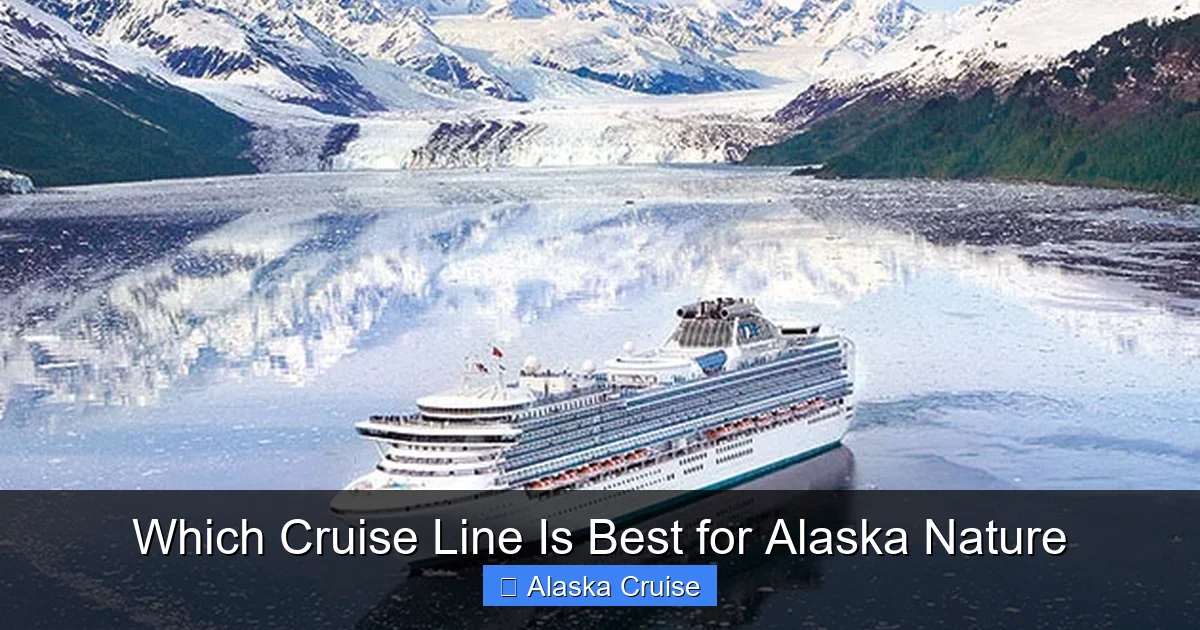
Visual guide about Which Cruise Line Is Best for Alaska Nature
Image source: images.r.cruisecritic.com
Now that you know what makes Alaska special, let’s dive into the cruise lines that do it best. We’ve evaluated them based on itinerary focus, ship size, onboard expertise, shore excursions, and sustainability practices.
UnCruise Adventures: The Ultimate Nature Immersion
If you’re serious about Alaska nature, UnCruise Adventures should be at the top of your list. These small, nimble ships—ranging from 22 to 86 passengers—are built for exploration. They sail into remote inlets, anchor near glaciers, and offer daily excursions like kayaking, paddleboarding, and guided hikes. Naturalists and marine biologists are on board to share insights, and the pace is relaxed, allowing for spontaneous wildlife encounters.
One of their standout itineraries is the “Alaska’s Inside Passage” route, which includes stops in Sitka, Juneau, and Ketchikan, with multiple days in Glacier Bay. Onboard, you’ll enjoy locally sourced Alaskan cuisine and evening presentations about the region’s ecology. Because the ships are so small, you often get closer to wildlife and have more intimate experiences—like watching a sea otter pup play in the water just yards from your kayak.
Lindblad Expeditions – National Geographic: Science Meets Adventure
Partnering with National Geographic, Lindblad Expeditions combines adventure with education. Their ships, like the National Geographic Quest and Venture, carry expert photographers, marine biologists, and cultural historians who lead workshops and guided excursions. This is perfect for travelers who want to deepen their understanding of Alaska’s ecosystems.
Their itineraries often include Zodiac landings on remote shores, underwater camera dives to capture marine life, and visits to native Tlingit communities. One highlight is their “Alaska’s Coastal Wilderness” cruise, which explores the Tongass National Forest and includes a full day in Glacier Bay with park rangers. The onboard experience is immersive, with daily lectures, photo walks, and even citizen science projects where guests can help collect data.
Hurtigruten: Sustainable and Scenic
Norwegian line Hurtigruten has long been known for its commitment to sustainable travel. Their ships, like the MS Roald Amundsen and MS Fridtjof Nansen, are hybrid-powered and designed to minimize environmental impact. They focus on slow travel, spending more time in each port and offering eco-friendly excursions like electric bike tours and wildlife photography workshops.
Hurtigruten’s Alaska itineraries emphasize cultural and natural education. You’ll learn about indigenous cultures, climate change impacts on glaciers, and conservation efforts. Their “Alaska Coastal Cruise” includes stops in Ketchikan, Juneau, and Skagway, with opportunities for bear viewing and glacier kayaking. The ships are modern and comfortable, with large observation decks perfect for soaking in the scenery.
Holland America Line: Balanced Nature and Comfort
For travelers who want a blend of nature and traditional cruise amenities, Holland America is a solid choice. Their mid-sized ships, like the ms Zaandam and ms Volendam, offer a relaxed pace with daily naturalist-led programs. They spend full days in key ports like Juneau and Ketchikan, allowing ample time for shore excursions.
One of their strengths is their partnership with the Glacier Bay National Park, where their ships often receive priority entry. Onboard, you’ll find enrichment lectures, wildlife identification charts, and even a “Wildlife Viewing Guide” app. Their “Alaska Glacier Discovery” itinerary includes Tracy Arm Fjord and Hubbard Glacier, with multiple opportunities for whale and bear watching. Plus, their dining options feature fresh Alaskan seafood, adding a local flavor to the experience.
Princess Cruises: Family-Friendly Nature Adventures
Princess Cruises is a favorite among families and first-time cruisers. Their larger ships, like the Grand Princess and Ruby Princess, offer a wide range of activities while still delivering strong nature programming. They have a dedicated “Discovery at Sea” partnership with the Discovery Channel, featuring wildlife documentaries and interactive exhibits.
Their “Connoisseur” itineraries include scenic cruising through Glacier Bay and Hubbard Glacier, with park rangers boarding the ship to provide commentary. Shore excursions range from dog sledding on a glacier to salmon bakes in Ketchikan. Princess also offers a “MedallionClass” app that helps you track wildlife sightings and book excursions on the go. While the ships are bigger, their focus on education and accessibility makes them a great option for nature-loving families.
Disney Cruise Line: Magical Nature for Kids and Adults
Yes, even Disney does Alaska—and they do it well. The Disney Wonder offers a 7-night “Alaska Glacier” itinerary that balances whimsy with wilderness. Kids will love character meet-and-greets and themed activities, while adults appreciate the stunning scenery and thoughtful excursions.
Disney’s Alaska cruise includes stops in Ketchikan, Juneau, and Skagway, with a full day at Hubbard Glacier. Their shore excursions are designed for all ages, including whale-watching tours, rainforest hikes, and gold panning. Onboard, you’ll find nature-themed shows, educational programs, and even a “Wildlife Tracker” game for kids. While not as expedition-focused as smaller lines, Disney delivers a magical, stress-free way to experience Alaska’s natural beauty.
What to Look for in a Nature-Focused Alaska Cruise
With so many options, how do you choose? Here are key factors to consider when picking the best cruise line for Alaska nature.
Ship Size and Itinerary Flexibility
Smaller ships (under 200 passengers) can access narrower channels and anchor closer to wildlife hotspots. They’re also more likely to change course for a pod of whales or a calving glacier. Larger ships offer more stability in rough seas and more onboard amenities, but may have to stay farther from shore. If intimate nature experiences are your priority, lean toward expedition-style lines.
Onboard Expertise
Look for cruises that include naturalists, marine biologists, or park rangers on staff. These experts enhance your experience with real-time commentary, educational talks, and guided excursions. Lines like Lindblad and UnCruise excel in this area, offering daily programs that deepen your connection to the environment.
Shore Excursion Variety
The best nature cruises offer a mix of active and observational excursions. Kayaking, hiking, and wildlife tours let you get up close, while scenic train rides and cultural visits provide balance. Check the cruise line’s excursion catalog—some offer exclusive access to remote areas or private wildlife reserves.
Sustainability Practices
Alaska’s ecosystems are fragile. Choose cruise lines that prioritize environmental responsibility, such as using cleaner fuels, reducing single-use plastics, and supporting local conservation efforts. Hurtigruten and UnCruise are leaders in sustainable cruising, with transparent eco-policies and community partnerships.
Itinerary Highlights
Not all Alaska cruises visit the same places. Some focus on the Inside Passage (Ketchikan, Juneau, Skagway), while others venture further north to Seward and Anchorage. Look for itineraries that include Glacier Bay, Tracy Arm, or Icy Strait Point—these are nature hotspots you won’t want to miss.
Packing Tips for an Alaska Nature Cruise
Packing smart can make your nature adventures more enjoyable. Here’s what to bring:
- Layered clothing: Temperatures can vary widely, from chilly mornings to warm afternoons. Pack a waterproof jacket, fleece, and thermal base layers.
- Binoculars: Essential for spotting wildlife from a distance. Compact, waterproof models are best.
- Camera with zoom lens: You’ll want to capture glaciers, whales, and bears up close.
- Sturdy footwear: Waterproof hiking boots or trail shoes are a must for shore excursions.
- Sunscreen and sunglasses: Even on cloudy days, UV rays reflect off snow and water.
- Reusable water bottle: Stay hydrated and reduce plastic waste.
Final Thoughts: Choosing Your Alaska Nature Adventure
So, which cruise line is best for Alaska nature? If you crave intimacy and adventure, go with UnCruise or Lindblad. For a balance of comfort and education, Holland America or Hurtigruten are excellent. Families will love Princess and Disney, while eco-conscious travelers should consider Hurtigruten or UnCruise.
Ultimately, the best cruise line is the one that aligns with your travel values and expectations. Alaska’s nature doesn’t need fancy shows or Broadway-style entertainment—it offers something far more profound: a chance to witness the planet’s wild heart in action. Whether you’re watching a glacier calve at dawn or hearing the haunting call of a loon across a misty lake, these moments stay with you long after the cruise ends.
Book early, pack wisely, and keep your eyes open. The best Alaska nature experiences often happen when you least expect them.
Frequently Asked Questions
Which cruise line offers the most wildlife sightings in Alaska?
UnCruise Adventures and Lindblad Expeditions are top choices for wildlife, with expert naturalists and itineraries focused on prime habitats like Glacier Bay and Icy Strait Point.
Can I see glaciers on any Alaska cruise?
Yes, most Alaska cruises visit at least one major glacier, such as Hubbard or Tracy Arm. However, smaller ships often get closer and spend more time in these areas.
Are Alaska cruises suitable for families who love nature?
Absolutely. Princess Cruises and Disney Cruise Line offer family-friendly programs with educational activities and nature-focused excursions that kids and adults enjoy.
What’s the best month to see bears in Alaska?
July and August are ideal for bear viewing, especially in areas like Icy Strait Point and Katmai National Park, where salmon runs attract brown bears.
Do I need to book shore excursions in advance?
Yes, popular nature excursions like whale watching and glacier kayaking fill up quickly. Booking early ensures you get your top choices.
Are Alaska cruises environmentally friendly?
Many lines, including Hurtigruten and UnCruise, prioritize sustainability with eco-friendly ships, reduced emissions, and support for local conservation efforts.