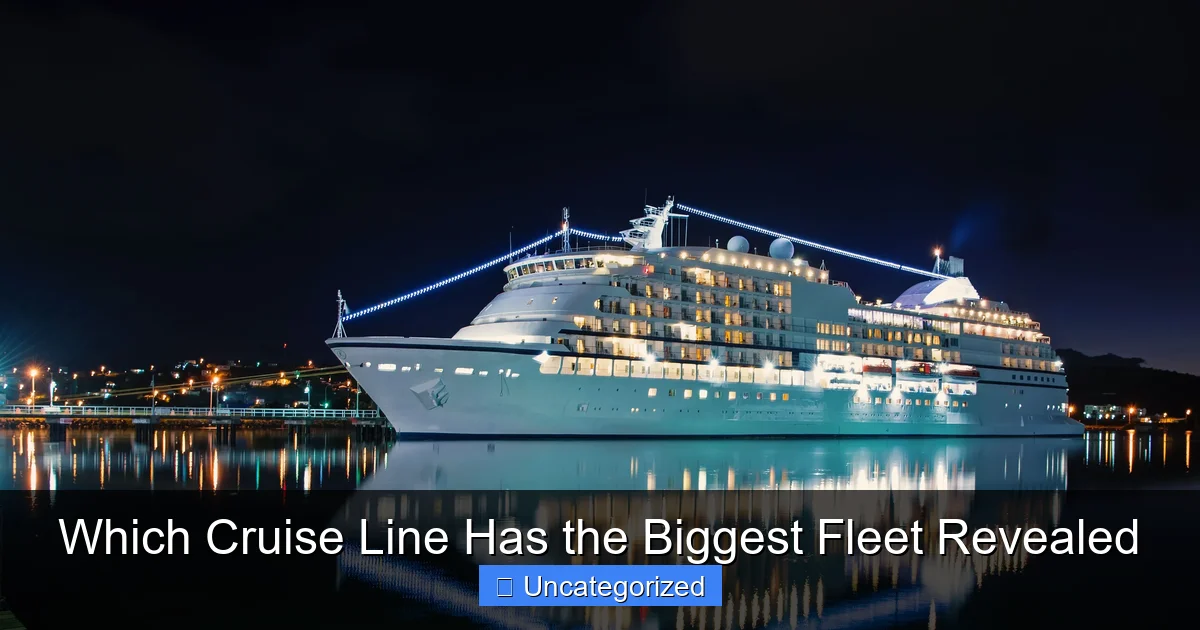
Featured image for which cruise line has the biggest fleet
Image source: a57.foxnews.com
Carnival Cruise Line boasts the largest fleet in the world, with over 25 ships sailing under its brand and even more under its parent company’s portfolio. Outpacing competitors like Royal Caribbean and Norwegian, Carnival’s extensive fleet offers unmatched variety, from budget-friendly options to luxury experiences, making it the clear leader in global cruise capacity.
Key Takeaways
- Carnival Cruise Line has the largest fleet with 27 ships.
- Royal Caribbean follows closely, operating 26 ships globally.
- Fleet size matters for route variety and onboard amenities.
- Norwegian Cruise Line ranks third, with 18 modern vessels.
- Newer ships often feature cutting-edge technology and sustainability.
- Compare fleets to match your preferred travel style and budget.
- Future expansions may shift rankings—watch for new launches.
📑 Table of Contents
- Which Cruise Line Has the Biggest Fleet: The Global Titans of the Seas
- The Undisputed Leader: Carnival Corporation & plc
- Royal Caribbean Group: The Innovator with the Largest Ships
- Norwegian Cruise Line Holdings: The Agile Contender
- MSC Cruises: The Fastest-Growing Global Player
- Comparative Analysis: Fleet Metrics at a Glance
- What Fleet Size Means for Travelers: Choosing Your Perfect Cruise
Which Cruise Line Has the Biggest Fleet: The Global Titans of the Seas
The cruise industry is a dynamic and ever-evolving sector of travel, offering vacationers unparalleled access to exotic destinations, world-class entertainment, and luxurious onboard amenities. With over 30 million passengers embarking on cruises annually, the competition among cruise lines to expand their fleets and capture market share has never been fiercer. But among the dozens of operators sailing the seven seas, one question often arises: which cruise line has the biggest fleet? The answer is more complex than it seems, as fleet size can be measured in multiple ways—by total number of ships, gross tonnage, passenger capacity, or even geographic reach. Whether you’re a first-time cruiser or a seasoned sea traveler, understanding the scale and scope of the largest cruise fleets can help you make smarter booking decisions, discover hidden gems, and appreciate the engineering marvels that power modern ocean voyages.
From the iconic ocean liners of the past to today’s floating megacities, cruise lines have transformed into global brands with vast maritime empires. The largest fleets not only dominate the market but also set industry standards in sustainability, innovation, and guest experience. This comprehensive guide dives deep into the world’s biggest cruise fleets, analyzing their growth strategies, operational strengths, and future expansion plans. We’ll explore not just the numbers, but the real-world implications of fleet size—from itinerary diversity to environmental impact and onboard technology. Whether you’re curious about Carnival’s dominance or Royal Caribbean’s record-breaking ships, this article reveals the true leaders in cruise fleet size and what it means for your next vacation.
The Undisputed Leader: Carnival Corporation & plc
Fleet Size and Market Share
When it comes to sheer fleet size by number of ships, Carnival Corporation & plc stands head and shoulders above the competition. As of 2024, Carnival operates a staggering 89 ships across nine distinct cruise brands, making it the largest cruise company in the world by vessel count. This includes well-known names such as Carnival Cruise Line, Princess Cruises, Holland America Line, Seabourn, Cunard Line, and AIDA Cruises, among others. The company’s global footprint spans North America, Europe, Asia, and Australia, with vessels ranging from intimate luxury yachts to massive 180,000+ gross tonnage ships.
Visual guide about which cruise line has the biggest fleet
Image source: images.squarespace-cdn.com
With a market share of approximately 45% in the global cruise industry, Carnival’s dominance is not just in numbers but in operational scale. The company carries over 13 million passengers annually, more than any other cruise operator. This massive fleet allows Carnival to offer a wide variety of itineraries—from 3-night Bahamas getaways to 100-day world cruises—catering to every type of traveler, from budget-conscious families to luxury-seeking retirees.
Brand Diversity and Global Reach
One of Carnival’s key strengths lies in its multi-brand strategy. Each brand under the Carnival umbrella targets a different market segment:
- Carnival Cruise Line: Fun-focused, value-driven experiences ideal for families and first-time cruisers.
- Princess Cruises: Mid-to-upper-tier service with a focus on destination immersion and enrichment programs.
- Holland America Line: Premium service, longer itineraries, and a strong presence in Alaska and the Mediterranean.
- AIDA Cruises: Germany’s largest cruise brand, known for vibrant onboard entertainment and eco-friendly initiatives.
- Seabourn: Ultra-luxury, all-suite vessels with personalized service and exclusive destinations.
This diversified portfolio allows Carnival to capture a broad customer base while maintaining brand-specific identities. For example, a family from Texas might choose a Carnival Cruise Line 7-day Caribbean voyage, while a couple from London could opt for a Cunard transatlantic crossing on the Queen Mary 2. The ability to serve such varied demographics under one corporate umbrella is a major reason for Carnival’s fleet supremacy.
Fleet Growth and Future Plans
Carnival is not resting on its laurels. The company has an aggressive newbuild program with over 15 ships scheduled for delivery between 2024 and 2028. These include LNG-powered vessels like the Carnival Jubilee and Sun Princess, which represent a major step toward sustainability. Additionally, Carnival is investing heavily in digital transformation, including mobile check-in, wearable tech for onboard navigation, and AI-driven personalization tools.
For travelers, this means more choices, newer ships, and enhanced guest experiences. Tip: If you’re looking for a brand-new, eco-friendly cruise, keep an eye on upcoming deliveries from Princess Cruises (e.g., Star Princess) and Holland America Line (e.g., Rotterdam class). These ships feature advanced air lubrication systems, waste heat recovery, and shore power connectivity—making them some of the most sustainable in the industry.
Royal Caribbean Group: The Innovator with the Largest Ships
Fleet Size and Record-Breaking Vessels
While Carnival leads in total ship count, Royal Caribbean Group (RCG) is a close second with 65 ships as of 2024, operating under three major brands: Royal Caribbean International, Silversea Cruises, and Hapag-Lloyd Cruises. However, RCG truly shines in gross tonnage and passenger capacity. The company operates the largest cruise ships in the world, including the Icon of the Seas—a 250,800-gross-ton behemoth that can carry over 7,600 passengers and 2,350 crew.
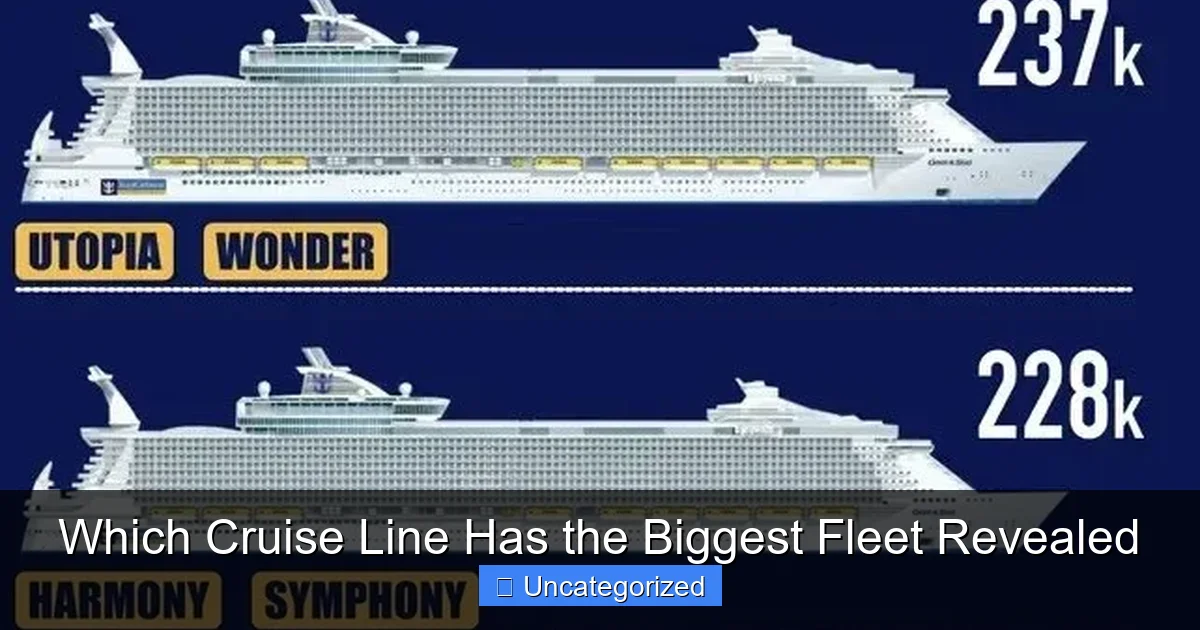
The Icon of the Seas, launched in January 2024, is not just a ship—it’s a floating resort city with 8 distinct neighborhoods, including a waterpark, ice rink, and Central Park with real trees. This vessel alone has a larger passenger capacity than many entire cruise fleets. Royal Caribbean’s Oasis Class ships (e.g., Wonder of the Seas, Symphony of the Seas) also rank among the top 5 largest ships globally, each exceeding 228,000 GT.
Innovation and Onboard Experience
Royal Caribbean is synonymous with innovation. The company has pioneered features like:
- FlowRider surf simulators
- Sky Pad virtual reality trampolines
- North Star glass capsules that rise 300 feet above sea level
- Robotic bartenders in the Bionic Bar
- Smart staterooms with voice-activated controls
These attractions are not just gimmicks—they drive demand and allow Royal Caribbean to charge premium fares. For example, a 7-night Eastern Caribbean cruise on Icon of the Seas can cost upwards of $20,000 per cabin, reflecting the ship’s unmatched scale and amenities.
Sustainability and Future Expansion
RCG is investing $2 billion in sustainability initiatives, including LNG propulsion, advanced wastewater treatment, and carbon capture research. The company plans to launch three more Icon-class ships by 2028, each with improved energy efficiency. Additionally, Royal Caribbean is expanding its Silversea brand with new expedition vessels like Silver Nova, which features a hybrid LNG-battery propulsion system.
Traveler Tip: If you’re seeking cutting-edge technology and record-breaking scale, book a cruise on an Oasis or Icon-class ship. These vessels offer unparalleled entertainment, dining, and recreational options—perfect for thrill-seekers and luxury travelers alike.
Norwegian Cruise Line Holdings: The Agile Contender
Fleet Composition and Market Position
Norwegian Cruise Line Holdings (NCLH) operates 29 ships across three brands: Norwegian Cruise Line (NCL), Oceania Cruises, and Regent Seven Seas Cruises. While smaller in total ship count compared to Carnival and RCG, NCLH excels in brand differentiation and premium positioning. NCL is known for its “Freestyle Cruising” model—no formal dress codes, flexible dining, and open-seating schedules—appealing to younger, independent travelers.
Oceania Cruises and Regent Seven Seas focus on luxury and destination immersion, with smaller ships (typically 600–800 passengers) that visit off-the-beaten-path ports. For example, Oceania’s Insignia recently completed a 180-day world cruise with stops in Antarctica, the Galapagos, and remote Pacific islands—itineraries impossible for larger ships.
Growth Strategy and Newbuilds
NCLH is expanding aggressively. The company has 11 new ships on order, including:
- Norwegian Viva (2023) and Norwegian Aqua (2025) – part of the Prima Plus class, featuring larger staterooms, expanded outdoor spaces, and the first go-kart track at sea.
- Oceania Allura (2025) – a 1,200-passenger ship with a 1:1.3 guest-to-crew ratio, emphasizing personalized service.
- Regent Seven Seas Grandeur (2023) – all-suite, all-balcony vessel with $5,000+ per person pricing, targeting ultra-luxury travelers.
These investments position NCLH as a leader in premium and luxury segments, complementing its mass-market offerings. The company’s focus on smaller, more agile ships allows it to compete with Carnival and RCG in niche markets like expedition cruising and cultural immersion.
Unique Selling Points
NCLH’s brands offer distinct advantages:
- Norwegian Cruise Line: Best for families and solo travelers due to flexible dining and entertainment.
- Oceania Cruises: Ideal for cultural explorers and foodies, with culinary-focused itineraries and gourmet dining.
- Regent Seven Seas: Top choice for luxury and all-inclusive experiences, with free airfare, shore excursions, and premium beverages.
Tip: If you value personalized service and destination depth, consider a cruise with Oceania or Regent. Their smaller ships can access ports like Kotor, Montenegro or Portobelo, Panama, which are off-limits to larger vessels.
MSC Cruises: The Fastest-Growing Global Player
Fleet Expansion and Geographic Reach
MSC Cruises, part of the privately held MSC Group, has emerged as the fastest-growing cruise line in the world. With 22 ships currently in operation and 14 more on order (including 7 LNG-powered vessels), MSC is rapidly closing the gap with the “Big Three.” The company’s fleet expansion is particularly strong in Europe and Asia, where it operates year-round itineraries in the Mediterranean, Caribbean, and Southeast Asia.
MSC’s Meraviglia and World-class ships (e.g., MSC World Europa, MSC Euribia) are among the most technologically advanced in the industry. The MSC World Europa, launched in 2022, is the first LNG-powered cruise ship to feature a solid oxide fuel cell (SOFC) system, reducing carbon emissions by up to 15%.
Family-Focused and Inclusive Offerings
MSC targets families and multi-generational travelers with features like:
- MSC Yacht Club – an exclusive “ship-within-a-ship” concept with private lounges, butlers, and suites.
- Free kids’ programs for children aged 3–17.
- Multi-language support (English, Italian, Spanish, German, Chinese).
- Partnerships with LEGO and Chicco for onboard activities.
The company also offers all-inclusive packages with drinks, Wi-Fi, and gratuities—a growing trend in the cruise industry. This value proposition has helped MSC attract over 3 million passengers annually.
Future Outlook
MSC’s parent company, the MSC Group, has committed $15 billion to cruise expansion through 2030. The company plans to launch four new World-class ships by 2027, each with a capacity of over 6,000 passengers. Additionally, MSC is investing in shore power infrastructure at ports like Barcelona and Civitavecchia to reduce emissions during docking.
Tip: If you’re traveling with kids or seeking a European-style cruise experience, MSC is an excellent choice. Their ships offer a blend of Italian elegance and family-friendly fun, with itineraries in the Mediterranean, Caribbean, and Middle East.
Comparative Analysis: Fleet Metrics at a Glance
To truly understand which cruise line has the biggest fleet, we must compare multiple metrics. Below is a data table summarizing key fleet statistics for the top five cruise companies as of 2024:
| Cruise Line | Total Ships | Largest Ship (GT) | Max Passenger Capacity | Annual Passengers | Key Brands |
|---|---|---|---|---|---|
| Carnival Corporation | 89 | Mardi Gras (180,000 GT) | 6,500 | 13 million | Carnival, Princess, Holland America, Seabourn, Cunard, AIDA, Costa, P&O, P&O Australia |
| Royal Caribbean Group | 65 | Icon of the Seas (250,800 GT) | 7,600 | 7 million | Royal Caribbean, Silversea, Hapag-Lloyd |
| NCLH | 29 | Norwegian Encore (169,000 GT) | 4,000 | 4 million | NCL, Oceania, Regent |
| MSC Cruises | 22 | MSC World Europa (215,000 GT) | 6,762 | 3 million | MSC Cruises, MSC Yacht Club |
| Disney Cruise Line | 5 | Disney Wish (144,000 GT) | 4,000 | 1.2 million | Disney Cruise Line |
This table reveals that while Carnival leads in total ship count and passenger volume, Royal Caribbean holds the record for largest individual ships and maximum capacity. MSC, despite having fewer ships, operates some of the most modern and eco-efficient vessels. For travelers, the choice depends on priorities: variety (Carnival), scale and innovation (Royal Caribbean), luxury and intimacy (NCLH), or value and family focus (MSC).
What Fleet Size Means for Travelers: Choosing Your Perfect Cruise
Itinerary Diversity and Accessibility
A larger fleet often translates to more itinerary options. Carnival’s 89 ships sail to over 700 ports worldwide, from mainstream destinations like Nassau and Cozumel to remote locations like Bora Bora and the Arctic. Royal Caribbean’s massive ships can handle high-demand routes (e.g., Alaska, Mediterranean), while smaller brands like Oceania and Regent offer exclusive access to boutique ports.
Onboard Experience and Crowd Management
Big ships offer more amenities but can feel crowded. For example, Icon of the Seas has 18 decks and 20 dining venues—ideal for those who want endless options. In contrast, a 700-passenger Oceania ship provides a more intimate, uncrowded experience. Tip: If you dislike crowds, consider smaller ships or off-peak seasons. Carnival’s mid-size ships (e.g., Radiance-class) balance capacity and comfort.
Sustainability and Environmental Impact
Fleet size also affects environmental footprint. Larger ships consume more fuel but often have better emissions per passenger due to economies of scale. Companies like Royal Caribbean and MSC are leading in LNG propulsion and waste reduction. When booking, look for ships with Green Marine certification or shore power capability.
Booking Tips Based on Fleet Size
- For families: Choose Carnival or MSC for kid-friendly activities and affordable pricing.
- For luxury: Opt for Regent Seven Seas or Seabourn for all-inclusive, personalized service.
- For adventure: Book Silversea or Oceania for expedition cruises to Antarctica or the Amazon.
- For first-time cruisers: Start with Carnival or Royal Caribbean’s mainstream ships for ease of navigation.
In conclusion, the cruise line with the biggest fleet isn’t just about numbers—it’s about choice, innovation, and experience. Carnival Corporation leads in total ships, Royal Caribbean in scale and technology, and MSC in growth and sustainability. By understanding these differences, you can select the perfect cruise line for your travel style, ensuring unforgettable memories on the high seas.
Frequently Asked Questions
Which cruise line has the biggest fleet in 2024?
Carnival Corporation & plc currently operates the largest cruise fleet globally, with over 90 ships across its nine brands, including Carnival Cruise Line, Princess Cruises, and Holland America. Its combined fleet size surpasses competitors like Royal Caribbean Group and Norwegian Cruise Line Holdings.
How does Royal Caribbean compare to Carnival in fleet size?
While Royal Caribbean International has one of the largest single-brand fleets (27 ships), Carnival Corporation’s multi-brand strategy gives it the overall edge in total fleet size. Royal Caribbean Group, however, operates around 60 ships when including subsidiaries like Celebrity Cruises.
Which cruise line has the biggest fleet of mega-ships?
Royal Caribbean International leads in mega-ships, with its Oasis- and Icon-class vessels (like *Icon of the Seas*) being the largest in the world. Though Carnival has more ships overall, Royal Caribbean dominates in sheer size and innovation for its largest vessels.
Does fleet size affect the cruise experience?
A larger fleet often means more itinerary options, onboard amenities, and frequent departures, but smaller lines may offer more intimate experiences. For travelers prioritizing variety, the biggest fleets (e.g., Carnival or Royal Caribbean) provide extensive choices.
Are newer cruise lines catching up to the biggest fleets?
Emerging brands like Virgin Voyages and Disney Cruise Line are expanding, but their fleets remain small compared to industry giants. Carnival and Royal Caribbean’s decades of growth and acquisitions keep them ahead in total fleet numbers.
Which cruise line has the biggest fleet for luxury travelers?
For luxury, Regent Seven Seas Cruises and Oceania Cruises (both under Norwegian Cruise Line Holdings) offer high-end, all-inclusive experiences. However, their fleets (6 and 8 ships, respectively) are much smaller than mass-market leaders like Carnival.